The Unbearable Weight of Witness: A Serbian Film and the Abyss of Despair
Exploring A Serbian Film's controversial legacy, its critical reception, and its bleak, existential commentary on trauma, exploitation, and the depths of human depravity.
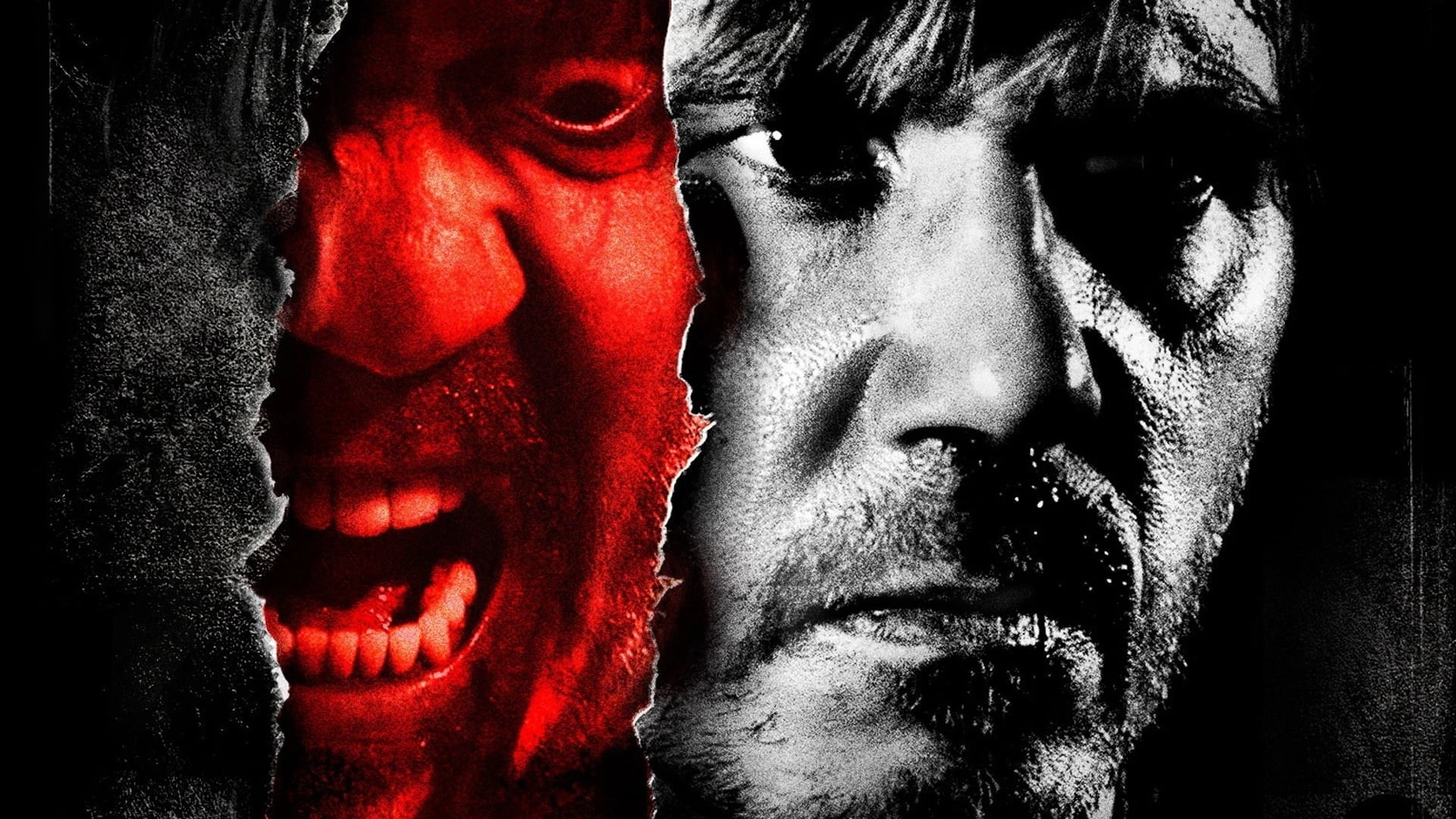
“He who fights with monsters should look to it that he himself does not become a monster. And if you gaze long into an abyss, the abyss also gazes into you.” — Friedrich Nietzsche
Let’s be unequivocally clear from the outset: Srdjan Spasojevic’s A Serbian Film (2010) isn’t just a movie; it’s a gauntlet thrown at the very concept of cinematic boundaries, a visceral, unrelenting descent into the most abhorrent corners of human depravity. It’s a film that has been universally condemned by many, banned in numerous countries, and regularly cited on lists of the most disturbing films ever made. Critics, as one might expect, largely panned it; Rotten Tomatoes clocks it in with a truly dismal 47% approval, with many reviews decrying its gratuitous violence and child sexual abuse as indefensible exploitation rather than meaningful art. And honestly, it’s hard to argue with that initial gut reaction. Yet, for all its undeniable flaws and its profoundly disturbing content, A Serbian Film has an unsettling, almost perverse philosophical weight that compels a deeper, albeit uncomfortable, conversation. It forces us to grapple with questions of agency, trauma, and the very nature of suffering in ways few other films dare.
The Descent into Manufactured Agony
The premise is deceptively simple: Miloš (Srđan ‘Žika’ Todorović), a retired porn star struggling financially, is offered a lifeline – a mysterious “art film” that promises to secure his family’s future. What begins as an opportunity quickly spirals into a waking nightmare, a meticulously orchestrated hellscape of extreme violence, sexual degradation, and the systematic dismantling of his humanity. The film’s narrative, while often criticized for being convoluted and deliberately obfuscatory in its initial stages, functions as a mechanism to strip Miloš of his volition. He becomes a pawn, an object to be manipulated and broken, his choices increasingly dictated by the malevolent forces behind the camera.
This is where the film’s existential dread truly takes hold. Miloš isn’t just acting in a film; he’s trapped in a grim, post-Yugoslavian allegory where the past’s horrors manifest in the present’s unspeakable acts. His “performance” becomes a horrifying metaphor for the collective trauma of a nation, forced to relive and re-enact its own atrocities. Critics rightly pointed out the film’s uneven pacing and its deliberate, almost sluggish build-up before unleashing its full force, which can feel like an eternity for the viewer. But perhaps this is part of its design: to make us feel the inescapable, suffocating slowness of Miloš’s entrapment, mirroring the insidious creep of societal decay. The film asks us to witness, and in doing so, implicates us in its grotesque spectacle.
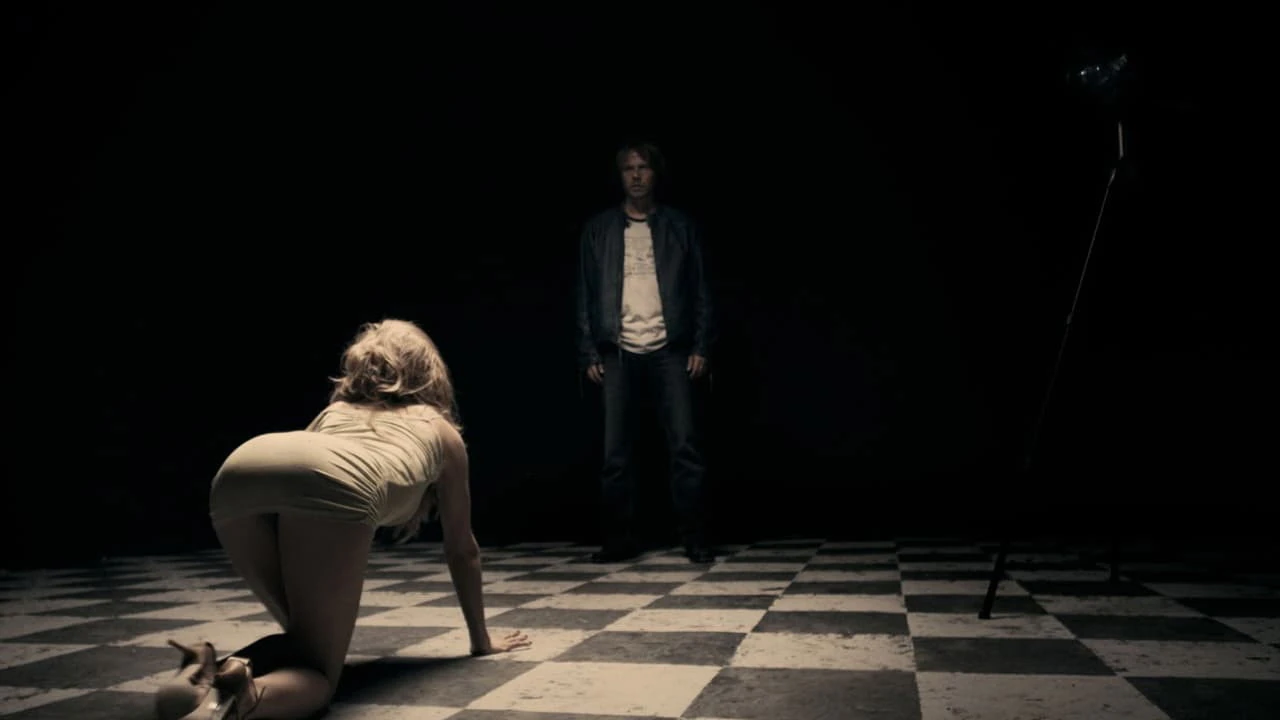 Miloš, trapped in a nightmare, his face reflecting a profound loss of self
Allegory or Exploitation? The Divisive Debate
The central, inescapable debate surrounding A Serbian Film is whether its horrific content serves a genuine artistic and philosophical purpose or if it merely wallows in shock for shock’s sake. Director Srdjan Spasojevic has consistently argued the former, stating the film is a searing critique of the Serbian government’s post-war policies, a metaphor for the atrocities committed during the Yugoslav Wars, and a harsh commentary on the exploitation within the film industry itself. And there are moments where this interpretation feels incredibly potent. The way Miloš is dehumanized, forced into acts against his will, mirroring the experiences of many caught in the throes of conflict, resonates deeply with the idea of a nation unable to escape its violent past.
The true horror isn’t just in the acts depicted, but in the insidious erosion of moral agency, the slow, agonizing death of the soul when all choices lead to a deeper abyss.
However, many, including numerous professional critics and audiences, found the graphic depictions of child sexual abuse and necrophilia to be utterly beyond the pale, rendering any allegorical intent moot. They argue that these scenes are not merely provocative but actively harmful, crossing a line into indefensible exploitation that overshadows any potential message. This isn’t just a matter of taste; it’s a fundamental ethical question about the limits of artistic expression and the responsibility of the artist. Does the “message” justify the means, especially when the means involve simulating such heinous acts? For many, the answer is a resounding no, and it’s a valid, crucial point of contention that cannot be dismissed. The performances, particularly from Srđan ‘Žika’ Todorović, are often lauded for their commitment, but even brilliant acting can’t fully redeem content that fundamentally offends.
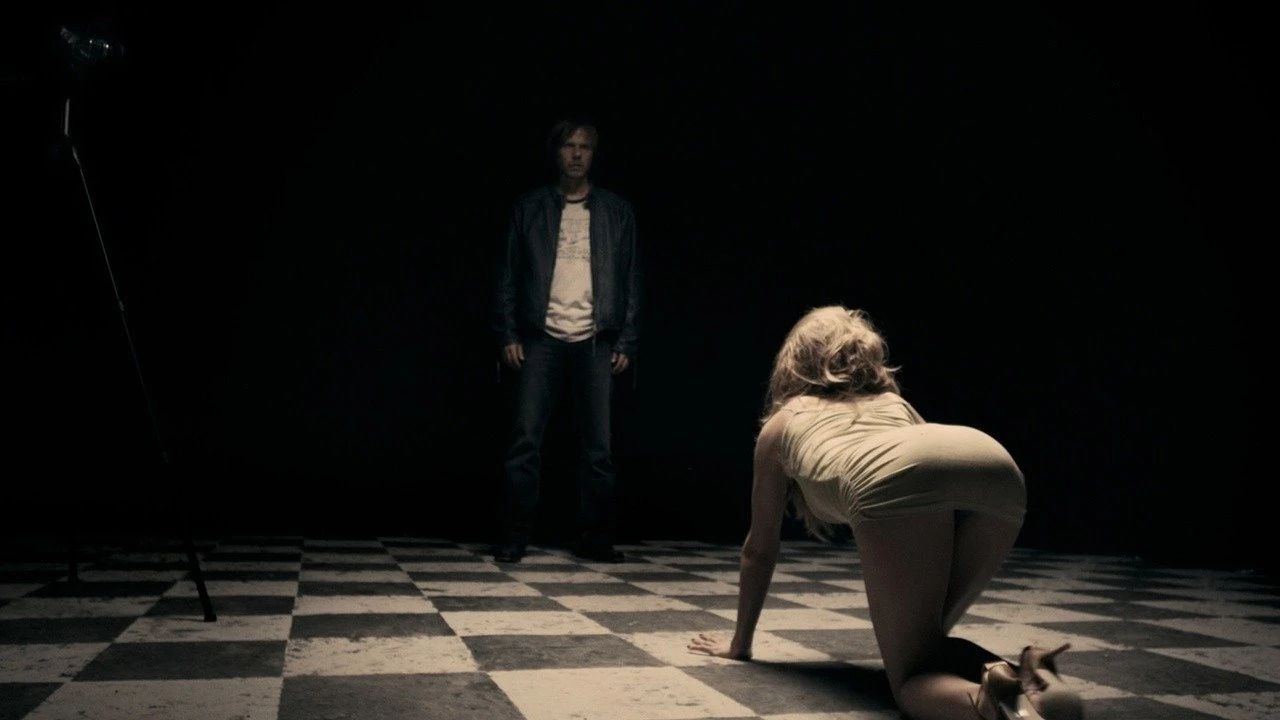 The chilling gaze of an orchestrator of suffering, symbolizing control and manipulation
Beyond the Surface: The Philosophy of Abjection
Despite its undeniable challenges and the valid criticisms leveled against it, A Serbian Film forces us to confront uncomfortable metaphysical and ethical questions. It delves into the philosophy of abjection, a concept explored by Julia Kristeva, where the abject represents that which is violently cast out from the symbolic order, the horror that threatens our sense of clean and proper self. The film pushes Miloš and the audience to confront the abject, to witness the breakdown of all societal taboos and the annihilation of innocence. It asks: What happens when the structures of morality collapse? What remains of the human spirit when pushed beyond all conceivable limits?
The film functions as a perverse thought experiment, exploring the fragility of identity and the ease with which one can be stripped of it. Miloš isn’t just a character; he’s a representation of the everyman caught in a system designed to crush him, a system that thrives on the commodification of suffering. The meta-narrative of a film being made within the film, where Miloš is merely a performer in someone else’s sick vision, adds another layer to this. It’s a brutal commentary on the voyeuristic nature of media, and perhaps, a self-reflexive critique of the very act of filmmaking and viewing extreme content. It’s an exploration of nihilism, portraying a world where decency has been eradicated, and all meaning has been drained, leaving only the raw, ugly truth of human potential for cruelty.
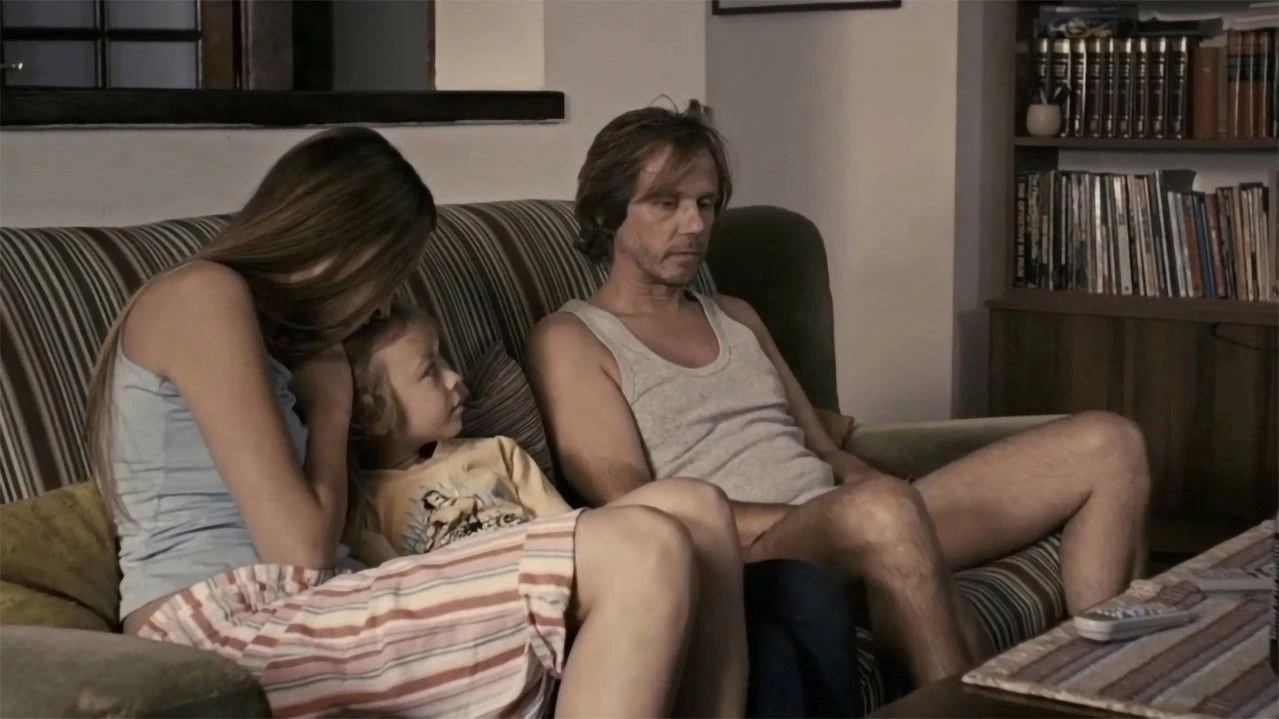 A fragmented, distorted reflection, hinting at a broken reality and shattered psyche
“Sometimes, the darkest mirrors reveal the most profound truths about ourselves, even if we wish we could unsee them. The question is, what do we do with what we’ve seen?”
A Serbian Film is not a film to be recommended lightly, if at all. Its legacy is one of controversy, revulsion, and profound ethical debate. Many will, quite understandably, dismiss it as vile and indefensible, and they wouldn’t be wrong. Yet, for those brave or perhaps foolhardy enough to confront its bleak vision, it offers a disturbing, albeit excruciatingly painful, journey into the abyss. It’s a film that, despite its numerous and significant flaws, undeniably forces us to confront the deepest anxieties about human nature, societal trauma, and the potentially horrifying price of survival. It asks us to look into a mirror that reflects not just fictional depravity, but the echoes of real-world horrors, and question how far one would go, or be forced to go, to protect what little remains.
What’s Up? explores the philosophical depths of cinema.