The Unsettling Echoes of Adolescence: When Innocence Fractures
Anticipating Adolescence (2025), a TV series probing the murky depths of juvenile crime, moral ambiguity, and the fragile line between childhood and culpability.
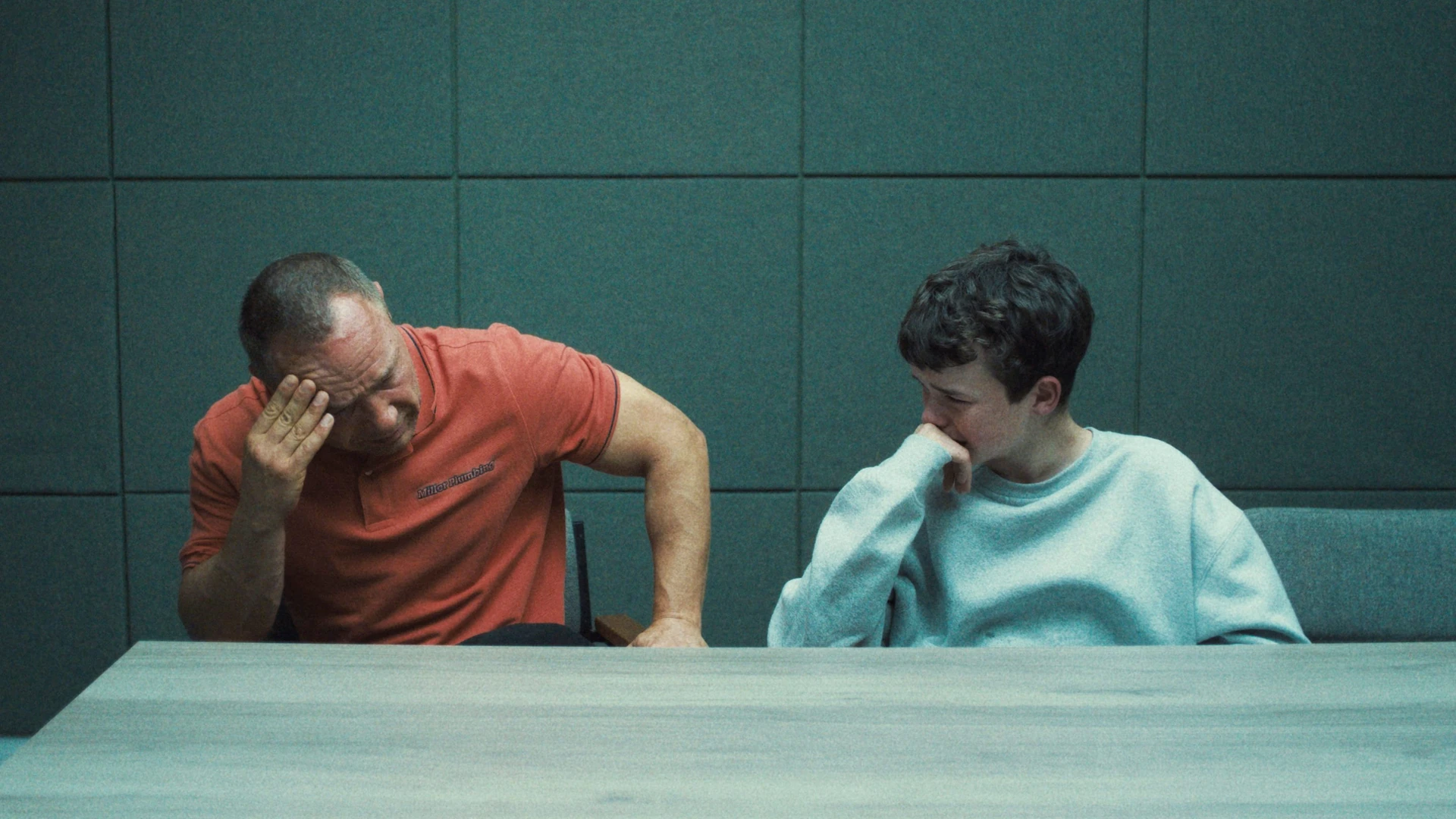
“The child is father of the man; And I could wish my days to be Bound each to each by natural piety.” — William Wordsworth
There’s a specific kind of chill that runs down your spine when a story dares to drag the darkest corners of human experience into the light, especially when it involves the very young. Adolescence, slated for a 2025 release, promises just such an unsettling journey. With a premise that cuts straight to the quick – a 13-year-old accused of murder – this TV series, from what we know, isn’t just a crime drama; it’s a potential philosophical crucible. Given its release date, we’re obviously operating without the benefit of actual critical reception or audience buzz. There are no Rotten Tomatoes scores to debate, no Metacritic aggregates to dissect. But the idea of Adolescence alone, the philosophical questions inherent in its very setup, is enough to spark a profound pre-mortem. This isn’t about reviewing a finished product, but about anticipating the profound, unsettling questions it’s poised to ask us, and the myriad ways such a narrative could both soar and stumble.
The Weight of Young Guilt: A Pre-Emptive Inquiry
At its core, Adolescence posits a scenario that challenges our most fundamental assumptions about innocence, culpability, and the development of moral agency. A 13-year-old, embroiled in a murder accusation. The very phrase feels anathema. We often draw a clear line in our collective consciousness: childhood as a realm of purity, or at least of developing, not fully formed, judgment. Yet, the show’s premise immediately blurs this line, forcing us to confront the uncomfortable truth that darkness isn’t exclusive to adulthood.
The philosophical implications here are immense. How do we, as a society, assign moral responsibility to someone so young? Is a 13-year-old capable of the kind of premeditation required for murder, or is their alleged act a tragic consequence of underdeveloped impulse control, peer pressure, or an environment beyond their grasp? The series invites us to grapple with the concept of the age of reason – a legal and philosophical construct that attempts to define when an individual gains the capacity for rational thought and moral discernment. Adolescence doesn’t just ask “what happened?” but “what is a 13-year-old capable of, morally and psychologically?”
This is where the potential for philosophical depth truly lies. However, it’s also where the series could falter. Without careful execution, such a sensitive topic risks descending into mere sensationalism or, conversely, overly simplistic portrayals. A common criticism for dramas involving juvenile crime is the tendency to either demonize the young perpetrator or sanitize their actions, rather than exploring the messy, complicated middle ground. The show’s success will hinge on its ability to navigate this tightrope, avoiding stereotypes while still delivering a compelling narrative.
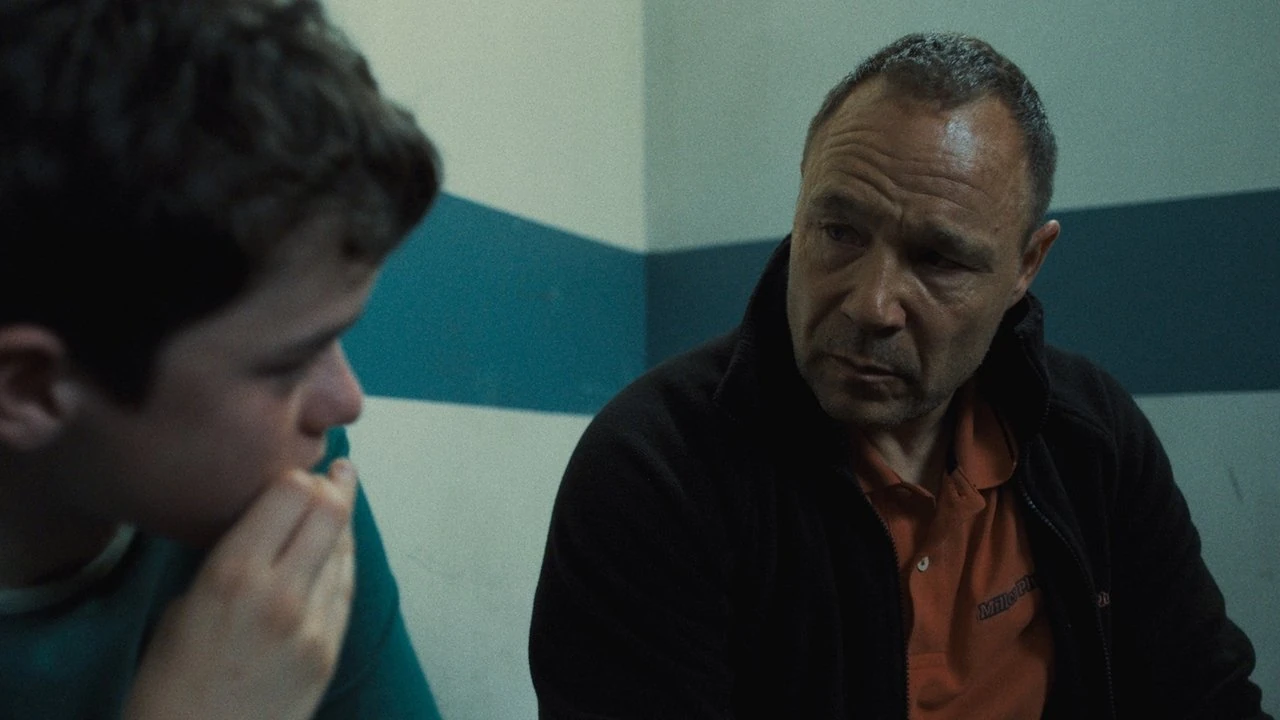 A solitary school hallway, hinting at hidden stories and unseen pressures.
The Labyrinth of Truth: Anticipating Narrative Challenges
The official plot overview states that the family, therapist, and detective are all left asking: what really happened? This isn’t just a quest for facts; it’s a deeper interrogation of perception, memory, and the subjectivity of truth. Each character brings their own biases, their own hopes and fears, to the investigation. The family, torn between loyalty and horror; the therapist, bound by ethics yet privy to fragile confessions; the detective, seeking justice through the lens of law.
This multi-perspectival approach, if handled artfully, could be a significant strength. It has the potential to demonstrate how “truth” is often a composite, a narrative woven from fragmented recollections and emotional responses. We might see the same event refracted through different eyes, exposing the limitations of objective reality and the power of individual interpretation. This echoes existentialist thought, where our understanding of the world is always filtered through our own consciousness.
Our perception of reality is rarely objective, especially when confronting the raw, unsettling truth of human fallibility; it’s always colored by our deepest fears and our most fervent hopes.
However, this narrative complexity also presents significant challenges. Without solid writing and direction, such a structure could easily become confusing or repetitive. Critics often point to uneven pacing or convoluted plotlines as weaknesses in thrillers attempting too many angles. The series will need to meticulously craft each character’s arc, ensuring their perspective adds genuine insight rather than just muddling the waters. Furthermore, the performances will be paramount. A miscast or underperforming young actor in the central role, or unconvincing portrayals of the adults grappling with this horror, could severely undermine the show’s impact. The danger is that the series could become more about its ambitious structure than about the human tragedy at its heart.
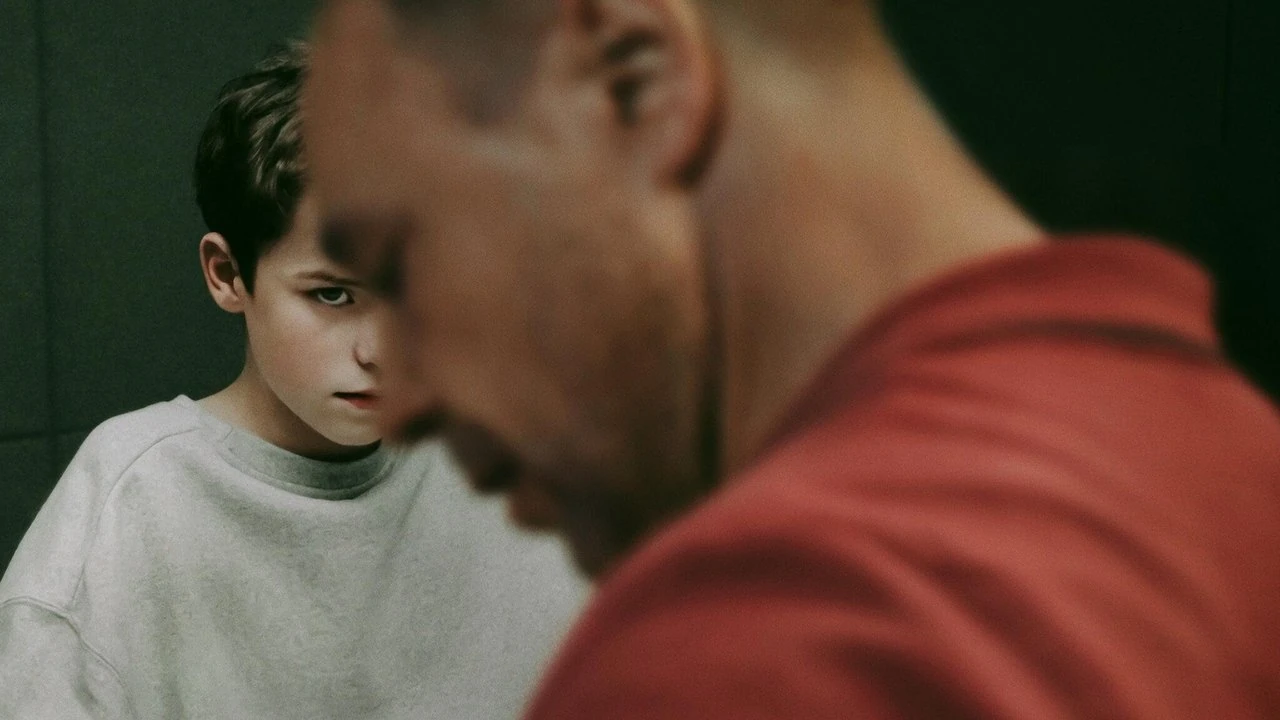 A detective’s board, covered in tangled threads and unresolved questions, symbolizing the elusive nature of truth.
Beyond the Verdict: Echoes of a Fractured Self
Beyond the immediate crime and investigation, Adolescence has the potential to delve into even deeper existential territory. What happens to the identity of a 13-year-old when they are branded, rightly or wrongly, as a murderer? How does such an accusation shape their sense of self, their future, their very being? This isn’t just about legal consequences; it’s about the psychological and spiritual scars that such an event would leave.
The series could explore the fragility of childhood and the rapid, often bewildering, transition into adolescence. This period is already fraught with identity crises, burgeoning independence, and intense emotional shifts. To overlay this with a murder investigation would amplify these themes to an unbearable degree, forcing us to consider the profound impact of trauma on developing personhood. It asks us to consider not just “what did he do?” but “who will he become?” and “who was he before this?”
This also extends to the broader societal reflection. What does it say about our community when one of its youngest members is implicated in such a grave act? Are we, as a collective, responsible for the environments that shape our youth? The show could subtly critique the systems that are meant to protect children but often fail them, or the social pressures that can push individuals to their breaking point. It’s a mirror held up to our own collective conscience, asking us to examine the cracks in our foundations.
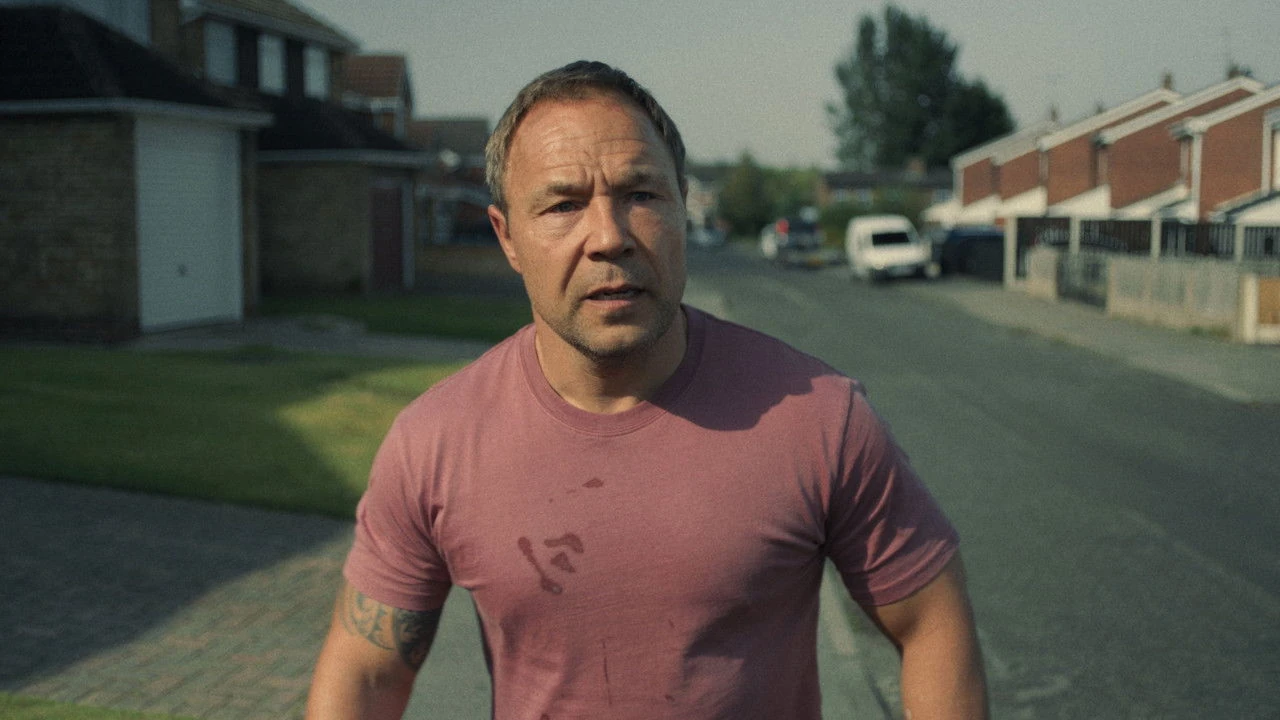 A therapist’s office, a space of confession and contemplation, reflecting the internal battles fought within.
The most terrifying monsters often lurk not in the shadows, but in the places we expect purity, forcing us to confront the unsettling capacity for darkness that can bloom even in the youngest hearts.
While we await the actual release and critical reception of Adolescence, the premise alone assures us it won’t be an easy watch. It promises to be a demanding, potentially flawed, but undeniably vital exploration of the most uncomfortable questions surrounding juvenile crime. It will force us to reconsider our preconceptions about innocence, justice, and the profound, often tragic, complexities of growing up. Regardless of how well it’s executed, the very idea of Adolescence challenges us to look beyond the surface of a simple crime and into the murky, unsettling depths of the human condition itself.
Where to Watch
- Netflix
- Netflix Standard with Ads
What’s Up? explores the philosophical depths of cinema.