The Allure of the Anti-Hero: Agatha All Along and the Philosophy of Reclamation
Exploring Agatha All Along's potential philosophical depths: the allure of the shadow self, the cost of ambition, and the complex morality of an anti-hero.
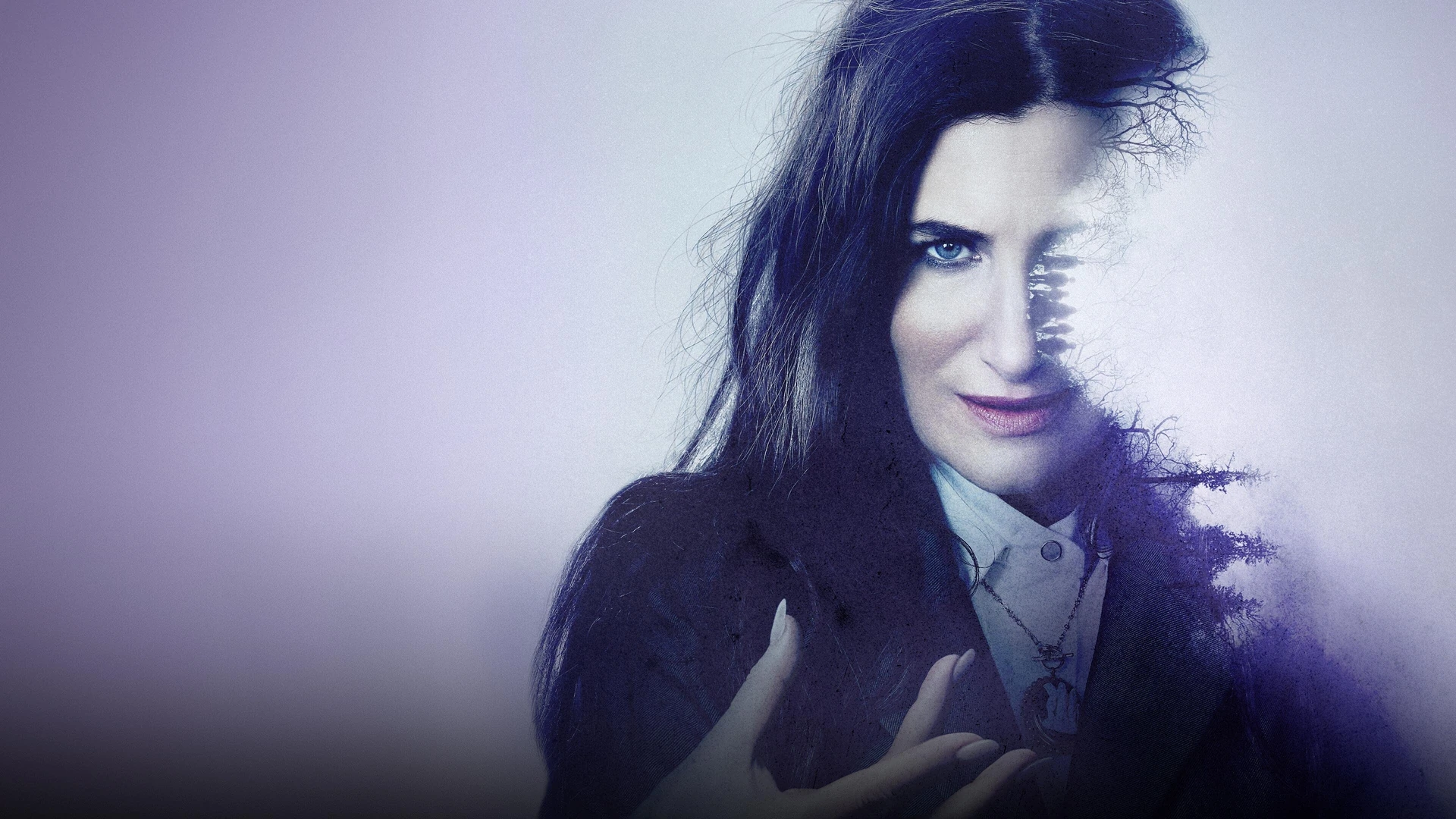
“One does not become enlightened by imagining figures of light, but by making the darkness conscious.” — Carl Jung
When Agatha All Along was announced, a collective gasp of anticipation, mixed with a healthy dose of skepticism, rippled through the pop culture landscape. Kathryn Hahn’s Agatha Harkness was, without question, the breakout star of WandaVision—a charismatic, conniving force of nature who stole every scene she was in. Her theme song became an instant earworm, her cackle iconic. The question, then, for this Disney+ series (set to conjure its way onto screens in 2024), wasn’t if she deserved a spin-off, but how such a force could sustain a narrative beyond her scene-stealing supporting role. The challenge, as many early discussions and pre-release analyses have suggested, lies in translating that potent, villainous energy into a compelling, multi-episode protagonist without either diluting her essential darkness or alienating an audience accustomed to more conventional heroes.
The Lure of the Shadow Self
The very premise of Agatha All Along — Agatha Harkness gathering a coven and embarking “down, down, down The Witches’ Road” — immediately invites a deep dive into the Jungian shadow self. In WandaVision, Agatha was initially presented as “Agnes,” a quirky, nosy neighbor, her true, formidable witch identity repressed or hidden. This series promises her full, unadulterated reclamation of self. What does it mean to embrace one’s inherent nature, particularly when that nature is traditionally defined as “evil” or “dark”? For Agatha, her witch identity isn’t a burden to shed but a power to wield, a birthright to claim.
This journey isn’t just about magic; it’s about authenticity. In a world that often demands conformity, Agatha All Along has the potential to explore the profound liberation, and perhaps the profound isolation, that comes with living truthfully to one’s perceived self, even if that self is morally ambiguous or outright malevolent. It asks us to consider: is there inherent value in simply being what you are, regardless of societal judgment? Her journey down the Witches’ Road could be read as an allegorical descent into her own psyche, confronting not just external magical challenges but the very essence of her being. Critics, even before seeing the full arc, have voiced concerns about whether the show can maintain this philosophical tightrope walk, or if it might fall into the trap of either over-justifying her actions or reducing her complexity for plot convenience. The risk is that the allure of the shadow, so compelling in small doses, might become exhausting or repetitive over 40-minute episodes.
- Authenticity vs. Morality: Can one be true to oneself if that self is “bad”?
- The Power of the Repressed: What happens when suppressed power is unleashed?
- Redefining ‘Villainy’: Is Agatha a villain, an anti-hero, or simply a force of nature?
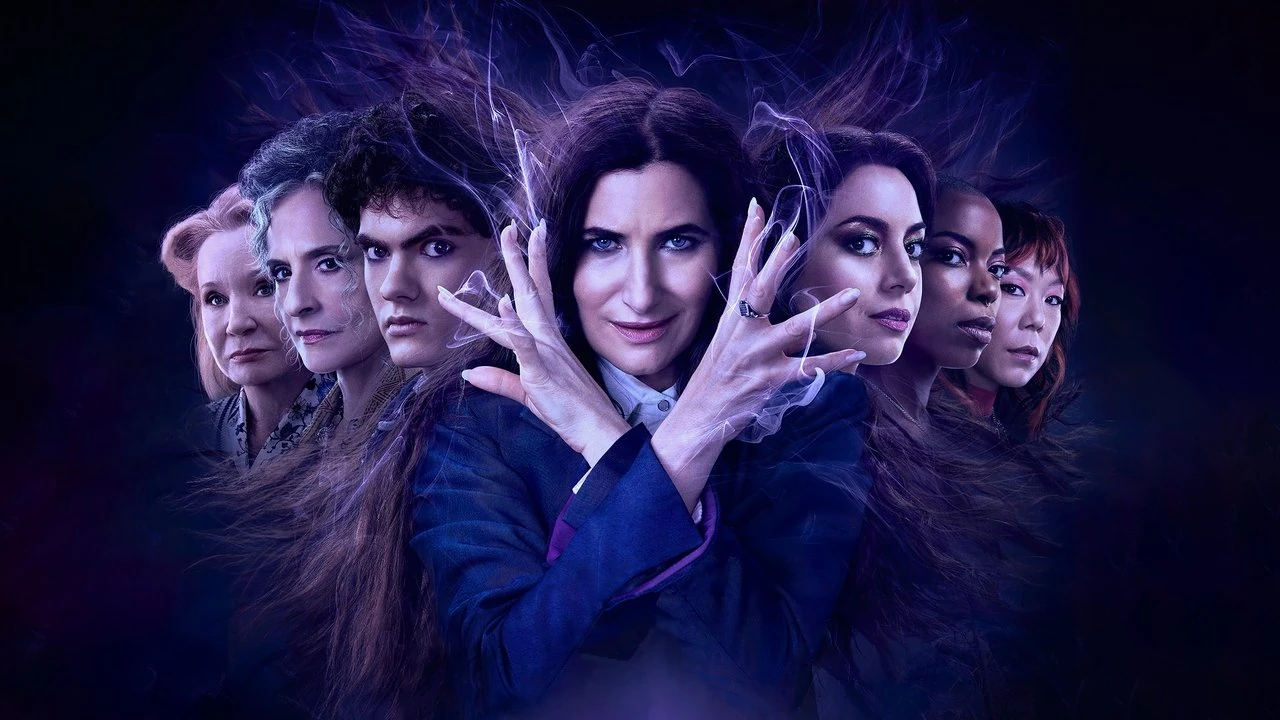 Agatha Harkness, back in her signature purple, commands attention, embodying the reclamation of her true witch identity.
The Witches’ Road and the Cost of Ambition
The “Witches’ Road” itself is a tantalizing narrative device, hinting at ancient magical traditions, forgotten lore, and perhaps a path to untold power. This quest for power is a classic philosophical trope, but with Agatha, it takes on a uniquely cynical and self-serving hue. Unlike many heroes who seek power for the greater good, Agatha often seeks it for self-aggrandizement, control, or simply because she can. The formation of her coven also raises interesting questions about chosen family versus tools of ambition. Are these new witches her allies, her disciples, or merely pawns in a larger game?
The show’s multi-genre tag — Action, Adventure, Comedy, Drama, Fantasy, Sci-Fi — signals both its ambitious scope and a potential Achilles’ heel. Many Marvel Disney+ series have struggled with tonal inconsistency, and Agatha All Along could easily fall victim to this. How does one balance genuine threats and dramatic stakes with Agatha’s sardonic wit and the show’s comedic elements? Early buzz, while largely positive about Hahn’s performance, often highlighted the inherent difficulty of maintaining a coherent narrative when juggling such diverse elements. Will the humor detract from the gravity of the stakes, or will the darker themes overshadow the comedic potential? Audience feedback, once the show airs, is likely to be divided on this very point. Some might relish the camp and the dark humor, while others might find the pacing uneven or the plot convoluted in its attempt to serve too many masters.
Here, we might discover that the true weight of choice isn’t just in the outcome of pursuing power, but in the becoming it forces upon us — the subtle shifts in our soul that define who we are in the process.
The journey down the Witches’ Road, therefore, isn’t just an adventure; it’s a test of ethical boundaries. What sacrifices will be demanded? What lines will be crossed? And for a character like Agatha, do those lines even exist, or are they merely suggestions?
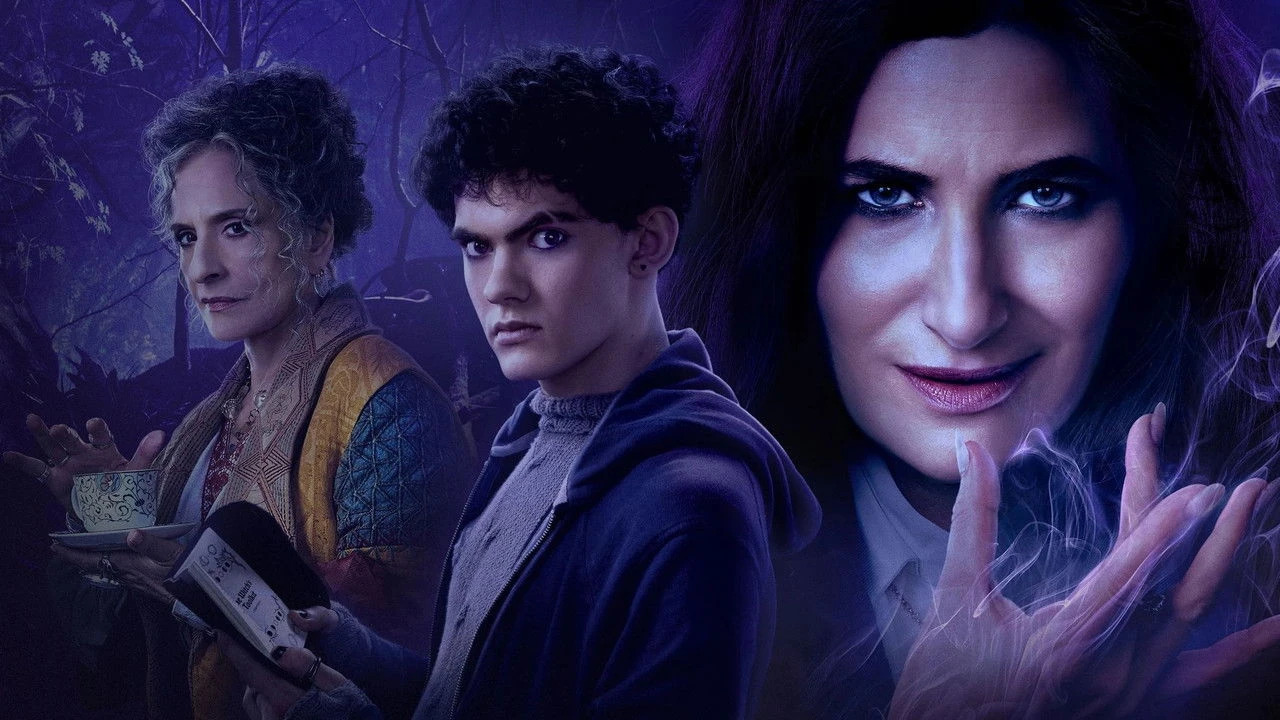 A diverse group of witches, seemingly united under Agatha’s leadership, hints at complex coven dynamics and the varied paths down the Witches’ Road.
Beyond Good and Evil - A Morality Play?
What Agatha All Along truly has the potential to explore is the complex terrain beyond conventional notions of good and evil. Agatha isn’t a hero, nor does she aspire to be. She’s proudly, unapologetically, “bad.” This challenges the audience to engage with a protagonist who operates outside traditional moral frameworks. Can we, as viewers, empathize with, or even root for, a character who embraces darkness? This show might force us to confront our own biases about who deserves screen time and narrative focus.
The meta-narrative of a character breaking free from a more heroic lead’s story (WandaVision) to chart her own course is also philosophically rich. It’s an act of narrative rebellion, mirroring Agatha’s own rebellious spirit. The series, despite any potential flaws in execution (like the aforementioned pacing issues or struggles with its diverse genre blend), holds up a mirror to our own fascination with transgressors, with those who defy norms. It asks why we are drawn to the chaotic, the powerful, and the unapologetically self-interested. This might be where the show finds its most enduring philosophical value, even if its narrative mechanics don’t always land perfectly with every viewer. The question isn’t whether Agatha is “good,” but whether her story is meaningful in its exploration of power, identity, and the human (or witch) condition. Some viewers may find her unrepentant nature refreshing, while others might struggle with the lack of a clear moral compass, finding it difficult to invest fully in her journey. This divisive potential is precisely what makes it philosophically interesting.
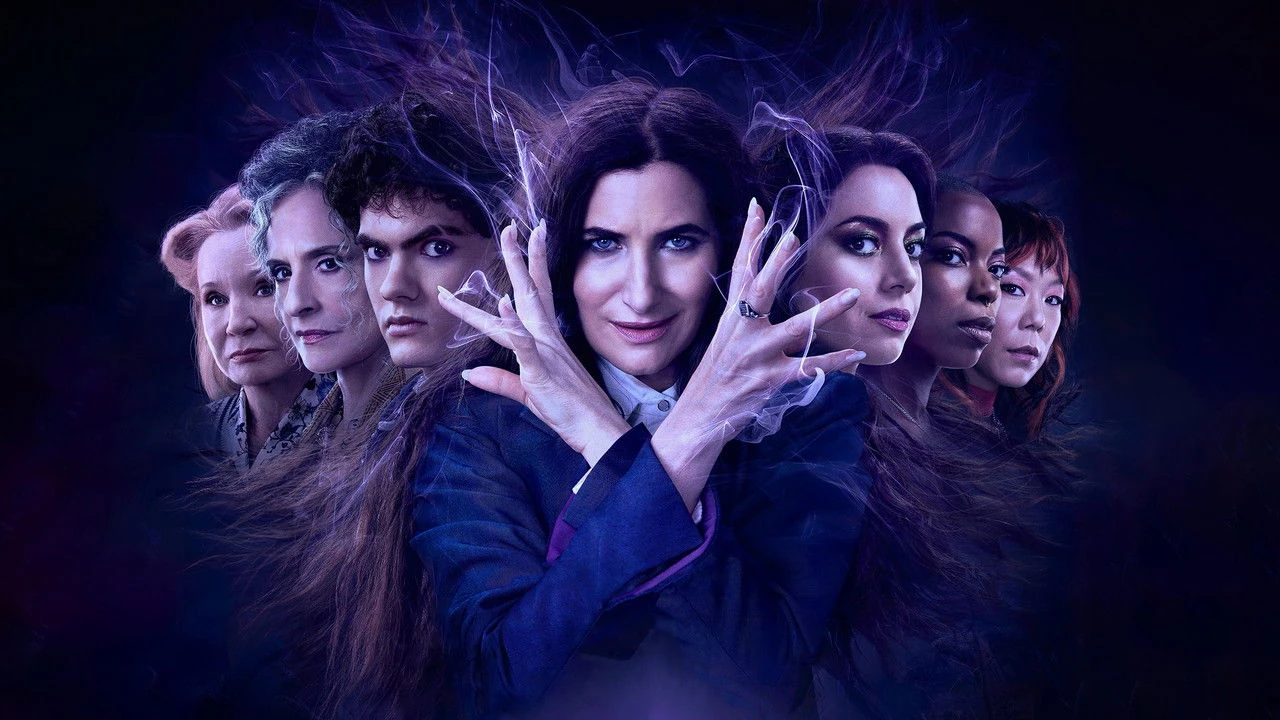 Kathryn Hahn as Agatha, her expression a mix of cunning and defiance, perfectly embodying the morally ambiguous heart of the series.
“Sometimes, the darkest mirrors reflect the truest parts of ourselves — not what we wish to be, but what we fear we might become, or what we secretly desire to unleash.”
Ultimately, Agatha All Along is poised to be a complex, potentially divisive, but undeniably intriguing entry into the Marvel canon. It might stumble with its pacing or struggle to perfectly blend its many tones, criticisms often leveled at similar ambitious projects. Yet, even if imperfectly executed, it offers a rare opportunity to linger in the shadow, to explore the philosophy of the unapologetic anti-hero, and to ponder the allure of power untainted by conventional morality. What does it truly mean to follow your deepest, darkest impulses, and what kind of world emerges when such a spirit is finally unleashed, all along?
Where to Watch
- Disney Plus
What’s Up? explores the philosophical depths of cinema.