Ahsoka's Liminal Space: Finding Purpose in the Galaxy's Fading Echoes
A philosophical deep dive into Ahsoka (2023), exploring themes of legacy, mentorship, and the search for meaning amidst mixed critical reception.
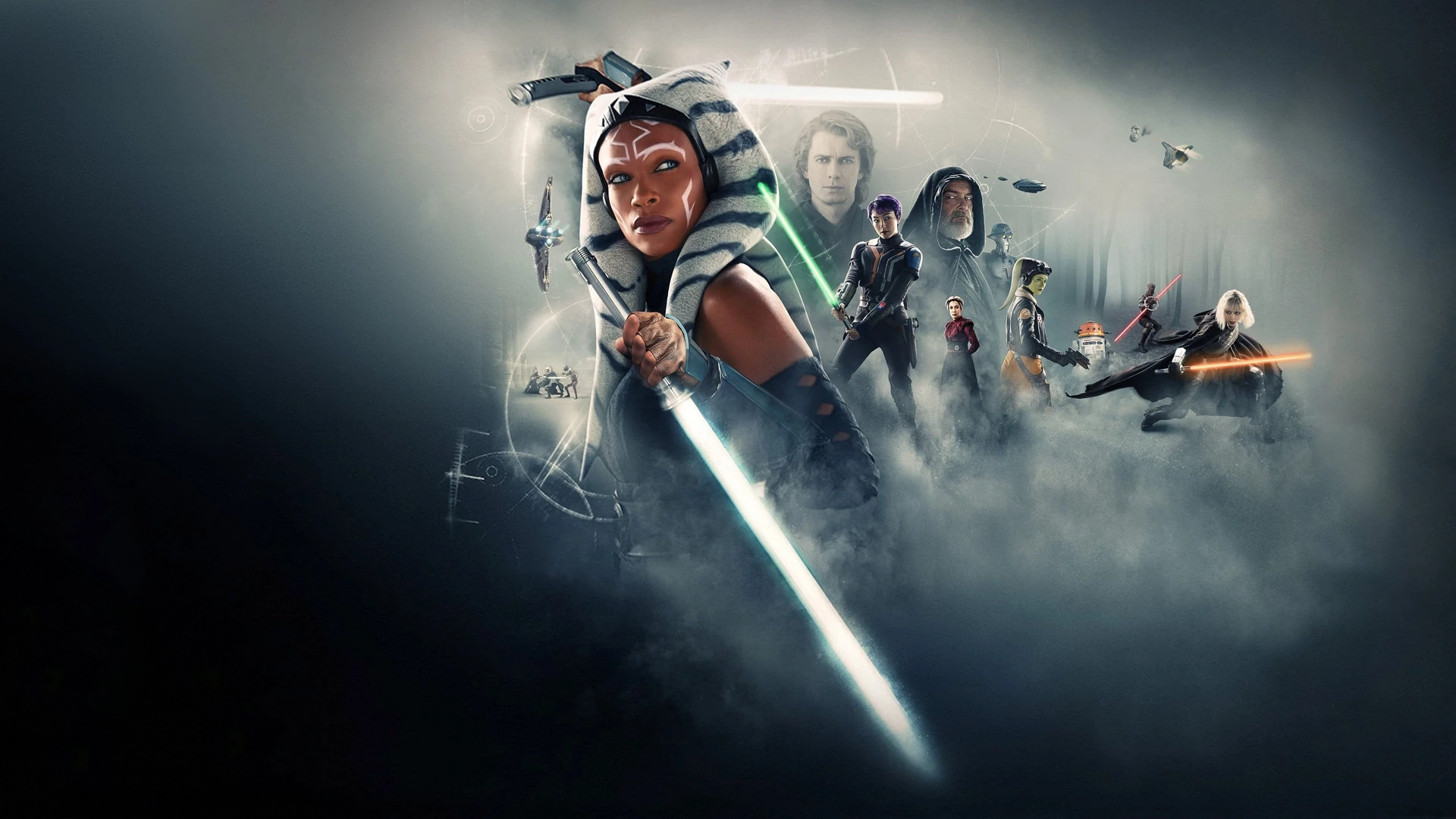
“We are shaped by the choices we make, and often, by the choices others have made for us.” — Adapted from a reflection on destiny
When Ahsoka (2023) debuted, it arrived with the weight of considerable anticipation, not just as another Star Wars series, but as a direct continuation of animated narratives that had captivated a generation. Rosario Dawson, reprising her live-action role, stepped into the title character’s boots, a former Jedi Knight now navigating a galaxy still reeling from the Empire’s fall. The promise was an epic quest, a confrontation with lingering threats, and a deeper dive into the Force’s more esoteric corners. Yet, the critical and audience reception for Ahsoka was, to put it mildly, a patchwork of fervent praise and equally fervent frustration. While many critics lauded its visual ambition and the strength of its core performances—especially Dawson’s stoic grace and the late Ray Stevenson’s profoundly nuanced Baylan Skoll—a significant portion of the audience and professional reviewers alike pointed to an undeniable unevenness in its execution. Pacing often felt glacial, dialogue could be clunky, and the series’ deep immersion in lore from The Clone Wars and Rebels frequently left newcomers feeling adrift. Despite these acknowledged flaws, Ahsoka manages to tap into profound philosophical currents, reflecting on what it truly means to carry a legacy, to mentor, and to find purpose when the path ahead is shrouded in uncertainty.
The Burden of Legacy: Master, Apprentice, and the Unfinished War
At its heart, Ahsoka is a meditation on legacy and the weight of inheritance. Ahsoka Tano herself is a walking testament to this, bearing the emotional scars and philosophical complexities of Anakin Skywalker’s fall. She explicitly rejects the title of Jedi Master, haunted by the failures of the old Order, yet finds herself compelled to embody its principles, often in isolation. This series forces us to consider: how does one honor a past without being shackled by its traumas? Ahsoka’s journey is less about grand galactic conquest and more about the deeply personal burden of her past and the responsibility she feels towards a future she struggles to define.
Her relationship with Sabine Wren, a former Mandalorian rebel and now her reluctant apprentice, becomes a central crucible for these ideas. Critics often pointed to Sabine’s character arc, particularly her sudden, if nascent, connection to the Force, as one of the more divisive aspects. Some found it jarring, a narrative contrivance, while others saw it as an expansion of Force lore. Philosophically, however, Sabine represents the struggle to live up to an impossible ideal, to wield a power that doesn’t come naturally, under the tutelage of someone who embodies it so completely. It’s an exploration of imposter syndrome writ large across the galaxy, a profound question about whether true potential is innate or can be forged through sheer will and belief. Can a legacy truly be passed down, or must it be earned anew by each generation, on their own terms?
- Ahsoka’s rejection of “Jedi Master”: A stoic acceptance of personal responsibility over institutional titles.
- Sabine’s struggle with the Force: An existential quest for belonging and validation in a powerful lineage.
- The phantom limb of the Jedi Order: How do you reconstruct meaning when the structure that defined you is gone?
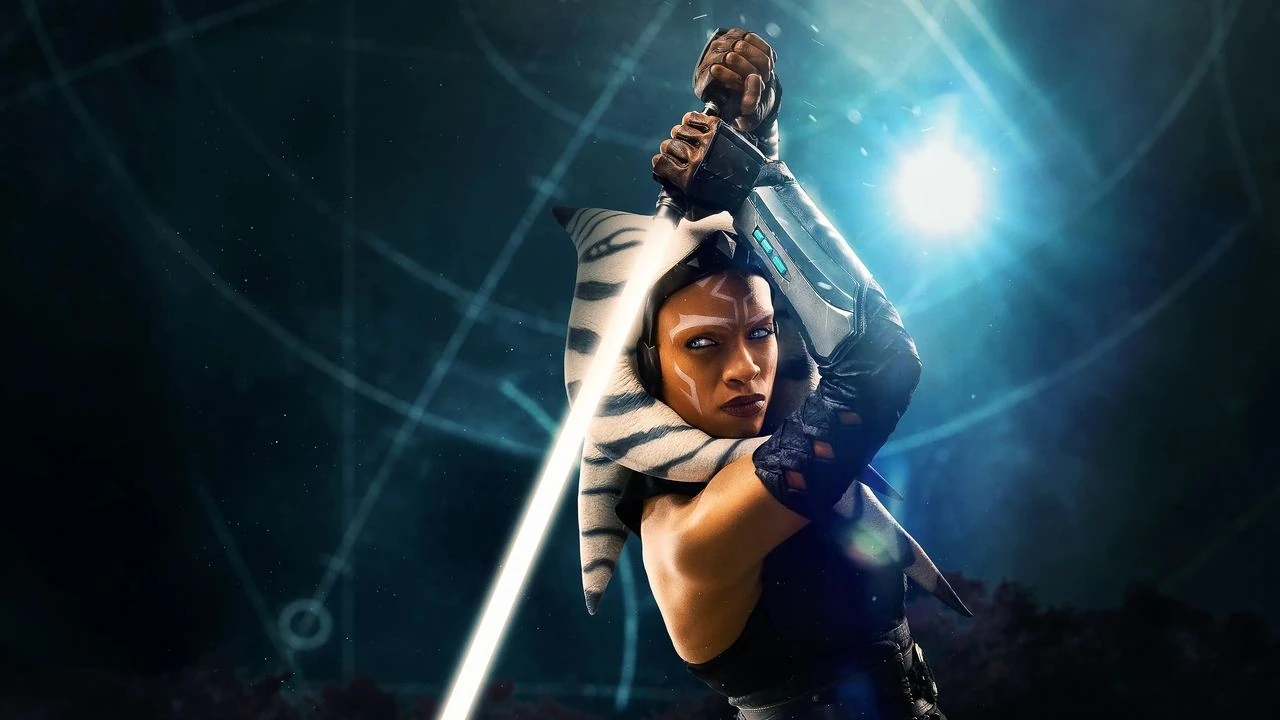 Ahsoka Tano, a warrior of quiet resolve, stands as a bridge between a fractured past and an uncertain future.
Navigating the Grey: What Works, What Wobbles, and the Wisdom of Baylan Skoll
While Ahsoka offered moments of breathtaking visual artistry and undeniably powerful character beats, its reception was a microcosm of its own thematic tensions—a struggle between ambition and execution. Many reviews, particularly on platforms like Rotten Tomatoes and Metacritic, highlighted the series’ uneven pacing as a significant detractor. Episodes often felt stretched, with long stretches of quiet reflection that, while aiming for gravitas, sometimes tipped into sluggishness. The dialogue, too, drew criticism for being occasionally exposition-heavy or lacking the sharp wit found in other Star Wars entries. These narrative wobbles are legitimate concerns for any episodic drama, threatening to disengage viewers who aren’t deeply invested in every nuance of the lore.
The true test of a journey isn’t just the destination, but the wisdom gleaned from the detours and the strength found in the struggle.
Yet, even amidst these structural criticisms, the performances, particularly from Rosario Dawson and the late Ray Stevenson as Baylan Skoll, shone through as undeniable strengths. Stevenson’s portrayal of Baylan was consistently praised for its gravitas and moral ambiguity. Baylan isn’t a cartoon villain; he’s a disillusioned former Jedi, seeking to break the cycle of light and dark, a character wrestling with a profound sense of cosmic fatigue. His quest for “more than power,” for an ultimate truth beyond the endless conflict, injects a potent existential dread into the series. He challenges the very foundations of the Jedi-Sith dichotomy, suggesting that both sides are merely two halves of a broken whole. This philosophical depth in his character arc is arguably the series’ most compelling contribution, pushing the boundaries of Star Wars morality beyond simple black and white. It’s a powerful testament to how a well-crafted character, even within a flawed narrative, can elevate the entire work and provoke genuine philosophical inquiry into the nature of good, evil, and the pursuit of meaning.
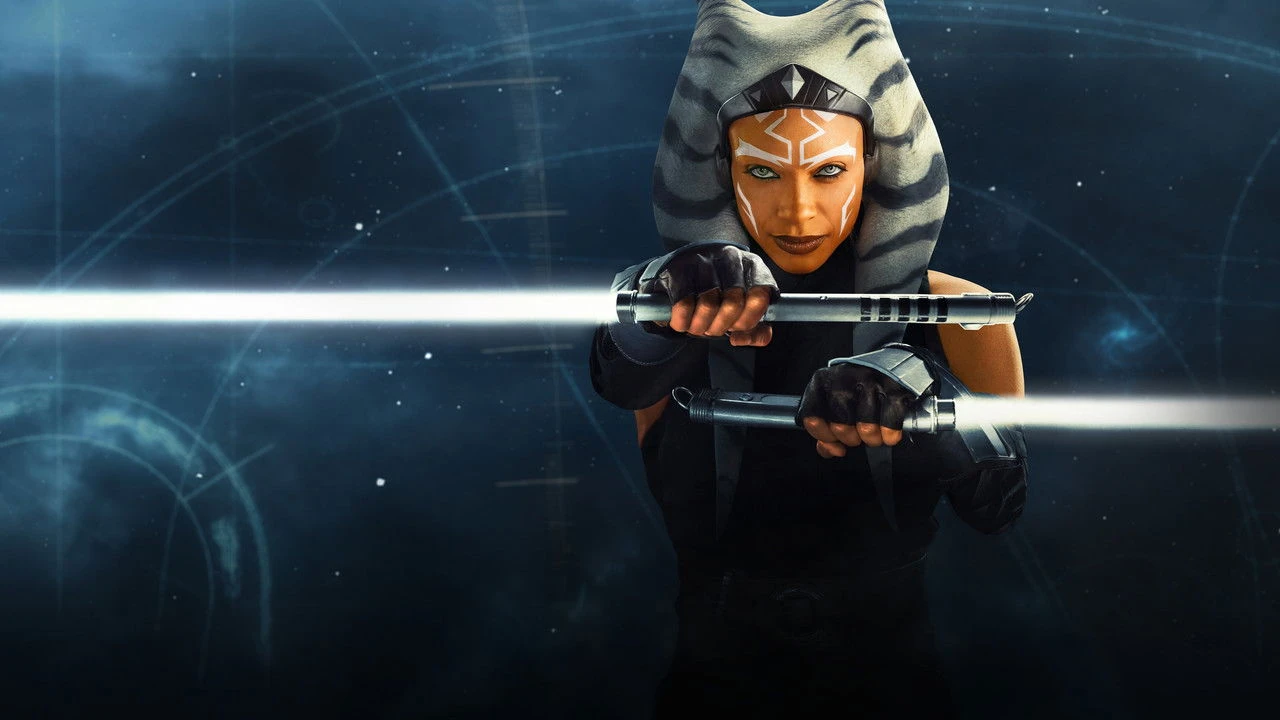 Baylan Skoll, a figure of compelling darkness and philosophical searching, stands in quiet contemplation amidst an alien landscape.
A Galaxy of Echoes: Beyond the Surface of Myth and Meaning
Beyond the often-debated plot points and narrative rhythm, Ahsoka dares to delve into metaphysical territory that is genuinely thought-provoking, even if sometimes opaque. The exploration of the World Between Worlds, a nexus of time and space, and the concept of “the Force beyond the known galaxy,” pushes the boundaries of traditional Star Wars lore into more abstract philosophical realms. It suggests that the Force is not merely a power source or a mystical energy field, but a living, evolving consciousness, perhaps even a form of cosmic will that guides certain destinies. This is where Ahsoka truly leans into its speculative fiction roots, prompting viewers to consider the nature of reality itself, the interconnectedness of all things, and whether our individual choices are truly our own or part of a grander, preordained design.
The series, despite its narrative stumbles, effectively uses the expansive canvas of the Star Wars universe to ask fundamental questions about identity in the face of grand narratives. Ahsoka, Sabine, and even Baylan are all grappling with who they are after the big war, after the defining conflict. What happens when the clear-cut enemy is gone, or when the guiding philosophy of your life has been shattered? This is an existential crisis for an entire galaxy, mirrored in the personal crises of its characters. It’s about finding individual purpose and forging a new identity when the old myths and structures have proven inadequate. The series posits that perhaps the greatest battles aren’t fought with lightsabers, but within the quiet chambers of the soul, against the shadows of doubt and the echoes of a glorious, yet flawed, past.
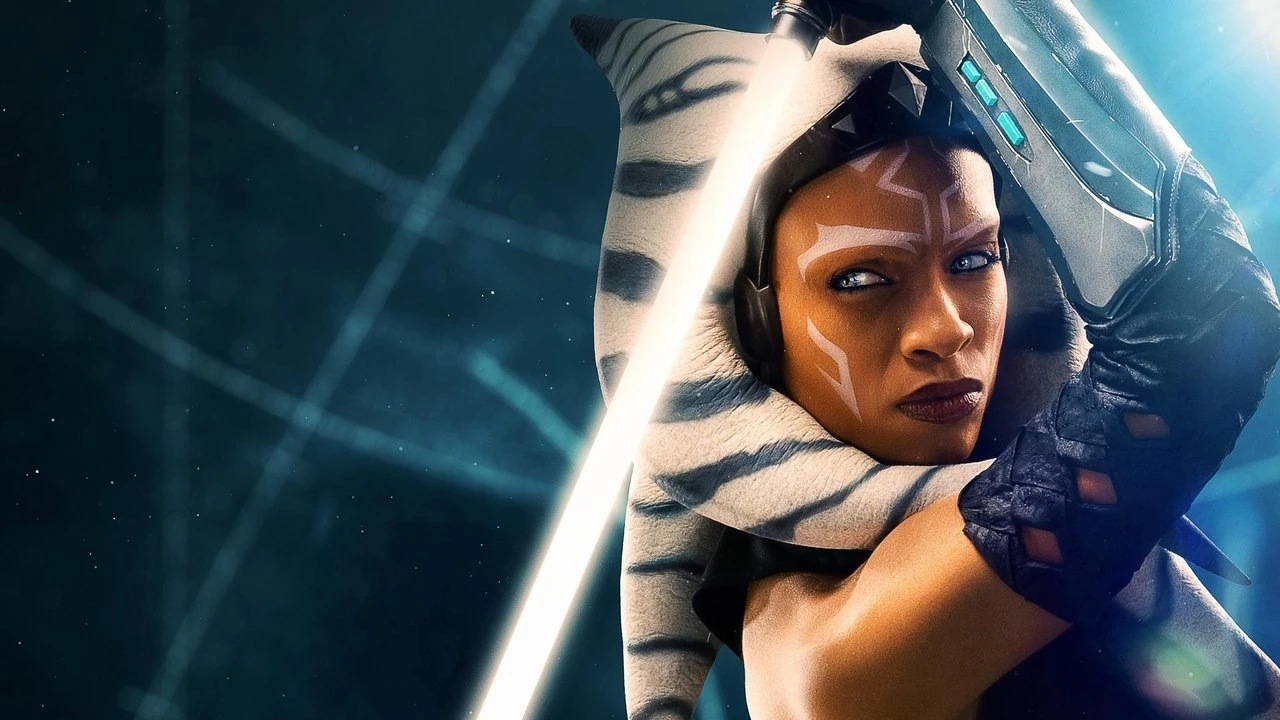 Ahsoka and Sabine, two figures bound by mentorship and shared destiny, stand as a testament to the enduring search for purpose.
“The true legacy of any civilization, or any individual, is not found in the monuments they erect, but in the questions they leave reverberating through time.”
Ahsoka is a series that undeniably suffered from a divisive reception, largely due to its pacing and its deep dive into niche lore, which alienated some viewers. Yet, to dismiss it purely on these grounds would be to overlook its genuine philosophical ambition. It is a series that grapples with monumental themes of legacy, mentorship, disillusionment, and the arduous search for meaning in a post-ideological landscape. It forces us to confront the uncomfortable truth that even our heroes are flawed, and that the paths to redemption or self-discovery are rarely straightforward. While it may not be a perfect piece of storytelling, Ahsoka offers a rich tapestry for reflection, prompting us to ask: What do we truly owe to the past, and how do we bravely step into an unknown future, even when the stars offer no clear guidance?
Where to Watch
- Disney Plus
What’s Up? explores the philosophical depths of cinema.