Ambulance - The Bayhem, The Brotherhood, and The Burden of Desperation
Exploring Michael Bay's Ambulance, a film often criticized for its excess but which, beneath the Bayhem, offers a raw look at desperation, brotherhood, and the crushing weight of societal failure.
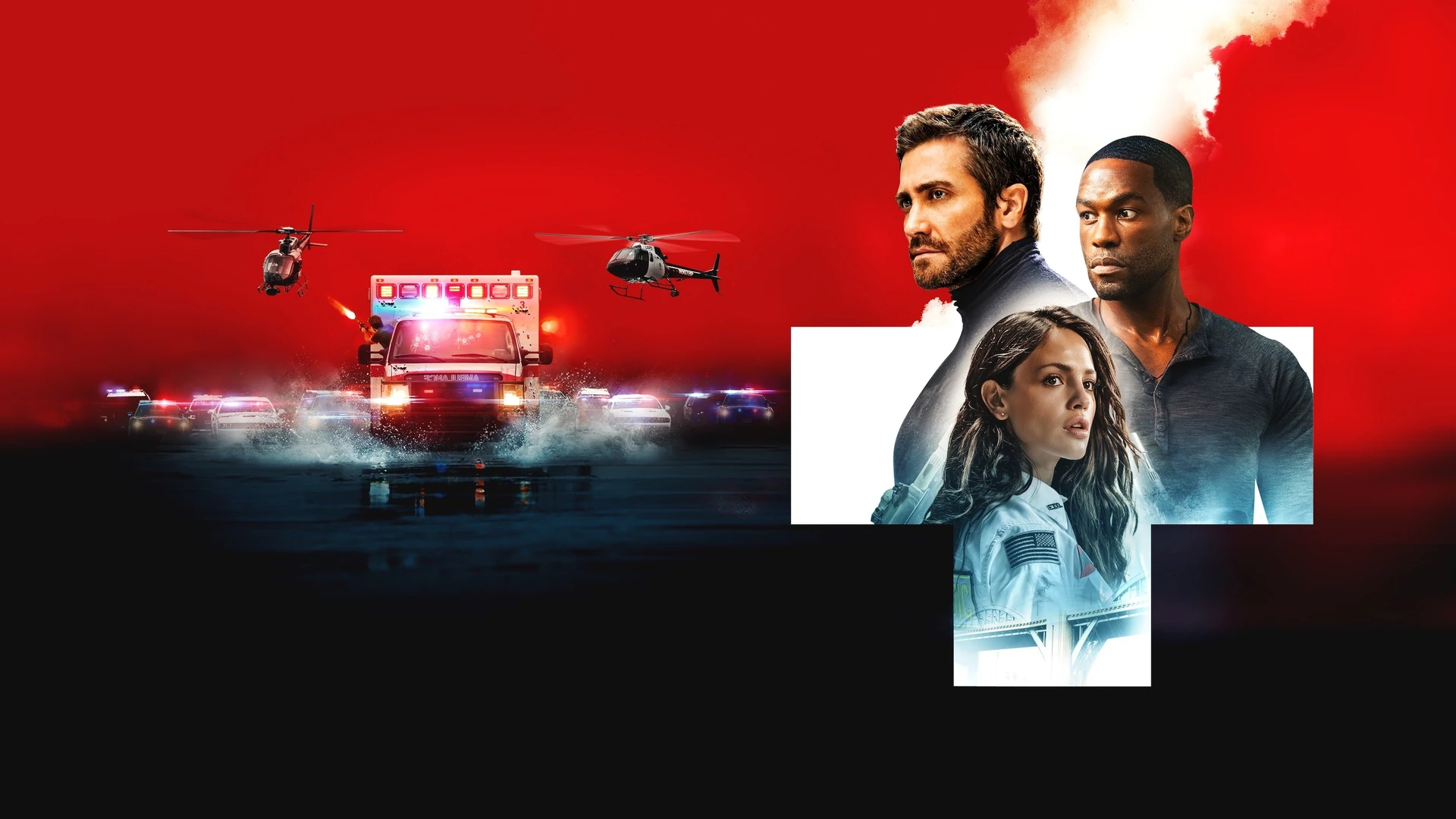
“Chaos is a ladder.” — Petyr Baelish, Game of Thrones
Michael Bay’s Ambulance (2022) is, in many ways, exactly what you’d expect from the auteur of cinematic explosions and relentless motion. It’s a two-hour-plus adrenaline shot, a cacophony of sirens, gunfire, and drone shots that sweep and dive with dizzying abandon. When it hit theaters, critics were, predictably, divided. While Rotten Tomatoes gives it a decent 68%, many reviews, like those aggregated on Metacritic (55/100), acknowledged its propulsive energy but often lamented its chaotic editing, thin character development, and general over-the-top nature. Yet, beneath the relentless “Bayhem”—a term coined to describe Bay’s signature style—I can’t help but feel there’s a raw, almost accidental philosophical pulse beating at its core. It’s a film that demands you grapple with its excess, but also, surprisingly, with the existential weight of its characters’ predicament.
The Crushing Weight of Modern Desperation
The premise of Ambulance is disarmingly simple, even if its execution is anything but. Decorated veteran Will Sharp (Yahya Abdul-Mateen II), desperate for money to save his wife from mounting medical bills, turns to his adoptive brother, Danny (Jake Gyllenhaal), a charismatic career criminal. What starts as a request for a loan quickly escalates into a full-blown bank heist, the largest in Los Angeles history. This foundational conflict immediately plunges us into a deeply uncomfortable, yet all too real, ethical dilemma: What are you willing to do when the system designed to protect you actively fails?
Critics often pointed to the plot as a mere vehicle for the action, and in many respects, they’re right. The motivations are broad strokes, the solutions less about cunning and more about sheer force. But to dismiss Will’s initial desperation is to ignore the film’s most poignant, if underdeveloped, commentary. It’s a visceral depiction of the economic anxiety that can push a good man to truly desperate measures. Will isn’t seeking glory or even just wealth; he’s trying to keep his family intact, to afford the basic human right of healthcare. This isn’t just a plot device; it’s a mirror reflecting a very real societal failing, forcing us to confront the question: how many others, pushed to the brink by systemic inequities, might consider crossing lines they swore they never would?
- Economic Anxiety — the invisible hand pushing characters towards moral compromise.
- Systemic Failure — the societal backdrop that legitimizes Will’s desperate plea.
- Moral Compromise — the terrifying descent into criminality, not out of malice, but necessity.
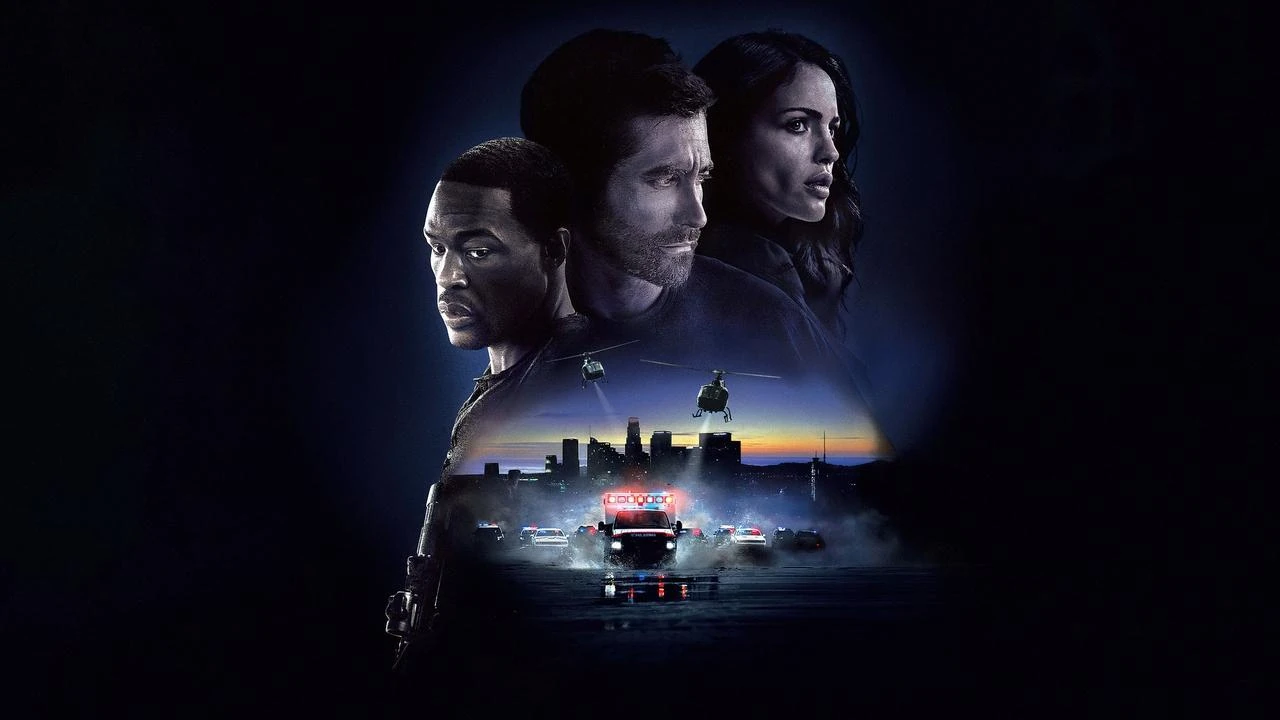 The intense gaze of a man pushed to his limits, contemplating irreversible choices.
Brotherhood in a Burning City: Spectacle vs. Substance
Once the heist goes spectacularly wrong, the film truly shifts into overdrive, becoming a prolonged, high-speed chase through the labyrinthine streets of Los Angeles. Will and Danny, along with the unwilling paramedic Cam Thompson (Eiza González) and a critically wounded police officer, find themselves trapped in an ambulance, pursued by virtually every law enforcement agency in the city. This is where Bay’s directorial style takes center stage: drones soar through impossibly tight spaces, cars explode, and the sense of controlled chaos is overwhelming.
Many viewers, and critics, were exhausted by the relentless pacing. The film rarely slows down, offering little reprieve from the sensory onslaught. Some praised the practical stunts and the sheer audacity of the action sequences, finding them exhilarating. Others, however, felt the constant motion and frenetic editing detracted from any potential emotional impact, making the characters feel like pawns in a very loud, very expensive video game. Indeed, the film’s biggest criticism often revolved around its inability to fully commit to its characters amidst the destruction. Jake Gyllenhaal’s Danny is a force of nature, charismatic and dangerous, yet his “bad guy with a code” trope feels familiar. Yahya Abdul-Mateen II brings a quiet desperation to Will, but his arc is largely reactive.
The spectacle of Ambulance isn’t just about explosions; it’s about the relentless, unyielding pressure of circumstances, a chaotic externalization of internal turmoil.
Yet, it’s within this maelstrom that the film attempts to explore the complex bonds of brotherhood. Danny, for all his criminality, genuinely seems to love Will, offering him a lifeline (albeit a dangerous one) when no one else would. Their dynamic, fraught with tension and conflicting loyalties, asks us to consider the limits of familial obligation and the blurred lines between right and wrong when loyalty is pitted against legality. The film suggests that even in the most extreme circumstances, human connection—however twisted—can persist, offering moments of surprising vulnerability amidst the explosions.
 An ambulance, a symbol of help, becomes a cage and a weapon in the urban sprawl.
The Philosophical Pulse Beneath the Sirens
Beyond the car crashes and the Bayhem, Ambulance nudges us toward some deeper, perhaps unintentional, reflections. It’s a study in decision paralysis under duress and the cascading consequences of a single desperate choice. Will’s initial decision sets off a chain reaction that traps him, Danny, and innocent bystanders in a spiraling nightmare. Each subsequent choice, made under intense pressure, only tightens the noose, highlighting the terrifying reality that sometimes, there’s no going back, only forward into deeper chaos.
The film also inadvertently touches upon themes of moral relativity. In the chaos, who is truly good, and who is truly evil? The bank robbers are sympathetic, the cops are often outmaneuvered or act with questionable judgment, and the line between hero and villain blurs completely. Paramedic Cam, initially a captive, finds herself forced into morally ambiguous medical procedures to save lives, highlighting the ethical dilemmas that arise when rules break down. It’s a raw, unfiltered look at human beings pushed past their breaking points, forced to improvise and adapt in a world that has suddenly ceased to make sense. Ambulance doesn’t offer easy answers; it simply presents the chaotic aftermath of bad choices and systemic failures, leaving us to ponder the uncomfortable questions about culpability and redemption.
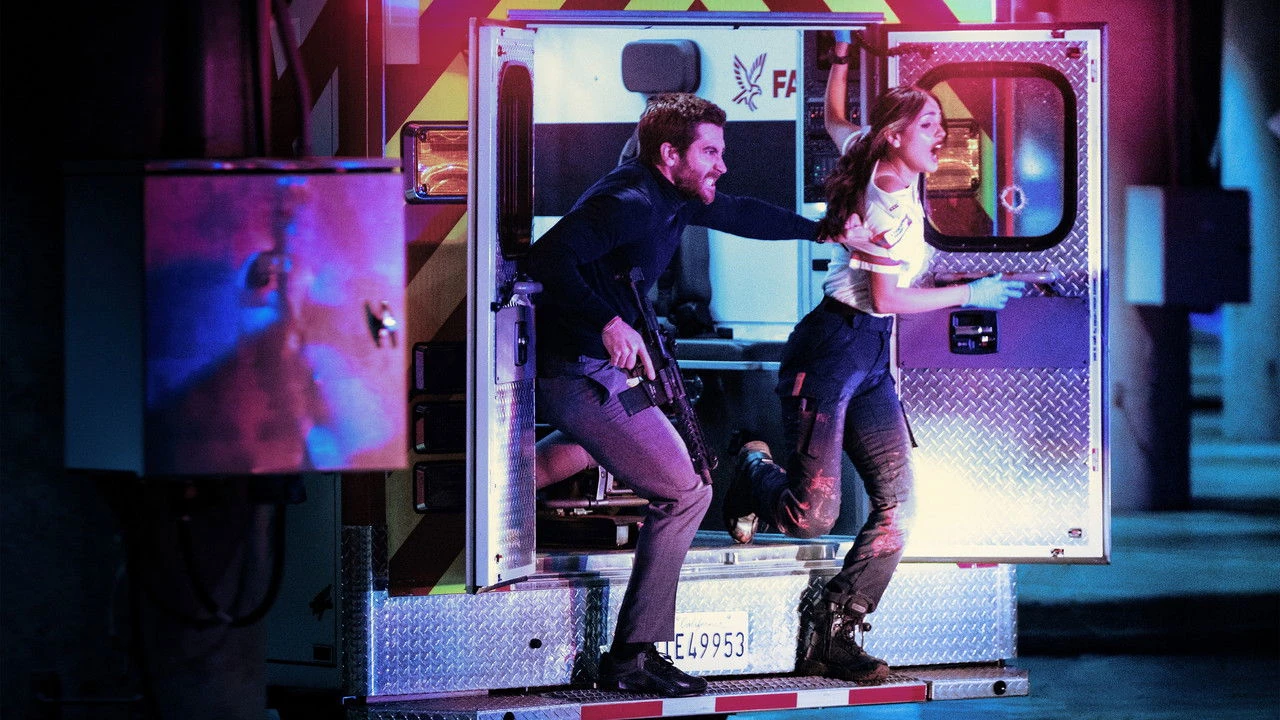 The chaotic beauty of downtown Los Angeles, a concrete jungle turned battleground.
“Sometimes you have to choose between a terrible choice and an impossible one.” — Unknown
While Ambulance might not go down in history as a philosophical masterpiece, and its excesses certainly won’t appeal to everyone, it’s more than just a loud action movie. It’s a visceral experience that, despite its flaws and the critical reception, forces us to confront uncomfortable truths about desperation, brotherhood, and the societal pressures that can push ordinary people into extraordinary, terrifying circumstances. It’s a loud, messy, exhilarating reflection on the choices we make when our backs are against the wall and the world around us is literally exploding.
What does it truly mean to do the “right” thing when all your options are wrong?
Where to Watch
- Netflix
- Netflix Standard with Ads
What’s Up? explores the philosophical depths of cinema.