The Unsung Rebellion: Andor's Existential Grit
Andor strips away the fantasy to reveal the brutal, bureaucratic machinery of tyranny and the quiet, desperate courage of those who fight it.
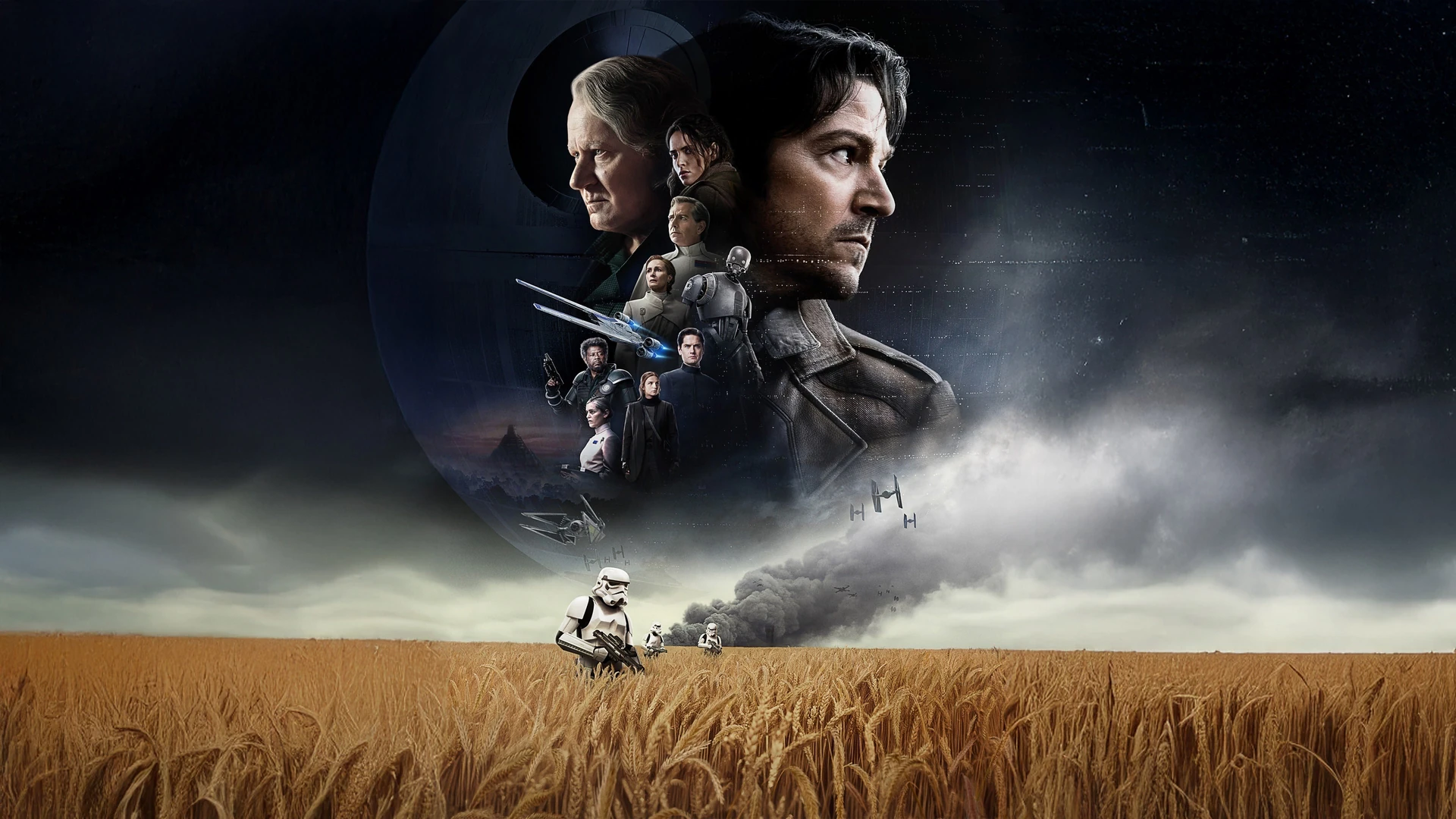
“The most potent weapon against an oppressor is the awakened mind of the oppressed.” — Steve Biko
It’s rare for a prequel to not just justify its existence, but to redefine the very essence of its beloved universe. Andor (2022), the Disney+ series chronicling the origins of Cassian Andor, achieved just that, though not without its initial hurdles. When it premiered, some audiences and critics, accustomed to the flashier, more immediate gratification of other Star Wars offerings, found its slow, deliberate pace a point of contention. Rotten Tomatoes, while ultimately awarding it a near-perfect 96% “Certified Fresh” score, and Metacritic a “universal acclaim” Metascore of 79, still saw early user reviews grapple with its perceived lack of traditional Star Wars spectacle. Yet, it’s precisely in this unhurried, grounded approach that Andor unveils its profound philosophical depth, peeling back the layers of space opera to expose the grim, granular reality of tyranny and the existential burden of resistance.
The Bureaucracy of Evil: A Mundane Dystopia
What struck me most about Andor wasn’t its action sequences—though they are taut and impactful—but its unwavering gaze into the mundane, insidious machinery of the Galactic Empire. This isn’t the Empire of faceless, bumbling stormtroopers or cartoonishly evil Sith Lords. It’s an Empire built on paperwork, surveillance, petty power struggles, and the chilling normalization of oppression. We see citizens meticulously cataloging every item, waiting in long queues, their lives micromanaged by an indifferent, omnipresent authority. This bureaucratic monster, far from the dramatic spectacle of a Death Star, is a more terrifying manifestation of dystopia because it’s so relatable, so real.
The series, particularly in its early arcs, delves into how such a system dehumanizes not just the oppressed, but also its enforcers. Dedra Meero, an ambitious Imperial Security Bureau officer, isn’t driven by grand evil, but by a careerist desire for recognition within a rigid structure, inadvertently becoming a chilling symbol of the banality of evil. Her meticulous investigation, the slow tightening of the net, reflects Hannah Arendt’s chilling observation that evil often manifests not as radical monstrosity, but as a lack of thought, a thoughtlessness that enables profound wrongdoing. This nuanced portrayal challenged the simplistic morality often found in genre fiction.
- Systemic Oppression — not just charismatic villains, but the pervasive, mundane structures of control.
- Dehumanization — how bureaucracy strips away individual agency and identity.
- The Banality of Evil — ambition and conformity as catalysts for cruelty.
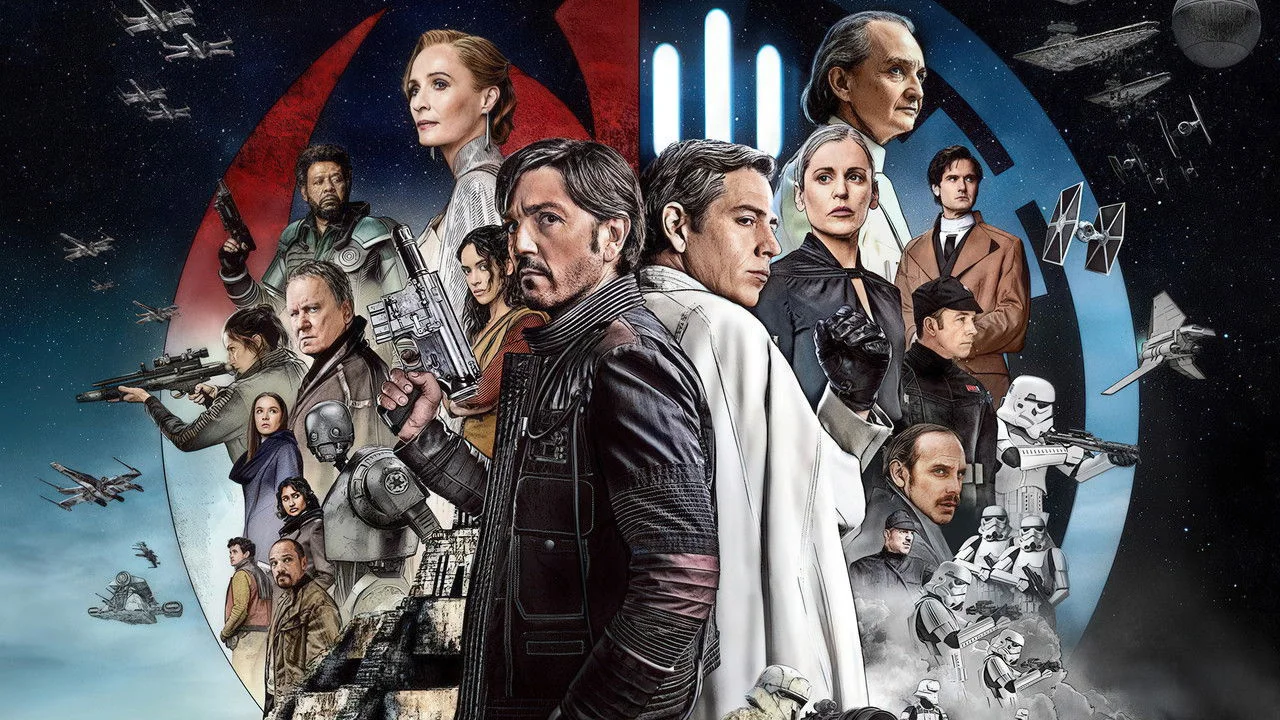 Cassian Andor navigating the suffocating weight of Imperial surveillance
The Slow Burn and the Spark of Rebellion
Critics and audiences alike were initially divided on Andor’s pacing. Some, craving immediate action, found the initial episodes of Cassian’s story slow, focusing on his survival as a petty thief rather than a burgeoning hero. But this “slow burn” is, in retrospect, its greatest strength, serving a crucial philosophical purpose. It allows us to witness the incremental erosion of freedom, the small indignities and injustices that accumulate until they become unbearable. We see Cassian, played with raw, weary intensity by Diego Luna, not as a chosen one, but as a man pushed to his breaking point by circumstances he can no longer ignore.
The series argues that rebellion doesn’t begin with a grand manifesto or a heroic declaration, but with the quiet, desperate acts of individuals. It’s the moment when a person, like Cassian, realizes they have nothing left to lose, or when someone like Luthen Rael understands the profound personal sacrifices required to ignite a movement. The slow build-up to the Aldhani heist, a pivotal moment in the series, is a masterclass in tension and character development, showing the sheer difficulty and terrifying stakes of challenging an entrenched power.
True courage isn’t born in the face of certain victory, but in the grim, quiet resolve to fight against overwhelming odds, knowing the cost might be everything.
What works so well is how the show grounds its grand narrative in intimate, personal stakes. The dialogue, often overlooked in Star Wars for its spectacle, here became its backbone, particularly in monologues like Luthen’s powerful speech about the sacrifices made for the cause. It’s a brutal, honest assessment of what revolution demands, challenging viewers to consider the ethical tightropes walked by those who fight for a greater good. This deep dive into the ethics of resistance and the psychology of a revolutionary makes Andor a compelling study, even if its deliberate pace isn’t for everyone.
 The quiet desperation and simmering defiance in Cassian’s eyes
The Cost of Freedom and the Birth of a Hero
Andor is unflinching in depicting the brutal cost of freedom. There are no easy victories, no clean escapes. Every act of defiance has severe, often tragic, repercussions. The prison arc, in particular, is a harrowing exploration of forced labor and psychological oppression, illustrating how the Empire grinds down the human spirit. Yet, it’s precisely within these dark confines that we witness the nascent stages of organized resistance, born from shared suffering and the recognition of a common enemy. The sequence where the prisoners work together, driven by a desperate, shared purpose, is a powerful testament to the resilience of the human spirit.
The philosophical questions it raises are profound: What makes a hero? Is it innate goodness, or the crucible of circumstance? Andor suggests it’s the latter. Cassian isn’t inherently noble; he’s cynical, a survivor, shaped by trauma. His journey is one of awakening, a gradual shedding of self-interest for a greater cause. It’s a compelling argument for the transformative power of experience, and how ordinary people, pushed to the brink, can become extraordinary agents of change. The series doesn’t romanticize rebellion; it portrays it as messy, dangerous, and morally ambiguous, forcing characters and viewers alike to confront the difficult choices inherent in fighting a tyrannical regime.
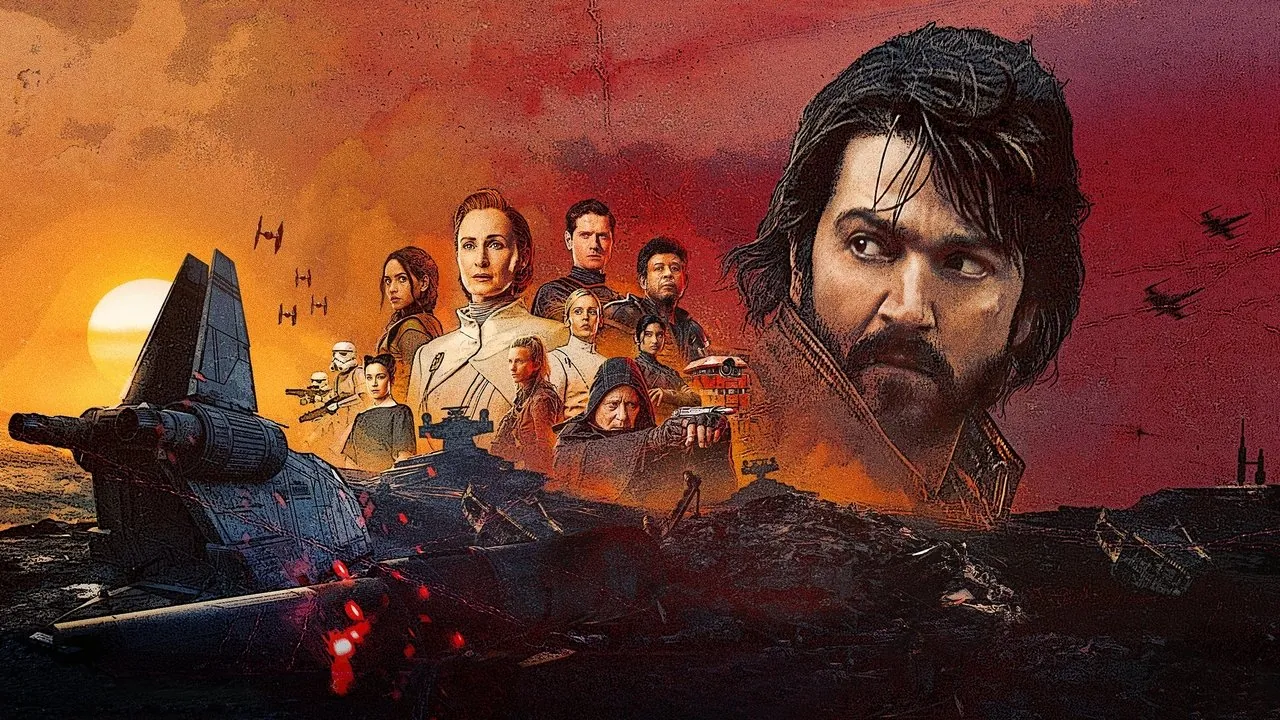 The collective will of the oppressed finding its voice in the darkness
The gravest peril of any oppressive system isn’t merely the suffering it inflicts, but its insidious capacity to normalize injustice, making silence seem like the only rational choice until the very air becomes suffocating.
Andor doesn’t just tell a story; it asks us to grapple with uncomfortable truths about power, resistance, and the human condition. While some may initially find its methodical pacing challenging, those who commit to its journey will discover a nuanced, intellectually stimulating narrative that strips away the fantasy trappings of its universe to reveal a stark, existential struggle for autonomy and meaning. It’s a reminder that even in the darkest of times, the spark of rebellion, however small, can ignite a revolution, often in the most unexpected places. What does it mean to stand up when standing up feels impossible? Andor offers a sobering, yet ultimately hopeful, answer.
Where to Watch
- Disney Plus
What’s Up? explores the philosophical depths of cinema.