Arcane's Dual Cities: A Philosophical Descent into the Heart of Conflict
Exploring the philosophical depths of Arcane, from its stunning animation to its nuanced portrayal of class, trauma, and the cycles of violence that define its dual cities.
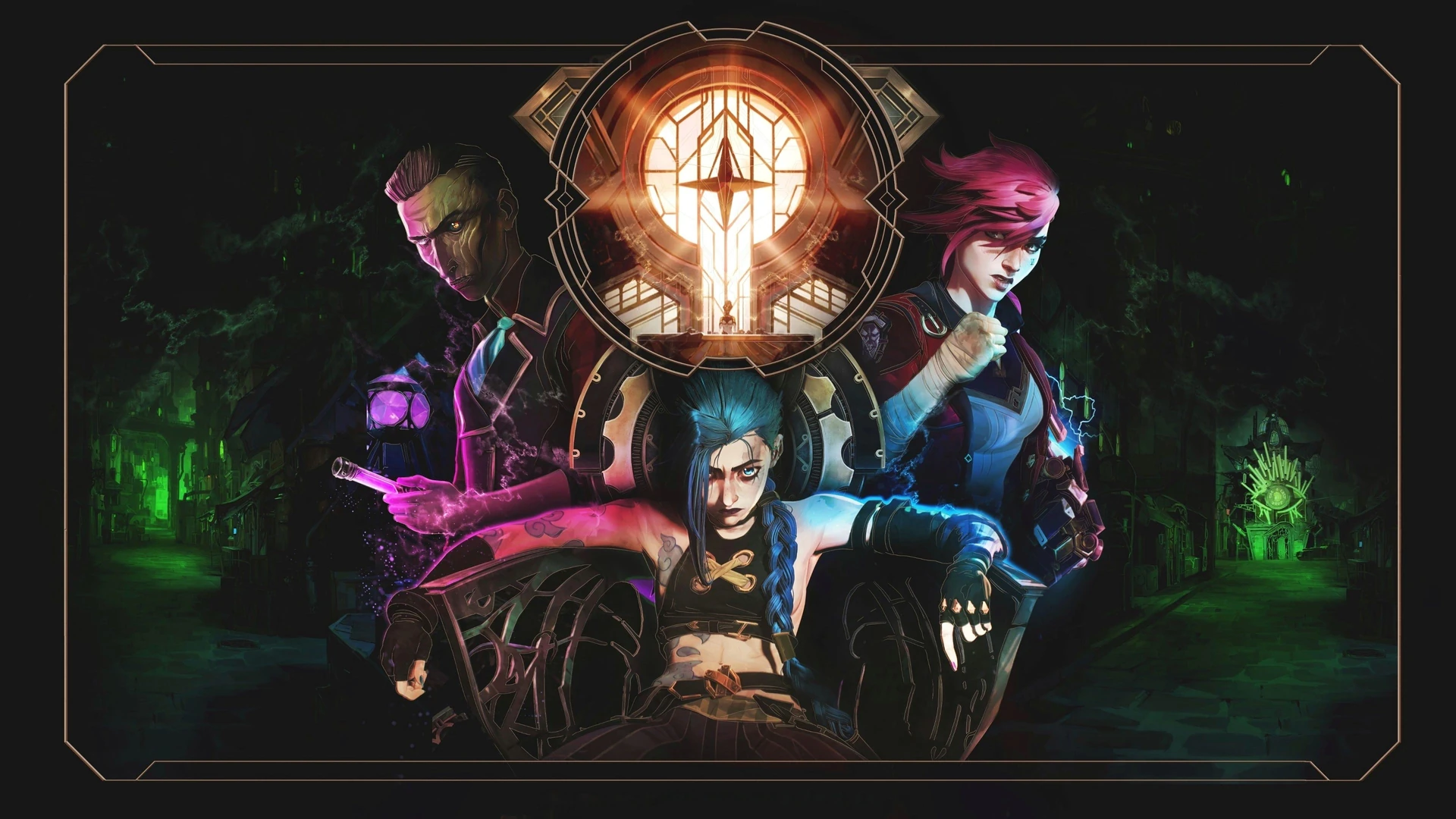
“Every man has two countries, his own and France.” — Thomas Jefferson
While Jefferson wasn’t talking about the twin cities of Piltover and Zaun, his sentiment echoes the profound duality Arcane so masterfully, and often brutally, illustrates. Released in 2021, this animated TV series, originally titled Arcane: League of Legends, didn’t just adapt a beloved video game; it transcended its source material to become a bona fide cultural phenomenon. Critics lauded it, with a near-perfect 100% on Rotten Tomatoes and universal acclaim on Metacritic, praising its breathtaking animation, intricate world-building, and mature storytelling. Yet, to simply call Arcane a “success” feels insufficient. It’s more than that. It’s a gut punch, a visually stunning meditation on the cycles of violence, the crushing weight of systemic inequality, and the agonizing choices that forge — or shatter — identity. It’s a show that dares to be beautiful while simultaneously being profoundly tragic, forcing us to confront the uncomfortable truths lurking beneath its polished surface.
The Inescapable Weight of Two Worlds
Arcane posits a world sharply divided: the opulent, technologically advanced utopia of Piltover, gleaming with hextech innovation, and the perpetually shadowed, chemically-scarred undercity of Zaun, a crucible of desperation and volatile genius. This isn’t just a backdrop; it’s the very philosophical bedrock of the series. The show doesn’t shy away from depicting the inherent injustice of this arrangement, a clear allegory for real-world class disparity and colonial exploitation. Piltover’s prosperity is built, quite literally, on the backs and resources of Zaun, fostering a simmering resentment that inevitably boils over.
The brilliance here, and perhaps where some might find its “flaw” – not in execution but in its unflinching depiction – is that it offers no easy villains or heroes. Everyone, from the idealistic inventor Jayce to the ruthless crime lord Silco, is trapped within this system, striving for what they believe is right, or at least necessary, within their constrained circumstances. This creates an ethical quandary for the audience, forcing us to empathize with characters whose actions might otherwise be deplorable. The world of Arcane suggests that the environment shapes the individual to an almost deterministic degree, making true freedom a scarce, almost mythical commodity.
- Systemic Injustice: The inherent imbalance between Piltover and Zaun is not a plot device, but a living, breathing character in itself, dictating fates.
- Moral Ambiguity: Characters operate in shades of grey, driven by understandable motives even when their methods are destructive.
- Determinism vs. Free Will: To what extent are Vi and Jinx products of their environment, and how much agency do they truly possess?
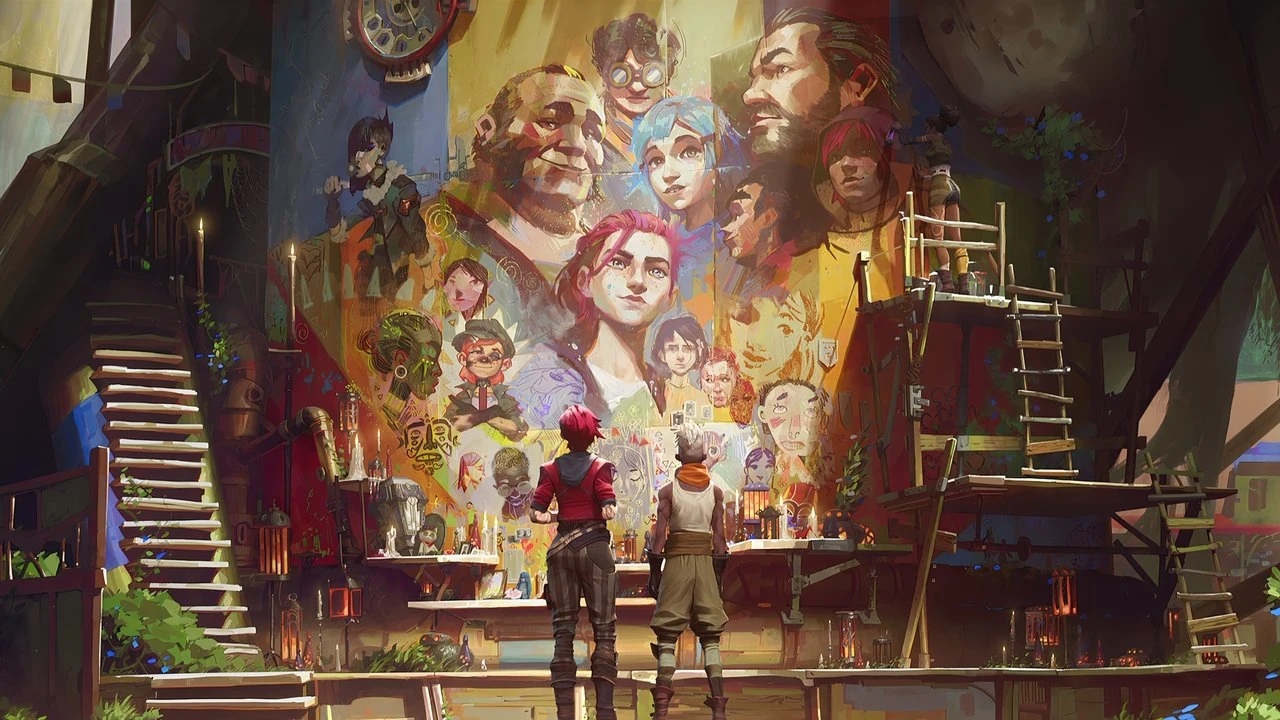 A striking image of the Piltover skyline, illustrating its stark contrast with the unseen Zaun below
The Alchemy of Trauma and Transformation
The narrative heart of Arcane beats strongest in the agonizing journey of its central sisters, Vi and Powder (who becomes Jinx). Their story is a harrowing exploration of identity formation under extreme duress. Critics universally praised the depth of their character arcs, a testament to the show’s nuanced writing. What “works” so spectacularly here is the show’s willingness to delve into the psychological scars left by trauma, and how these wounds can warp a person’s entire being. Powder’s transformation into Jinx isn’t a sudden, cartoonish villain turn; it’s a slow, agonizing descent into madness, fueled by abandonment, perceived betrayal, and the toxic influence of Silco.
The real tragedy isn’t just what happens to us, but what we become in its aftermath, often an echo of the very pain we sought to escape.
This exploration of trauma is where Arcane truly shines as a philosophical work. It asks whether we can ever truly escape our past, or if certain experiences are so formative they become an indelible part of our essence. Jinx’s struggle isn’t merely with Vi, but with the ghost of Powder, a constant internal conflict that manifests in hallucinations and self-destructive behavior. Vi, too, carries her own burdens of guilt and responsibility, forever trying to mend what seems irrevocably broken. The show challenges us to consider the nature of evil – is it innate, or is it a byproduct of circumstance and profound psychological damage? Arcane leans heavily towards the latter, presenting a compelling, if heartbreaking, argument for the environmental shaping of the self.
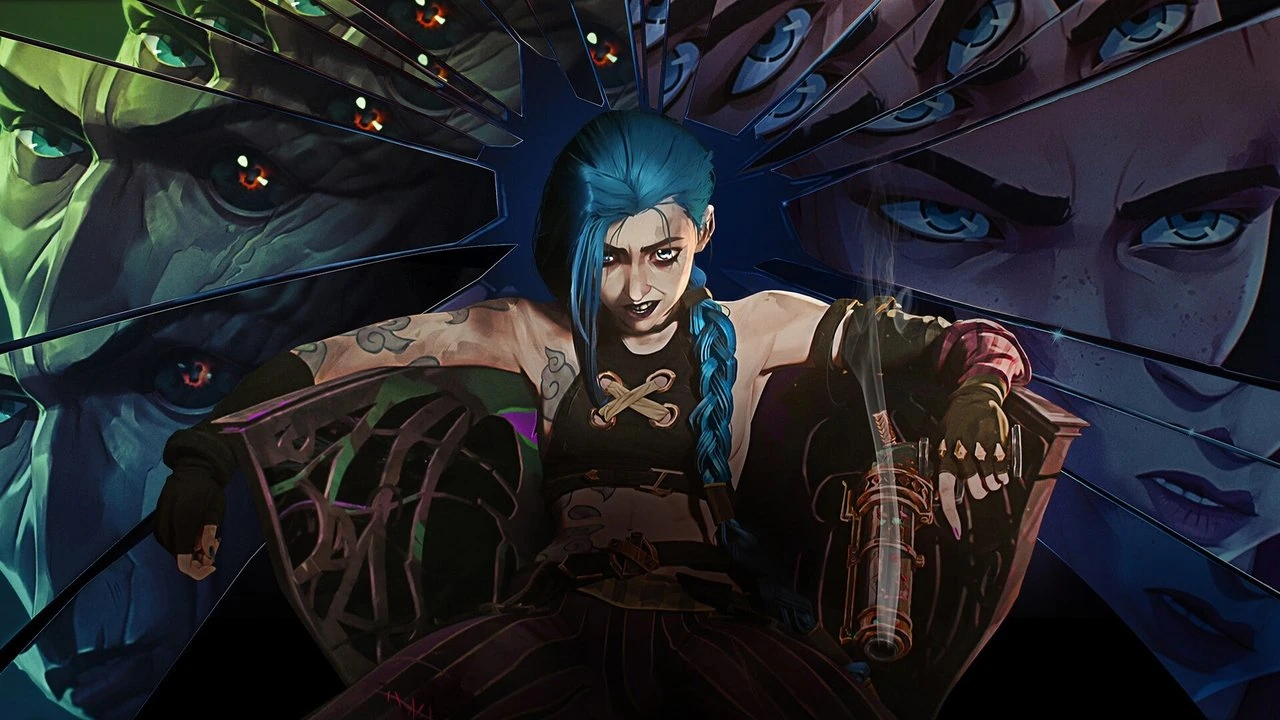 Jinx’s iconic blue braids and intense gaze, reflecting her fractured psyche
Beyond the Surface: The Existential Echoes
Beneath the stunning animation and pulse-pounding action, Arcane grapples with deeply existential questions. It’s a story steeped in loss, not just of loved ones, but of innocence, of ideals, and of the possibility for a truly peaceful coexistence. The constant cycle of violence, where every attempt at reconciliation is met with another act of aggression, forces us to question the very nature of progress. Does Piltover’s hextech advancement genuinely improve life, or does it merely exacerbate existing inequalities and create new weapons for an inevitable war?
The series masterfully uses its fantastical elements to ground these weighty themes. The “magic technologies” of hextech represent humanity’s relentless drive to innovate and control, but also its capacity for hubris and destruction. The “clashing convictions” between the cities and their inhabitants are not easily resolved because they stem from fundamental differences in lived experience and perceived justice. Arcane doesn’t offer pat answers; instead, it leaves us with the unsettling realization that some conflicts are so deeply rooted, so intertwined with identity and history, that a truly happy ending feels almost impossible. It’s a profound statement on the limits of empathy and the fragility of peace in a world built on historical grievances.
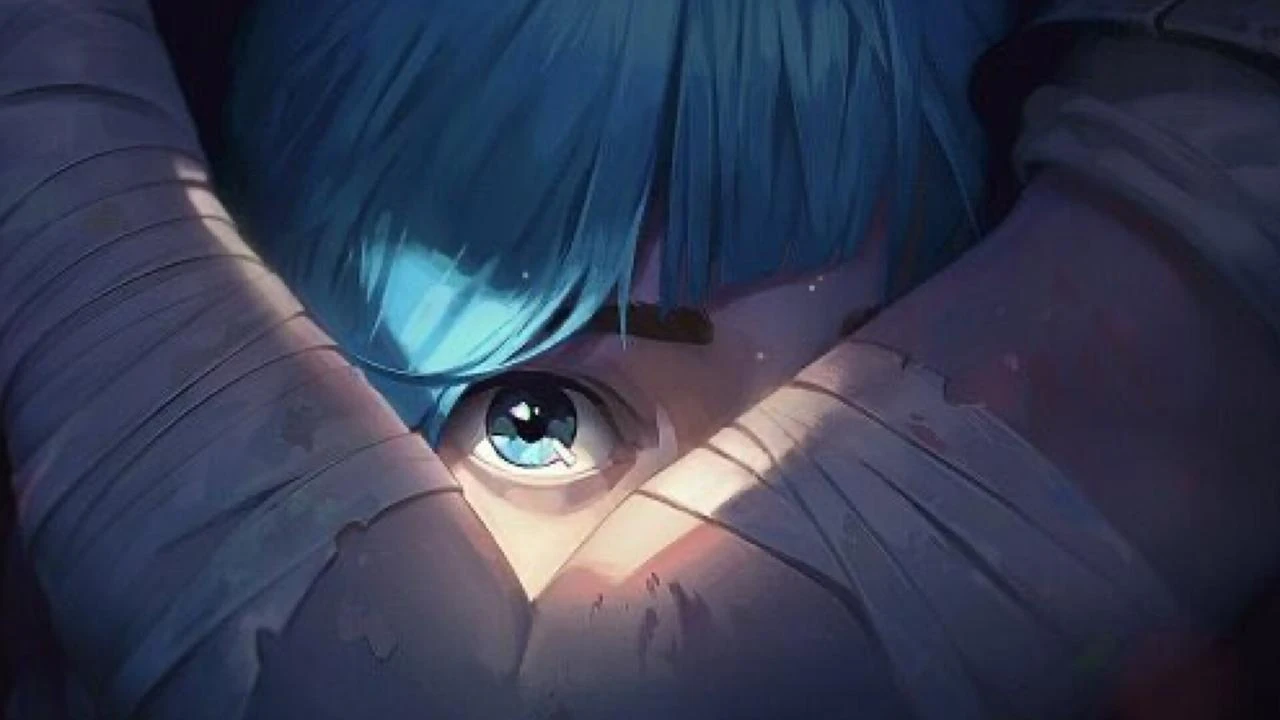 A poignant moment between Vi and Jinx, highlighting their strained sisterly bond
“The road to hell is paved with good intentions.” This ancient proverb finds a chilling, renewed resonance in Arcane, as every character’s desperate grasp for control or peace seems to only tighten the noose around the twin cities. The series is a stark, beautiful warning.
Arcane’s critical and audience adoration is undeniably well-earned. Its animation is revolutionary, its voice acting impeccable (Hailee Steinfeld and Ella Purnell are phenomenal), and its narrative is a masterclass in mature storytelling. Yet, its true philosophical value lies not just in its triumphs, but in the enduring, painful questions it forces us to confront. It’s a series that doesn’t just entertain; it challenges, it devastates, and it makes us reflect on the very real dichotomies and traumas that plague our own world. What does it cost to truly change the world, and are we willing to pay the price? Arcane suggests that the cost might be everything.
Where to Watch
- Netflix
- Netflix Standard with Ads
What’s Up? explores the philosophical depths of cinema.