The Unbearable Weight of the Recorded Past: Archive 81's Haunting Meditation on Memory and Truth
Exploring Netflix's Archive 81, a series praised for its atmosphere but criticized for its convoluted plot, through the lens of memory, truth, and responsibility.
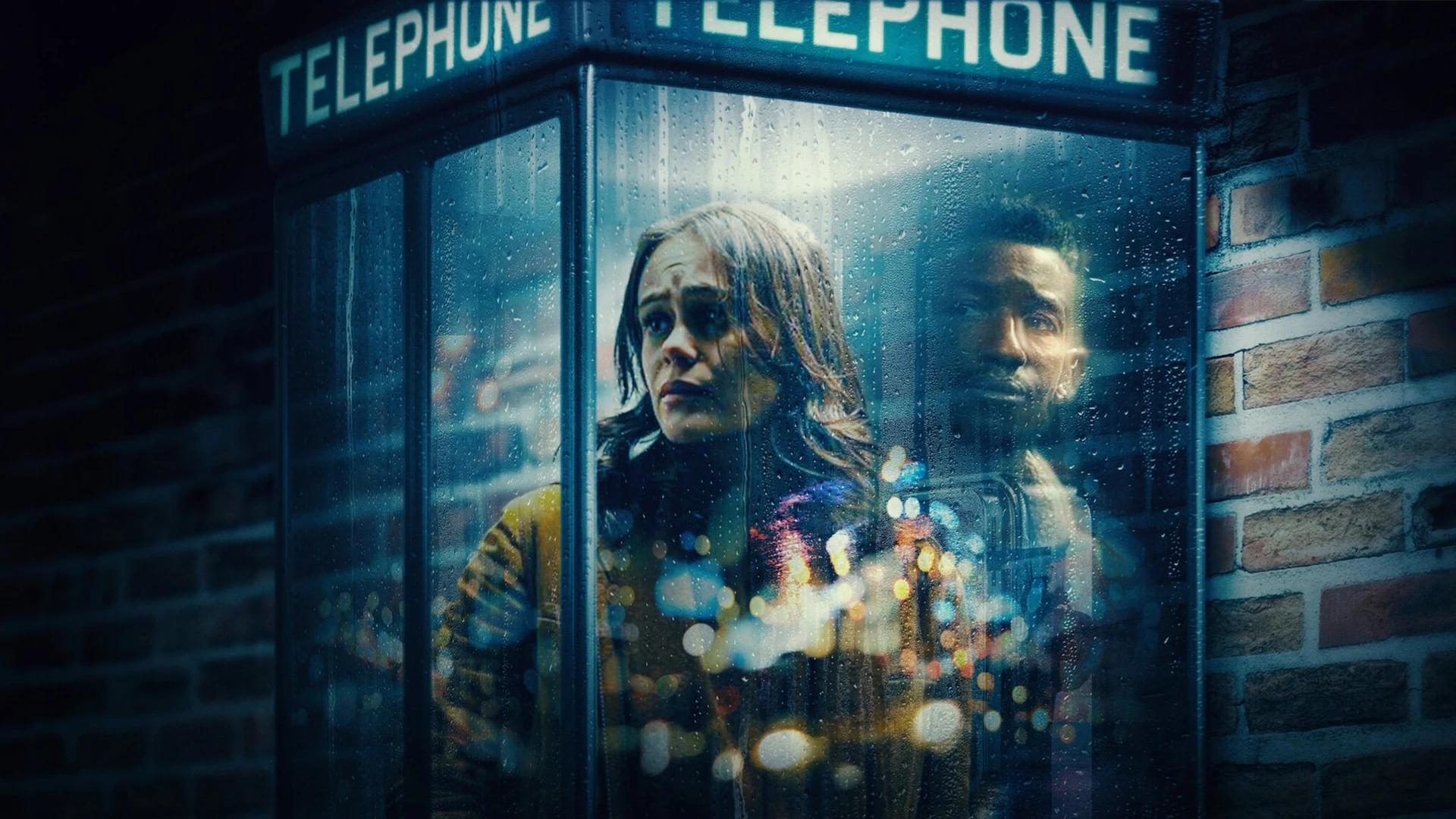
“The past is never dead. It’s not even past.” — William Faulkner
Netflix’s Archive 81, a curious genre blend of horror, mystery, and sci-fi, arrived in 2022 with a premise that immediately hooked many: a lone archivist tasked with restoring damaged videotapes who finds himself entangled in a terrifying, decades-old cult mystery. The series, running at a tight 60 minutes per episode, quickly garnered a buzz, securing an impressive 86% on Rotten Tomatoes from critics, who largely lauded its chilling atmosphere and unique narrative approach. Yet, the audience reception was a bit more fractured, landing at a 73% on RT and 7.4/10 on IMDb, reflecting a significant segment of viewers who found its intricate plot increasingly convoluted and its ending divisive, especially in the wake of its unfortunate cancellation. Despite its narrative stumbles and the frustration some felt with its conclusion, Archive 81 offers a rich, if imperfect, canvas for exploring profound philosophical questions about memory, truth, and the very nature of reality.
The Echoes of the Past: Memory, Trauma, and the Archive
At its core, Archive 81 is a show about the burden of history. Our protagonist, Dan Turner (Mamoudou Athie), is literally immersed in the past, meticulously piecing together fragments of life from a bygone era. His job isn’t just about technical restoration; it’s an act of archeology, unearthing lost narratives and forgotten voices. This immediately draws us to the philosophical concept of collective memory and how it’s shaped, preserved, and often distorted through media. The videotapes aren’t just recordings; they are conduits, portals to a past that refuses to stay buried.
Critics often praised the show’s slow-burn pacing and the way it built suspense, allowing viewers to sink into the eerie quiet of Dan’s isolated archive. However, this same deliberate pace was a point of contention for others, who felt the narrative dragged in places, particularly in the middle episodes, before its more frenetic conclusion. Regardless of one’s personal preference for pacing, the show powerfully illustrates how trauma, both personal and communal, can be encoded in physical objects and media. The tapes belonging to Melody Pendras (Dina Shihabi) aren’t just records of her investigation; they are repositories of her fear, her discoveries, and ultimately, her fate. Dan, through his work, becomes a vicarious participant in her trauma, blurring the lines between observer and victim, past and present. This process forces us to consider how our own encounters with media, especially historical records, can immerse us in the experiences of others, shaping our understanding of reality and empathy.
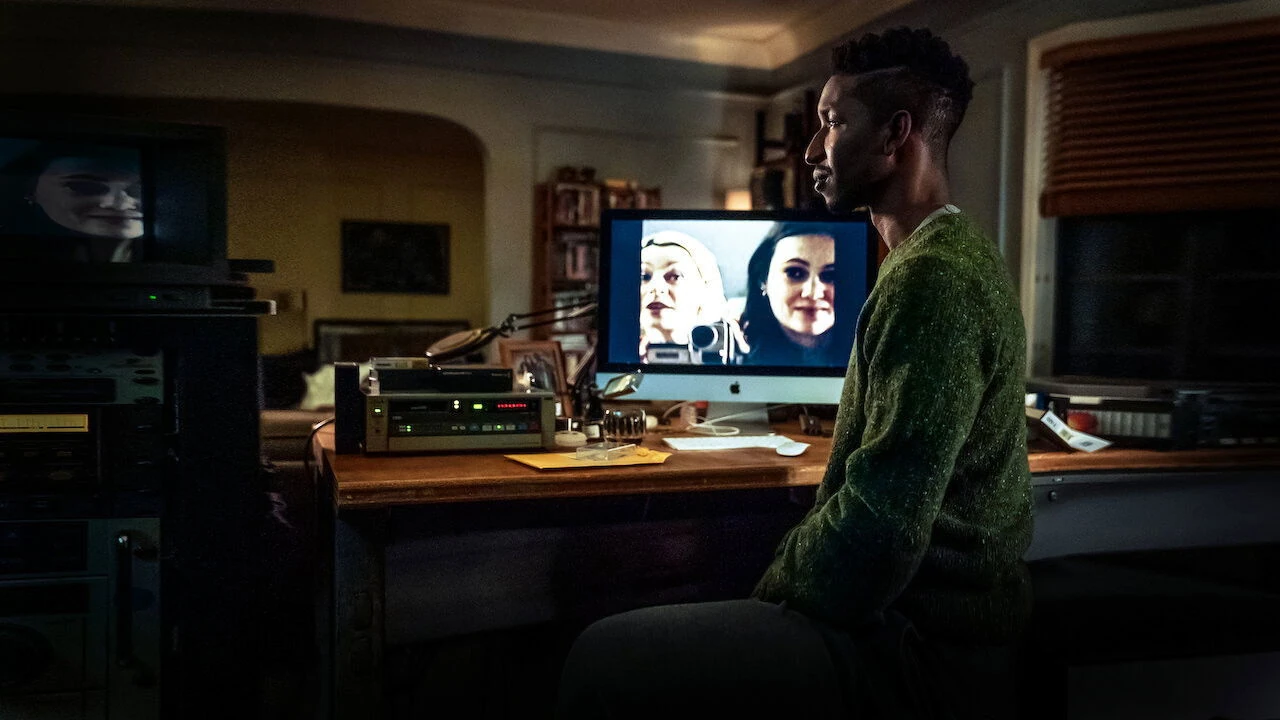
 Dan Turner, surrounded by the physical vestiges of a lost past, grapples with the weight of recorded memory.
When Reality Fractures: The Labyrinth of Perception and Truth
One of Archive 81’s most compelling, and arguably most frustrating, elements is its relentless assault on what we perceive as reality. As Dan restores Melody’s tapes, their timelines begin to intertwine, and the separation between his present and her past dissolves. This isn’t just a plot device; it’s a potent philosophical exploration of epistemology—the study of knowledge and justified belief. How do we know what is real? Can we trust our senses, especially when confronted with evidence from another time, another perspective? The show brilliantly uses the found footage conceit to challenge the viewer’s own perception, inviting us to doubt what we see and hear.
While this narrative complexity was a strength for many, it also led to some of the most common criticisms. Viewers and critics alike pointed to moments where the plot felt convoluted, riddled with convenient coincidences or unexplained phenomena that stretched the bounds of internal logic. The ending, in particular, left many feeling bewildered or unfulfilled, as it opened up more questions than it answered, leaving crucial plot threads dangling (a common frustration exacerbated by the series’ cancellation). Yet, even in its perceived narrative flaws, Archive 81 forces us to confront the inherent fragility of our understanding.
In the world of Archive 81, truth isn’t a fixed point, but a shifting mosaic, pieced together from fractured memories and subjective interpretations, leaving us to question the very foundation of our perceived reality.
The show constantly plays with the idea of subjective reality, suggesting that what one character experiences as an ancient evil, another might dismiss as delusion or psychological breakdown. The series deftly navigates the unsettling territory between the supernatural and the psychological, making us question whether Dan is uncovering a genuine demonic cult or succumbing to the overwhelming influence of fragmented narratives and his own latent trauma. This ambiguity is crucial to its philosophical depth, even if it contributes to some narrative confusion.
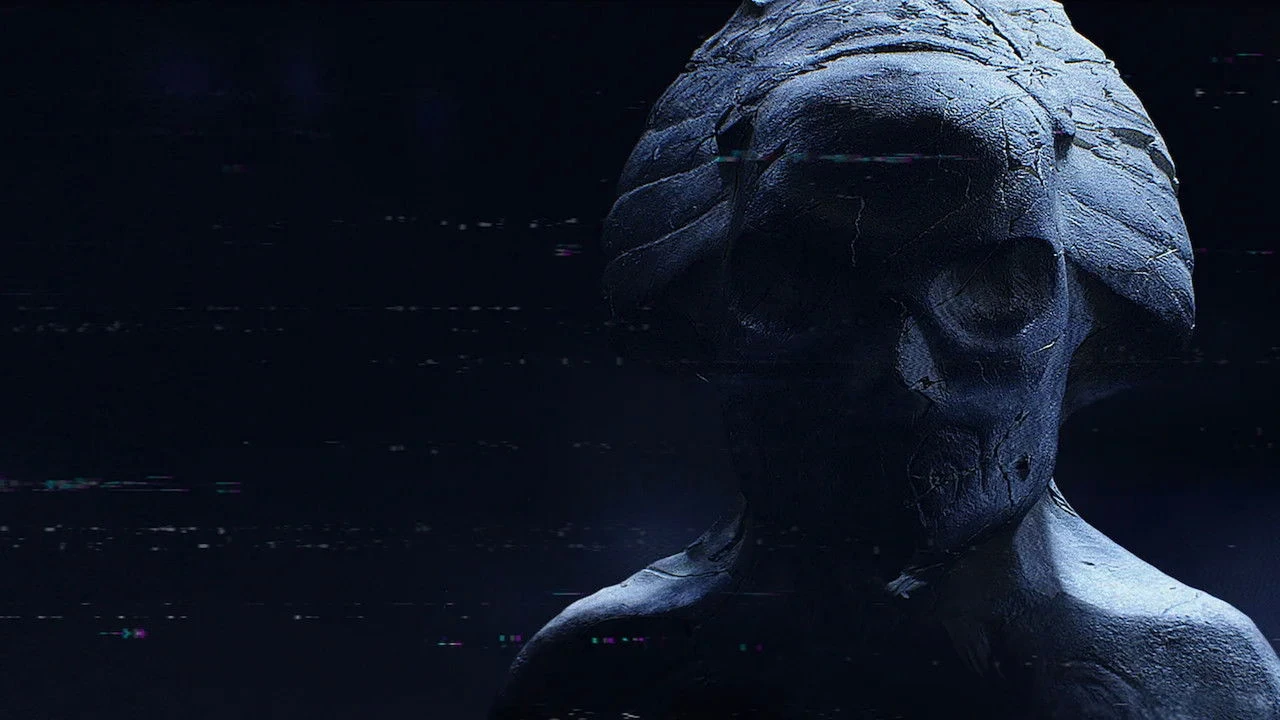 Melody Pendras, driven by an insatiable curiosity, navigates the treacherous path toward a hidden truth.
The Weight of Witnessing: Responsibility and the Unseen
Beyond its intricate plot and atmospheric horror, Archive 81 delves into the ethical and existential implications of witnessing. Dan isn’t just observing; he’s becoming a part of Melody’s story, an unwilling witness to her descent into a dangerous, occult world. This raises significant questions about our responsibility to the past, to those who have been forgotten, and to the truths they sought to uncover. Is there a moral obligation to piece together these fractured histories, even if doing so puts our own sanity and safety at risk?
The series also explores the terrifying allure of the unseen and the unknown. The cult in Archive 81 seeks to unleash a powerful, ancient entity, a force beyond human comprehension. This taps into a primal human fear – the fear of what lies beyond our grasp, beyond the veil of our ordered reality. It’s a classic cosmic horror trope, where the sheer indifference and power of the unknown are more terrifying than any slasher villain. While some viewers found the CGI for the otherworldly elements to be a bit underwhelming or the cult’s motives occasionally opaque, the underlying philosophical dread of confronting something truly alien and destructive remains potent. The show suggests that some truths are perhaps better left undisturbed, some archives unsealed, for the sanity of humanity.
 The unsettling symbol of a cult’s power, hinting at ancient forces and forbidden knowledge.
“Sometimes, the act of remembering is not a liberation, but a deeper entanglement, pulling us further into the very darkness we sought to illuminate.”
Archive 81, despite its ultimately divisive ending and the frustration of its cancellation, carved out a unique space in the horror landscape. It wasn’t perfect; its narrative could be dense, and its conclusion left many yearning for resolution. Yet, these very imperfections paradoxically contribute to its philosophical weight. It leaves us with a lingering sense of unease, a profound questioning of how we interact with the past, the subjective nature of our reality, and the heavy responsibility that comes with witnessing forgotten truths. It’s a series that dares to ask: What happens when the archive doesn’t just hold history, but actively reshapes our present, and possibly, our future?
Where to Watch
- Netflix
- Netflix Standard with Ads
What’s Up? explores the philosophical depths of cinema.