The Dialectic of the Daring: Finding Purpose in the Pilfered Safes of Army of Thieves
Army of Thieves, despite its mixed reception, explores the profound human need for purpose and passion amidst chaos, through its charming safecracker.
“The true joy of a craft lies not in its utility, but in the boundless depths of its mastery.” — Unknown Artisan
Army of Thieves, the 2021 prequel to Zack Snyder’s Army of the Dead, arrived on Netflix with a curious mix of expectations and, ultimately, a somewhat divided critical reception. Directed by and starring Matthias Schweighöfer as the endearingly eccentric safecracker Ludwig Dieter, the film promised to flesh out the backstory of one of its zombie-heist predecessor’s most memorable characters. And in many ways, it delivered a charming, if at times uneven, caper. While Rotten Tomatoes gave it a “Fresh” 69%, Metacritic’s 49/100 score painted a picture of a film that, for all its charisma, struggles with narrative depth and pacing. Yet, beneath the slick heist sequences and the nascent zombie apocalypse rumbling in the background, Army of Thieves offers a surprisingly poignant meditation on purpose, passion, and the art of the irrelevant in a world teetering on the brink.
The Symphony of Obsession: Dieter’s Existential Calling
Let’s be clear: Army of Thieves isn’t trying to reinvent the wheel. Critics often noted its conventional heist beats, predictable plot points, and the curious decision to sideline the zombie apocalypse to little more than a background hum. Indeed, many viewers felt the zombie element was largely tacked on, a narrative device that promised high stakes but rarely delivered them. This is a legitimate critique; for those expecting Army of the Dead’s frantic energy, this film’s more sedate pace and lower stakes could feel like a letdown.
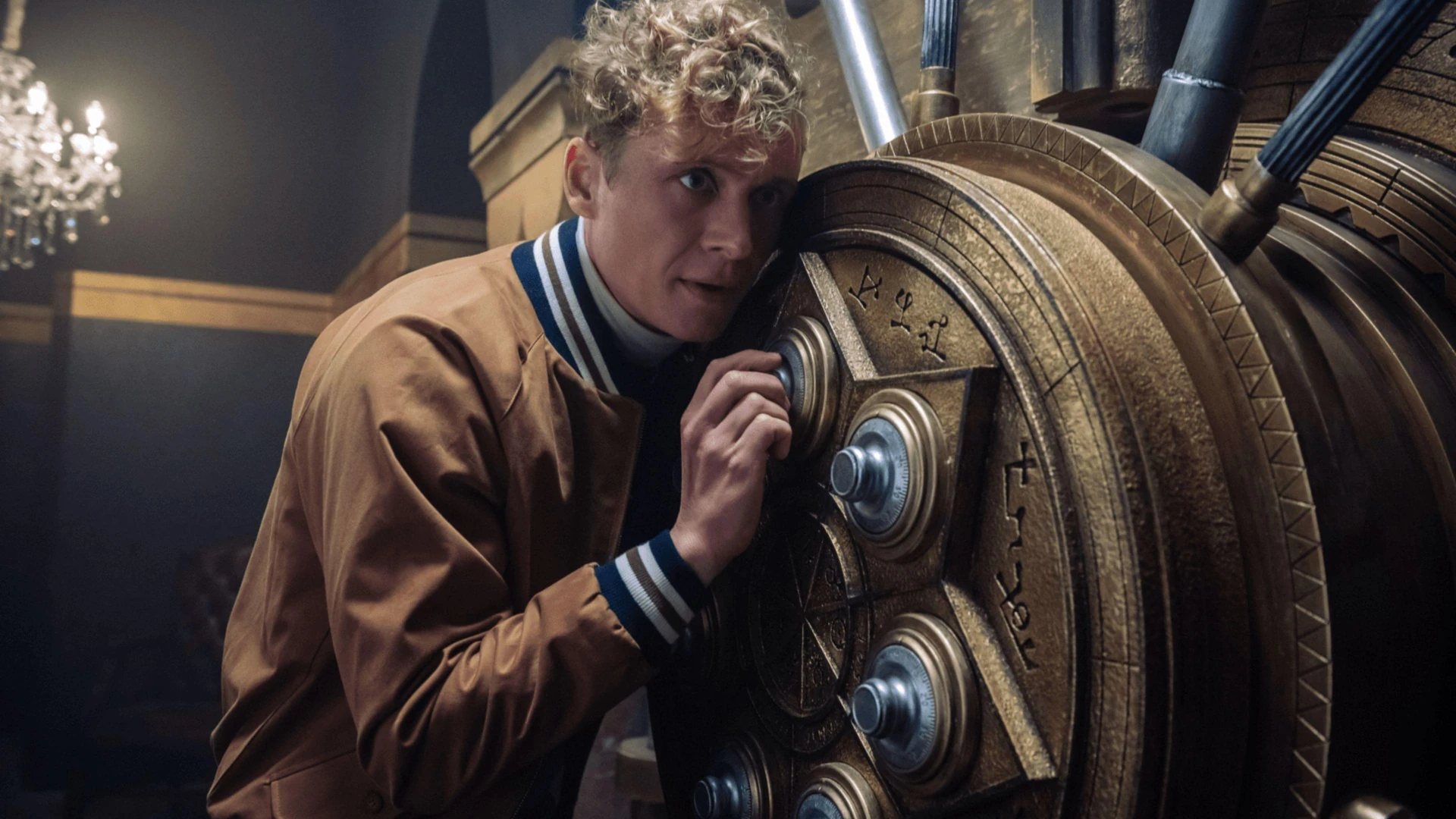
However, to dwell solely on these narrative shortcomings is to miss the film’s true, albeit understated, philosophical core: Ludwig Dieter’s almost autistic obsession with safe-cracking. For Dieter, a bank teller who dreams of cracking the legendary Ring Cycle safes (named after Richard Wagner’s operatic tetralogy, Der Ring des Nibelungen or “The Ring of the Nibelung”), his craft is not merely a means to an end. It is his raison d’être, his existential calling. The safes are not just vaults of money; they are puzzles, mechanical symphonies, tests of intellect and intuition.
Key themes that resonate here include:
- Meaning-making in a chaotic world: As the world outside edges towards oblivion, Dieter finds profound meaning in the intricate, ordered mechanics of a safe.
- Autotelic activity: The act of cracking the safe is itself the reward, transcending the material gains it might yield. It is an activity done for its own sake.
- The pursuit of beauty: Dieter perceives beauty in the engineering, the locking mechanisms, the challenge. His passion elevates a criminal act to an art form.
 Ludwig Dieter, lost in the delicate dance of tumblers, finding his world within the safe’s intricate mechanisms.
Cracking the Code of Expectation: Strengths and Stumbles
The film’s strengths and weaknesses often stem from the same source: its focus on Dieter. Matthias Schweighöfer’s performance is undeniably the engine of Army of Thieves. His wide-eyed earnestness, his nervous energy, and his genuine, almost childlike, joy in the face of a complex safe are infectious. He imbues Dieter with a charming vulnerability that makes him instantly likable, even as he embarks on a life of crime. The chemistry between Schweighöfer and Nathalie Emmanuel, who plays the mysterious Gwendoline, provides the film with much of its warmth and emotional anchor. Their dynamic allows for moments of genuine connection that lift the film beyond its genre trappings.
Army of Thieves excels when it leans into the whimsical charm of its protagonist’s specific genius, showing us how an individual’s unique passion can illuminate even the most conventional narrative.
Where Army of Thieves stumbles, however, is precisely where critics found fault. Beyond Dieter and Gwendoline, the supporting cast often feels underdeveloped, reducing them to generic heist archetypes. Audiences were also divided on the overall pacing; at 127 minutes, the film often feels longer than necessary, especially given its relatively straightforward plot. Many critics specifically pointed to the decision to keep the zombie apocalypse at arm’s length, arguing it minimized any real sense of urgency or threat, making the “thieves” part of the title feel somewhat low-stakes for a world on the brink. It’s a comfortable ride, perhaps too comfortable, when the premise suggests impending doom. The narrative rarely takes risks, opting instead for a safe, albeit entertaining, journey through familiar territory.
 The ensemble, bound by a shared thrill, their heist a fleeting moment of order amidst the encroaching chaos.
Beyond the Surface: The Art of the Irrelevant
Despite these acknowledged flaws, Army of Thieves dares to ask deeper questions about what truly constitutes a meaningful existence. In a world where global catastrophe looms, where does one find purpose? For Dieter, it’s not in fighting zombies or saving humanity; it’s in the quiet, precise act of opening a safe. His passion is, in the grand scheme of things, profoundly irrelevant. Yet, this very irrelevance becomes its strength. It suggests that meaning isn’t always found in grand, heroic gestures, but often in the microcosm of personal pursuit.
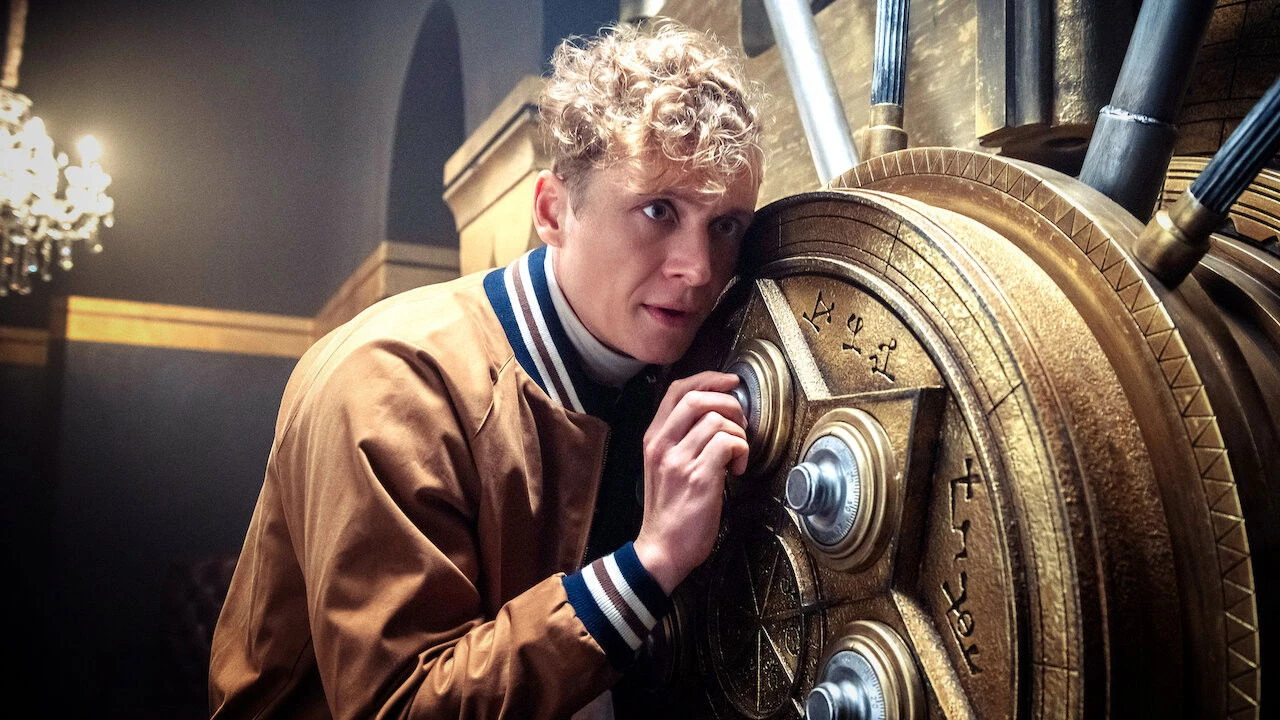
The film, through Dieter, explores a philosophy of craftsmanship that values mastery for its own sake. It’s a romantic notion that harks back to an era where skill and dedication to a specific art were revered. Dieter’s understanding of the safes is almost spiritual; he doesn’t just open them, he listens to them, he communes with them. This dedication to an arcane, specialized skill in a world that’s losing its structure is an anchor, a source of stability and identity. It contrasts the external chaos with an internal order, a personal universe of logic and precision. This isn’t just about stealing; it’s about the affirmation of self through the pursuit of excellence, however peculiar that excellence might be.
 Gwendoline and Dieter, a bond forged in shared risk and the allure of impossible challenges, finding connection amidst their criminal pursuit.
“Perhaps the greatest acts of courage are not in facing the apocalypse, but in steadfastly pursuing one’s peculiar passion while the world burns.”
Army of Thieves may not be a cinematic masterpiece, and its critical legacy is likely to remain mixed. It’s a film that, for all its charms, often plays it safe, ironically for a movie about safecracking. Yet, for those willing to look past its conventional narrative and the sidelined zombie threat, it offers a surprisingly sweet and genuinely insightful look at the human need for passion and purpose. It asks us to consider what we would truly pursue if societal norms and impending doom were stripped away. Dieter’s unwavering devotion to his craft, his almost childlike wonder at the mechanics of a safe, becomes a beacon of hope and individuality in a narrative that could have easily been swallowed by generic action. Ultimately, Army of Thieves posits that perhaps the most profound rebellion isn’t against the system, but against the apathy of a world that forgets the exquisite beauty of a perfectly executed, utterly unnecessary, act of passion.
Where to Watch
- Netflix
- Netflix Standard with Ads
What’s Up? explores the philosophical depths of cinema.