The Burden of Balance: Unpacking Netflix's Avatar and the Philosophy of Adaptation
Exploring the philosophical challenges and mixed reception of Netflix's Avatar: The Last Airbender, from the burden of destiny to the ethics of adaptation.
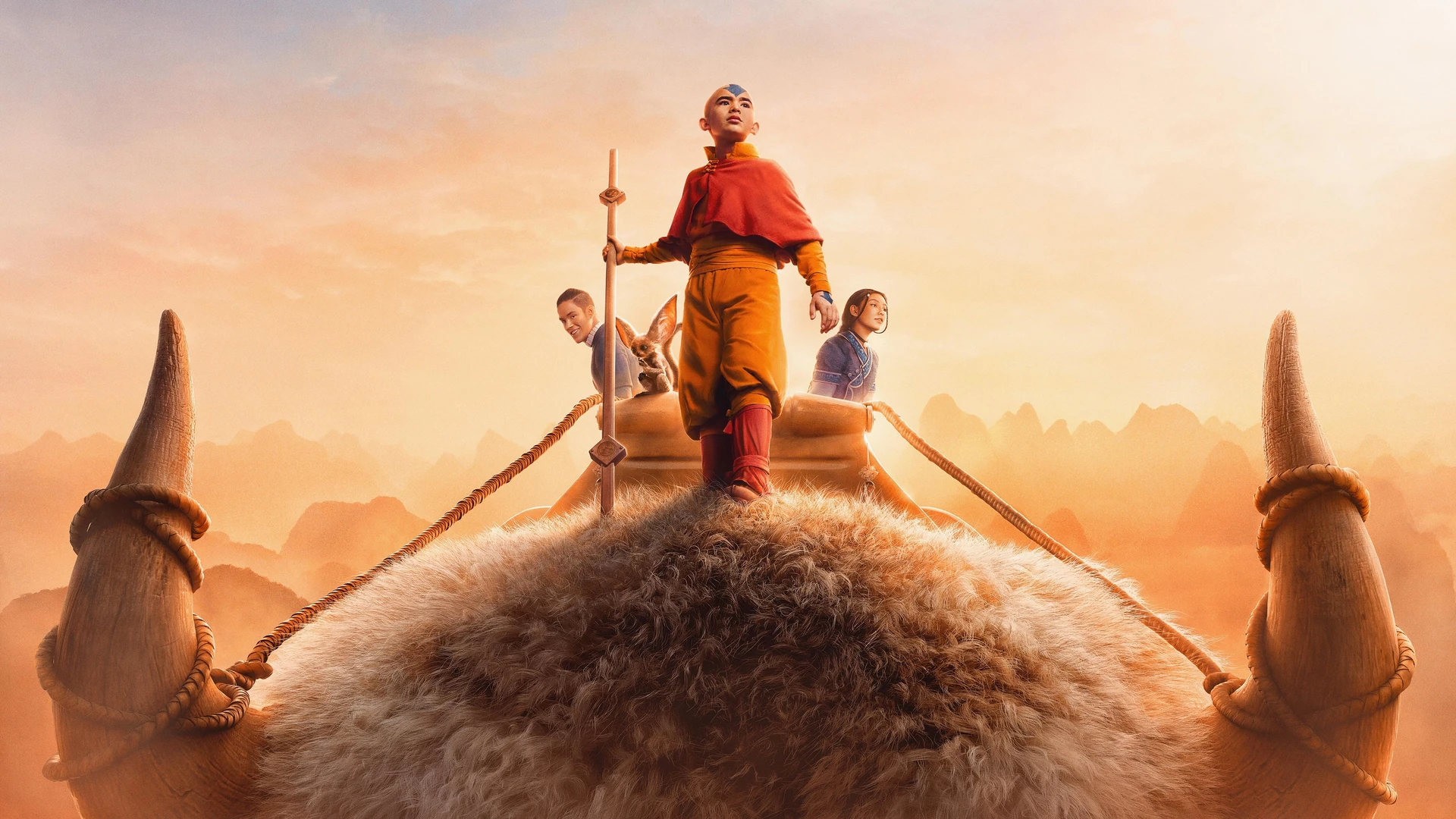
“Every generation is a new beginning. We must learn from our ancestors, but we must not be bound by them.” — Avatar Roku
Netflix’s Avatar: The Last Airbender (2024) arrived with a seismic rumble of anticipation, an almost impossible weight of expectation resting on its shoulders. Adapting one of the most beloved animated series of all time is no small feat, and the live-action rendition, starring Gordon Cormier as Aang, Kiawentiio as Katara, and Ian Ousley as Sokka, among others, found itself immediately under the microscope. The initial reception was, shall we say, complicated. With a modest 34% on Rotten Tomatoes and a Metascore of 56, critics largely felt it struggled to capture the magic of its predecessor, often citing a rushed pace, clunky exposition, and a flattening of character arcs. Yet, even in its perceived flaws, the series inadvertently opens up a fascinating philosophical discourse on adaptation, authenticity, and the existential burden of destiny.
The Weight of the World, and the Screen
At its core, Avatar: The Last Airbender is a story about a young boy awakening to an unimaginable responsibility: to master four elemental powers and save a world torn by war. This central premise, the burden of destiny, is inherently ripe for philosophical exploration. Aang isn’t just a powerful being; he’s a traumatized child, the last of his kind, thrust into a conflict he never asked for. The series attempts to convey this profound internal struggle, showing Aang wrestling with the ghosts of his past and the terrifying demands of his future.
However, many critics, and indeed a significant portion of the audience, felt the live-action’s narrative suffered from a relentless sprint through plot points. The Hollywood Reporter noted the “uneven pacing,” while IGN pointed out that “crucial character beats get truncated.” When a story is rushed, the very gravitas of its philosophical underpinnings can be diluted. Aang’s journey from a fun-loving kid to a world-saving Avatar is meant to be a slow, arduous process of growth and self-discovery. If major emotional turning points are condensed into single episodes or even montages, the viewer is robbed of the opportunity to truly sit with Aang’s existential angst, his profound guilt, and the moral dilemmas he faces. The philosophical depth here isn’t just in what Aang does, but in how he becomes capable of doing it. The series, in its haste, often glosses over the ‘how,’ making the ‘what’ feel less earned.
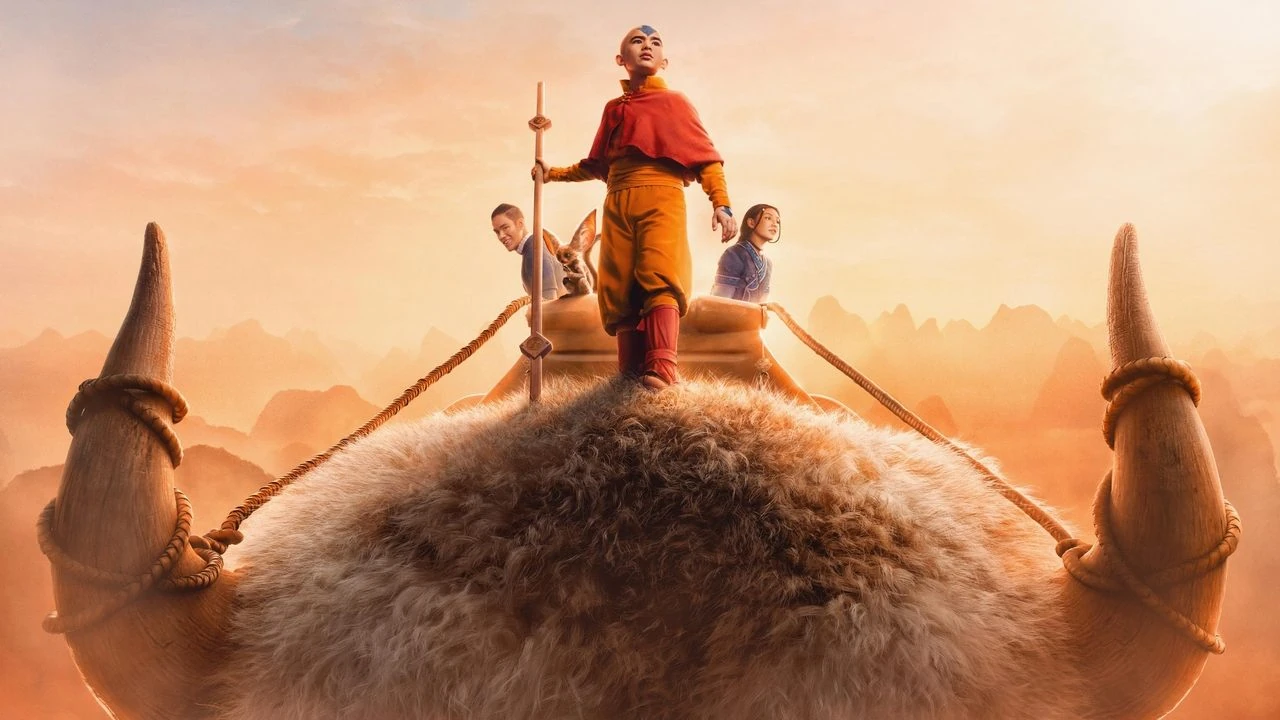 Aang, Sokka, and Katara on their journey, a visual representation of their shared, often accelerated, quest.
Adaptation as Reinterpretation: What’s Gained, What’s Lost?
The very act of adaptation is a philosophical tightrope walk. Is it an act of faithful recreation, a modernization, or a complete reinterpretation? Netflix’s Avatar clearly aimed for a more “mature” tone, perhaps seeking to distinguish itself from the animated original. This decision led to some of the most pronounced criticisms. Variety highlighted the “heavy-handed dialogue” and “exposition dumps,” which often told viewers what characters were feeling or what was happening, rather than letting the narrative unfold organically. This shift sacrifices the subtle character work and the poignant humor that made the original so resonant.
Dallas Liu’s portrayal of Zuko, and Ken Leung’s as Commander Zhao, were often cited as highlights, with many finding their performances compelling. Yet, even Zuko’s famously complex arc, a profound exploration of redemption and familial trauma, felt accelerated. His internal struggles, the push and pull between honor and vengeance, were present, but the narrative often moved too quickly for these struggles to truly simmer and build.
The essence of an adapted story isn’t just in its plot points, but in the rhythm of its revelation—the space it allows for reflection, for pain, for growth. When that rhythm is broken, the very soul of the narrative can fracture.
Moreover, the show’s handling of certain characters and themes raised questions about the ethics of adaptation. The removal of Sokka’s initial sexism, for instance, while understandable in a contemporary context, altered a key aspect of his character’s growth—his journey from prejudice to respect. While some viewed this as a necessary update, others felt it diluted the philosophical weight of his personal evolution. It forces us to ask: when does improving a narrative become erasing a crucial aspect of character development? What is the authenticity owed to the source material versus the autonomy of a new artistic vision?
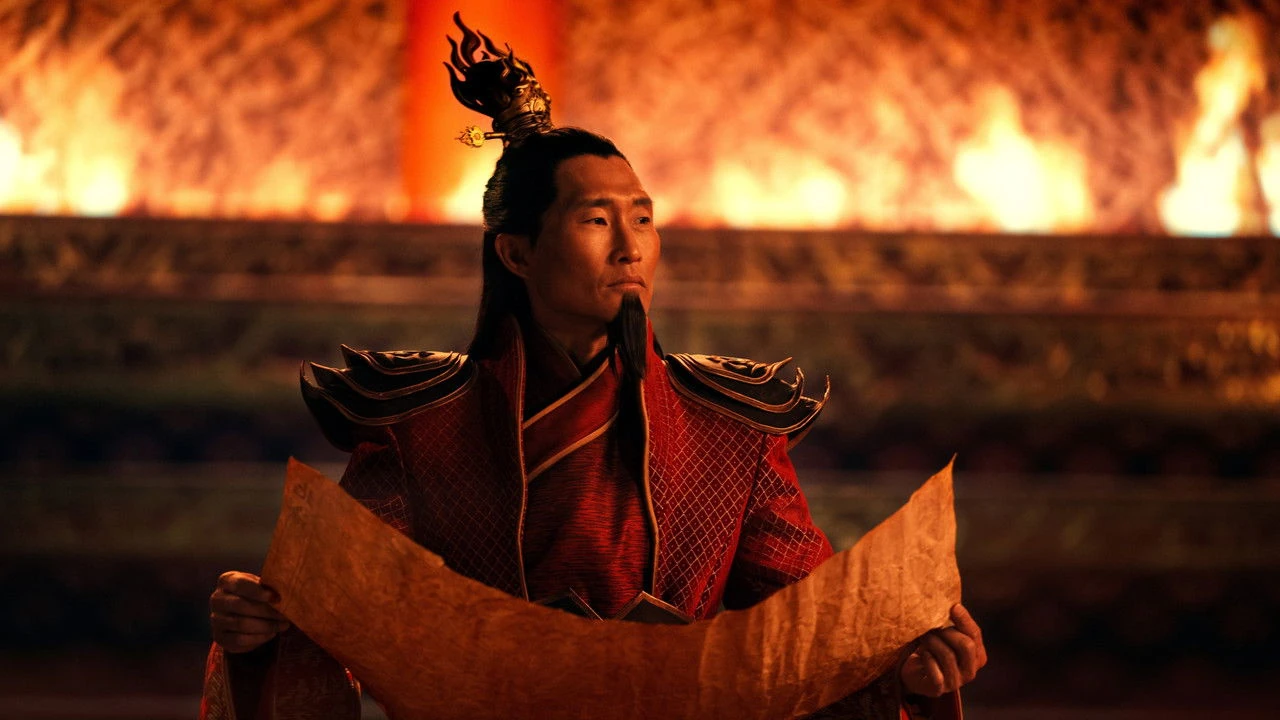 Zuko, consumed by his internal struggle, a visual metaphor for the accelerated pace of his character arc.
Seeking Harmony in Discord: The Enduring Questions
Despite its narrative stumbles and the weight of criticism, Avatar: The Last Airbender (2024) still manages to touch upon some profound, enduring questions that resonate beyond the screen. The conflict between the Fire Nation and the rest of the world remains a potent allegory for imperialism, genocide, and the destructive nature of unchecked power. The series, even in its rushed delivery, foregrounds the trauma of war—Aang’s survivor’s guilt, the suffering of the displaced people, the moral compromises forced upon individuals.
The search for balance—both elemental and spiritual—is a constant undercurrent. Aang’s journey isn’t just about mastering bending; it’s about finding inner peace amidst chaos, about uniting a fractured world. This quest for metaphysical harmony is something all humans grapple with, whether on a global scale or within their own lives. How do we reconcile opposing forces? How do we find our center when the world around us is in turmoil? The series, even if imperfectly, still asks us to consider these questions. It reminds us that true power isn’t just about bending elements, but about bending the arc of history towards justice and understanding.
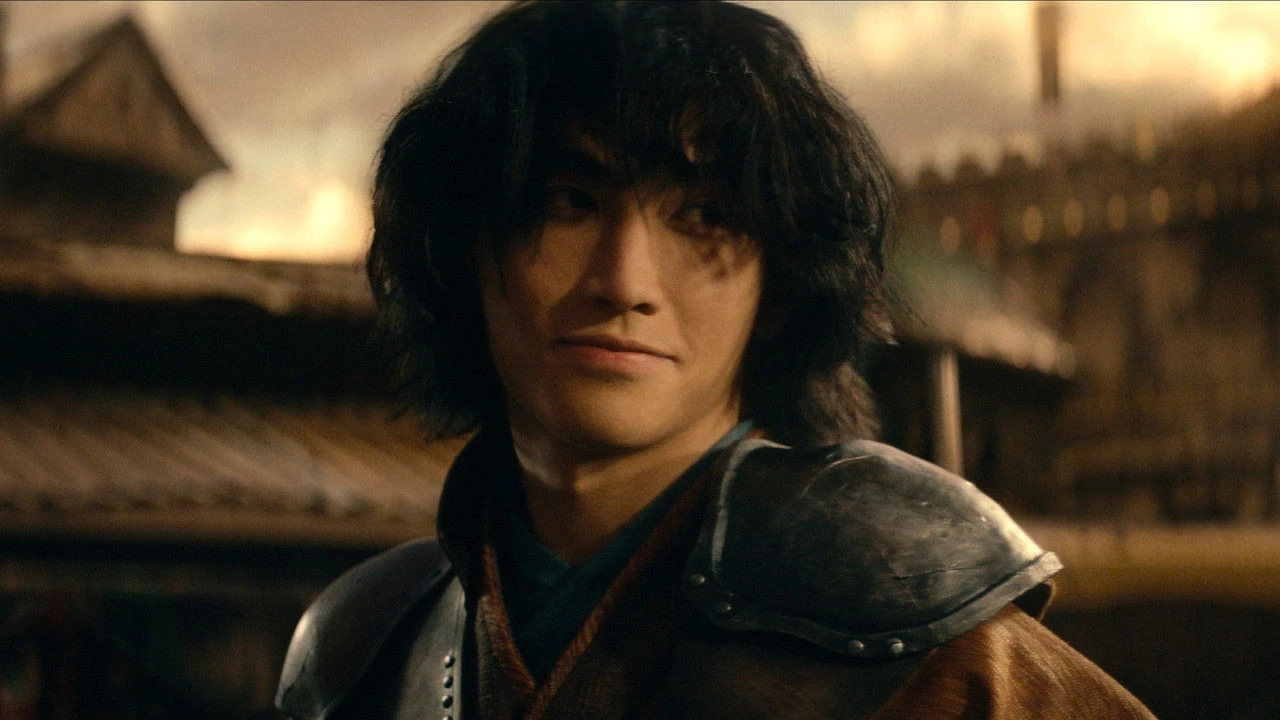 A visual representation of the Fire Nation’s might, symbolizing unchecked power and the devastating impact of conflict.
The legacy of an adaptation isn’t merely judged by its faithfulness, but by the echoes it leaves in our minds—the philosophical questions it provokes, even if through imperfect means.
Netflix’s Avatar: The Last Airbender (2024) stands as a testament to the immense challenge of bringing a beloved story to a new medium, especially one as cherished as the animated original. While it undeniably stumbled in its execution, leading to a divisive reception and a critical consensus of missed potential, it still serves as a fascinating case study in the philosophy of storytelling. It compels us to ponder the nature of memory and nostalgia, the ethics of creative liberty, and the enduring power of core narratives that, even when imperfectly retold, continue to ask us how we might find balance in a world perpetually teetering on the brink of imbalance. What does it truly mean to carry the burden of the past, and how do we choose to adapt its lessons for the future?
Where to Watch
- Netflix
- Netflix Standard with Ads
What’s Up? explores the philosophical depths of cinema.