Baahubali: The Beginning – A Mythic Mirror to Destiny and Flawed Grandeur
Dive deep into S.S. Rajamouli's epic Baahubali: The Beginning, exploring its grand spectacle, complex characters, and the philosophical questions it poses about destiny, power, and identity, despite its narrative imperfections.
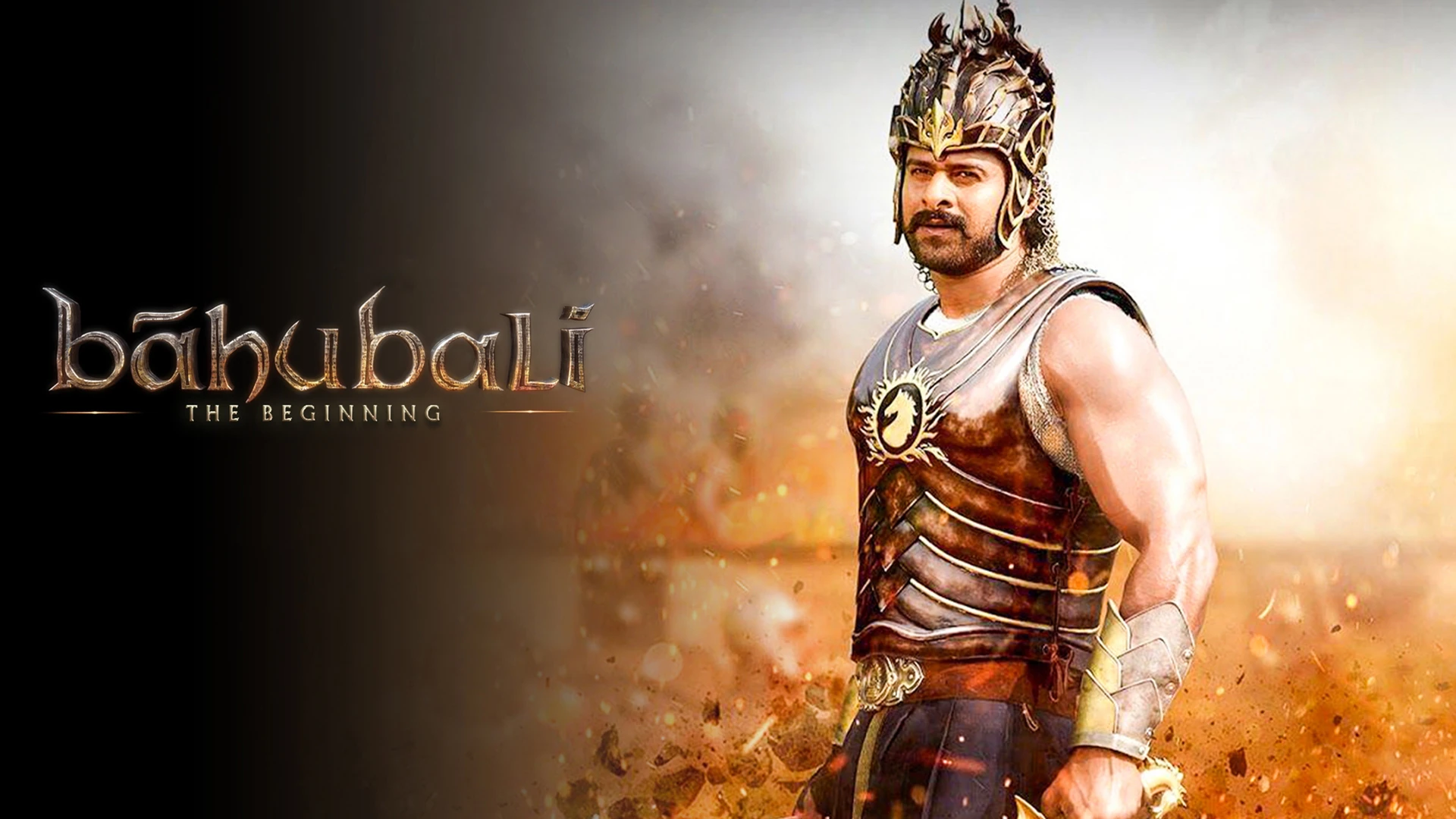
“We are not makers of history. We are made by history.” — Martin Luther King Jr.
S.S. Rajamouli’s Baahubali: The Beginning, released in 2015, isn’t just a film; it’s an event, a cultural phenomenon that redefined Indian cinema’s scale and ambition. This 159-minute action-drama, with its grand visuals and sprawling narrative, captivated millions and shattered box office records. While critics largely lauded its audacious vision, breathtaking action sequences, and stellar performances—especially from Ramya Krishnan as the formidable Sivagami—it wasn’t without its detractors. Some pointed to the pacing, particularly in the extensive setup, as a minor drag, and a few found certain narrative beats a touch too conventional or melodramatic. Yet, beneath the layers of CGI elephants and gravity-defying stunts lies a surprisingly fertile ground for philosophical inquiry into destiny, identity, and the cyclical nature of power.
The Weight of Destiny and the Found Hero
At its core, Baahubali: The Beginning is a quintessential hero’s journey, albeit one drenched in the vibrant mythology of ancient India. We meet Shivudu (Prabhas), a young man raised in isolation, whose superhuman strength and innate nobility constantly hint at a greater purpose. His desire to climb a treacherous waterfall isn’t just a physical feat; it’s a profound yearning for the unknown, a subconscious pull towards a past he can’t remember. This early section, while a bit slow for some Western critics accustomed to more rapid exposition, is crucial. It’s here that the film quietly establishes its central philosophical question: is Shivudu merely making choices, or is he being steered by an irresistible current of fate?
Key themes to explore:
- Predestination vs. Free Will — Shivudu’s journey feels less like a series of choices and more like an unfolding prophecy. Does he truly choose his path, or is he merely fulfilling a predetermined role laid out by his lineage and the cosmic order?
- The Burden of Identity — The revelation of his true parentage isn’t just a plot twist; it’s an existential crisis. Who are we when our entire understanding of self is upended by a forgotten history?
- Found Family and Legacy — Shivudu’s adoptive mother’s sacrifice and the love of his village highlight that while blood may dictate destiny, the love and values instilled by those who raise us truly define our character.
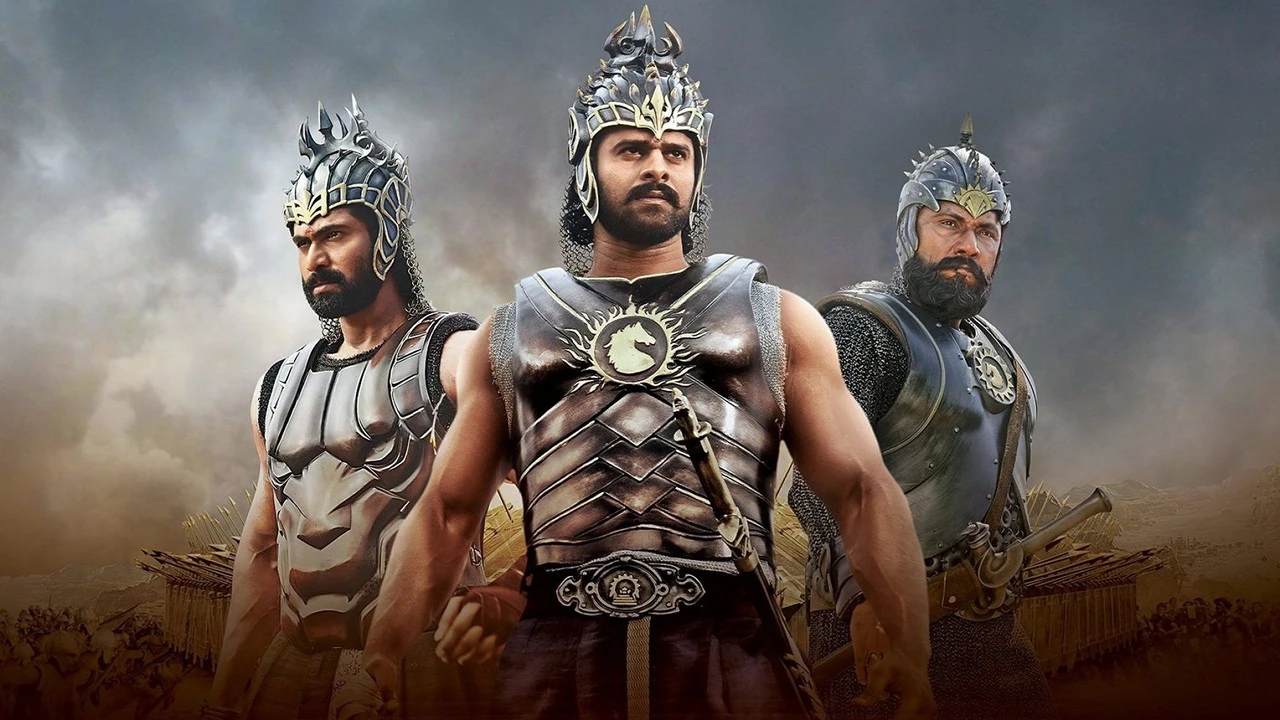 Shivudu’s ascent up the waterfall symbolizes humanity’s ceaseless quest for meaning and origin.
Spectacle, Storytelling, and the Search for Self
Rajamouli’s genius lies in his ability to blend epic spectacle with deeply resonant mythological archetypes. The film’s visual grandeur—the sprawling Mahishmati kingdom, the colossal statues, the intricately choreographed battle sequences—is undeniably its most celebrated aspect. Critics universally praised the technical ambition and the sheer imagination on display. However, the narrative, particularly the romantic subplot involving Shivudu and the warrior princess Avanthika (Tamannaah Bhatia), drew some mixed reactions. While Avanthika is introduced as a fierce rebel, her character arc quickly shifts to that of the damsel-in-distress, a criticism often leveled at large-scale blockbusters that struggle with nuanced female portrayals. This highlights a common tension in grand narratives: the desire for groundbreaking visuals often clashes with the reliance on familiar, sometimes problematic, storytelling tropes.
This is where we discover the true weight of choice — not in the outcome, but in the becoming. The hero’s journey isn’t just about what they achieve, but who they are forced to confront within themselves.
Despite these minor narrative missteps, the film’s commitment to its mythological framework allows it to explore timeless questions. The kingdom of Mahishmati isn’t just a setting; it’s a symbolic representation of power structures and moral order. The struggle between the righteous Bahubali and the tyrannical Bhallaladeva isn’t merely a family feud; it’s an allegory for the eternal conflict between dharma (righteousness) and adharma (unrighteousness). The film uses its larger-than-life characters to embody these abstract forces, making the philosophical battle palpable.
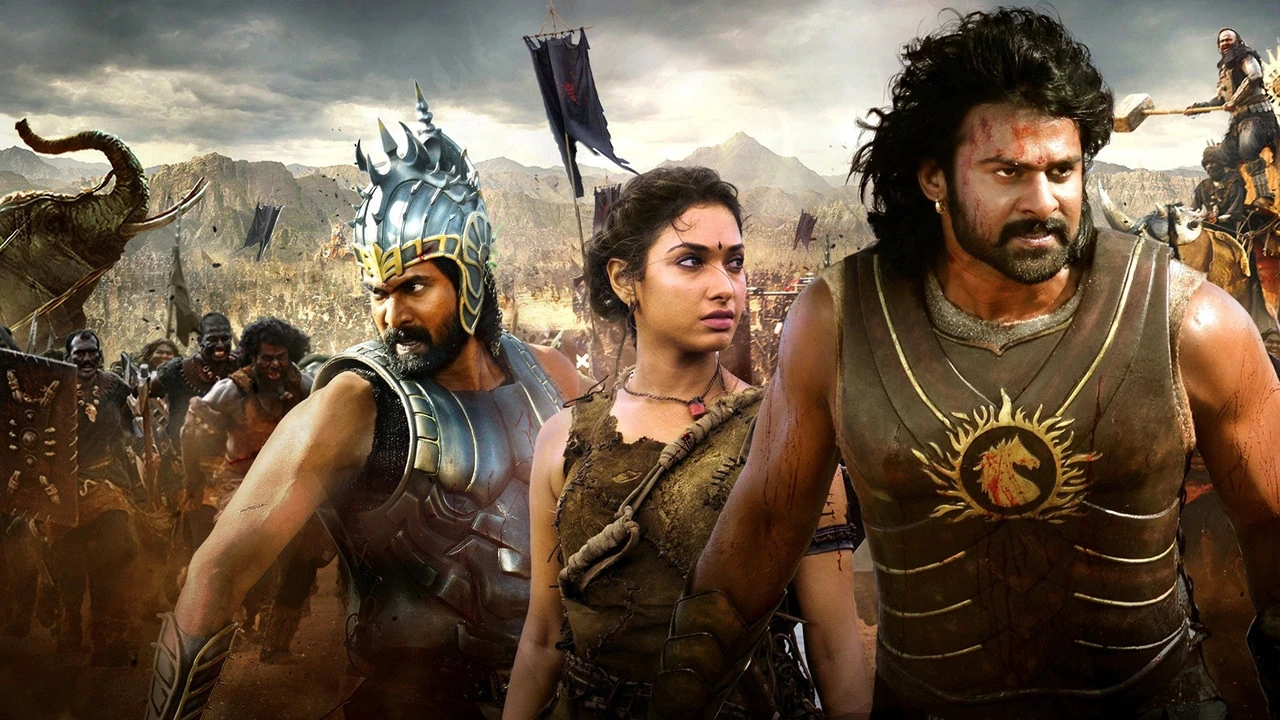 The grandeur of Mahishmati, a testament to civilization’s heights and the depths of human ambition.
Beyond the Surface: The Echoes of Empire and Moral Ambiguity
The film, being The Beginning, famously ends on a cliffhanger, leaving the audience with the chilling question: “Why did Kattappa kill Baahubali?” This unresolved enigma transforms the entire preceding narrative from a straightforward tale of heroism into a complex meditation on betrayal, duty, and the limits of loyalty. It forces us to reconsider everything we thought we knew about heroism and villainy, blurring the lines in a way that’s profoundly philosophical.
What does it mean to be a good ruler? Is it pure strength, or compassion? Is it adherence to tradition, or the courage to break free from unjust systems? Ramya Krishnan’s Sivagami, the queen regent, is a fascinating study in moral complexity. Her unwavering commitment to justice initially, and then her tragic errors of judgment, showcase how even the noblest intentions can pave the way for disaster. Baahubali doesn’t just present good versus evil; it delves into the fragility of justice and how quickly power can corrupt, even when wielded by those who believe they are doing right. The film subtly questions the very nature of heroism: is it an inherent trait, or a mantle thrust upon an individual by circumstance and fate?
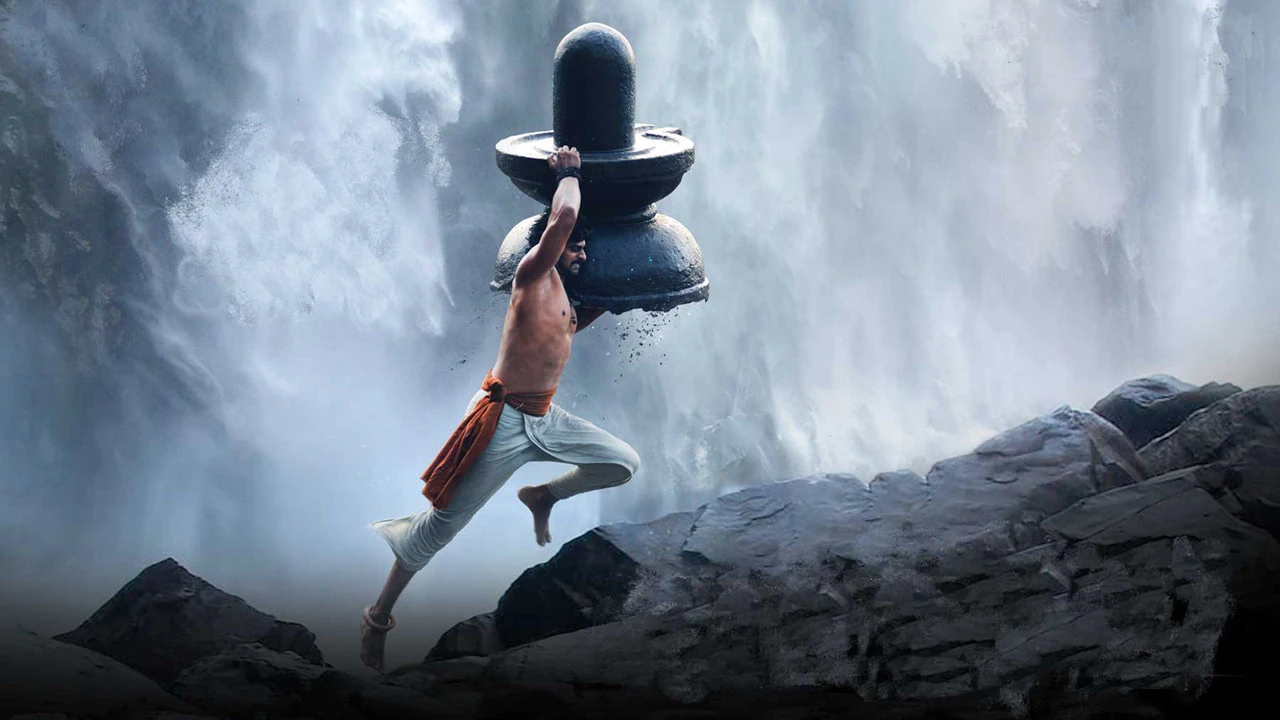 Sivagami, the arbiter of fate, holding the future of Mahishmati in her hands, a visual metaphor for the weight of leadership.
“The hardest choices require the strongest wills.” — Thanos (while not directly related, it captures the film’s essence of difficult leadership)
Baahubali: The Beginning is far more than just a blockbuster. Yes, it’s a visual feast with thrilling action, and its narrative might lean into familiar territory at times, as some critics observed. But its enduring legacy isn’t just in its box office numbers or its technical prowess. It’s in the way it engages with profound, timeless questions about destiny, power, and identity. It asks us to consider the echoes of history, the burden of lineage, and the choices that define not just a hero, but an entire kingdom. It leaves us pondering: are we truly the masters of our own fate, or merely players in a grand, mythic drama orchestrated by forces beyond our control?
Where to Watch
- Netflix
- Netflix Standard with Ads
- Tentkotta
What’s Up? explores the philosophical depths of cinema.