Ride or Die: On Legacy, Absurdity, and the Echoes of an Unfinished Life
Exploring Bad Boys: Ride or Die's surprisingly deep dive into aging, loyalty, and the pursuit of meaning amidst chaotic action, despite its critical reception.
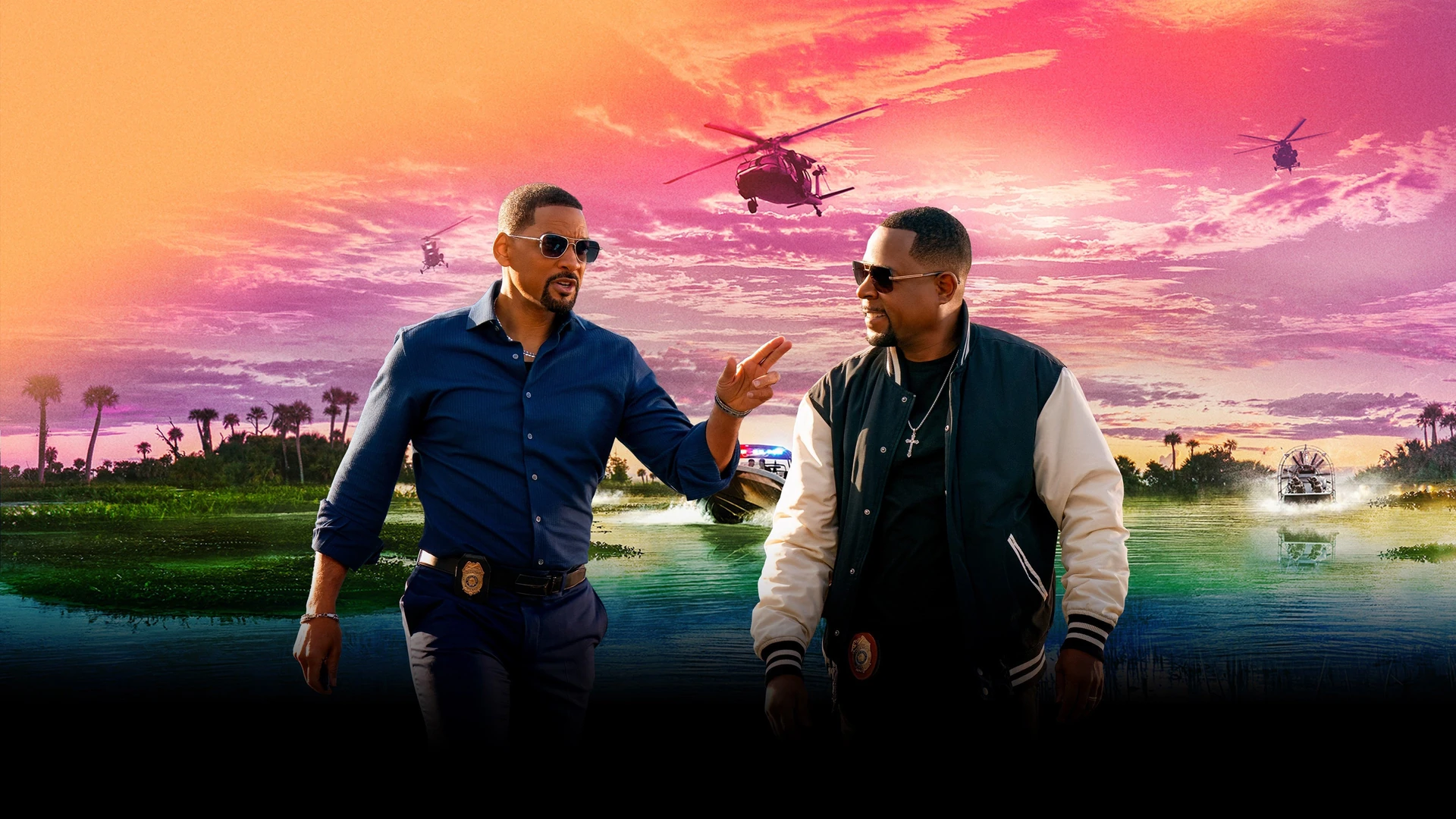
“We are shaped by the past, yet perpetually creating our future. The tension between these two forces defines us.” — Unknown
Let’s be honest, few walked into Bad Boys: Ride or Die expecting a philosophical treatise. This is, after all, the fourth installment in a franchise synonymous with explosive action, slick cars, and the electrifying, often hilarious, chemistry between Will Smith’s Mike Lowrey and Martin Lawrence’s Marcus Burnett. And, by most accounts – including a respectable but not stellar 64% on Rotten Tomatoes and a middling 54 on Metacritic – it delivers exactly that: a high-octane, familiar ride. Critics generally lauded the duo’s enduring banter and the dynamic direction from Adil El Arbi and Bilall Fallah, while simultaneously pointing out its predictable plot, occasional tonal inconsistencies, and a heavy reliance on nostalgia. Yet, beneath the bullet storms and rapid-fire quips, I found myself pondering something deeper: what does it mean to be a “bad boy” when you’re no longer a boy, and the world keeps changing around you? This isn’t just a sequel; it’s a meditation on legacy, mortality, and the absurdity of finding purpose in a world that refuses to slow down.
The Unbreakable Bond and the Weight of Legacy
At its core, Bad Boys: Ride or Die is an ode to an enduring partnership. Mike and Marcus, now older, somewhat wiser (or at least more prone to existential crises), find their late Captain Howard framed for corruption. Their mission to clear his name isn’t just about justice; it’s a desperate fight to protect the integrity of a man they respected, and by extension, their own intertwined legacy. The “ride or die” motto isn’t merely a catchy phrase; it’s a philosophical stance on loyalty, a promise to face down any threat together, even when the system they serve turns against them.
But here’s where the film, perhaps inadvertently, stumbles into profound territory. The pursuit of justice becomes a fight against irrelevance. As our heroes are pushed to the fringes, branded fugitives, they’re forced to confront the potential erasure of their own good names. What if all their years of service, all their sacrifices, amounted to nothing but a tarnished reputation? This existential dread, often played for laughs through Marcus’s spiritual awakenings, grounds the film in a surprisingly human reality. Despite the convoluted plot that many critics noted, and the moments where the narrative logic seemed to evaporate, the film’s emotional anchor remains the fragile, yet resilient, bond between Mike and Marcus. Their enduring chemistry is the real special effect, proving that true partnership isn’t just about shared experiences, but about shared purpose in the face of an uncertain future.
- Shared History: The comfort and contention born from decades of partnership.
- Defending Honor: The desperate need to protect a fallen comrade’s reputation, and by extension, their own.
- Existential Threat: The fear of losing everything they’ve built, professionally and personally.
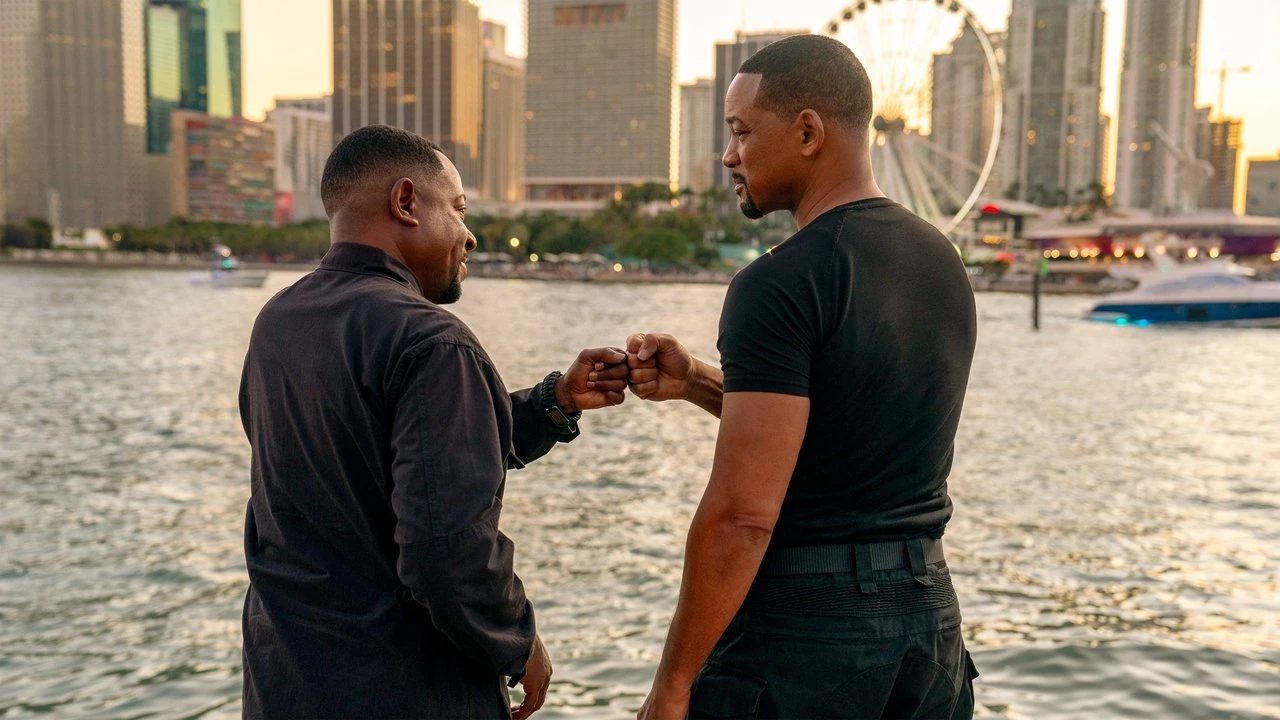 Mike and Marcus, united against a world that seems to be turning on them.
The Dance Between Farce and Fury
The Bad Boys franchise has always walked a tightrope between explosive action and broad comedy. Ride or Die continues this tradition, but with an added layer of self-awareness – or perhaps, self-indulgence. Martin Lawrence’s Marcus, having a near-death experience, returns convinced he’s immortal, guided by spirits. This leads to some genuinely funny, if occasionally jarring, comedic beats that often clash with the grim realities of their predicament. Critics and audiences were divided on this tonal tightrope walk; some found Marcus’s newfound spiritualism a refreshing, quirky addition, while others felt it contributed to an uneven pacing, pulling focus from the high-stakes thriller narrative.
The film’s oscillation between slapstick absurdity and bone-crunching violence forces us to question the nature of heroism itself. Is it born of unwavering conviction, or a desperate, almost farcical, refusal to simply give up?
The directors, El Arbi and Fallah, continue to push the stylistic boundaries, employing drone shots that weave through gunfights and immersive POV sequences that put the audience directly in the action. This visual dynamism attempts to distract from the often-formulaic “corrupt cop” plot, a criticism frequently leveled at the film. However, even within its most bombastic sequences, there’s a whisper of a question: how much chaos can two men endure before they break? The film doesn’t delve deeply into the psychological toll of their lives, preferring to paper over it with humor and explosions. Yet, the sheer volume of impossible situations they survive, the absurdity of their constant brushes with death, highlights a bizarre kind of existential resilience. They are almost cartoonish in their indestructibility, making their moments of vulnerability, particularly Marcus’s spiritual journey, all the more poignant. It’s a film that, despite its flaws, dares to ask if there’s a deeper meaning to simply “not dying,” even if it doesn’t always provide a coherent answer.
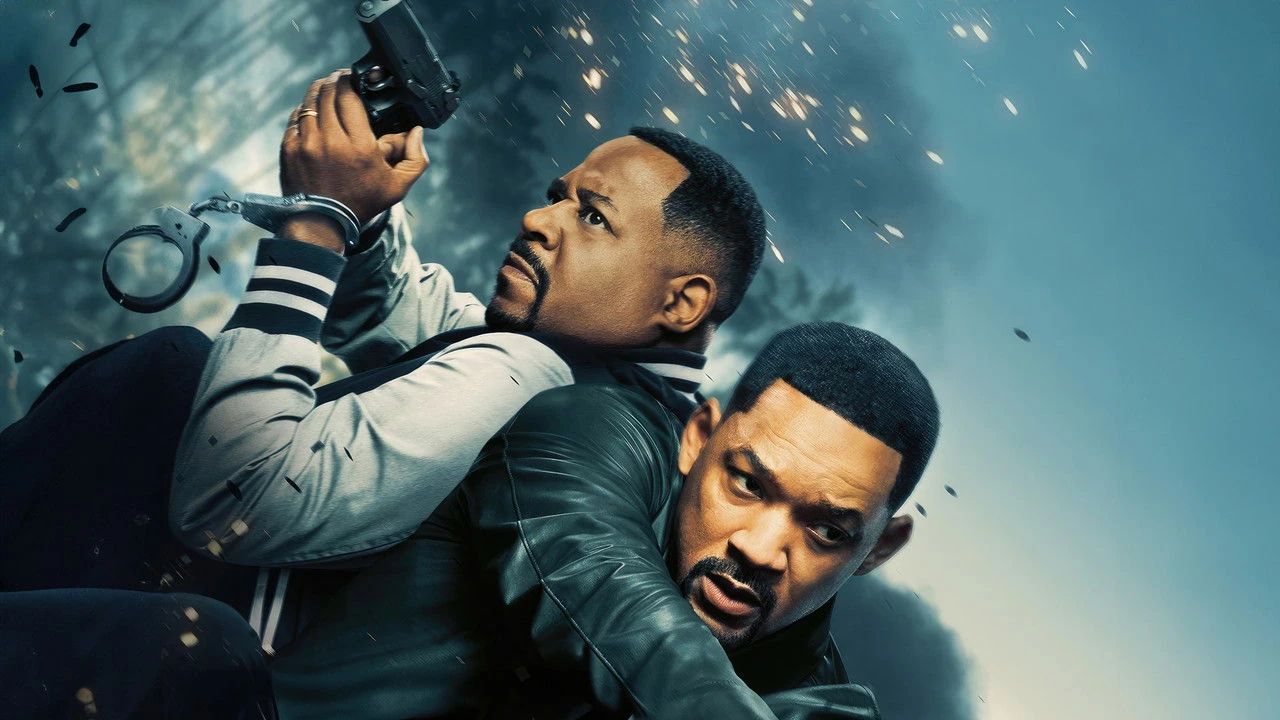 A dynamic shot captures the frenetic energy and innovative cinematography that defines the film’s action.
Confronting Mortality in a High-Octane World
This is where Bad Boys: Ride or Die truly surprised me. Beneath the gloss and the explosions, it grapples with the uncomfortable truth that even action heroes age. Mike Lowrey, ever the stoic, finally gets married, hinting at a desire for a life beyond the badge. Marcus Burnett stares death in the face and comes back with a new, albeit quirky, perspective on mortality. The film flirts with serious themes: the fear of slowing down, the realization that the body isn’t as capable as it once was, and the inevitable passage of time.
The constant “ride or die” mentality, once a symbol of youthful recklessness, takes on a heavier, almost melancholic, tone. It’s no longer just about adrenaline; it’s about a commitment to a life lived on the edge, even as that edge feels further away, or perhaps, closer to an ultimate precipice. The philosophical question it raises, even if unintentionally, is profound: What gives life meaning when the youthful vigor that defined you begins to wane? Is it the continuation of the fight, the unwavering loyalty to your partner, or the acceptance of a changing role? The film doesn’t offer easy answers, instead portraying two men who, despite their individual reckonings, choose to face their twilight years the only way they know how: together, guns blazing, and never backing down. This isn’t just about clearing a name; it’s about proving to themselves, and to each other, that their story isn’t over yet. It’s a desperate, defiant roar against the quiet surrender of aging.
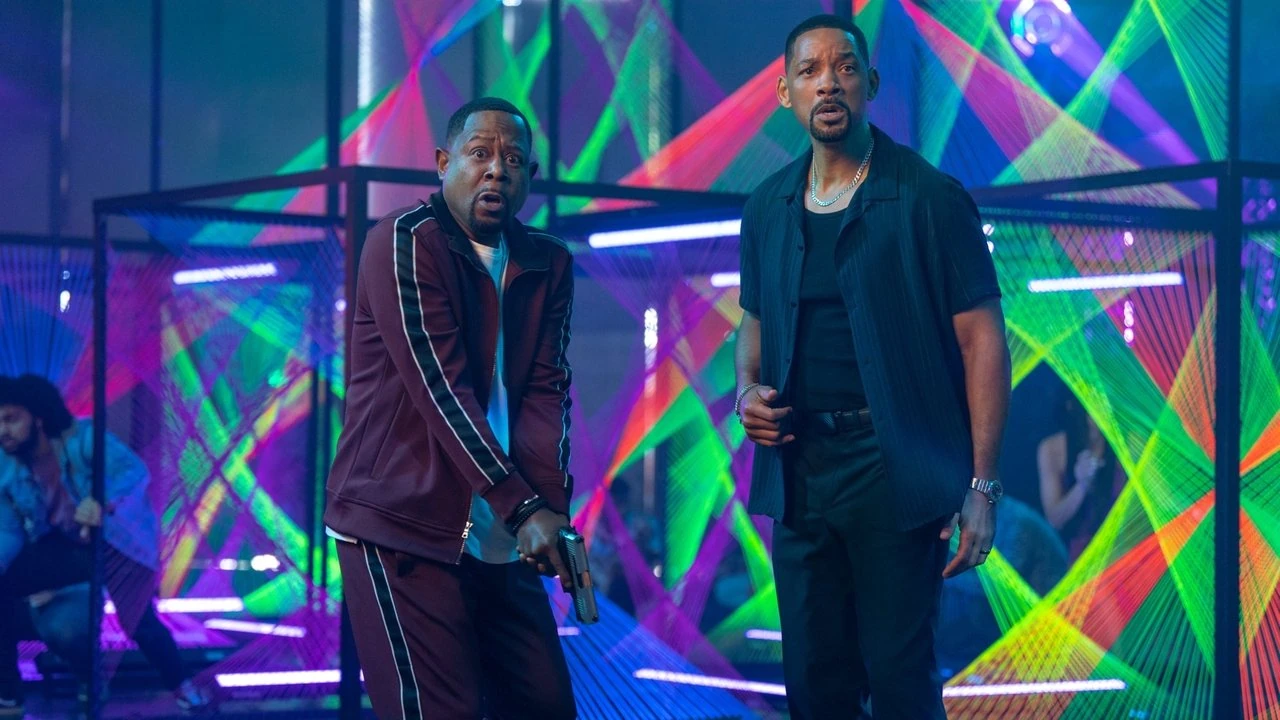 The quiet moments, often overshadowed by action, reveal the characters’ inner struggles and fears.
While Bad Boys: Ride or Die might ultimately be remembered as a fun, if flawed, summer blockbuster, its accidental philosophical undertones about aging, loyalty, and the relentless pursuit of purpose in the face of an absurd, chaotic world are surprisingly resonant. It’s a reminder that even the most bombastic narratives can hold a mirror to our own existential anxieties.
So, does Bad Boys: Ride or Die redefine the action genre or offer groundbreaking philosophy? No, not really. But it does what the best popcorn cinema often does: it entertains while subtly, perhaps even accidentally, prodding at deeper questions. It asks us, in its own loud, chaotic way, what we truly “ride or die” for, and what legacy we hope to leave behind when our own high-octane adventures inevitably slow down.
Where to Watch
- Currently in theaters (as of initial release). Check local listings for streaming availability as it becomes available.
What’s Up? explores the philosophical depths of cinema.