The Weight of Gods: Batman v Superman's Divisive Dawn
Diving into Zack Snyder's Batman v Superman, we explore its polarizing reception and the profound philosophical questions it dares to ask about heroism and humanity.
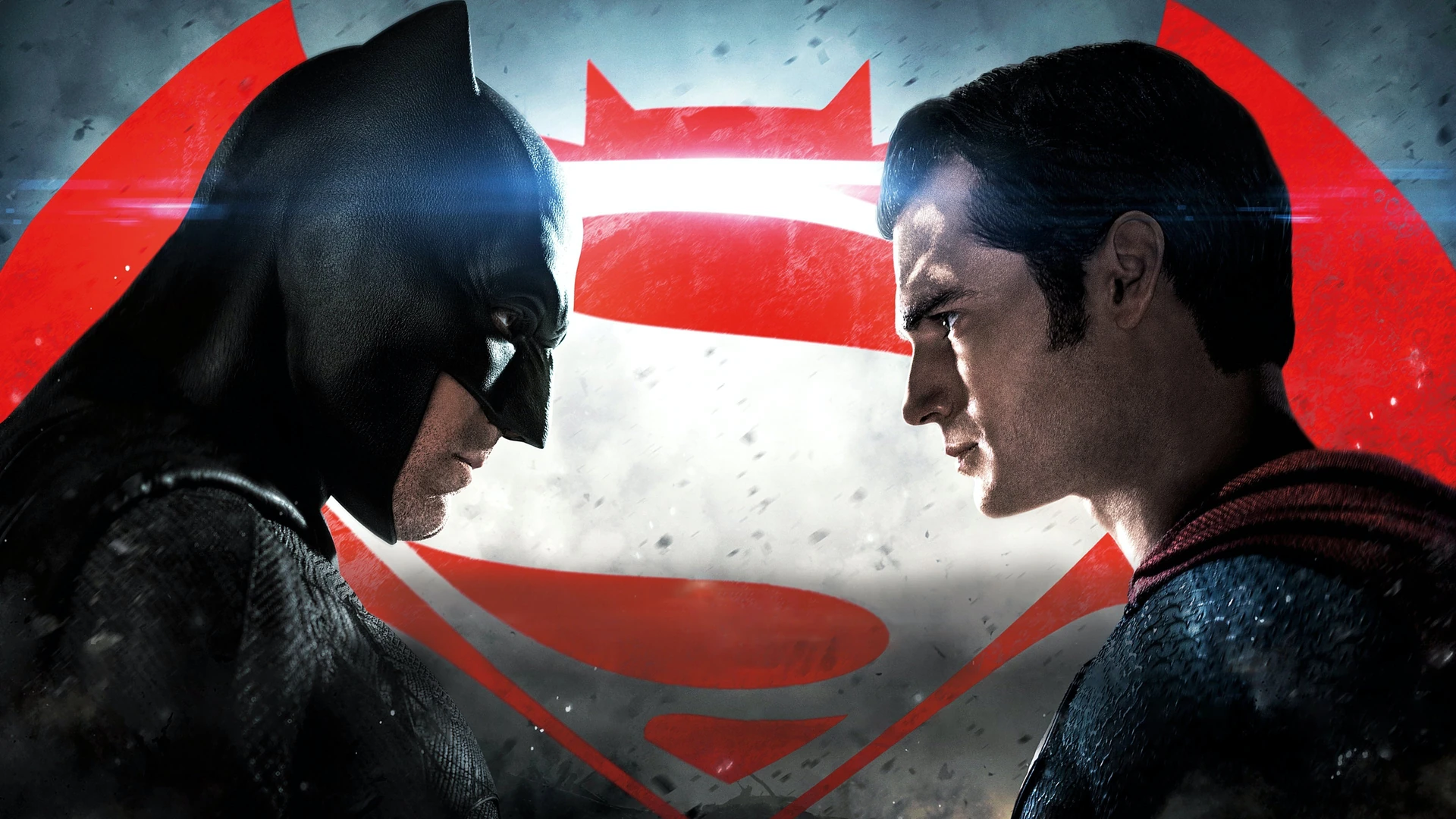
“The world is not a place of good or evil; it is a place where good and evil struggle.” — Unknown
When Batman v Superman: Dawn of Justice hit theaters in 2016, it wasn’t just a movie; it was a cultural event, poised to kickstart a cinematic universe. Directed by Zack Snyder, this ambitious behemoth promised an epic clash between two of pop culture’s most iconic figures. What we got was something far more complicated, polarizing, and, dare I say, philosophically messy. With a dismal 29% on Rotten Tomatoes and a Metacritic score of 44, critical reception was, to put it mildly, brutal. Audiences were divided too, with some praising its visual ambition and darker tone, while others echoed critics’ complaints about its convoluted plot, uneven pacing, and often joyless demeanor. Yet, for all its undeniable flaws, Batman v Superman remains a fascinating artifact, a grand, if clumsy, attempt to grapple with profound questions about power, fear, and the very nature of heroism.
The Burden of Godhood and Human Fear
Snyder’s vision for Batman v Superman wasn’t interested in the easy answers. From its opening frames, it plunged us into a world reeling from the destructive events of Man of Steel, forcing humanity to confront the terrifying reality of a god-like alien in their midst. This isn’t just a superhero movie; it’s a metaphysical inquiry into humanity’s relationship with the divine, or something close to it. The film asks: what happens when the ultimate power is wielded by a being who is not one of us? Superman (Henry Cavill) is depicted not as a universally beloved savior, but as an object of both awe and profound suspicion.
This theme is perfectly embodied by Ben Affleck’s grizzled, weary Batman, who witnesses the collateral damage of Superman’s fight with Zod firsthand. His fear isn’t irrational; it’s a primal, human response to overwhelming, unchecked power. Bruce Wayne, scarred by years of battling Gotham’s worst, sees Superman as an existential threat, a potential tyrant who could, at any moment, decide humanity is no longer worth saving. Critics often pointed to the film’s relentless grimness and lack of levity, but this grimness is precisely the canvas on which Snyder paints his exploration of paranoia and the deconstruction of myth. He tears down the idealized image of Superman to examine the fear underneath.
Key themes explored:
- Fear of the Other — The alien as a perceived threat to human sovereignty.
- Unchecked Power — The ethical dilemma of a being beyond human accountability.
- Deconstruction of Myth — Stripping away the idealized hero to reveal vulnerability and danger.
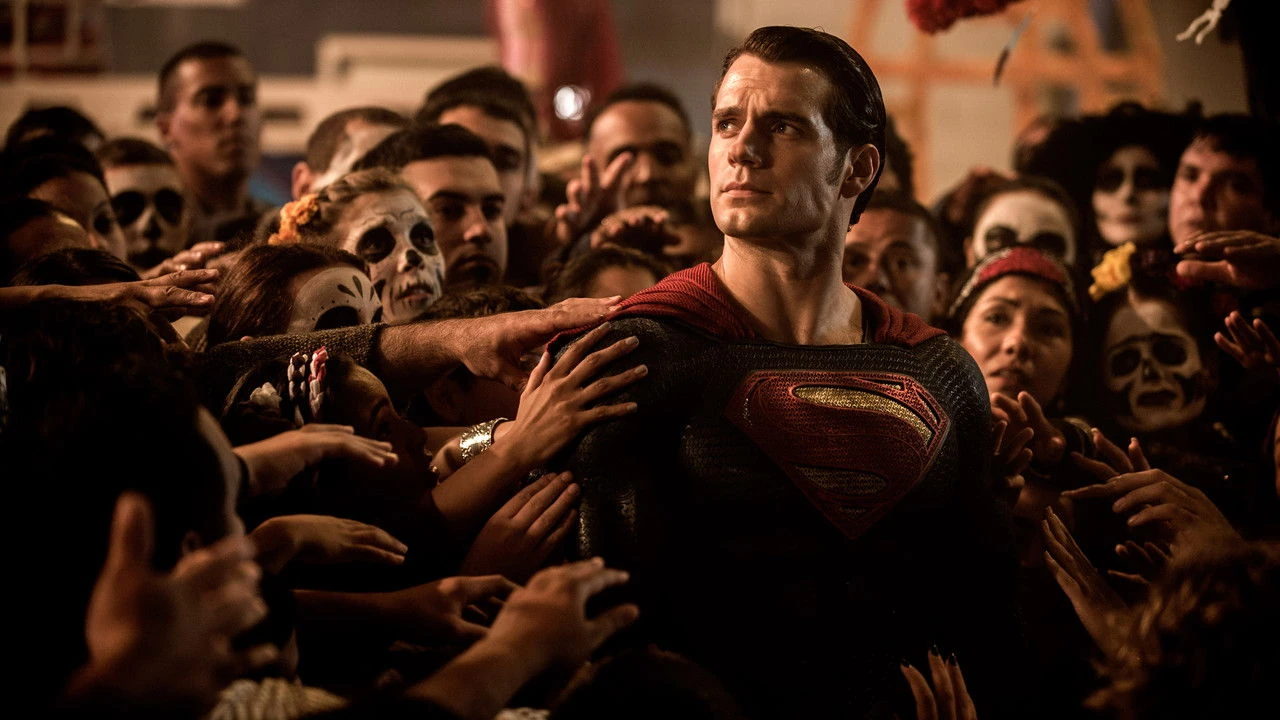 A powerful shot encapsulating the dark, brooding tone and the monumental clash of ideologies.
What Works, What Doesn’t, and the Infamous “Martha”
It’s impossible to discuss Batman v Superman without acknowledging its heavily scrutinized elements. The film’s biggest criticism, frequently cited by both critics and a large segment of the audience, was its convoluted plot structure and uneven pacing. It felt overstuffed, trying to lay the groundwork for an entire cinematic universe while simultaneously telling a deeply personal, character-driven story. Many found Jesse Eisenberg’s manic, eccentric portrayal of Lex Luthor jarring and distracting, a far cry from the calculating villain of the comics. The “Martha” scene, intended as the emotional fulcrum for Batman’s change of heart, landed with a thud for many, often ridiculed for its perceived absurdity in such a high-stakes confrontation.
However, amidst these undeniable weaknesses, there were glimmers of brilliance. Ben Affleck’s Batman, a brutal, disillusioned veteran of crime-fighting, was widely praised. His physical presence and weary performance captured a Caped Crusader pushed to his limits, haunted by his past. Gal Gadot’s electrifying debut as Wonder Woman was a revelation, injecting much-needed charisma and action into the third act, a moment even many detractors conceded was a highlight. The visual ambition, a hallmark of Snyder’s style, delivered some truly iconic, almost painterly, sequences that felt ripped from the pages of a graphic novel. The core idea of these two titans clashing, fueled by philosophical differences rather than simple villainy, held a genuine, albeit often unrealized, promise.
The film’s genius, however fleeting, lies in its willingness to confront the uncomfortable truth that even our heroes can be perceived as threats, forcing us to question the very foundations of our faith in power.
The movie tries to dissect the human condition through the lens of god-like beings. Batman represents humanity’s basest fears and its potential for destructive vigilance, while Superman embodies a kind of struggling divinity, burdened by expectations and misunderstandings. The conflict isn’t just physical; it’s a clash of worldviews – utilitarianism versus deontology, perhaps, or simply nihilism against hope.
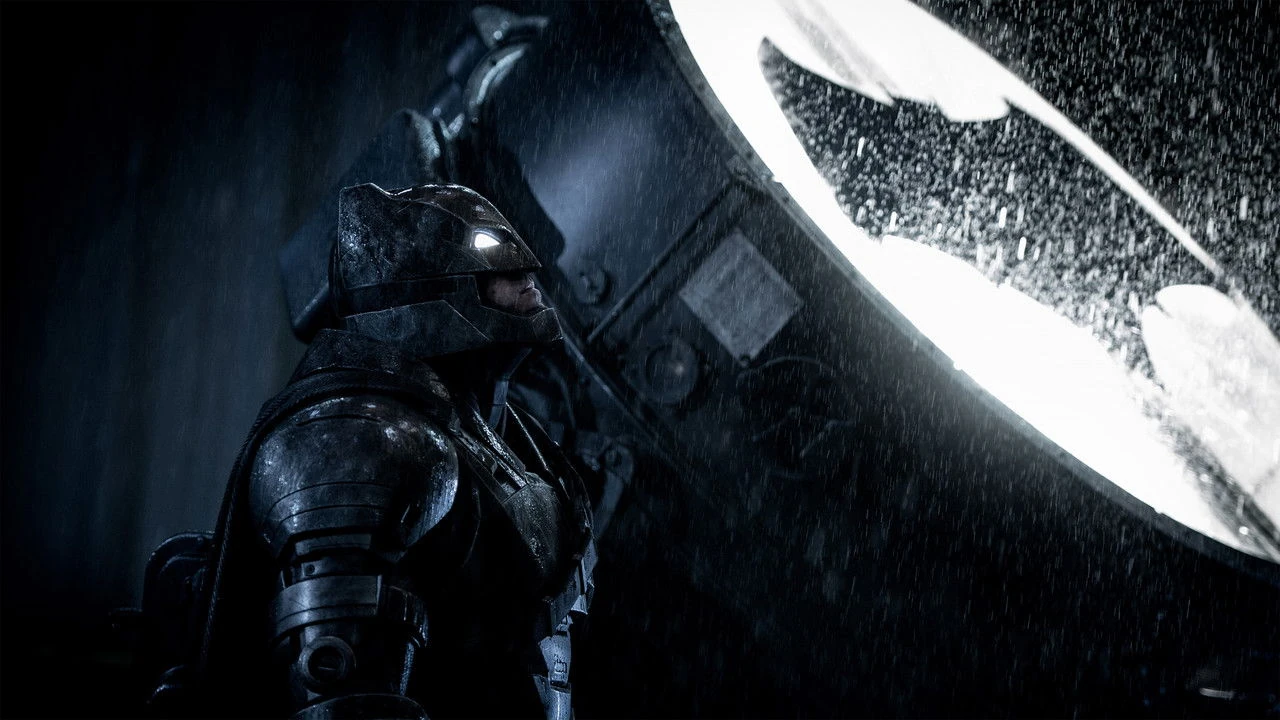 Wonder Woman’s iconic entrance, a beacon of strength and resolve amidst the chaos.
Beyond the Surface: A Flawed Reflection of Our Times
Despite the critical drubbing, and even with its structural issues, Batman v Superman does succeed in raising profound, often uncomfortable, questions. It reflects a post-9/11 world, where trust in authority figures is eroded, and the very concept of a “savior” is viewed with skepticism. Lex Luthor, as flawed as his execution might be, articulates a chilling philosophical point: if God is all-powerful, He cannot be all-good, and if He is all-good, He cannot be all-powerful. This is a direct challenge to theodicy, questioning the nature of divine benevolence in a world full of suffering, a suffering exacerbated, in this universe, by the very existence of super-beings.
The film forces us to consider the existential weight of heroism. What does it cost to be Superman? To constantly be held responsible for every global tragedy, to be both revered and reviled? And what does it cost to be Batman, to descend into darkness in the name of justice, becoming almost as monstrous as the villains he fights? Snyder’s bleak palette and often brutal action sequences underscore this sense of burden and moral compromise. It’s not a film that wants to make you feel good; it wants to make you think about the implications of ultimate power and the messy reality of trying to be good in a world that often rewards cynicism.
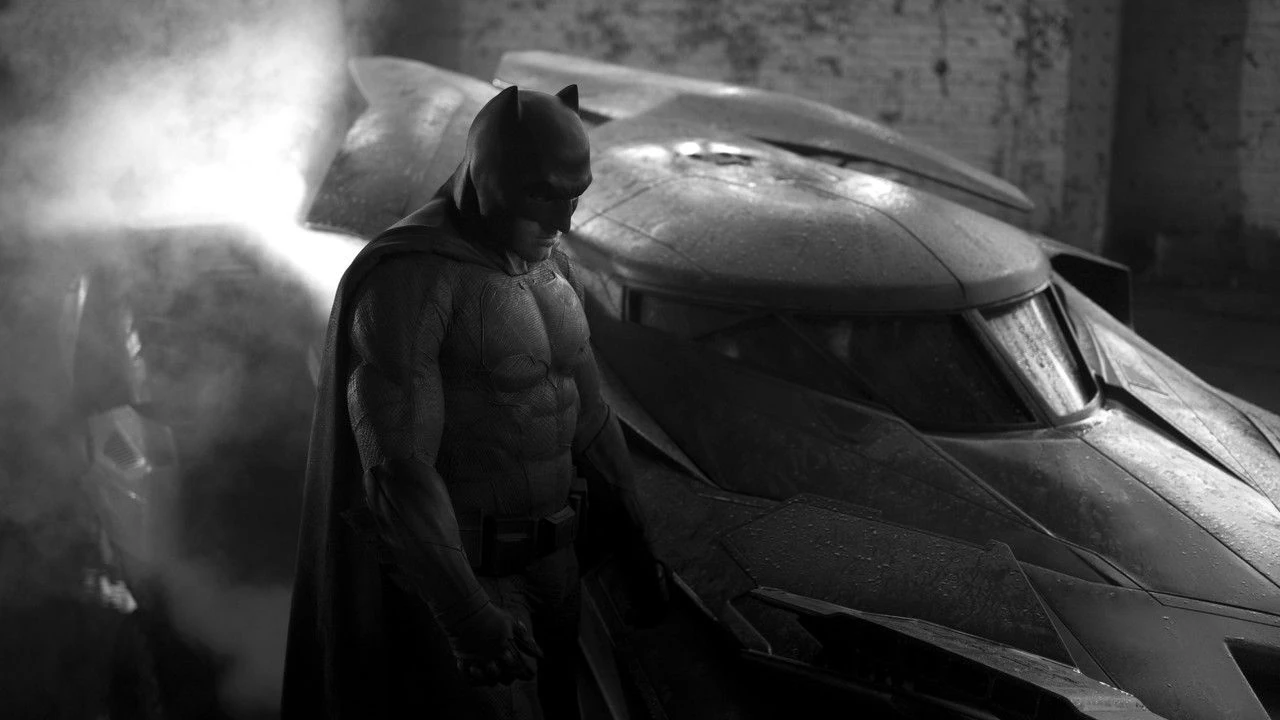 Superman caught in a moment of existential contemplation, burdened by the weight of the world’s judgment.
While Batman v Superman may forever be remembered for its mixed legacy and divisive reception, its unflinching gaze at the dark underbelly of heroism and its willingness to ask tough questions about fear, power, and humanity’s place in a world of gods ensures its philosophical relevance endures, a haunting echo of a world unsure of its saviors.
Ultimately, Batman v Superman: Dawn of Justice is a cinematic paradox. It’s a film often criticized for its narrative incoherence and excessive gloom, yet it’s undeniably rich with philosophical intent. It may not have been the crowd-pleasing blockbuster Warner Bros. hoped for, but it remains a bold, if flawed, attempt to imbue the superhero genre with a gravitas and intellectual inquiry rarely seen. It challenges us to look beyond the capes and powers, and to truly ponder what it means to be a hero, a god, or merely human, in a world that desperately needs to define its moral compass. Does it succeed in answering these questions? Perhaps not definitively, but in the asking, it leaves a lasting impression.
Where to Watch
- HBO Max
- HBO Max Amazon Channel
- TNT
- TBS
- tru TV
What’s Up? explores the philosophical depths of cinema.