Berlin's Grand Ambition: A Flawed Ode to the Art of Being Alive
Exploring the prequel series Berlin, and how its pursuit of hedonism and grand gestures reveals a deeper philosophical yearning, despite critical reception.
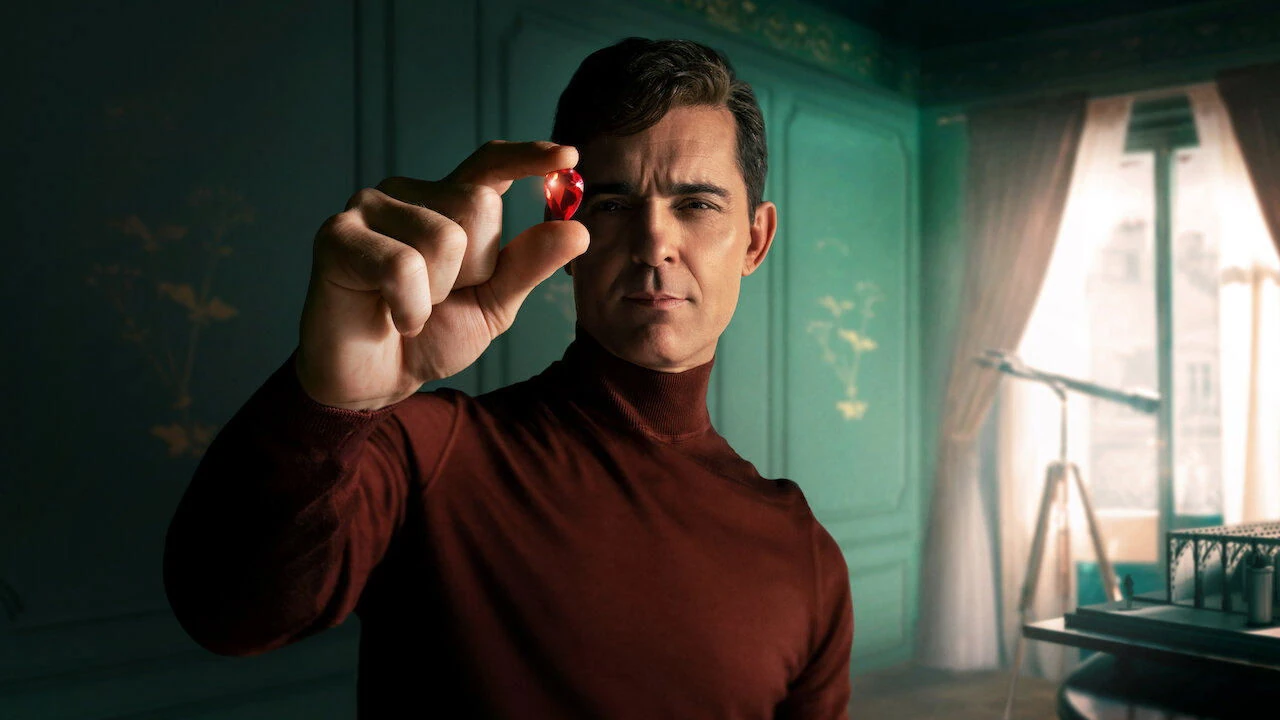
“To live is to desire, and to desire is to be in want. Yet, in the pursuit of what we lack, we often define what we truly are.” — Adapted from a philosophical maxim
Ah, Berlin. The name alone conjures images of suave sophistication, audacious plans, and a certain self-destructive charm, largely thanks to Pedro Alonso’s unforgettable portrayal in Money Heist. When Netflix announced a prequel series, Berlin (2023), dedicated to the character’s “glory days,” the anticipation was palpable. Yet, the ensuing reality, as many critics and viewers quickly pointed out, was a considerably mixed bag. With a notably low 46% audience score on Rotten Tomatoes and a middling 6.8/10 on IMDb, the consensus often boiled down to a single, inescapable question: Did we really need this? Despite its often-criticized pacing, convoluted romantic subplots, and a distinct lack of the nail-biting tension that defined its predecessor, the series, for all its flaws, inadvertently provides a fascinating, if somewhat accidental, canvas for exploring the existential dimensions of a life lived solely for sensation and spectacle.
The Grand Illusion of Self
The premise of Berlin centers on a younger Andrés de Fonollosa, before the terminal illness and the ultimate sacrifice, gathering a new gang in Paris for a daring jewel heist. Here, Berlin isn’t merely a supporting act; he’s the star, the maestro of both crime and romance. This shift, however, proves to be the series’ double-edged sword. As a central figure, Berlin’s notorious hedonism and self-aggrandizing philosophy are amplified. He preaches that crime is an art form, a pursuit of beauty, a way to truly feel alive. But what does it mean when the pursuit of this “art” feels more like a shallow indulgence than a profound rebellion?
Critics often noted that making Berlin the protagonist stripped away some of his enigmatic allure. His flaws, previously intriguing when viewed through the lens of a supporting character, become more glaring and less charming when given center stage. We’re meant to see a man driven by an insatiable desire for love, beauty, and grand gestures, but often, what we get is a character who feels a touch too self-absorbed, his philosophical pronouncements bordering on the cliché. This raises a crucial philosophical question: Is authenticity truly found in the pursuit of an idealized self, even if that self is crafted from theatrical flair and criminal enterprise? Or does the constant performance ultimately hollow out the performer? Berlin seems trapped in a perpetual state of becoming, forever chasing the next perfect moment, the next grand declaration of love, the next impossible heist, perhaps as a desperate attempt to outrun an unspoken existential void.
 Berlin, always impeccably dressed, navigates the elegant streets of Paris, a setting as polished as his carefully constructed persona.
A Caper of Contradictions: Charm vs. Substance
The series attempts to weave together a complex tapestry of action, crime, drama, mystery, and thriller elements, but often struggles to maintain a consistent tone or compelling narrative momentum. Many viewers felt that the heart of the show – the heist itself – frequently took a backseat to Berlin’s numerous romantic entanglements. These love stories, involving both Berlin and his crew, were largely perceived as forced and lacking genuine emotional resonance, frequently derailing the narrative rather than enriching it. “It felt like a romance novel disguised as a heist show,” one common critique echoed across reviews.
This isn’t just a story of a heist; it’s an unwitting meditation on the perils of mistaking superficial charm for genuine depth, a chase for external validation masking an internal emptiness.
Where Money Heist expertly balanced intricate planning, high stakes, and character development, Berlin often leaned heavily on its aesthetic appeal and the charismatic performance of Pedro Alonso, hoping these elements would compensate for a less compelling plot. The elaborate planning of the jewel theft, while visually engaging in parts, lacked the ingenuity and tension that made the original series so captivating. We see dazzling Parisian backdrops and stylish outfits, a constant visual feast, yet the emotional and narrative stakes often feel surprisingly low. This disconnect between the show’s glossy surface and its narrative depth led many to feel that it was an ultimately unfulfilling spectacle, a beautiful package with too little substance inside. The series becomes a fascinating study in the art of almost achieving greatness, falling short not necessarily in its ambition, but in its execution of the very human stories it tries to tell.
 The crew, a tapestry of personalities and desires, united by Berlin’s grand scheme, yet often pulled apart by their own emotional complexities.
The Ephemeral Nature of Desire
Despite its acknowledged narrative weaknesses and critical divisiveness, Berlin does provoke deeper philosophical contemplation, particularly concerning the nature of desire itself. Berlin’s entire philosophy is built upon the pursuit of what he wants: love, adoration, priceless jewels, the thrill of the impossible, the feeling of absolute freedom. His life is a relentless quest for the next grand sensation, a constant reaffirmation of his own existence through extraordinary acts.
This relentless pursuit, however, often leads to a fleeting satisfaction. The jewels are stolen, the love affairs ignite, but then what? The series, perhaps unintentionally, exposes the cyclical, often unfulfilling nature of pure hedonism when it’s divorced from deeper purpose or genuine connection. Berlin’s grand plans, his elaborate romances, become a series of distractions, beautiful diversions from the inevitable realities of life and death, which loom larger in his original narrative. The prequel shows us a man desperately trying to outrun his own mortality by living as intensely as possible, believing that the sum of these extraordinary moments will somehow equate to a meaningful life. It forces us to ask: Can a life defined by constant yearning ever truly be content? Is the thrill of the chase inherently more valuable than the prize itself? And what happens when the very things we chase, like love and glory, prove to be as ephemeral as the Parisian dawn?
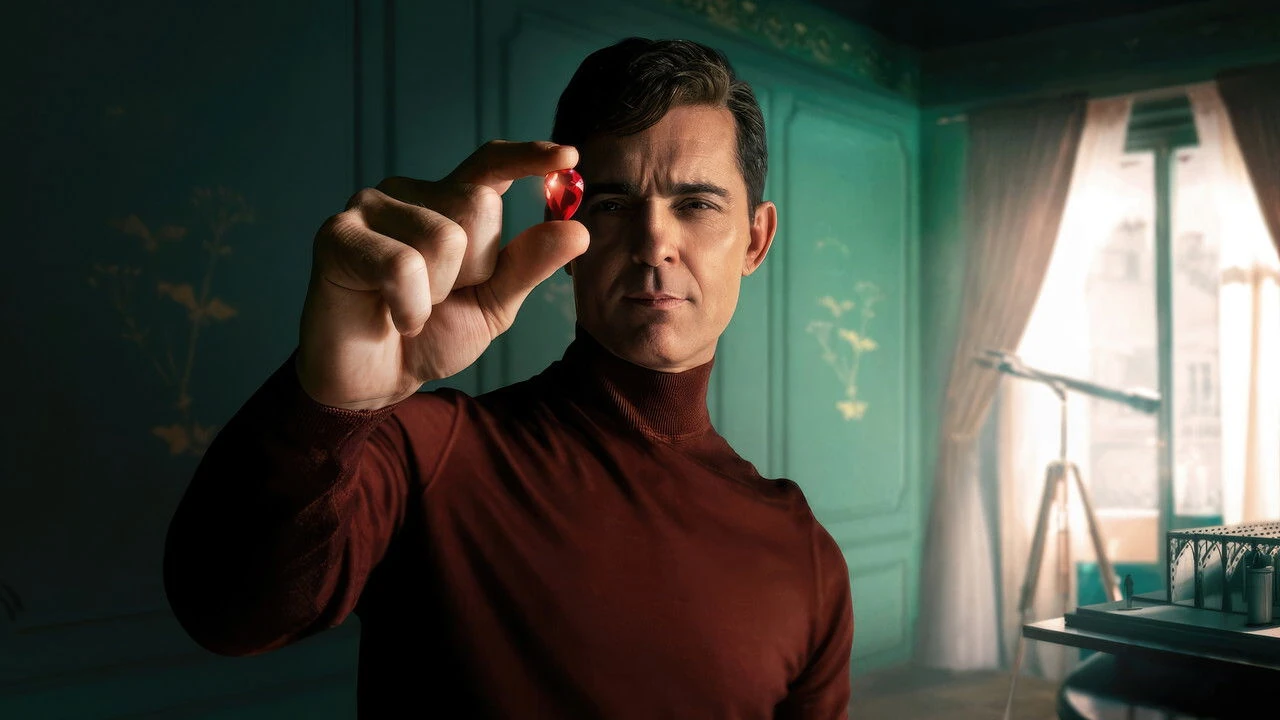
 A moment of stolen beauty, perhaps a jewel, perhaps a glance, fleeting and precious, mirroring the transient nature of Berlin’s desires.
“The true tragedy isn’t in failing to achieve one’s grand design, but in realizing that even its perfect execution leaves the soul untouched by lasting peace.”
Ultimately, Berlin (2023) will likely be remembered as a curious, flawed footnote in the Money Heist universe. It’s a series that, despite its potential and the undeniable charisma of its lead, struggled to forge its own compelling identity, often tripping over its own romantic pretensions and narrative shortcomings. Yet, even in its imperfections, it serves as a fascinating, albeit perhaps unintentional, philosophical case study. It presents a character whose entire being is a testament to the pursuit of the grand gesture, the beautiful crime, and the passionate romance, forcing us to consider the ultimate satisfaction, or lack thereof, found in a life dedicated to the art of desiring. It makes us ponder if the relentless chase for sensation is truly living, or merely a beautifully orchestrated escape from the quiet terror of everyday existence.
Where to Watch
- Netflix
- Netflix Standard with Ads
What’s Up? explores the philosophical depths of cinema.