Black Mirror's Glaring Reflection: A Flawed Yet Essential Look at Humanity and Tech
Exploring the complex legacy of Black Mirror, an anthology series that holds a mirror to humanity's technological anxieties and ethical dilemmas, despite its mixed critical reception.
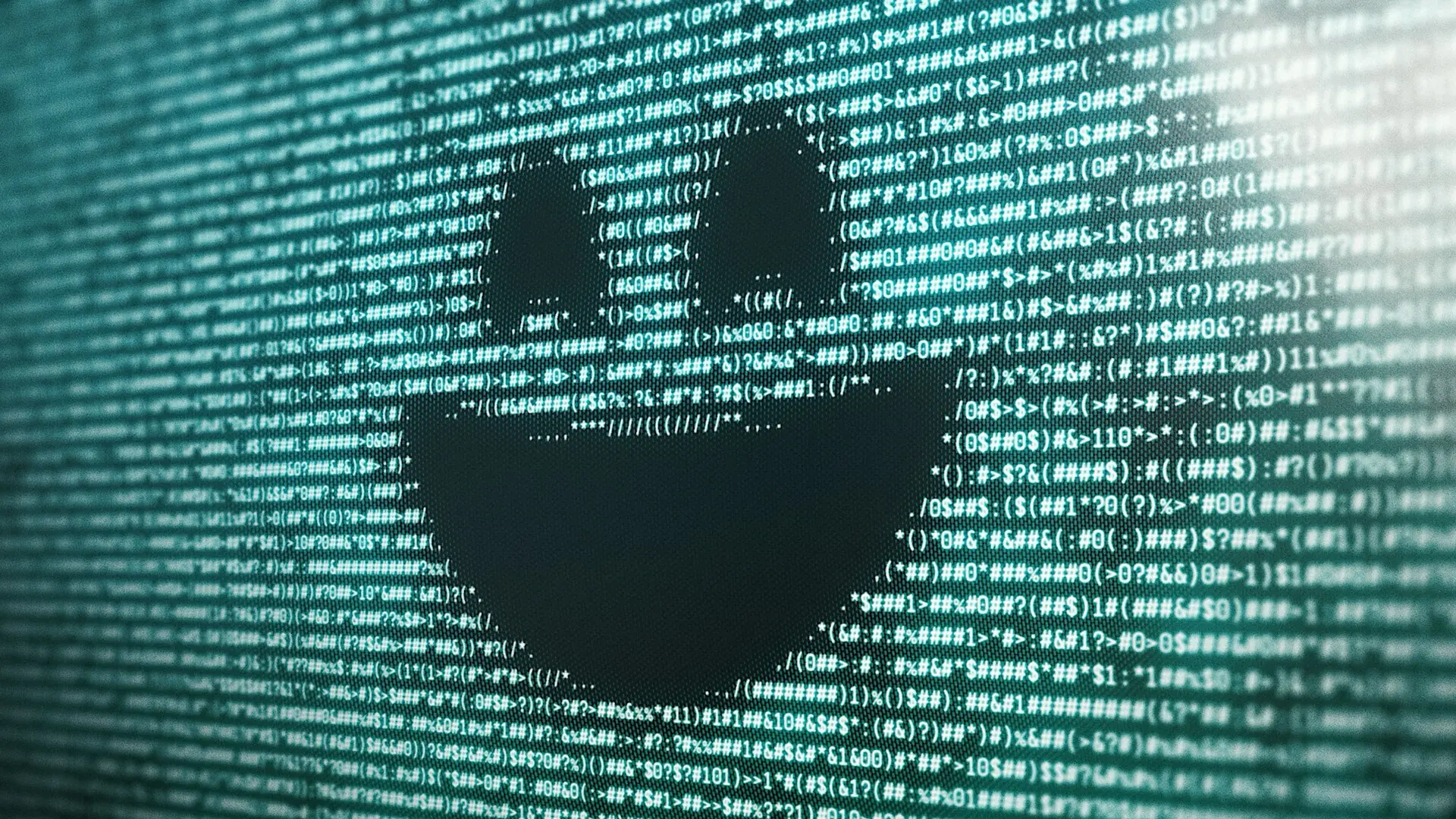
“Every technological marvel is but a new lens through which to behold our oldest fears.”
When Black Mirror first premiered in 2011, it wasn’t just a TV show; it was a cultural phenomenon, a chilling whisper that quickly escalated into a roar. This anthology series, conceived by Charlie Brooker, dared to hold up a dark, polished obsidian mirror to our collective technological anxieties, reflecting back the twisted potential of human nature when amplified by innovation. From its very first, notoriously provocative episode, the show immediately carved out a niche as essential, terrifying viewing. Yet, like any grand experiment, its journey has been marked by both soaring triumphs and noticeable stumbles, leading to a rather divisive legacy as seasons progressed. While initial critical reception was overwhelmingly positive, later installments often saw critics and audiences alike grappling with uneven quality, accusations of predictability, and a perceived shift in its unique British sensibility. But even with its acknowledged imperfections, Black Mirror remains an undeniably compelling and philosophically rich exploration of what it means to be human in an ever-accelerating digital age.
The Perilous Reflection: Technology as a Moral Mirror
At its heart, Black Mirror isn’t really about technology; it’s about us. The gadgets, the algorithms, the immersive virtual realities – these are merely sophisticated stage props for exploring the fragility of human ethics, the seductive allure of convenience, and our capacity for both profound connection and unimaginable cruelty. Each self-contained episode is a thought experiment, pushing a single technological premise to its logical, often horrifying, extreme. The brilliance of its early seasons, widely lauded by critics for their sharp writing and biting satire, lay in their uncanny ability to predict societal trends and psychological pitfalls before they fully materialized.
The series dissects themes like:
- Identity and selfhood in a world of digital avatars and consciousness transfers.
- The ethics of surveillance and the erosion of privacy in an interconnected society.
- The tyranny of social validation and the performative nature of online existence.
- The illusion of control as technology automates our lives and choices.
Early episodes like “The Entire History of You” (S1, E3), with its memory-replaying implants, and “Be Right Back” (S2, E1), exploring AI grief, resonated deeply because they tapped into universal human experiences – love, loss, regret – and twisted them through a technological lens. They made us confront how our deepest desires, amplified by tech, could lead to unforeseen ethical quagmires. Critics at the time praised the show’s prescience and its ability to deliver genuine horror not from monsters, but from ourselves.
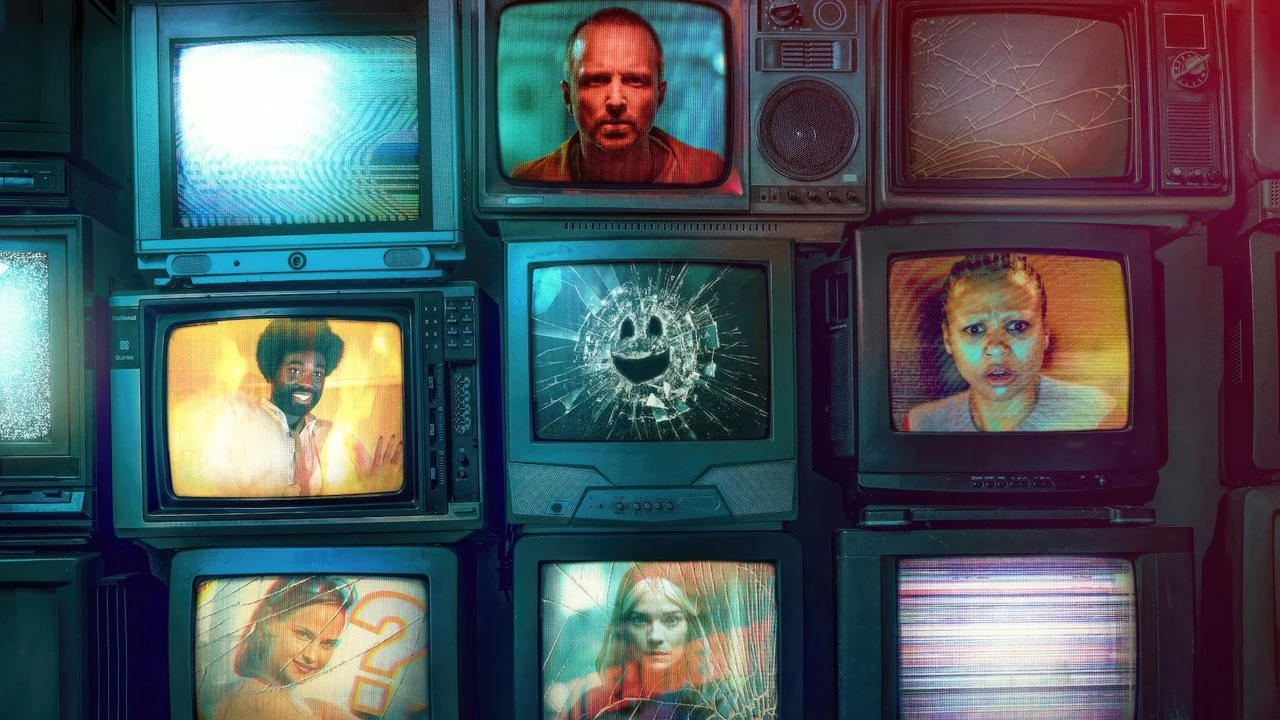 A lone figure consumed by a screen, reflecting the series’ core theme of technological isolation and introspection.
The Cracks in the Screen: Unevenness and Diminishing Returns
However, as Black Mirror grew in scope and moved to a larger platform, the consensus began to fracture. The anthology format, while allowing for immense creative freedom, also became its Achilles’ heel. Critics and long-time viewers frequently pointed out the inconsistent quality between episodes and across seasons, particularly after its move to Netflix. While some episodes continued to be masterclasses in suspense and social commentary, others were dismissed as too on-the-nose, predictable, or simply lacking the subtle dread that defined its early success.
The show’s later seasons often wrestled with the challenge of maintaining its original bite, sometimes sacrificing nuance for spectacle, leading to a sense of “been there, done that” for even its most loyal fans.
Specific criticisms that emerged in reviews included:
- Predictable twists: Many felt the “dark twist” became a formula, easily anticipated by savvy viewers.
- Lost subtlety: Accusations that the show became less allegorical and more didactic, explicitly stating its anti-tech message rather than letting it unfold organically.
- Pacing issues: Some episodes, expanding to feature-film length, struggled to maintain tension or justify their runtime.
- Narrative dilution: With more episodes per season, the hit-to-miss ratio arguably declined, diminishing the overall impact of the series.
- Softening of the edge: A feeling that the show, at times, became less bleak or less willing to push truly uncomfortable boundaries, perhaps in an attempt to appeal to a broader international audience.
Despite these valid points, even in its less successful outings, Black Mirror rarely failed to provoke discussion. Even when an episode didn’t fully land, the underlying premise usually offered enough philosophical fodder to chew on long after the credits rolled.
 A fragmented cityscape under a bleak sky, symbolizing the dystopian anxieties woven into the fabric of Black Mirror.
Beyond the Glitch: The Enduring Existential Echo
For all its flaws and the ebb and flow of its critical reception, Black Mirror’s enduring value lies not just in its individual stories, but in the collective existential dread it cultivates. It forces us to confront uncomfortable questions about the very nature of our reality and our place within it. What does it mean to be “alive” when consciousness can be copied, simulated, or uploaded? Where does the soul reside when memories can be edited and emotions engineered? These aren’t just sci-fi hypotheticals; they are increasingly pertinent queries in a world hurtling towards transhumanism and pervasive AI.
The series often explores:
- The Crisis of Authenticity: How do we maintain genuine connections and a true sense of self in a world mediated by screens and algorithms designed to curate our experiences?
- Moral Responsibility in Innovation: Who is accountable when technology enables unprecedented harms, and how do we draw ethical lines in a rapidly evolving landscape?
- The Search for Meaning: In a world where distractions are infinite and discomfort can be digitally erased, what becomes of our capacity for growth, resilience, and genuine human striving?
Black Mirror acts as a modern cautionary fable, not against technology itself, but against our own unexamined desires and the unintended consequences of our pursuit of progress without wisdom. It challenges us to look beyond the sleek interfaces and dazzling innovations, to peer into the abyss of our own making, and to ask if the conveniences we gain are worth the parts of our humanity we might lose.
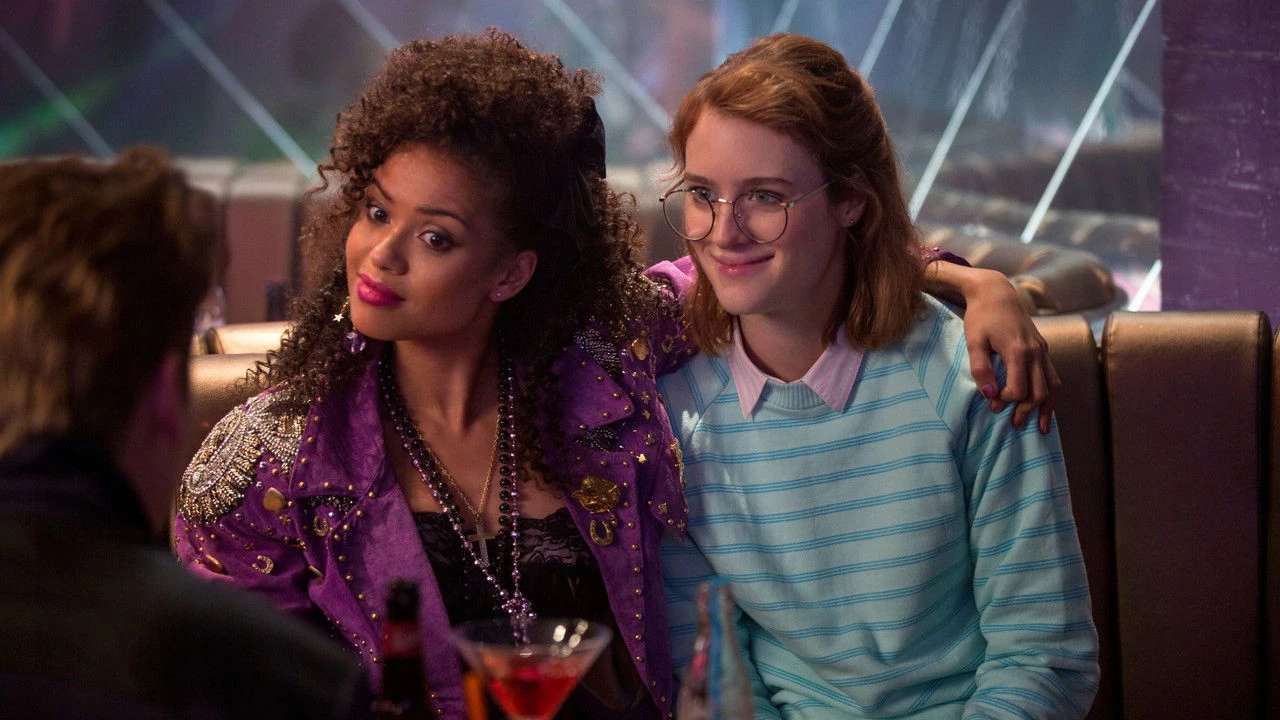 A human eye reflecting binary code, a stark visual metaphor for the blurred lines between human perception and digital reality that Black Mirror so expertly explores.
“The mirror never lies, but it only shows you what you’re willing to see in yourself.”
Ultimately, Black Mirror is a series with a complex, often contradictory legacy. It’s a show that peaked early but continued to command attention, generating fervent debate even when it faltered. Critics may have become more discerning, and audiences more divided, yet its core philosophical project remains vital. It holds up that dark, unforgiving mirror, not to condemn technology, but to implore us to scrutinize our own reflections. It asks us to question, to consider, and perhaps, to pull back from the brink of a future we might regret. What will our reflection show us next?
Where to Watch
- Netflix
- Netflix Standard with Ads
What’s Up? explores the philosophical depths of cinema.