The Unburdening of Utopia: Black Panther's Philosophical Reckoning
Black Panther wasn't just a superhero film; it was a profound meditation on leadership, isolation, and the ethical burden of power, wrestling with its own utopian ideals.
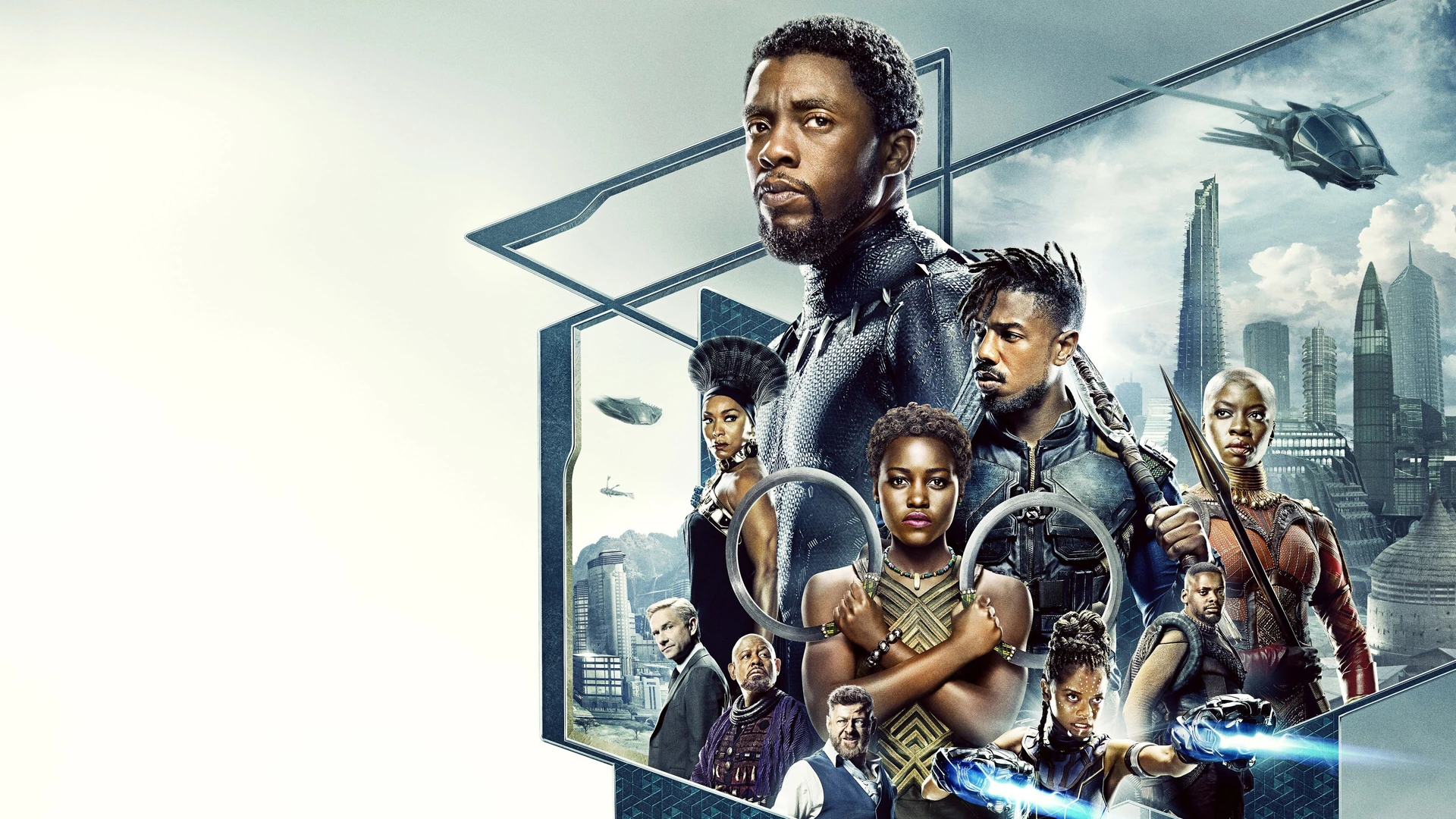
“The true measure of a man is not how he behaves in moments of comfort and convenience, but how he stands at times of controversy and challenge.” — Martin Luther King Jr.
When Black Panther exploded onto screens in 2018, it wasn’t just a blockbuster; it was a cultural phenomenon, a seismic shift in the superhero landscape. Critics, by and large, adored it, showering it with accolades that saw its Rotten Tomatoes score soar to a near-perfect 96% and Metacritic tallying a universally acclaimed 88/100. This wasn’t merely a commercial success; it was a statement. Yet, beneath the vibrant spectacle and the undeniable triumph of representation, Black Panther also presented a rich philosophical tapestry, one that, despite some minor quibbles about occasional CGI inconsistencies or a few conventional plot beats cited by a small segment of viewers, dared to ask profound questions about leadership, isolation, and the very nature of justice. It challenged us to look beyond the capes and powers, into the heart of a nation and a king grappling with the weight of history and the future.
The Weight of the Crown and the World
Ryan Coogler’s Black Panther centers on T’Challa, played with regal grace by the late Chadwick Boseman, as he ascends to the throne of Wakanda. This isn’t your typical superhero origin story where a hero gains powers; T’Challa inherits them, along with centuries of tradition and an almost unbearable burden of responsibility. The film immediately plunges us into an existential crisis of leadership: Is Wakanda’s long-held policy of isolation a virtue or a moral failing? For generations, this technologically advanced African nation has hidden its true nature from the world, safeguarding its vibranium and its people, creating a veritable utopia. But at what cost?
This isolation, while preserving Wakanda, has left the rest of the world to suffer, particularly people of African descent. T’Challa, as the new king, is immediately confronted with this moral paradox. His father’s legacy is one of secrecy, but the global realities of the 21st century demand a reckoning. The film forces us to ponder the ethics of non-interventionism: when does self-preservation become complicity? Is the hoarding of immense power, even for noble ends, justifiable when so much suffering exists outside your borders? This is a question many nations, and indeed individuals, have grappled with throughout history. While some critics occasionally pointed to the film’s pacing feeling a touch uneven in its setup, this initial philosophical groundwork is meticulously laid, drawing us into T’Challa’s personal and political dilemma.
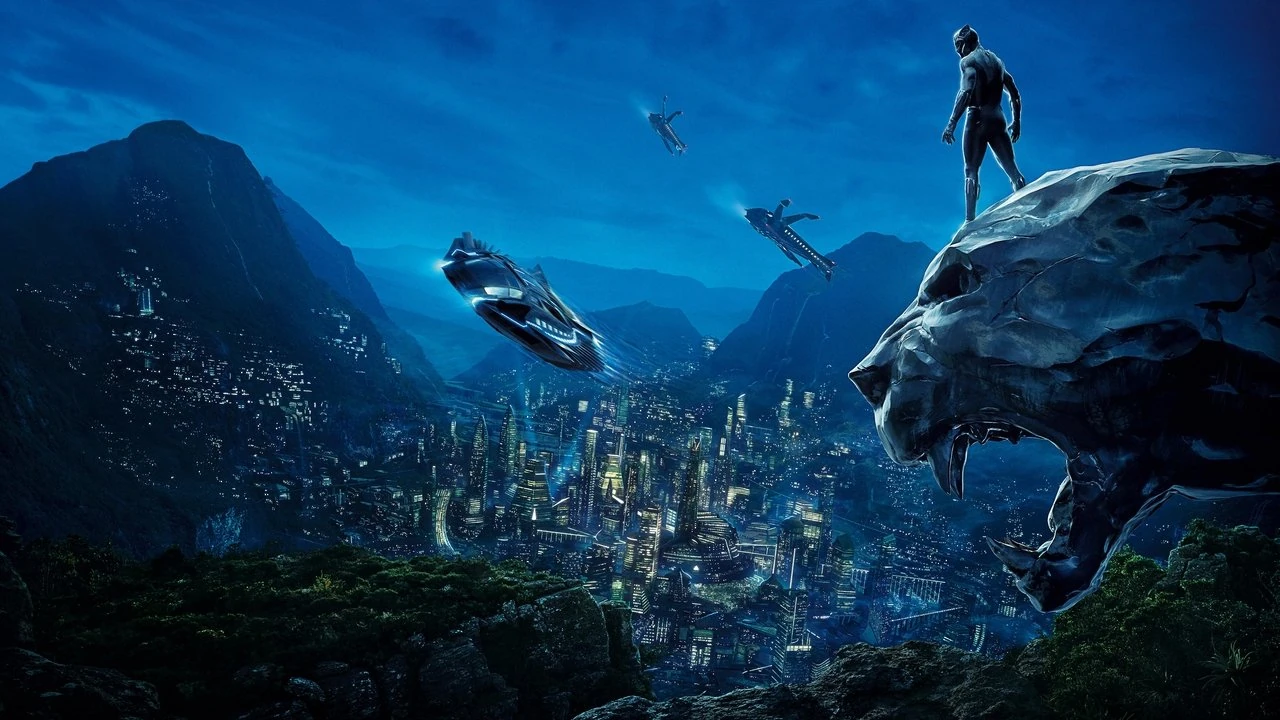 T’Challa confronts the past, a king grappling with the legacy of his ancestors and the moral weight of Wakanda’s isolation.
Killmonger’s Mirror: A Crisis of Identity and Justice
One of Black Panther’s undeniable strengths, universally lauded by critics and audiences alike, is its antagonist, Erik Killmonger, portrayed with raw intensity by Michael B. Jordan. He’s not just a villain; he’s a tragic figure, a distorted mirror reflecting Wakanda’s own unresolved conflicts. Killmonger’s philosophy is born of immense pain and injustice – the son of a Wakandan royal abandoned in America, he grew up witnessing the systemic oppression of black people globally, a suffering Wakanda chose to ignore. His rage isn’t baseless; it’s a potent, if misguided, demand for justice and retribution.
Killmonger forces T’Challa, and us, to confront the uncomfortable truth that Wakanda’s peace was built on a foundation of willful ignorance, a privilege maintained at the expense of others. His extremism highlights the profound ethical dilemma of historical injustice and the potentially destructive nature of delayed reckoning.
Killmonger’s plan to arm oppressed people worldwide, while horrific in its potential for global conflict, stems from a desire to empower the marginalized, to correct centuries of imbalance. This presents T’Challa with a profound moral dilemma: his cousin’s methods are abhorrent, but the underlying grievance is legitimate. This isn’t a simple good-vs-evil battle; it’s a clash of ideologies about how to achieve liberation. Killmonger embodies a radical form of retributive justice, born from a sense of severe historical trauma. T’Challa, initially rooted in preserving the status quo, is forced to evolve, to recognize the validity of the pain that fuels Killmonger. The film doesn’t shy away from the discomfort of this confrontation, making Killmonger one of the most compelling and philosophically resonant villains in modern cinema, even for those few who felt some of the film’s broader plot beats adhered too closely to the Marvel formula.
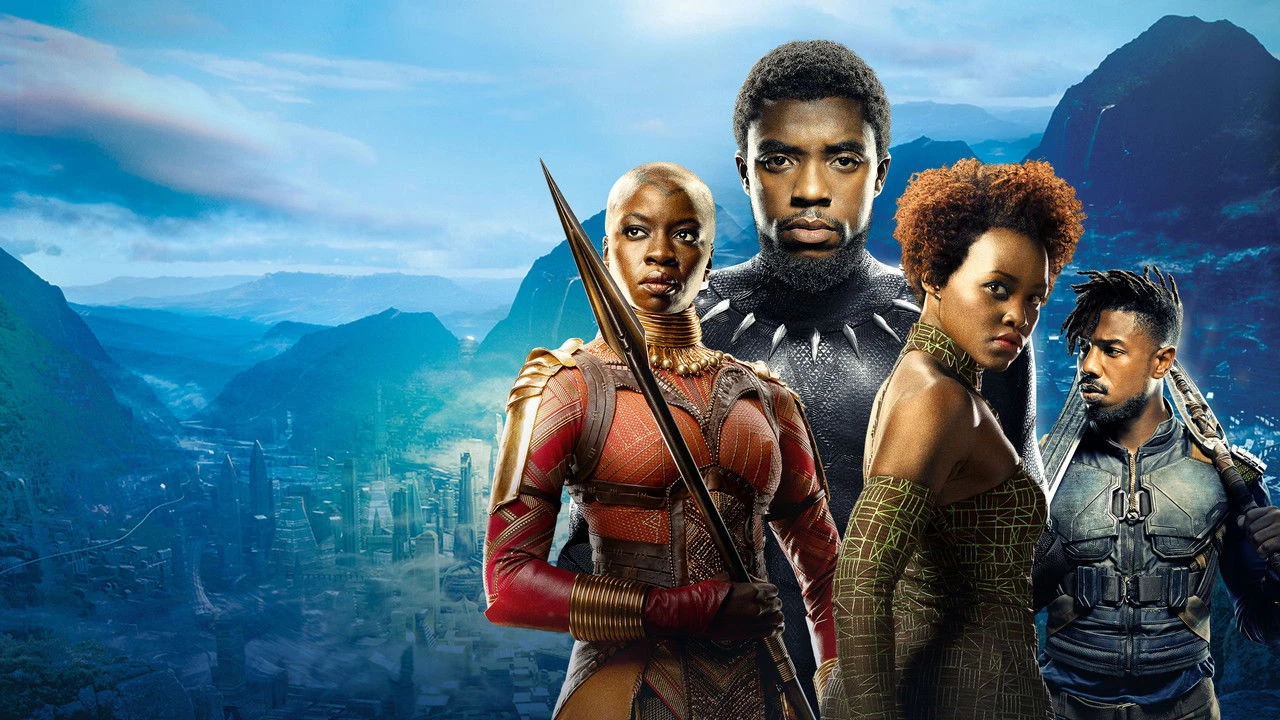 Erik Killmonger, a figure of compelling rage, challenges the very foundations of Wakandan exceptionalism.
Beyond the Surface: The Burden of Utopianism
Black Panther isn’t just about T’Challa or Killmonger; it’s about Wakanda itself – a gleaming, technologically advanced African nation that defies Western colonial narratives. It’s a powerful symbol, a realized utopia, yet the film masterfully dissects the inherent fragility and moral cost of such a state. Its advanced technology, enabled by vibranium, could have uplifted the world, but instead, it was hidden away. This raises fundamental questions about responsibility and power: what moral obligation do the privileged and powerful have to the suffering of others?
The film’s ultimate resolution, T’Challa’s decision to open Wakanda to the world, signifies a profound philosophical shift. It’s an acknowledgment that true strength isn’t found in isolation, but in connection and shared responsibility. It’s a move from a defensive, self-serving utopian ideal to one that actively engages with global challenges, understanding that true peace and prosperity cannot exist in a vacuum. This transformation is deeply hopeful, suggesting that even a nation built on centuries of tradition can evolve, can choose empathy and outreach over insularity. While some viewers found certain third-act CGI sequences slightly less polished than earlier parts of the film, the emotional and philosophical payoff of this choice remains impactful and clear.
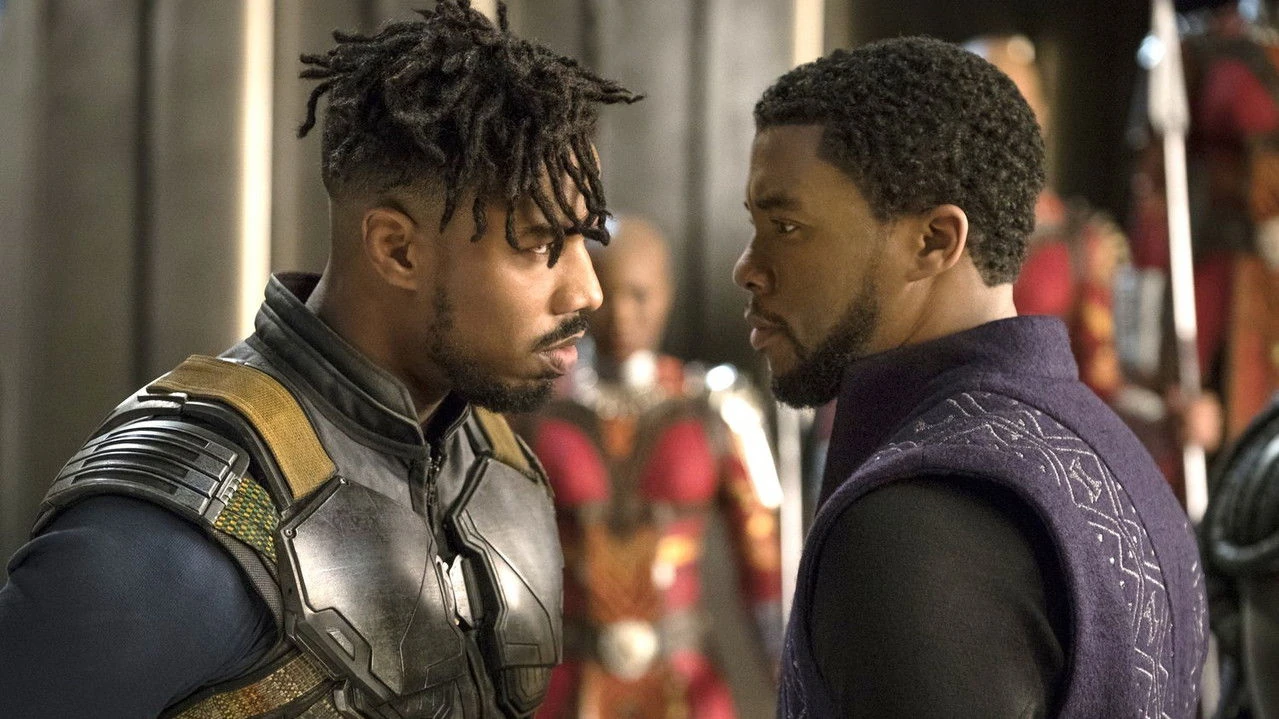 Wakanda’s vibrant skyline, a testament to what could be, but also a symbol of a choice between isolation and global responsibility.
The legacy of Black Panther is complex. It’s a story that challenges the very notion of a perfect society, revealing the hidden costs of its idealized existence. It leaves us with the unsettling truth that even the noblest intentions can pave the way for deep-seated injustices if left unchecked.
Ultimately, Black Panther isn’t just a thrilling action movie; it’s a philosophical inquiry into the nature of power, justice, and the global interconnectedness of humanity. It asks us to consider our own roles in a world rife with inequality and historical grievances. What do we owe each other? When is intervention a duty, and when is it overreach? And how do we heal the wounds of the past without perpetuating new cycles of violence? T’Challa’s journey from an insular protector to a global leader who opens Wakanda’s borders is a powerful metaphor for our collective responsibility, reminding us that true strength lies not just in what we protect, but in what we share.
Where to Watch
- Disney+
- Apple TV
- Amazon Prime Video
What’s Up? explores the philosophical depths of cinema.