Black Warrant's Shadow: A Pre-Release Meditation on Justice and Corruption's Grip
As Black Warrant approaches, we delve into its premise, speculating on the profound questions it might raise about justice, corruption, and individual morality within an unforgiving system.
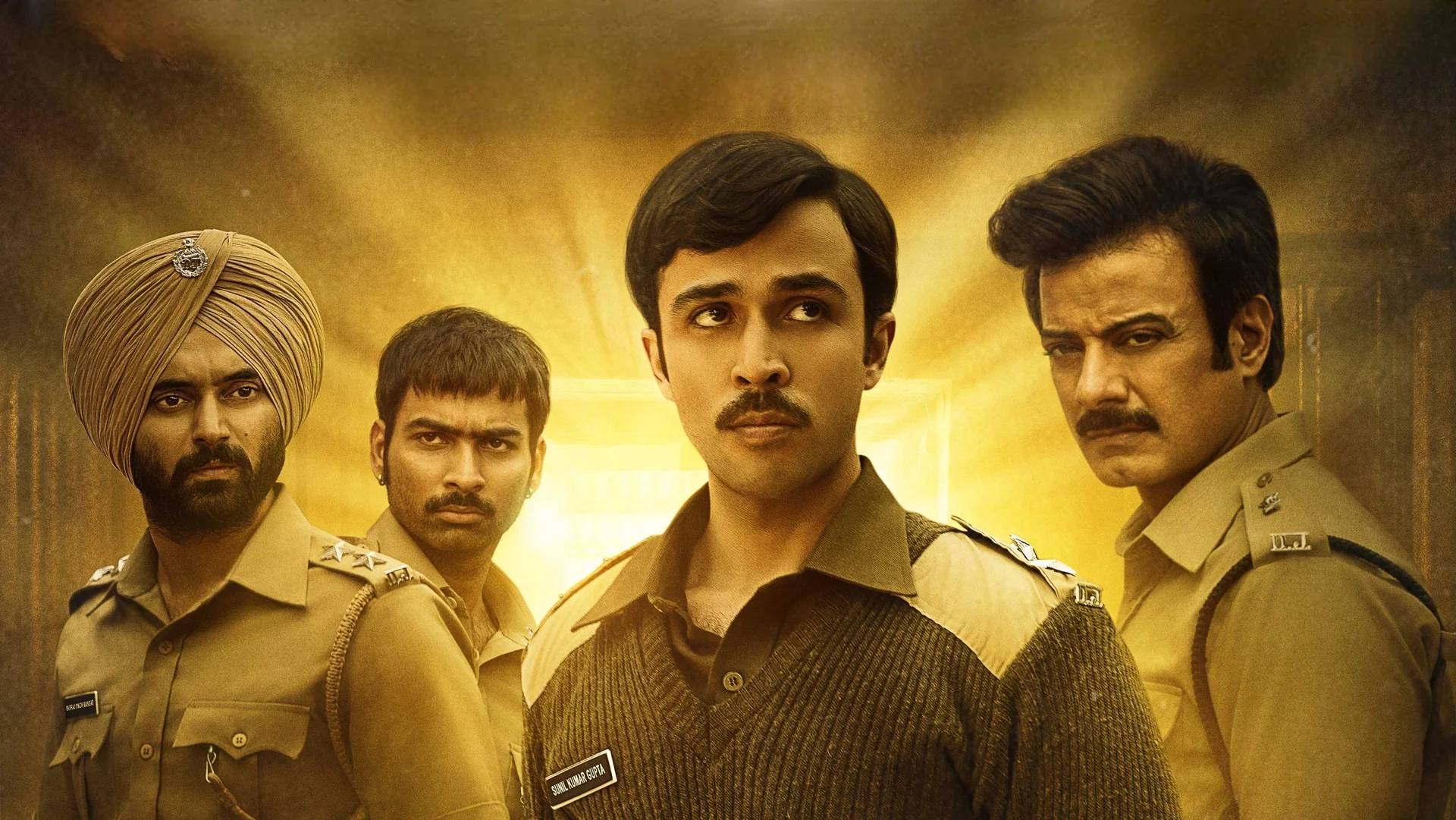
“The only thing necessary for the triumph of evil is for good men to do nothing.” — Edmund Burke
As we stand on the precipice of its 2025 release, Black Warrant emerges onto the cultural radar not with a fanfare of critical accolades or the roar of audience debate, but with the quiet promise of a premise that, if handled with care, could delve into some truly weighty philosophical territory. This upcoming TV series, set within the infamous Tihar Jail, introduces us to an upright officer whose vow to “make amends” after witnessing “cold-blooded corruption” immediately signals a narrative steeped in moral conflict. Since the series hasn’t yet premiered, we’re left not with reviews to dissect, but with the fascinating opportunity to anticipate the philosophical currents it might stir – and perhaps, the potential narrative shoals it might encounter.
The Imprisoned Soul: Justice Versus The System
The very core of Black Warrant’s synopsis hinges on a classic, yet eternally relevant, ethical dilemma: what happens when the very institutions designed to uphold justice become its greatest impediment? Our protagonist, an officer entering Tihar Jail, isn’t just witnessing petty crime; he’s seeing “cold-blooded corruption” woven into the fabric of the system itself. This isn’t merely about good guys and bad guys; it’s about the more insidious question of systemic evil.
For any series venturing into this terrain, the challenge lies in portraying this corruption with nuance. Will it be a cartoonishly evil warden, or something far more chilling – a pervasive, almost invisible force that shapes every interaction, every decision? The philosophical weight here is immense. It forces us to confront:
- The fragility of morality in environments designed to strip away agency.
- The banality of evil when corruption becomes routine.
- The power of individual will against overwhelming odds.
The danger, of course, is falling into cliché. The “one good man” trope can feel overly simplistic if the system’s complexity isn’t fully realized. Critics, if this narrative path isn’t deftly navigated, might well point to a lack of originality or a superficial understanding of institutional decay. But if Black Warrant dares to show us how good intentions are co-opted, how principles erode, and how seemingly minor compromises pave the way for major injustices, it could offer a profound meditation on the nature of societal breakdown.
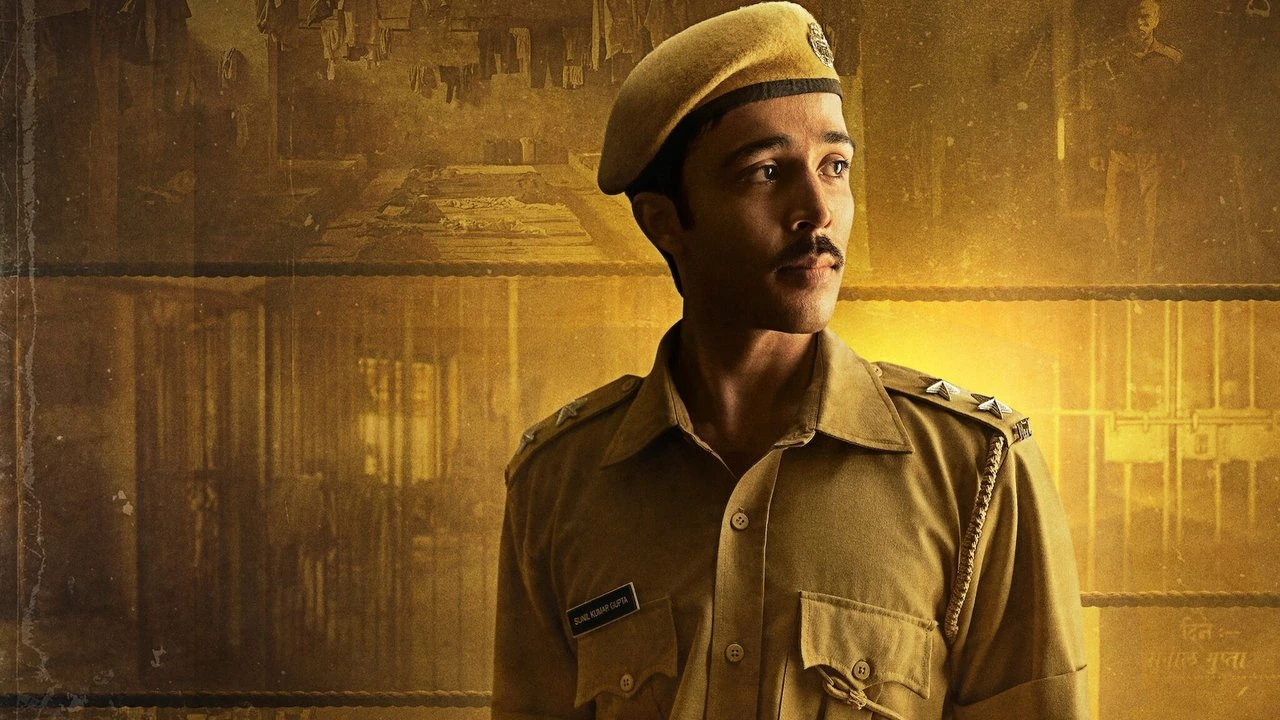 The stark contrast of light and shadow hints at the moral ambiguities faced within the prison walls.
The Tightrope Walk: Narrative Promise and Potential Pitfalls
Given the genre — Crime, Drama — and the setting, Black Warrant walks a tightrope between gritty realism and dramatic necessity. On one side, there’s the promise of a raw, unflinching look at one of India’s most notorious prisons, exploring the human toll of incarceration on both the jailed and the jailers. On the other, there’s the inherent difficulty of maintaining narrative momentum without sacrificing authenticity, or conversely, becoming so bleak that it alienates viewers.
The true test of a narrative built on systemic corruption isn’t just showing the rot, but revealing the agonizing choices individuals make when confronted by it. It’s about the becoming of a moral agent, not merely the outcome of their actions.
One potential area where a series like this can stumble, and where hypothetical future critics might find fault, is pacing. A runtime of 45 minutes per episode suggests a brisk pace, which can be great for tension but might struggle to allow for deep character development or the slow burn required to illustrate systemic issues convincingly. Will the performances from a cast including Zahan Kapoor, Rahul Bhat, and Rajshri Deshpande be able to carry the emotional weight of such a demanding narrative, or will they be constrained by a plot that prioritizes action over introspection?
Moreover, the plot’s central conflict—an officer vowing to “make amends”—raises questions about his past. Is this a journey of redemption for personal failings, or a broader commitment to atonement for the collective sins of the institution he joins? This ambiguity could either be a rich source of character depth or a confusing narrative thread, potentially leaving some viewers wishing for clearer motivations. The balance between the personal journey of the protagonist and the broader critique of the system will be key to its success and its philosophical resonance.
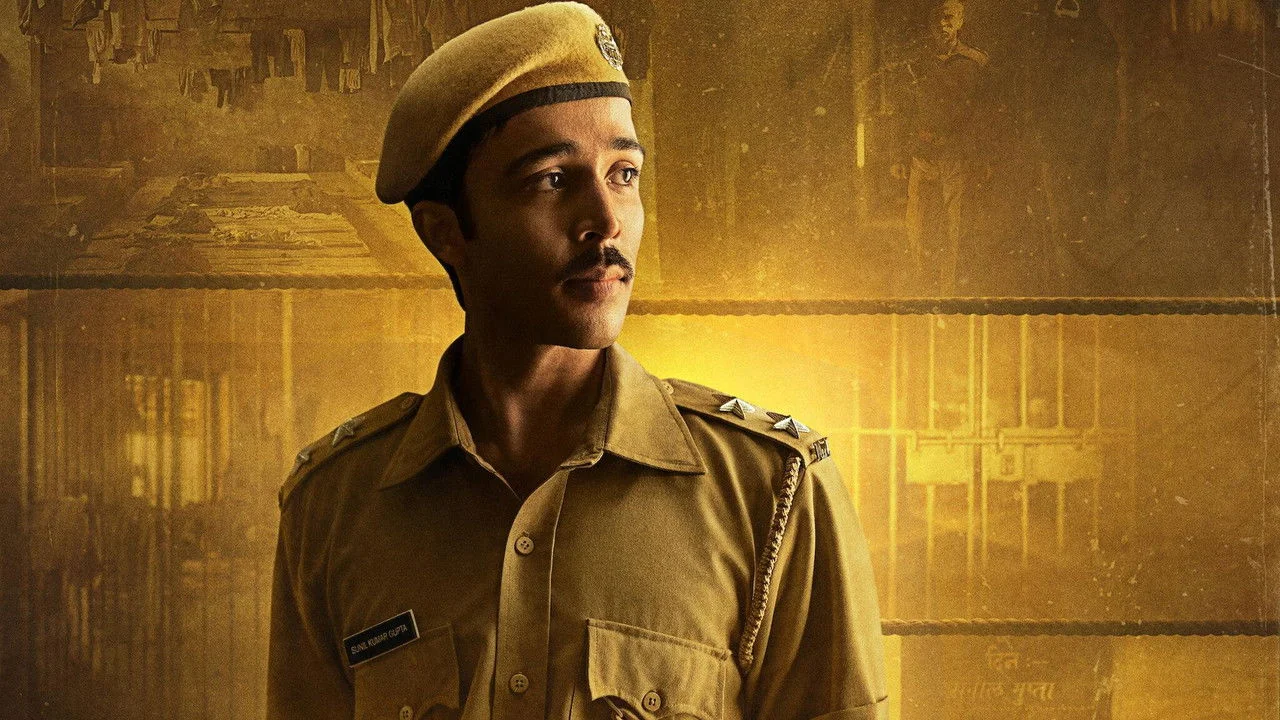 A close-up shot of a determined face, reflecting the heavy burden of responsibility and the struggle for change.
Beyond the Surface: The Existential Weight of Choice
Ultimately, Black Warrant has the potential to move beyond a simple good-vs-evil crime drama and into a more profound exploration of the existential burden of choice. What does it mean to be “upright” in a fundamentally crooked environment? Does one compromise to survive, or stand firm and risk everything? This isn’t just about fighting corruption; it’s about the very definition of one’s self in the face of overwhelming moral pressure.
The series could delve into:
- The psychological toll of fighting a losing battle, or of winning at a terrible cost.
- The nature of hope in a seemingly hopeless place. Can a single individual truly ignite change, or are they destined to be crushed by the machinery of power?
- The ethics of resistance – when does quiet subversion become moral cowardice, and when does outright rebellion become self-destructive?
If Black Warrant can navigate these complex questions without becoming preachy or simplistic, it could offer a powerful mirror to our own societies, prompting us to examine the compromises we make and the battles we choose, or choose not, to fight. It asks us to consider whether true justice is an external decree or an internal, unyielding commitment.
“The prison, like society, is a mirror, reflecting back the deepest flaws and most enduring hopes of humanity, often in the most distorted forms.”
While Black Warrant remains an unknown quantity in terms of its critical reception and narrative execution, its premise alone offers fertile ground for philosophical contemplation. It’s a story poised to probe the enduring struggle between individual conscience and institutional decay, between the ideal of justice and the messy reality of its implementation. Whether it ultimately delivers a flawless masterpiece or a flawed but thought-provoking series, the questions it promises to raise about human resilience, moral courage, and the ever-present shadow of corruption are undeniably worth asking.
What will it truly take for one person to make a difference when the system itself is the enemy?
Where to Watch
- Netflix
- Amazon Prime Video
What’s Up? explores the philosophical depths of cinema.