Echoes in the Machine: Blade Runner 2049's Search for a Soul
Denis Villeneuve's Blade Runner 2049 probes deep questions of identity, memory, and what it truly means to be human in a stunning, albeit divisive, sequel.
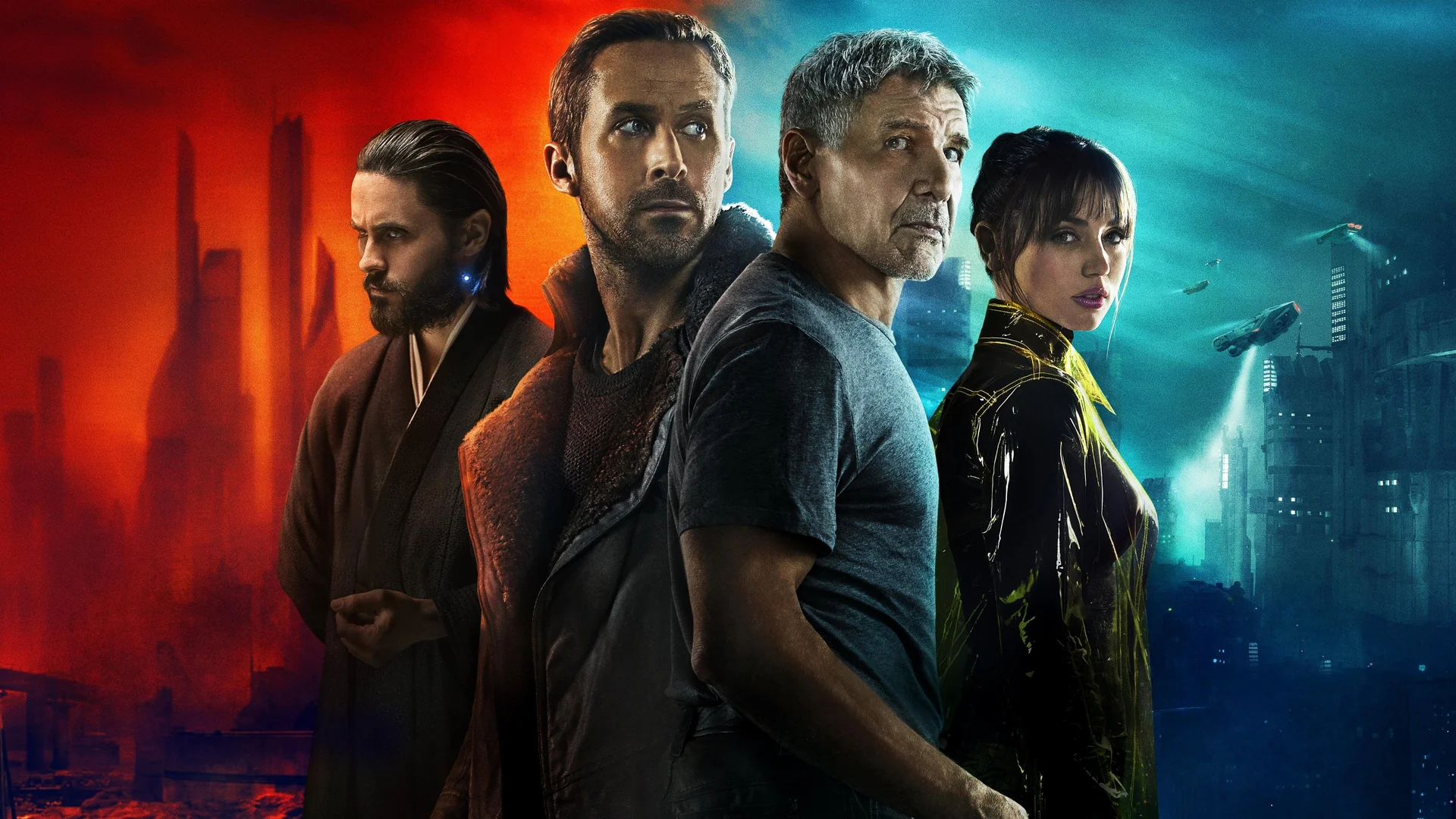
“The light that burns twice as bright burns half as long – and you have burned so very, very brightly, Roy.” — Dr. Eldon Tyrell, Blade Runner (1982)
When Denis Villeneuve took on Blade Runner 2049, he inherited a legacy almost sacred to science fiction fans. The original Blade Runner isn’t just a film; it’s a foundational text, a philosophical noir steeped in rain-slicked neon and existential dread. A sequel, 35 years later, was always going to be a gamble. And yet, Villeneuve, with the brilliant cinematography of Roger Deakins, delivered something undeniably magnificent in its scope and visual artistry, even if it proved a deeply divisive experience for audiences and critics alike. It’s a film that demands to be wrestled with, a slow, often melancholic journey into the very heart of what it means to exist. While its 164-minute runtime certainly tested the patience of many, and its narrative choices sparked considerable debate, Blade Runner 2049 dares to expand upon its predecessor’s profound questions, offering its own haunting, beautiful, and sometimes frustrating, answers.
The Echo of Identity: K’s Existential Quest
At its core, Blade Runner 2049 is a story about the agonizing search for identity and the desperate human need for purpose. We follow LAPD Officer K (Ryan Gosling), a new model replicant, a “skin-job” tasked with hunting down older models. K’s world is one of ordered existence, his memories implanted, his life circumscribed by his function. But when he unearths a long-buried secret – evidence of a replicant born naturally, not manufactured – his carefully constructed reality begins to fray. This discovery ignites within him the terrifying, exhilarating possibility that he might be that miracle child, that he might be special.
The film masterfully uses this personal quest to explore fundamental questions:
- What defines humanity? Is it flesh and blood, or consciousness, memory, and the capacity for love and sacrifice?
- Are implanted memories real? If our past shapes who we are, what happens when that past is a fabrication? K’s constant struggle with his “real” memories versus the implanted ones is a brutal exploration of selfhood.
- The burden of creation and legacy. The film grapples with the hubris of the Wallace Corporation, playing God, and the desperate yearning of its creations for meaning beyond their programmed lives.
While some critics found the plot to be occasionally convoluted or stretched thin across its considerable runtime, this very deliberate pacing allows K’s internal journey to breathe. Every desolate landscape, every whispered interaction, contributes to his growing awareness of self, making his eventual realization of his true place in the narrative all the more poignant. It’s not just a mystery K is solving; it’s the mystery of his own soul.
 Officer K finds himself at the nexus of a desolate, sand-swept future, his journey mirroring the vast emptiness he traverses.
The Double-Edged Blade: Visual Grandeur & Narrative Divides
Visually, Blade Runner 2049 is nothing short of a masterpiece. Roger Deakins’ cinematography is breathtaking, painting a dystopian future that feels both expansive and intimately oppressive. From the sickly yellow glow of post-apocalyptic Las Vegas to the perpetually rain-soaked, neon-drenched streets of Los Angeles, the film is a feast for the eyes, justly lauded by nearly every critic. It’s a world you can almost smell, taste, and feel—a remarkable achievement in immersive storytelling. This visual poetry was, for many, enough to carry the experience.
However, the film’s considerable strengths in atmosphere and aesthetics often ran up against certain narrative and thematic choices that sparked significant debate. The pacing, as mentioned, was a common point of contention. While some appreciated its meditative quality, others felt it was slow to the point of stagnation, especially for a mainstream Hollywood release. “It’s an art film masquerading as a blockbuster,” was a sentiment echoed by various audience members.
Even with universal acclaim for its visual artistry and sound design, Blade Runner 2049’s deliberate pacing and certain character portrayals became notable points of contention, highlighting the fine line between artistic ambition and audience engagement.
Another significant criticism, and one that resonates deeply, concerned the portrayal of its female characters. Joi (Ana de Armas), K’s holographic companion, is a complex figure, offering him companionship and a semblance of love. Yet, for some, her role felt reductive, an almost entirely subservient “ideal woman” designed to fulfill K’s desires, reinforcing problematic gender dynamics even within a dystopian context. Similarly, the villainous Luv (Sylvia Hoeks), while undeniably formidable, was sometimes perceived as a generic, cold antagonist, lacking the nuanced motivations that made the original’s replicants so compelling. These critiques aren’t minor quibbles; they point to deeper conversations about representation and the evolving expectations of storytelling in speculative fiction.
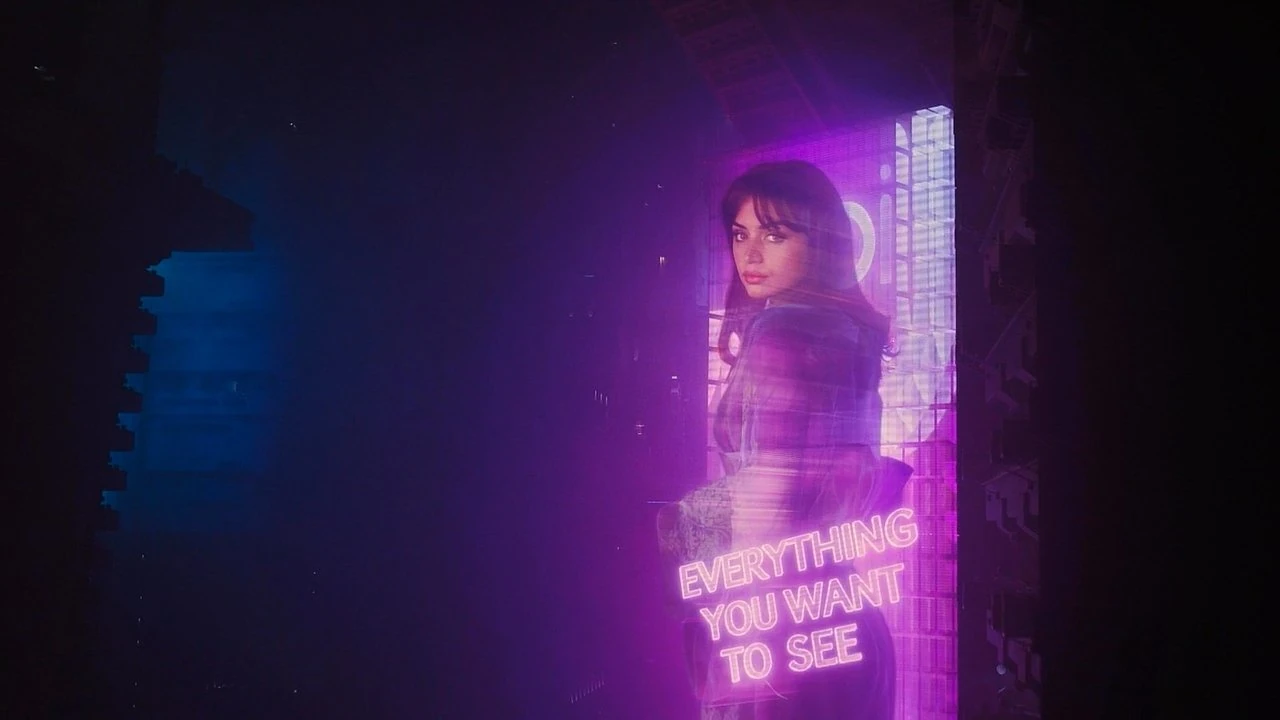 The stark beauty of a holographic Joi against the muted, industrial backdrop of K’s apartment, a fleeting moment of connection in a lonely world.
Beyond the Replicant: A Dialogue with the Divine
Despite these valid criticisms, Blade Runner 2049 ultimately transcends them by posing truly profound, almost spiritual, questions. The film delves into the notion of a miracle – a naturally born replicant – and the devastating implications for a society built on the strict divide between creator and created. This “miracle” isn’t just a plot device; it’s a metaphysical challenge to the established order, a threat to the very idea of what it means to be “God.” Niander Wallace (Jared Leto), the new architect of replicant life, embodies this with chilling arrogance, viewing himself as a divine creator, albeit a flawed and ruthless one. His quest for limitless replicant reproduction is a quest for ultimate control, a disturbing reflection on humanity’s own history of seeking dominion.
K’s journey shifts from a quest for personal identity to a profound act of sacrifice. His final actions, the quiet, almost anonymous heroism, strip away any notion of him being “the chosen one” in a traditional sense. Instead, he becomes a catalyst, a necessary bridge for something greater than himself. This subtle subversion of the “hero’s journey” trope elevates the film, suggesting that true significance might lie not in individual glory, but in enabling a collective future, even at the cost of one’s own existence. It asks us to consider: is a life lived in service, even a life built on a lie, less valuable than a life lived for self?
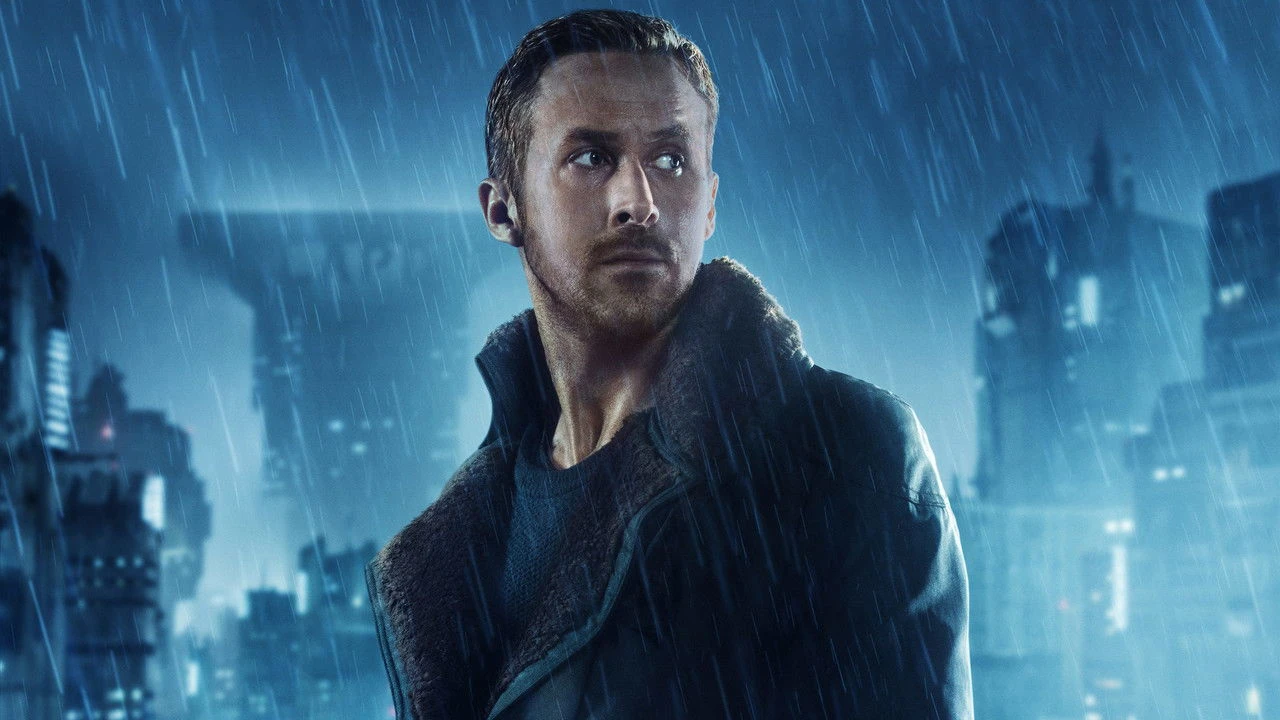 Rick Deckard, older and weathered, confronts his past in a stark, futuristic setting, his eyes holding the weight of forgotten memories and enduring questions.
Blade Runner 2049 leaves us with a lingering melancholy, not just for the bleak future it portrays, but for the persistent, often futile, human struggle to define purpose and find genuine connection in a world that constantly denies it.
Blade Runner 2049 isn’t a perfect film, and its mixed reception underscores its challenges. It’s a demanding watch, unafraid to linger in silence or present morally ambiguous situations. But for those willing to lean into its deliberate rhythm, it offers a hauntingly beautiful meditation on the human condition, on love, memory, and the yearning for something more. It doesn’t just re-tread the philosophical ground of its predecessor; it expands it, asking new questions about the nature of the soul in an increasingly artificial world. It forces us to confront the uncomfortable truth that perhaps, the most profound aspects of our existence aren’t confined to flesh and blood, but reside in the choices we make, the connections we forge, and the quiet sacrifices that echo long after we are gone.
What’s Up? explores the philosophical depths of cinema.