The Burden of the Bodyguard: Trust, Trauma, and the Political Soul
Exploring the philosophical weight of Bodyguard (2018), analyzing duty, trauma, and the complex ethics of protecting those we despise.

“The hardest thing is to live with yourself, knowing you’ve done something you didn’t believe in.” — Bodyguard (2018)
When Bodyguard burst onto screens in 2018, it wasn’t just another British thriller; it was a phenomenon, a relentless, anxiety-inducing ride that had viewers around the globe utterly hooked. Critics, too, were largely swept away, praising its nail-biting suspense, Richard Madden’s commanding performance as the titular protector, and Keeley Hawes’ nuanced portrayal of the controversial Home Secretary. With a stellar 92% on Rotten Tomatoes and an 83 on Metacritic, the consensus was clear: this was prestige television doing what it does best – keeping you on the edge of your seat while asking you to think. But beyond the expertly crafted twists and turns, Bodyguard offers a surprisingly fertile ground for philosophical inquiry, digging into the very nature of duty, trauma, and the ethical tightrope walked by those who serve, even when their conscience screams otherwise.
The Existential Dilemma of David Budd
At its heart, Bodyguard is a deep dive into the existential conflict of its protagonist, PS David Budd. A troubled war veteran haunted by PTSD, Budd is assigned to protect Julia Montague, a hawkish politician whose policies he openly despises. This isn’t just a job; it’s a crucible, forcing Budd to confront the chasm between his personal beliefs and his professional oath. The series thrives on this tension, not just for dramatic effect, but to explore the profound questions of personal agency within a system. Can one truly serve a purpose they find morally repugnant? Is a life dedicated to protecting an ideology you abhor a form of self-betrayal, or the ultimate act of discipline?
The show excels at portraying Budd’s internal torment, a man literally bodyguarding a personification of the very forces that broke him. This isn’t heroism in the conventional sense; it’s a relentless, almost masochistic commitment to a uniform, to a protocol, even as it grinds his soul. While some critics noted that the show occasionally stretched credulity with its breakneck pace and intricate plot, these very elements serve to heighten Budd’s isolation and the impossible choices he faces. He’s a man under constant siege, both from external threats and his own splintered psyche.
- Duty vs. Morality: The core conflict that drives Budd’s character arc.
- Trauma’s Shadow: How his past in Afghanistan dictates his present actions and internal struggles.
- The Nature of Loyalty: To whom, or what, is true loyalty owed?
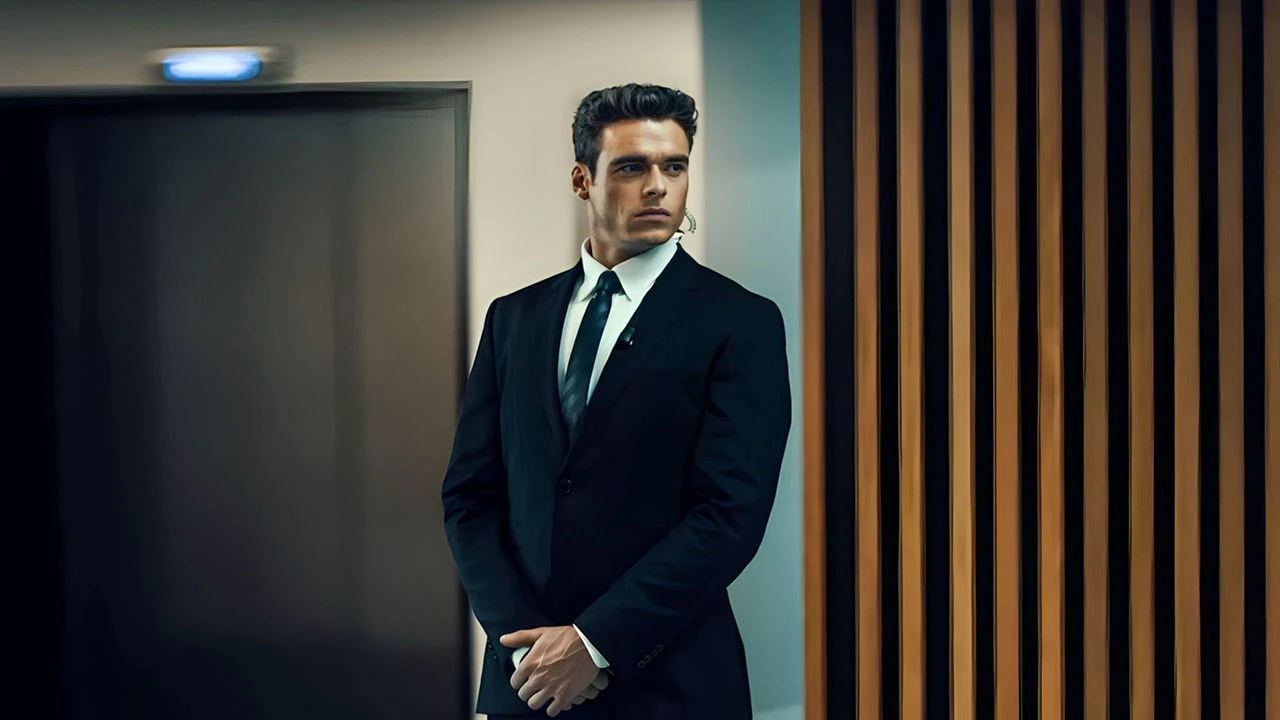 David Budd, a man torn between his professional duty and his personal convictions, embodying the internal struggle that defines the series.
The Shifting Sands of Trust and Political Paranoia
One of Bodyguard’s greatest strengths, and a point often lauded by reviewers, is its masterful manipulation of trust. From the very first episode, the audience is plunged into a world where alliances are fleeting, motives are opaque, and everyone, it seems, is a potential suspect. This isn’t just a clever thriller mechanic; it’s a philosophical commentary on the inherent paranoia of the modern political landscape. In an age of widespread surveillance, leaked information, and rapid-fire news cycles, the series asks: can genuine trust even exist?
In a world where every action is scrutinized and every motive questioned, the true weight of choice isn’t just about what you do, but whom you dare to believe.
The relationship between Budd and Montague is a microcosm of this theme. It’s a dance between protector and protected, but also between ideological adversaries, and eventually, something more intimate and complex. This intimacy, however, is perpetually shadowed by suspicion. Is Budd truly committed to Montague’s safety, or is his resentment a ticking time bomb? Is Montague genuinely a dedicated public servant, or a ruthless political operator? The show deliberately blurs these lines, forcing us to constantly re-evaluate our perceptions, much like the characters themselves. While some viewers found certain plot twists a bit too convoluted or far-fetched, these narrative gambits serve to underline the show’s philosophical point: in the murky waters of power and security, reality is a construct, constantly shifting and open to manipulation.
 Julia Montague, the controversial Home Secretary, embodies the complex and often polarizing figure at the heart of political power.
Beyond the Surface: The Cost of Vigilance
Despite its thrilling exterior and a few minor criticisms regarding the believability of some later plot developments, Bodyguard dares to ask profound questions about the cost of perpetual vigilance. The series isn’t just about stopping a terror plot; it’s about the psychological toll of living in a state of constant threat, both for those who enforce security and those who are its targets. It explores the ethical compromises made in the name of national security, and the insidious way fear can erode civil liberties and personal boundaries.
The show makes us confront the unsettling reality that sometimes, the greatest threats come not from external enemies, but from within the very systems designed to protect us. The shadowy figures, the political machinations, the betrayals—they all speak to a deeper anxiety about the institutions we place our faith in. Is the ultimate price of safety the sacrifice of our own humanity, our capacity for trust, and ultimately, our peace of mind? Bodyguard doesn’t offer easy answers, instead leaving us with a lingering sense of unease and a recognition of the fragility of order.
 A moment of quiet reflection amidst chaos, highlighting the personal toll of high-stakes security work.
“The true horror isn’t just the bomb, but the lingering debris of paranoia it leaves in its wake, corroding trust and peace from the inside out.”
Bodyguard’s legacy isn’t just its high ratings or its gripping narrative; it’s in the way it uses the framework of a political thriller to dissect the very real anxieties of our modern world. It forces us to look beyond the headlines and consider the human cost of power, the personal burden of duty, and the corrosive nature of distrust. While perhaps not flawless in every narrative beat, its philosophical resonance is undeniable, challenging us to question the nature of loyalty, the ethics of leadership, and what it truly means to safeguard a society that is perpetually on edge. What mirror does Bodyguard hold up to our own capacity for belief, and for doubt?
Where to Watch
- Netflix
- Netflix Standard with Ads
What’s Up? explores the philosophical depths of cinema.