Brothers (2009): The War That Comes Home, Uninvited
Exploring Jim Sheridan's Brothers (2009), a film that, despite its critical reception, powerfully confronts the invisible wounds of war and the unraveling of identity.
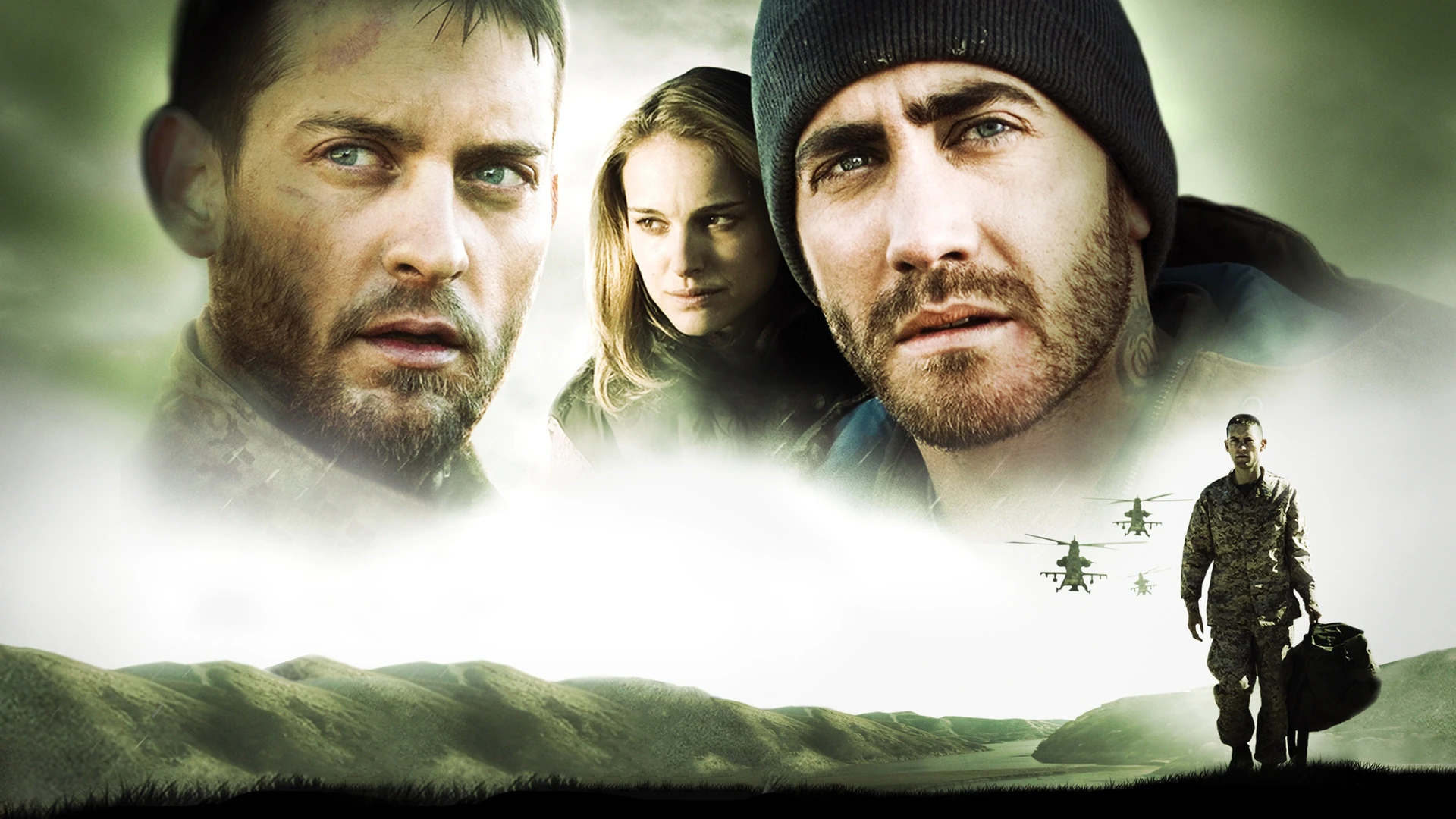
“The hardest thing about coming home is that you’re not the same person who left.” — Unknown Soldier
Jim Sheridan’s 2009 drama, Brothers, arrives on screen with a premise ripe for profound exploration: the shattering aftermath of war, not just on the battlefield, but within the sacred confines of family and self. Starring Tobey Maguire, Jake Gyllenhaal, and Natalie Portman, it’s a film that wants to be important, to grapple with the invisible wounds of trauma and the devastating ripple effects of combat. And while it undeniably strives for such depth, its journey is, frankly, a bit of a mixed bag. Critics, like those on Rotten Tomatoes where it sits with a middling 37%, often found its approach heavy-handed, tipping into melodrama where subtlety was desperately needed. Yet, even with its acknowledged flaws and the shadow of its superior Danish predecessor (Brødre), Brothers still manages to ask some profoundly uncomfortable, utterly vital questions about identity, sacrifice, and the true cost of survival.
The Shattered Mirror of Homecoming
The film hinges on the presumed death and miraculous return of Marine Captain Sam Cahill (Tobey Maguire), a decorated soldier and loving family man. His absence forces his ne’er-do-well brother Tommy (Jake Gyllenhaal) to step up, caring for Sam’s wife, Grace (Natalie Portman), and their two daughters. This initial setup immediately throws us into a philosophical crucible: what happens when the hero’s narrative is violently disrupted, and then, just as violently, reinstated? Sam’s return isn’t triumphant; it’s a descent. He’s a man fundamentally altered, haunted by unspeakable acts committed under duress, struggling with severe PTSD and moral injury.
This is where Brothers attempts its most significant philosophical work. It posits that some experiences are so profoundly destructive that they render a true “homecoming” impossible. The man who returns is a stranger, a ghost of his former self, encased in a shell of trauma. He cannot reconnect with the life he left behind because he is no longer the person who lived it. Critics often pointed to the film’s sometimes frantic pacing and overt emotional beats as detracting from this powerful central idea, wishing for more quiet, internal exploration of Sam’s psychological unraveling rather than outward displays of aggression. But for all its narrative stumbles, the sheer force of Maguire’s performance in depicting this internal devastation is undeniable, a raw, unflinching portrayal of a soul in crisis.
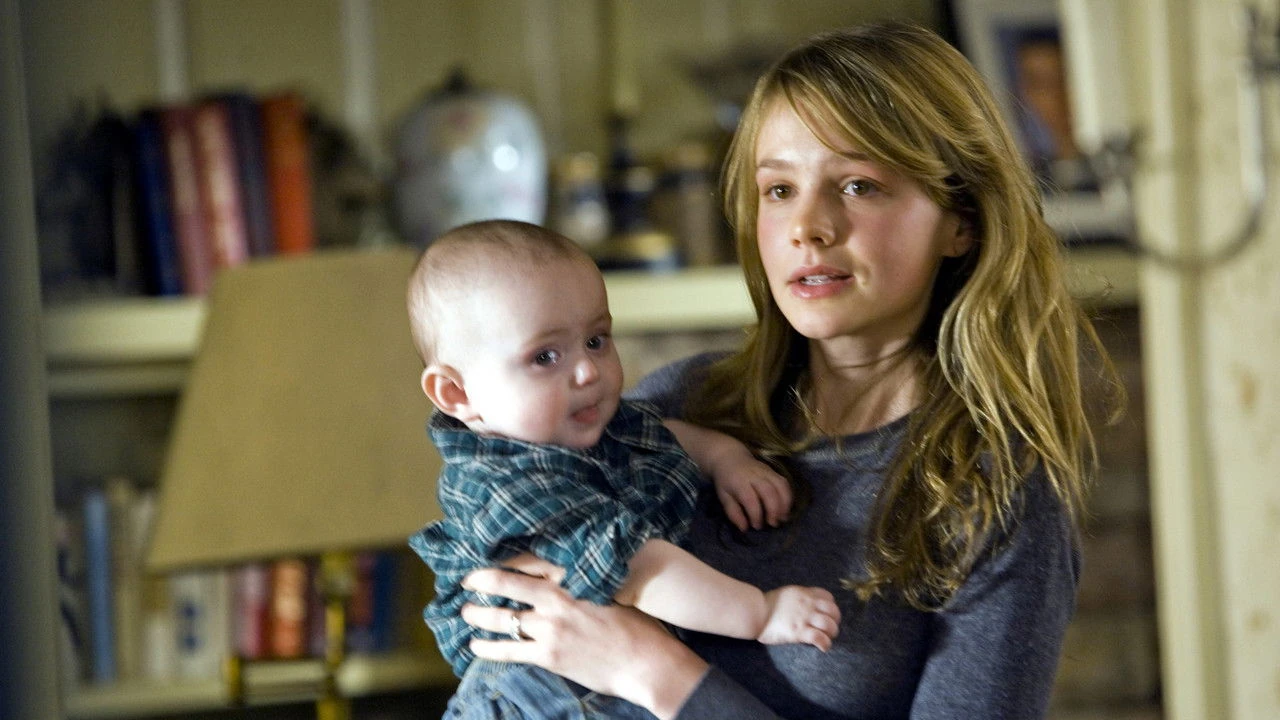 Tobey Maguire’s Sam Cahill, his eyes reflecting the deep-seated trauma of war, a man returned but not whole.
Brotherhood, Burden, and the Blurry Lines
Beyond Sam’s personal torment, Brothers intricately explores the complex dynamics of the family left behind and the inevitable shifting of roles. Tommy, initially the black sheep, finds purpose and a fragile connection with Grace and the girls in Sam’s absence. This forced proximity, while innocent in its intent, creates a powerful tension. When Sam returns, he finds his designated place usurped, his wife and brother having formed an unexpected, if platonic, bond. This isn’t just about jealousy; it’s about the fragility of pre-war identities and the terrifying realization that life moves on, even when you’re frozen in time by trauma.
The film brilliantly, if sometimes clumsily, illustrates that the lines between right and wrong, loyalty and betrayal, become profoundly blurred when survival itself is the ultimate, primal instinct.
Audience reactions were often divided on the believability of Tommy and Grace’s connection, some finding it rushed or too convenient for the plot. While the film’s attempts at romantic tension between them felt underdeveloped to some, the exploration of Tommy’s burden—to live up to his brother’s legacy, to care for his family, and then to step aside when the “rightful” man returns—is compelling. Gyllenhaal, often praised alongside Maguire, brings a nuanced vulnerability to Tommy, embodying the man caught between loyalty, emergent responsibility, and his own burgeoning feelings. It’s a testament to the cast that they often elevate material that, as many critics noted, could feel like a “made-for-TV” drama in lesser hands, particularly with its occasionally predictable plot beats.
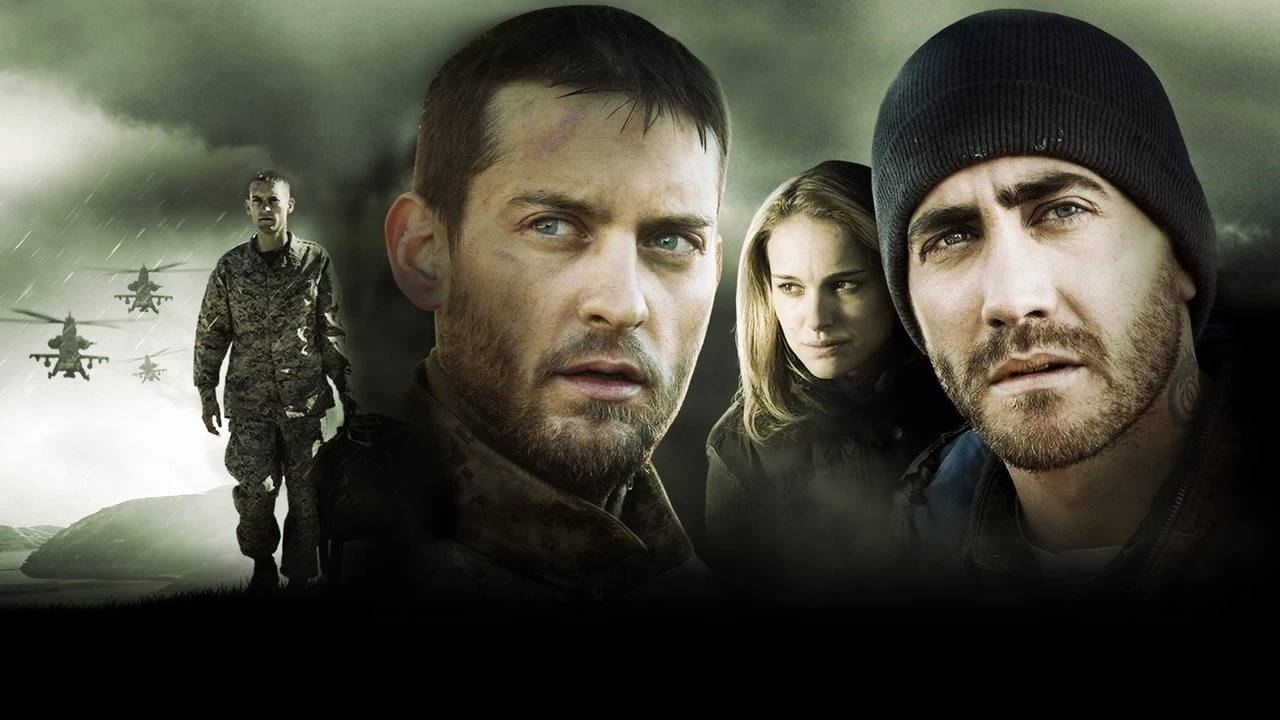 Jake Gyllenhaal and Natalie Portman as Tommy and Grace, navigating the complex emotional landscape of grief, responsibility, and unexpected connection.
The Unspeakable Cost of Survival
Ultimately, Brothers doesn’t shy away from depicting the full, ugly spectrum of war’s aftermath. It confronts us with the idea that some wounds are not physical, but existential, leaving a person with an unbearable weight of guilt and self-loathing. Sam’s actions during his captivity, horrific and desperate, strip him of his moral compass, making him feel unworthy of the love and comfort of his family. The film asks us to consider: is there a point of no return for the human psyche? Can a person truly be forgiven for unforgivable acts, especially if those acts were committed in the name of survival?
This is where the movie, despite its narrative shortcomings, forces us into a deeply uncomfortable philosophical space. It challenges the simplistic narratives of heroism and villainy, positing that war can create monsters out of good men, or at least men who are capable of monstrous things. The film pushes us to ponder the nature of redemption and whether some experiences leave an indelible stain on the soul that no amount of love or time can truly wash away. It’s a bleak outlook, perhaps, but one that resonates with the brutal realities of combat trauma. While some critics found the film’s ending overly dramatic or lacking a clear resolution, it’s perhaps in this very ambiguity that its most potent philosophical statement lies: some scars never truly heal, and some “homecomings” are merely the beginning of another, different kind of war.
 The Cahill family portrait, a poignant symbol of the normalcy shattered by the unseen ravages of war and trauma.
The enduring legacy of Brothers isn’t in its critical accolades or narrative perfection, but in its raw, albeit imperfect, insistence that we look unflinchingly at the devastating price paid by those who serve, and by the families who wait. It’s a haunting reminder that war doesn’t end when the soldiers come home; sometimes, that’s when it truly begins.
What does it truly mean to come home when the person you were, and the home you left, no longer exist in the way you remember? And how do we, as a society, grapple with the impossible burden we ask our soldiers to carry, both on the battlefield and in the quiet, desperate solitude of their own minds?
What’s Up? explores the philosophical depths of cinema.