Caddo Lake’s Murky Depths: Navigating Grief, Time, and the Unseen
Exploring Caddo Lake, a divisive film delving into family trauma, elusive memories, and the blurred lines between past and present.
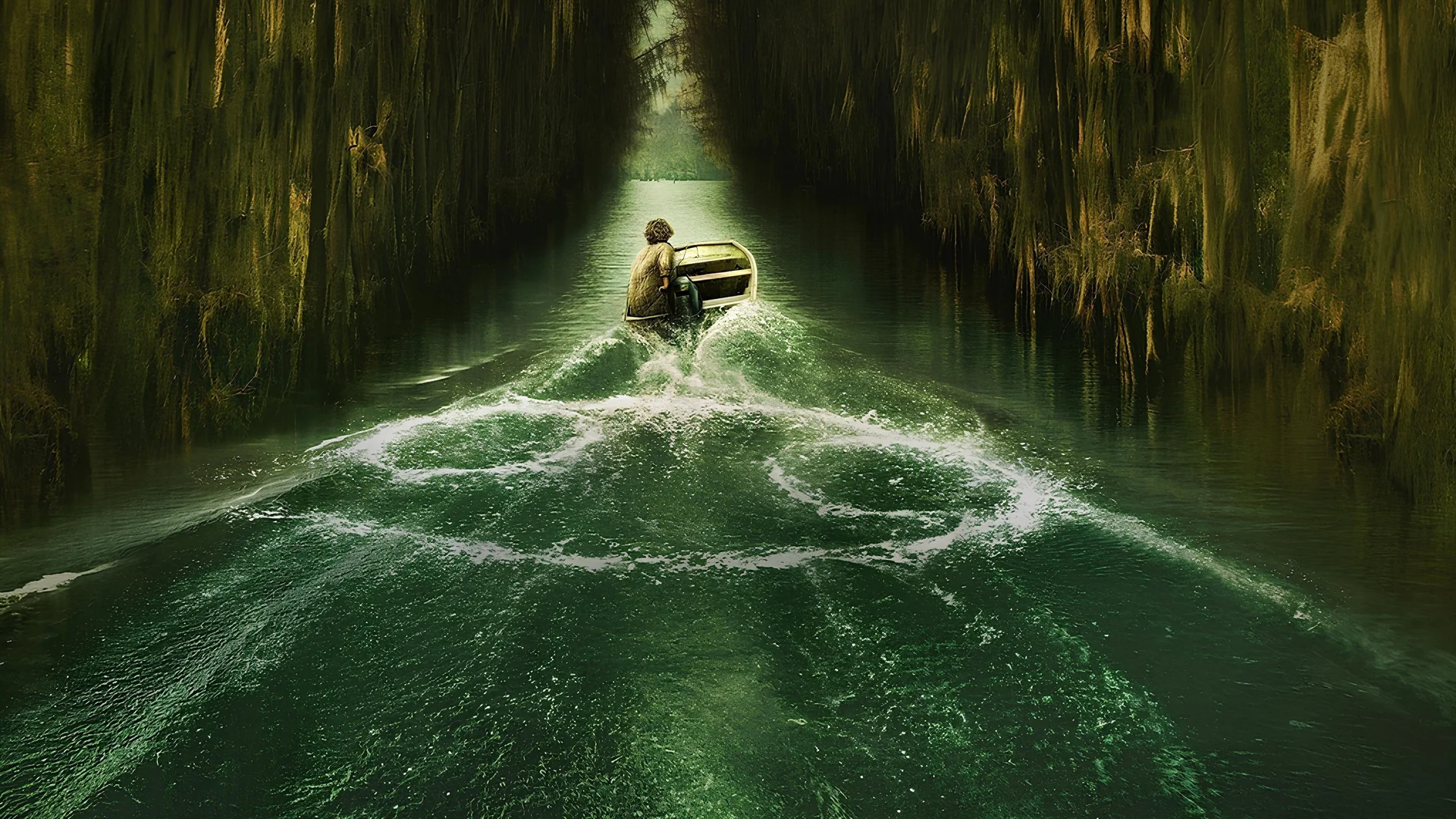
“The past is never dead. It’s not even past.” — William Faulkner
Caddo Lake (2024), directed by Logan George and Celine Held, arrives on the cinematic landscape not with a roar, but with a quiet, almost hesitant whisper, much like the eerie, mist-shrouded waters of its namesake. Pitched as a Drama, Mystery, Sci-Fi, and Thriller, this film attempts a challenging blend of genres, weaving together a missing persons case with threads of family trauma and something subtly, unsettlingly other. While formal critics haven’t widely weighed in yet with aggregated scores, the film’s IMDb user score of 5.5/10 from early viewers suggests a rather divisive reception, a testament to its ambitious yet often muddled execution. Many viewers found its deliberate pacing frustrating and its narrative clarity elusive, yet beneath the murky waters of its plot, Caddo Lake undeniably grapples with profound philosophical questions about grief, memory, and the unseen forces that shape our lives.
The Lingering Echoes of Loss
At its core, Caddo Lake is a film about grief—a persistent, shape-shifting entity that refuses to be contained. The disappearance of an 8-year-old girl sets off a chain reaction, forcing a broken family to confront not just this immediate tragedy, but a series of past deaths and vanishings that seem to be intrinsically linked to the titular lake. This isn’t just a simple detective story; it’s a deep dive into how collective trauma can become a physical, almost metaphysical presence, haunting a place and its inhabitants. The film asks: how do we ever truly move on when the past refuses to loosen its grip?
Critics and audiences who struggled with the film often pointed to its uneven pacing and a narrative that felt more like a collection of evocative moments than a cohesive story. This lack of conventional clarity, however, can be seen as an intentional reflection of the very subject matter. Grief isn’t linear; memory isn’t perfect. The film’s fragmented structure, in a way, mirrors the fractured psychology of its characters, whose understanding of reality is constantly being challenged by the lake’s enigmatic influence. Dylan O’Brien, as one of the central figures navigating this labyrinth of sorrow, delivers a performance that many found compelling, embodying the weary weight of a family perpetually on the brink.
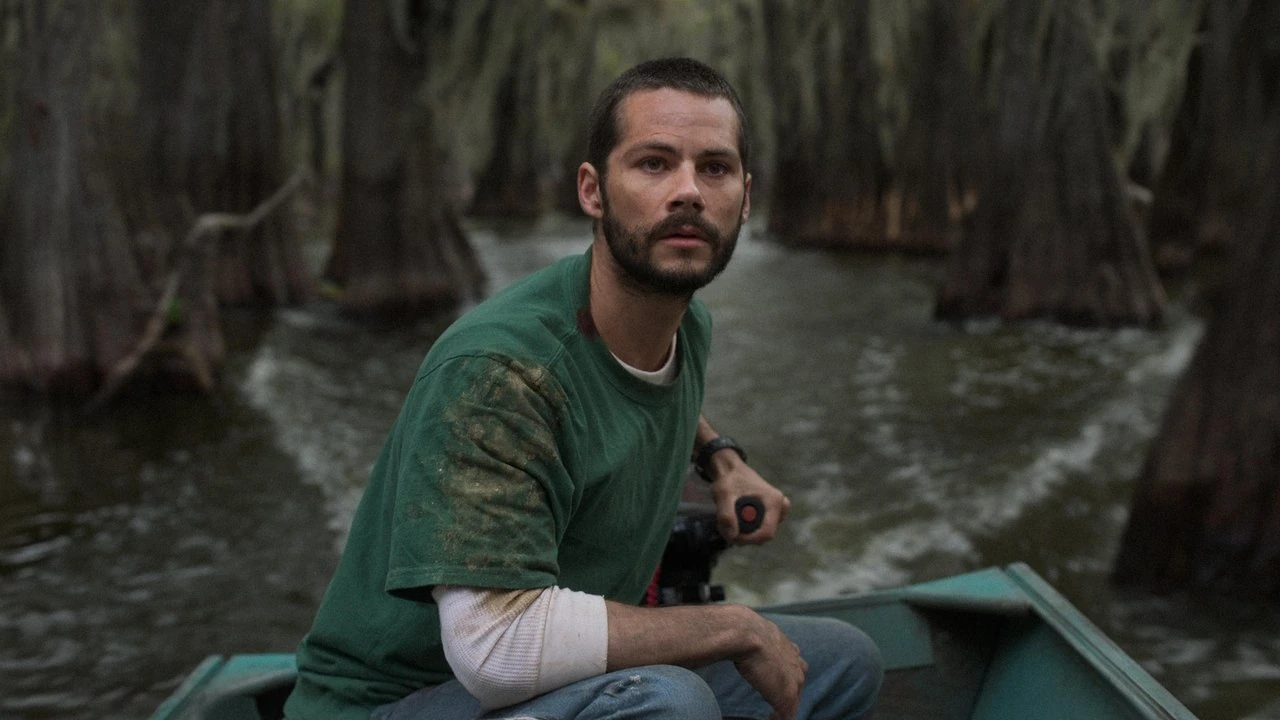 A solitary boat navigates the dense, mysterious fog of Caddo Lake, symbolizing the journey into the unknown.
What Works, What Doesn’t, and the Power of Place
Caddo Lake is a film of stark contrasts. On one hand, its aesthetic and atmospheric qualities are frequently lauded. The Caddo Lake itself, with its ancient cypress trees draped in Spanish moss and its labyrinthine waterways, becomes a character in its own right—a primordial, almost sentient entity. The cinematography beautifully captures this eerie, melancholic beauty, creating a pervasive sense of dread and wonder. It’s a place where time feels elastic, where the veil between worlds seems thin. Many reviews, even critical ones, acknowledge the film’s success in building this palpable sense of place and mood.
The greatest mysteries aren’t always about who or what, but about where—the places that absorb history, pain, and perhaps, even time itself.
However, this strength in atmosphere often comes at the expense of narrative coherence, a point of contention for many viewers. The introduction of sci-fi elements, while intriguing, felt underdeveloped and confusing for some. The blend of grounded drama with supernatural or temporal distortions can be a delicate balance, and Caddo Lake sometimes tips into ambiguity without providing enough anchors for the audience. Eliza Scanlen and Caroline Falk contribute to the film’s emotional weight, yet even strong performances can’t always bridge the gaps left by a story that prioritizes existential questions over clear answers. The film dares to be obtuse, and while that can be a philosophical strength, it’s also a commercial weakness that alienated a segment of its audience.
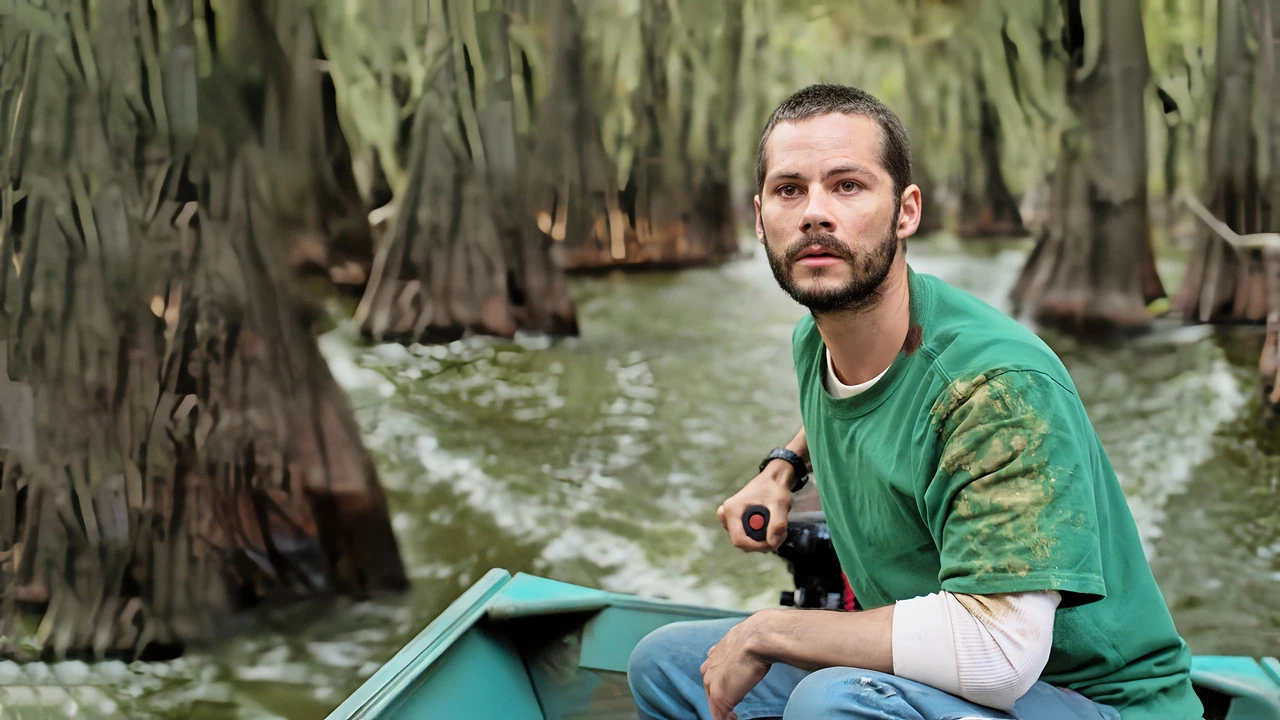 Sunlight pierces through the cypress trees on Caddo Lake, hinting at elusive truths hidden within its depths.
Beyond the Surface: Metaphysics of Memory and Place
Despite its narrative shortcomings and the audience’s mixed reception, Caddo Lake forces us to consider a few potent philosophical ideas. The lake itself isn’t just a setting; it’s a metaphysical anchor, a repository of collective memory and forgotten narratives. It challenges our linear understanding of time and causality, suggesting that certain places can hold onto events, making them accessible or even re-experiential for those attuned to their frequencies. This isn’t just a physical space; it’s a temporal vortex or a psychic echo chamber.
The film delves into the idea of anamnesis—the philosophical concept of remembering forgotten truths or experiences from a past life or a collective unconscious. Is the lake simply triggering repressed memories, or is it offering glimpses into a past that is literally bleeding into the present? This blurring of objective reality with subjective experience raises profound questions about the nature of truth and the limits of human perception. It posits that the world around us might be far more layered and complex than our rational minds can comprehend, and that grief might be a portal to these deeper, unsettling realities. The film doesn’t offer easy answers, instead leaving us with the unsettling implication that some truths are too vast, too ancient, or too painful to be fully grasped.
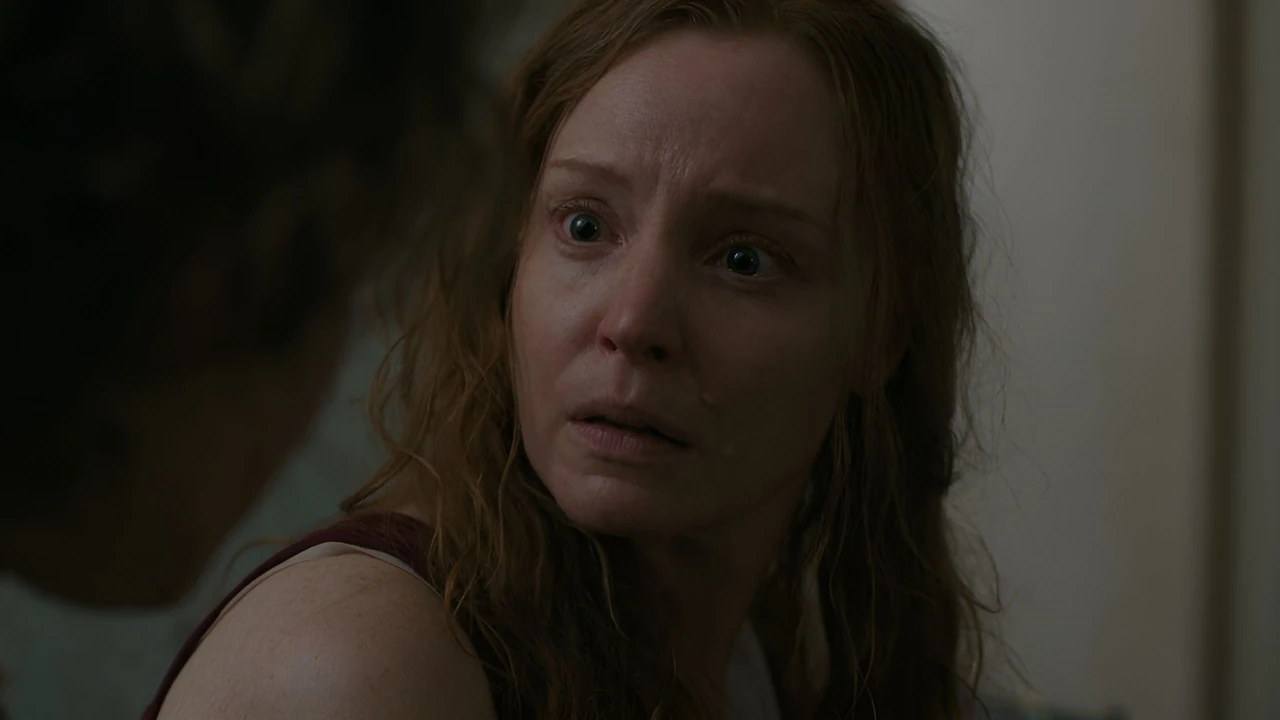 A character gazes out into the vast, unknown expanse of Caddo Lake, confronting the weight of past and present mysteries.
“Sometimes, the deepest fear isn’t of what we don’t know, but of what we can’t forget, even when the world insists it’s gone.”
Caddo Lake might not be a flawless film; its narrative ambiguities and slow burn were certainly not for everyone, leading to its divisive legacy among early viewers. Yet, it’s precisely in these imperfections that its philosophical courage shines through. It asks us to sit with discomfort, to embrace the unknown, and to consider the profound, almost mystical connection between place, memory, and the human soul. It’s a film that lingers, not because of its answers, but because of the haunting questions it dares to pose about the nature of existence itself and the burdens we carry across generations.
Where to Watch
- HBO Max
- HBO Max Amazon Channel
What’s Up? explores the philosophical depths of cinema.