When Heroes Collide: The Ethical Minefield of Captain America Civil War
Exploring the profound ethical dilemmas and existential conflicts at the heart of Captain America Civil War, a film that pits freedom against accountability.
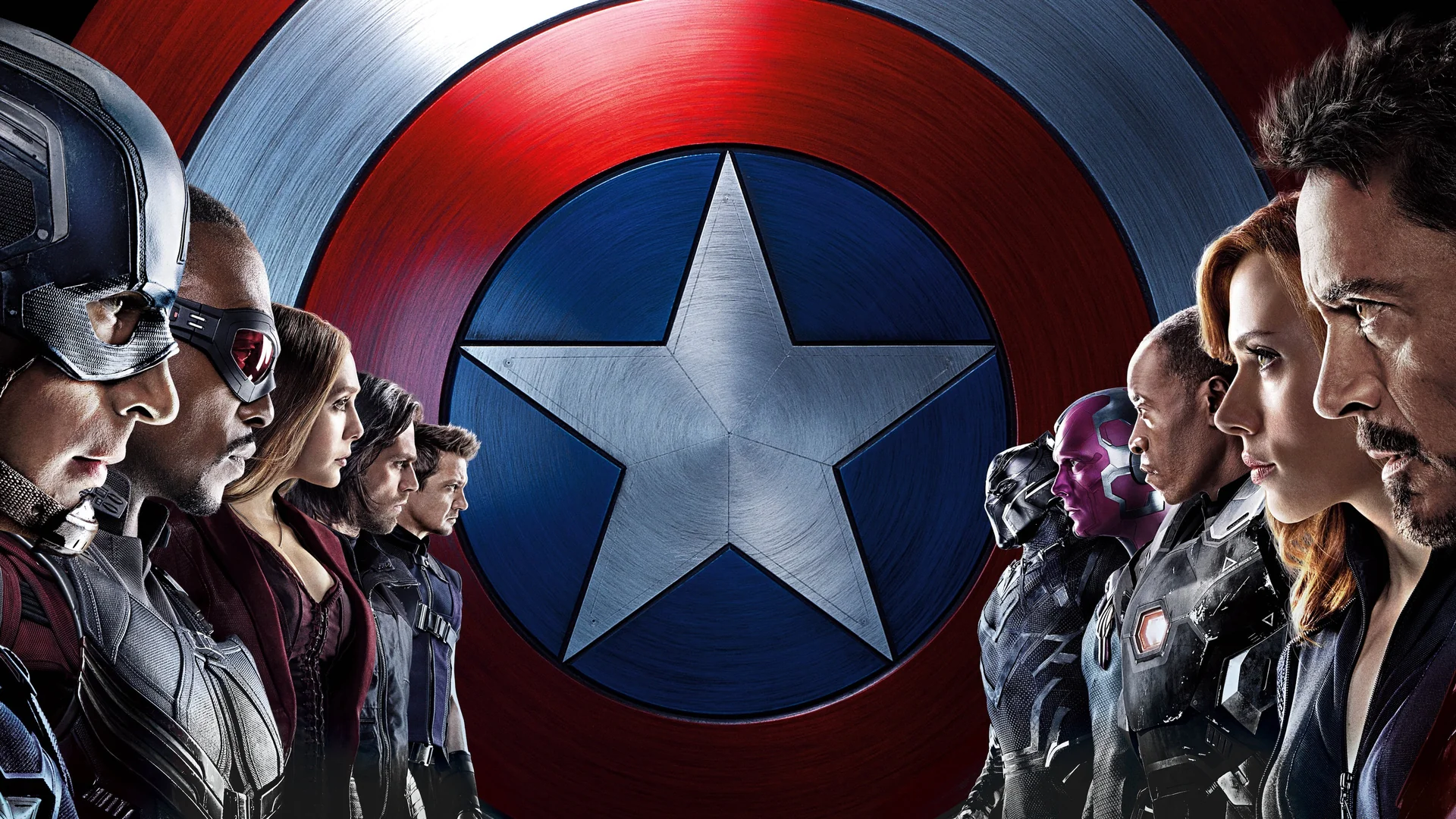
“The ultimate test of a man’s conscience may be his willingness to sacrifice something today for generations to come whose reality he can only imagine.” — Norman Cousins
In 2016, Captain America: Civil War wasn’t just another superhero blockbuster; it was a cinematic earthquake, a narrative rupture that tore through the comfortable camaraderie of the Marvel Cinematic Universe. Directed by Anthony and Joe Russo, this 147-minute action-sci-fi epic asked its audience to pick a side, not just in a spectacular airport brawl, but in a far more insidious philosophical debate. While critics largely lauded the film – boasting a 90% Rotten Tomatoes score and a generally favorable 75 on Metacritic – praising its intricate plot, gripping action, and surprising emotional depth, it wasn’t without its detractors. Some found its central “villain” a bit convoluted, or felt the sheer number of characters occasionally weighed down the narrative. Yet, despite any perceived narrative gymnastics, the film undeniably tapped into something profoundly human: the intractable conflict between freedom and accountability, loyalty and law.
The Unbearable Weight of Unchecked Power
Captain America: Civil War plunges us headfirst into the ethical quagmire of unchecked superhuman power. Following the catastrophic events in Sokovia (from Age of Ultron), the world’s governments demand oversight. This isn’t just about public safety; it’s about the very nature of sovereignty and autonomy. Tony Stark, burdened by guilt and the weight of collateral damage, champions the Sokovia Accords – a UN mandate to regulate the Avengers. Steve Rogers, ever the principled individualist, sees this as a dangerous encroachment on liberty, a surrender of choice that could lead to manipulation and injustice.
This foundational conflict is where the film truly shines philosophically. It forces us to grapple with a universal dilemma: how much personal freedom should we sacrifice for collective security? Is a benevolent dictatorship of superheroes any less dangerous than an accountable, albeit flawed, government? The film doesn’t offer easy answers, and this ambiguity is its strength. While some critics noted that the Accords felt like a convenient plot device to instigate conflict, their underlying implications resonate deeply with contemporary debates about government surveillance, interventionism, and the ethical responsibility of those wielding immense power.
Key themes that emerge:
- Individual Liberty vs. Collective Security — a classic political philosophy debate.
- The Nature of Authority — who has the right to control beings with god-like power?
- Moral Responsibility — the heavy toll of unintended consequences.
- The Fallibility of Institutions — even the UN can be compromised.
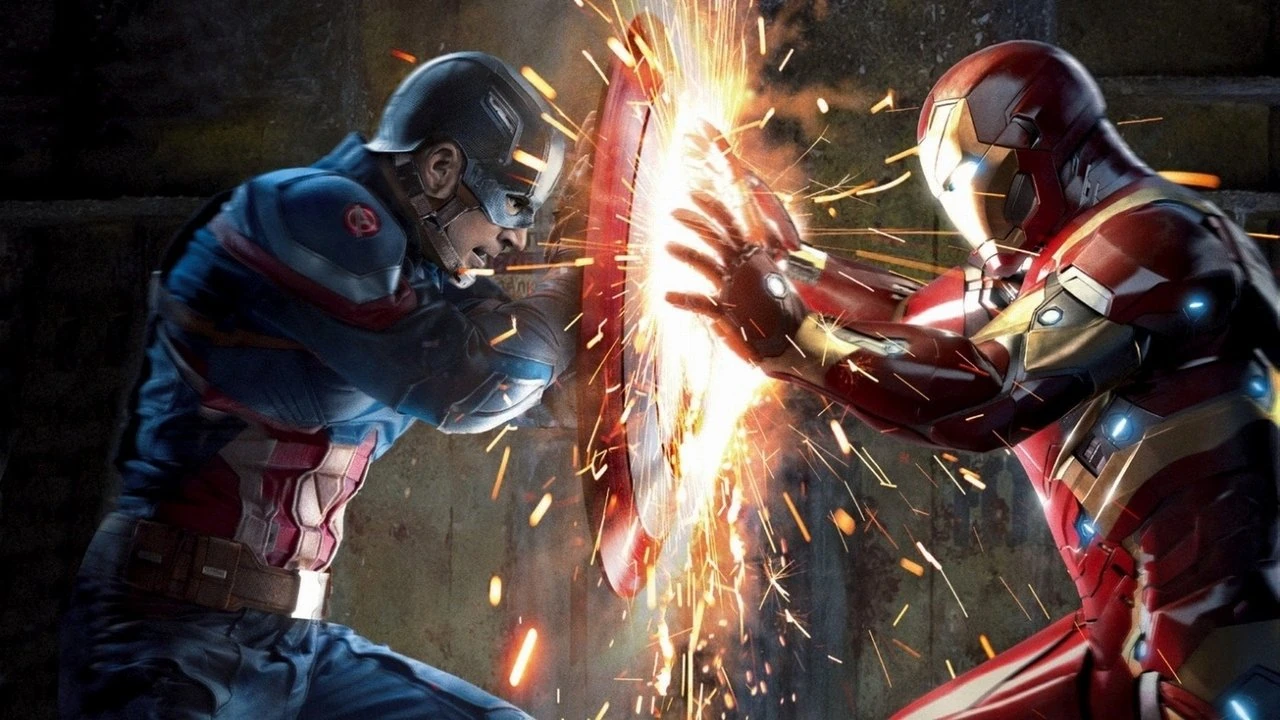 Captain America, unwavering in his conviction, stands against the tide of regulation, embodying the spirit of individual liberty.
When Loyalty Fractures the Soul
Beyond the grand political allegory, Captain America: Civil War is a deeply personal story of broken bonds and fractured loyalty. The core of the conflict isn’t just ideological; it’s intensely emotional. Steve Rogers’ unwavering commitment to Bucky Barnes, his childhood friend and a victim of HYDRA’s manipulation, pits him directly against Tony Stark, whose parents were murdered by a brainwashed Bucky. This personal tragedy, slowly revealed through Zemo’s intricate and somewhat convoluted machinations, elevates the stakes from a geopolitical dispute to a visceral, heartbreaking betrayal.
The film brilliantly posits that sometimes, the greatest threats aren’t external cosmic entities, but the very cracks within our closest relationships, forged by grief and misunderstanding.
The performances, particularly from Chris Evans and Robert Downey Jr., are praised for their emotional weight, selling the anguish of former allies turning against each other. Critics highlighted how this emotional core made the spectacular action sequences, especially the iconic airport battle, feel grounded and meaningful, rather than just empty spectacle. However, some audience feedback pointed to the complex motivations of Zemo, arguing his plan felt a little too intricate and coincidental at times, even if his purpose – to dismantle the Avengers from within – was devastatingly effective. The film cleverly uses Zemo not as a physical threat, but as a philosophical one, a master manipulator who exploits the heroes’ own flaws and tragedies against them. He forces them to confront the dark side of their legacy and the unaddressed trauma that festered beneath their heroic veneer.
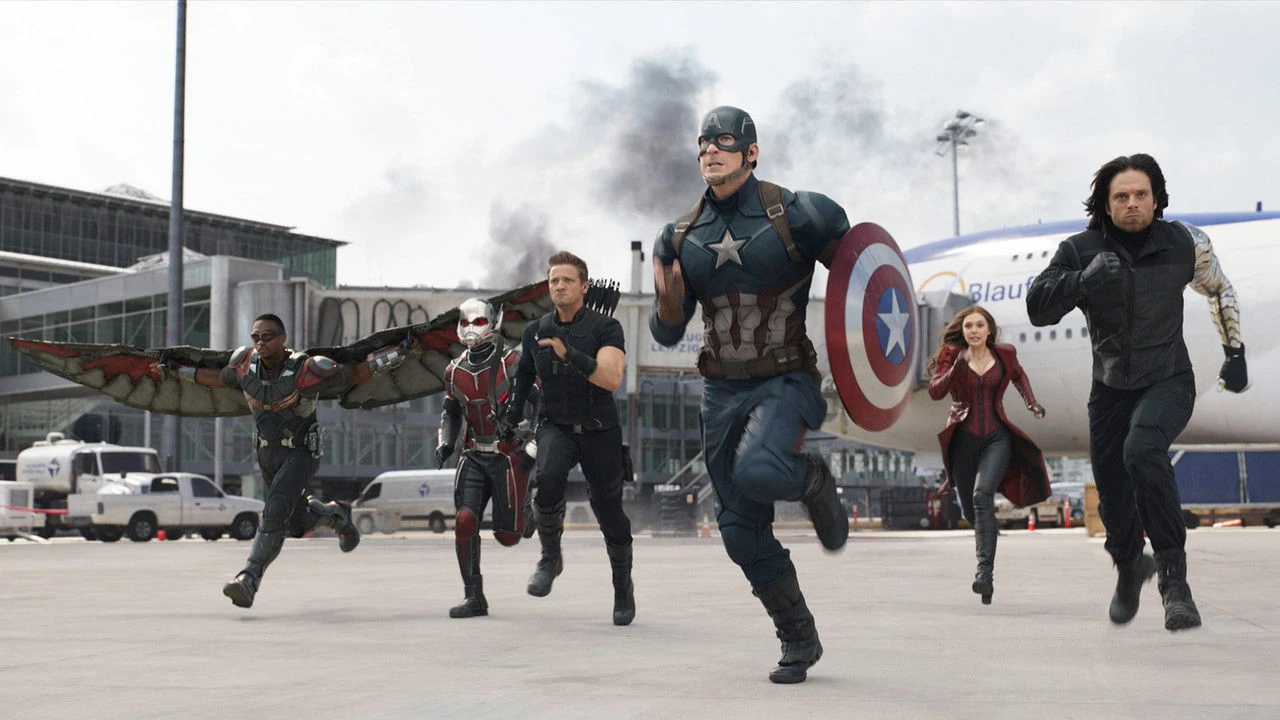 Iron Man stands amidst the chaos, his suit reflecting the internal turmoil of a man consumed by grief and a desperate need for justice.
Beyond the Epic Clash: A Mirror to Our Divisions
Even with its occasional pacing issues or the sheer volume of characters that sometimes felt like a setup for future films, Captain America: Civil War dares to ask profound questions about the human condition in an age of extraordinary power. What does it mean to be a hero when your actions, however noble, lead to unforeseen devastation? Can justice ever truly be served when personal vengeance so deeply clouds judgment? The film doesn’t shy away from depicting the devastating cost of conflict, not just in property damage, but in the emotional and psychological scars left on its characters.
The philosophical depth here lies in its exploration of moral relativism. Neither Cap nor Iron Man is entirely “right” or “wrong.” Both are driven by understandable motivations – Cap by a deep-seated distrust of authority and loyalty to a friend, Tony by guilt, fear, and a desire for accountability. The film serves as a potent allegory for the divisions in our own world, where deeply held convictions often lead to intractable standoffs, and where the lines between right and wrong blur into an agonizing grey. It’s a reminder that even when intentions are good, the path to hell can indeed be paved with them.
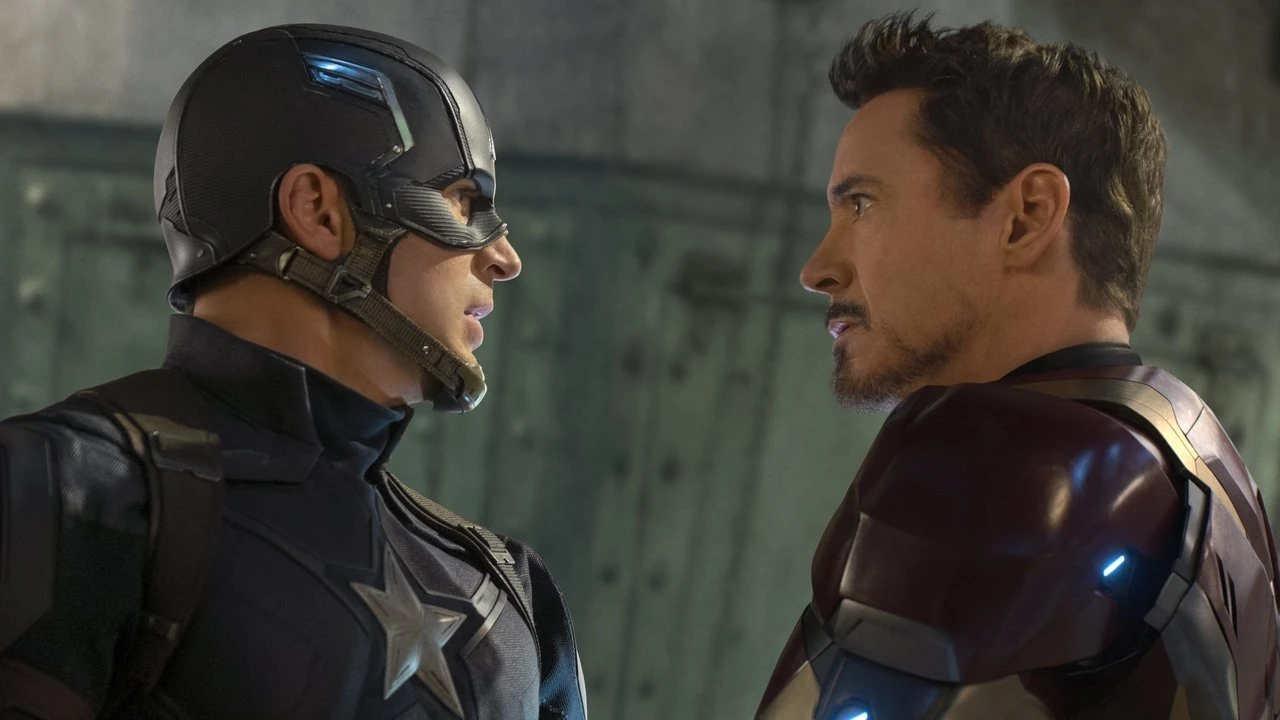 The desolate landscape after the battle, a stark reminder of the profound and often irreversible consequences of ideological conflict.
“Every action has its price, especially when driven by conviction, and the weight of that cost can often splinter the very foundations we believed immutable.”
Captain America: Civil War remains a complex and compelling entry in the superhero canon. While it delivered on blockbuster spectacle and generally garnered high praise, its true legacy lies in its willingness to dismantle its heroes and force them – and us – to confront uncomfortable truths. It’s a film that, despite its fantastical premise, holds a mirror up to our own society’s struggles with authority, personal responsibility, and the painful divisions that arise when principles clash. It left the MCU irrevocably altered, but more importantly, it left audiences pondering the true cost of heroism and the heavy burden of choice.
Where to Watch
- Disney Plus
What’s Up? explores the philosophical depths of cinema.