The Express to Existentialism: Unpacking Chennai Express's Chaotic Charm
A philosophical look at Chennai Express, exploring its divisive reception, cultural commentary, and unexpected journey into self-discovery and love.
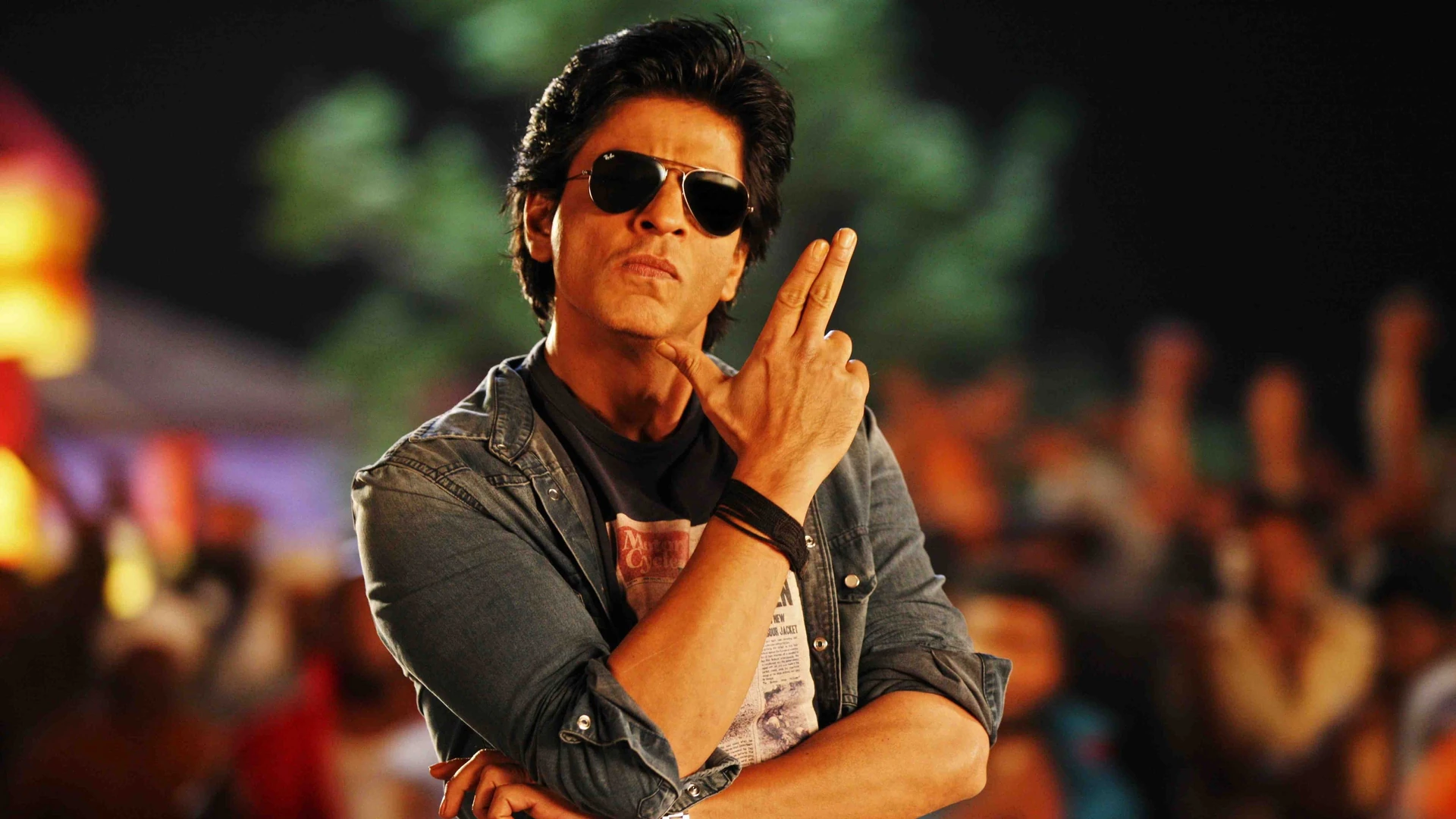
“It is not the destination where you end up but the mishaps and memories you create along the way.” — Anonymous
Rohit Shetty’s Chennai Express (2013) is, by many accounts, a cinematic paradox. A colossal commercial success that shattered box office records, it simultaneously became a lightning rod for critical debate. For many, it’s a loud, illogical, and often stereotypical masala film, emblematic of Bollywood’s ‘leave-your-brain-at-home’ ethos. Critics lambasted its uneven pacing, formulaic narrative, and especially its problematic depiction of South Indian culture. Yet, for all its undeniable flaws, there’s a fascinating philosophical undercurrent to this chaotic journey. It’s a film that, despite its surface-level contrivances, unexpectedly nudges us to consider the nature of destiny, the absurdity of life, and the profound transformations born from unplanned detours.
The Involuntary Odyssey: A Quest for Autonomy
At its heart, Chennai Express presents us with Rahul (Shah Rukh Khan), a seemingly ordinary man trapped in a mundane existence, dutifully running his family’s sweet shop. His life is dictated by his late grandfather’s final wish: to have his ashes immersed in the holy waters of Rameshwaram. This isn’t a hero’s eager quest; it’s a reluctant obligation, a burden of inheritance. Rahul plans a quick escape to Goa, but fate, or rather a speeding train and a chance encounter, intervenes. He finds himself entangled with Meena (Deepika Padukone), a woman fleeing an arranged marriage to a brutal strongman in a small Tamil Nadu village.
This initial setup, while played for laughs and action, lays the groundwork for a profound philosophical inquiry into autonomy vs. predestination. Rahul is pulled into a journey he didn’t choose, forcing him to confront not only external threats but also his own inertia. Meena, meanwhile, is actively fighting for her freedom, desperately trying to carve out a life on her own terms. Both characters, in their own ways, are struggling with the weight of inherited expectations and the desire for self-determination. The train, initially a symbol of escape for Rahul, becomes a catalyst, hurtling him towards an unanticipated destiny. It’s a reminder that sometimes, our most transformative journeys begin not with a conscious choice, but with a sudden, overwhelming push into the unknown.
Key themes to explore:
- Destiny vs. Free Will — Rahul’s reluctant acceptance of his path.
- Escape as a Catalyst — Meena’s flight ignites her true self.
- The Burden of Obligation — how family duty shapes our early lives.
 Rahul and Meena, two souls thrown together by circumstance, embarking on a journey far grander than they initially perceived.
The Logic of Chaos: Finding Meaning in the Absurd
Many critics, and even a good portion of the audience, struggled with the film’s often illogical plot points and over-the-top action sequences. Doors fly off speeding trains, villains are launched into the air with comical ease, and the very fabric of reality seems to bend to the will of Rohit Shetty’s vision. Reviewers frequently pointed to the film’s lack of narrative coherence and its reliance on broad, almost slapstick comedy as significant weaknesses. It’s easy to dismiss this as mere cinematic indulgence, a failure of coherent storytelling.
However, what if we approach this perceived “illogic” from an existential perspective? Life, much like Chennai Express, often throws us into situations that defy reason, logic, and our carefully laid plans. Love, in particular, is rarely a rational choice; it often blossoms in the most improbable, chaotic circumstances. Rahul and Meena’s romance develops amidst kidnappings, village feuds, language barriers, and constant peril. Their connection isn’t built on shared interests or profound conversations, but on shared survival, forced intimacy, and a growing understanding forged in the fires of absurdity.
Love doesn’t always make sense; sometimes, it’s the beautiful, terrifying chaos that truly makes us feel alive.
The film’s chaotic energy, then, can be seen as mirroring the inherent unpredictability of human connection. Their journey isn’t a smooth, planned progression, but a series of reactive, desperate moments that somehow, against all odds, lead to genuine affection. It’s a testament to the idea that meaning and deep connection can emerge not despite the chaos, but because of it. The film asks us to embrace the unexpected, to find our footing in the whirlwind, and to discover that sometimes, the most profound experiences are born from the least rational paths.
 Amidst the whirlwind of events, a gaze that transcends words, speaking volumes about burgeoning connection and mutual understanding.
Bridging Divides: A Flawed Exploration of ‘The Other’
One of the most significant and valid criticisms leveled against Chennai Express was its simplistic and often stereotypical portrayal of South India. The film frequently reduced a rich, diverse culture to exaggerated accents, generic “South Indian” villains, and comedic interpretations of customs. This isn’t a point to be glossed over; it’s a genuine misstep that rightly offended many and highlighted a persistent issue within mainstream Bollywood cinema.
Yet, beneath this problematic surface, the film’s narrative does attempt, however imperfectly, to explore the theme of cultural encounter and understanding. Rahul, the quintessential North Indian city-dweller, is thrust into a world entirely alien to him. He doesn’t understand the language, the traditions, or the power dynamics. Meena, despite her initial exasperation, becomes his guide, forcing him to adapt, learn, and ultimately, empathize. While the execution is flawed, the underlying narrative arc pushes Rahul to overcome his own preconceived notions and prejudices. He’s forced to engage with ‘the other’ – a different language, a different way of life, a different set of values – and in doing so, he grows.
This journey, however clumsy its cultural representation, ultimately asks us to consider the ethical imperative of empathy. It shows how interaction, even when fraught with misunderstanding and initial resistance, can lead to a broader worldview and a deeper appreciation for humanity’s diverse tapestry. Rahul’s transformation isn’t just about falling in love; it’s about expanding his own cultural and personal horizons, even if the film itself struggles with the nuances of that portrayal. It’s a reminder that sometimes, even flawed art can spark conversations about critical social and philosophical issues.
Perhaps the most profound truths aren’t found in neatly packaged narratives, but in the messy, loud, and utterly illogical journeys we sometimes embark on, willingly or not.
So, where does Chennai Express ultimately land in the vast landscape of cinema? It’s undeniably a divisive film, a commercial juggernaut that polarized audiences and critics alike, earning a modest 46% on Rotten Tomatoes from critics but a slightly warmer 60% from audiences. Its weaknesses are undeniable: the often-lazy comedy, the uneven script, and its regrettable cultural simplifications. Yet, to dismiss it entirely would be to overlook its unexpected philosophical resonance. It’s a loud, vibrant testament to the idea that life’s most significant transformations often come from its most chaotic detours. It asks us to consider the unpredictable nature of love, the quest for autonomy, and the uncomfortable but necessary process of bridging cultural divides. For all its noise, Chennai Express prompts us to reflect on the beautiful, illogical ride that is human existence.
Where to Watch
- Netflix
- Netflix Standard with Ads
What’s Up? explores the philosophical depths of cinema.