The Invisible Enemy: Chernobyl and the Philosophy of Truth
A deep dive into HBO's Chernobyl, exploring its unflinching portrayal of human sacrifice, systemic failure, and the terrifying cost of lies.
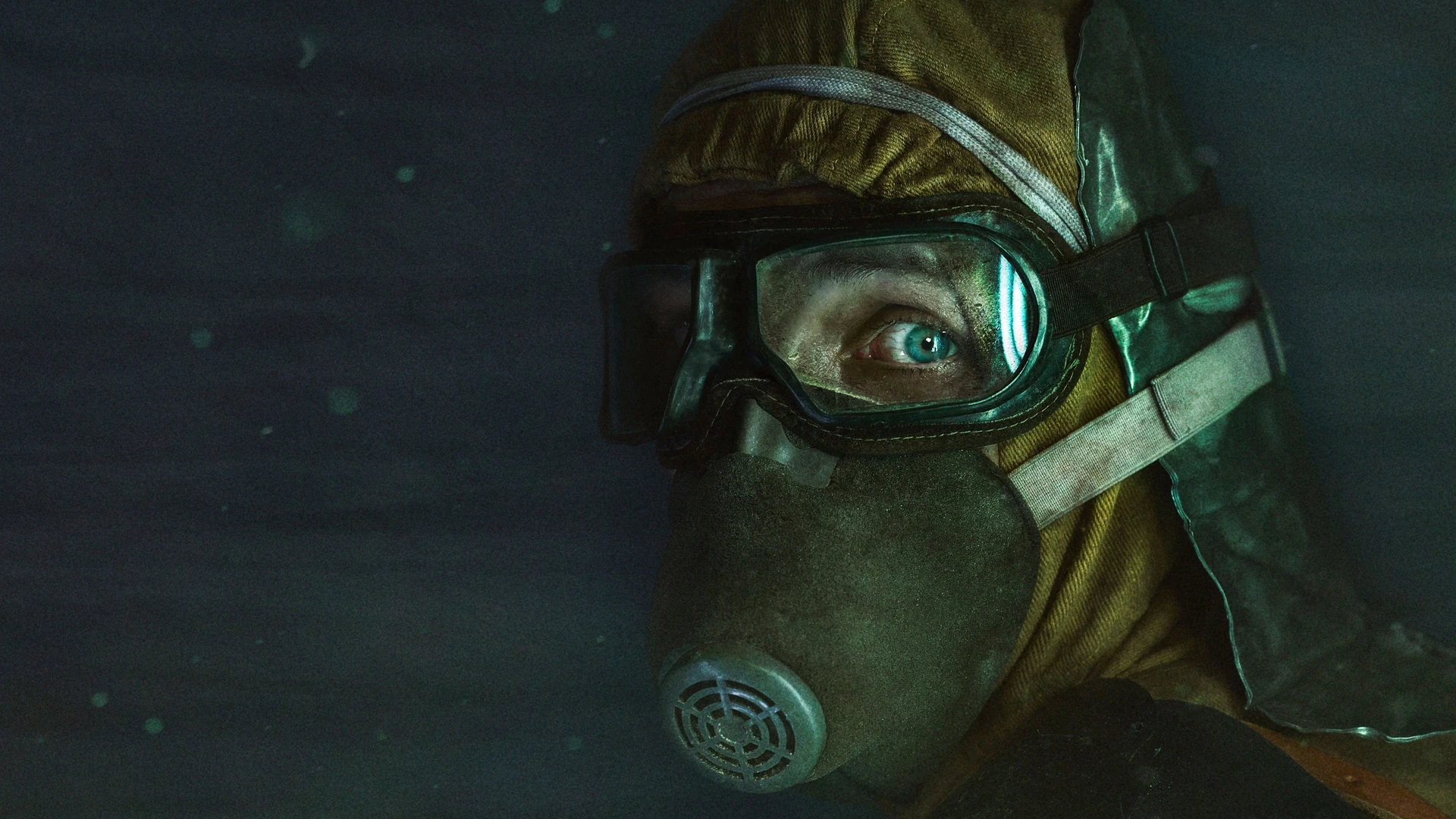
“The greatest enemy of knowledge is not ignorance, it is the illusion of knowledge.” — Daniel J. Boorstin
HBO’s Chernobyl (2019) isn’t just a dramatization of history; it’s a gut-wrenching, unflinching autopsy of humanity’s capacity for both heroism and catastrophic self-deception. When it premiered, the limited series landed like a sledgehammer, earning near-universal critical acclaim, boasting an astounding 95% on Rotten Tomatoes and an 87 on Metacritic. Audiences, too, were captivated and horrified, propelling it to become one of IMDb’s highest-rated series. Yet, amidst the well-deserved praise for its meticulous recreation, stellar performances, and relentless tension, Chernobyl also ignited conversations about the very nature of truth in storytelling, the burden of historical accuracy, and the chilling philosophical implications of systemic failure. This isn’t just a story about a nuclear accident; it’s a profound meditation on the fragility of reality when confronted by ideological rigidity.
The Weight of Unseen Truth
What immediately strikes you about Chernobyl is its refusal to flinch. From the harrowing, almost clinical depiction of the initial explosion to the grotesque, slow-motion horror of radiation sickness, the series doesn’t soften the edges. Critics lauded its uncompromising realism, often noting the show’s almost documentary-like precision. However, it’s precisely this pursuit of “truth” that also opened the door to nuanced discussions. While extensively researched, writer Craig Mazin and director Johan Renck necessarily took some dramatic liberties. Figures like Emily Watson’s character, Ulana Khomyuk, are composites – embodying the collective efforts of many scientists. Timelines are occasionally condensed, and certain dialogues are, of course, imagined.
This isn’t a flaw in the traditional sense, but a deliberate artistic choice that prompts a deeper philosophical inquiry: what is the ethical responsibility of historical drama? Is it to present an unvarnished, fact-for-fact account, or to capture the spirit and consequences of an event, even if it means minor deviations for narrative impact? For Chernobyl, the consensus was that its core message – the horrifying cost of lies and the quiet courage of those who fought them – transcended any minor factual adjustments. The series masterfully exposes the epistemological crisis inherent in a system where inconvenient truths are buried under layers of political necessity. It asks us to consider: what happens when the very fabric of knowledge is corrupted, when the illusion of control becomes more important than reality itself?
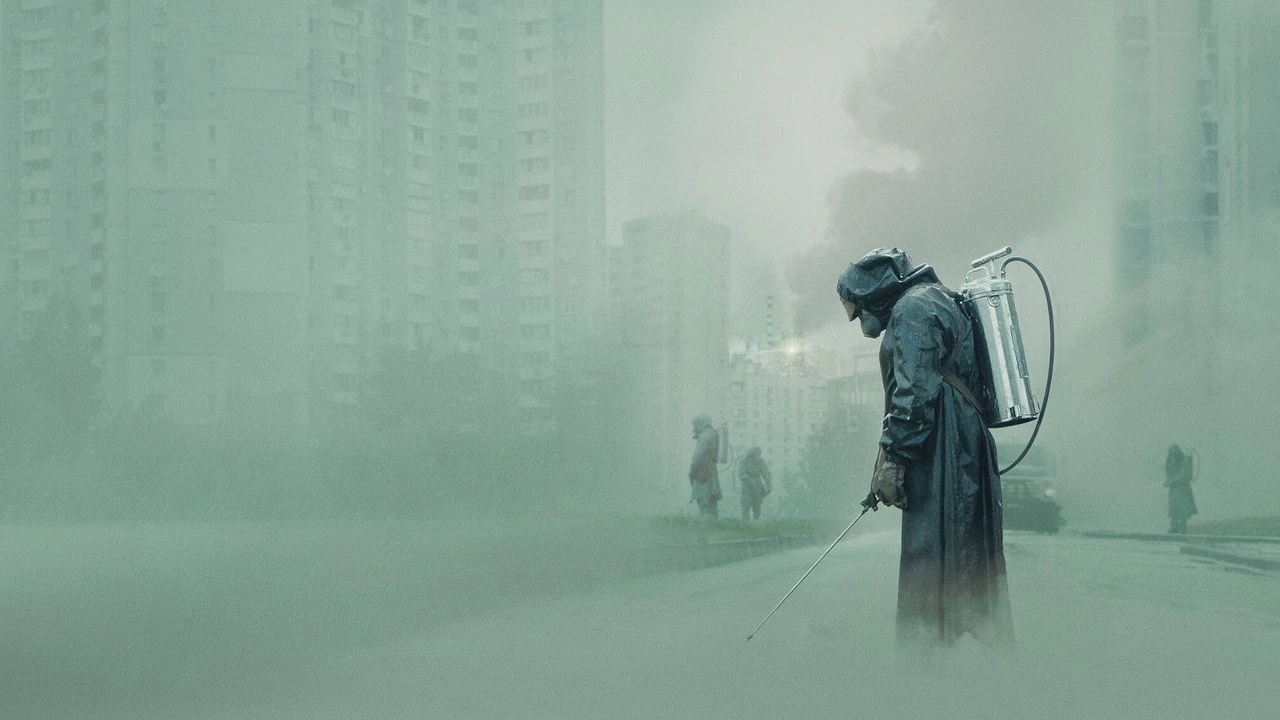 The desolate, haunting landscape of the Chernobyl Exclusion Zone, a permanent scar on the earth.
Sacrifice, System, and Silence
The series excels in portraying the sheer scale of human sacrifice. We witness the firefighters, miners, and “liquidators” – ordinary people who, often unknowingly, walked into a death sentence. Jared Harris’s performance as Valery Legasov, the brilliant but conflicted scientist, is particularly powerful, embodying the intellectual struggle against an impenetrable bureaucracy. Stellan Skarsgård’s Boris Shcherbina, initially a party loyalist, undergoes a profound transformation, grappling with the horrifying reality he’s forced to confront.
This is where we confront the true weight of systemic failure — not just in the hardware, but in the human software that governs our collective response to crisis.
Audience reactions consistently highlighted the emotional toll of watching Chernobyl. Many viewers found it almost unbearably grim, a testament to its effectiveness. While this relentless intensity could be challenging, it was also its strength. It forced us to sit with discomfort, to truly understand the ethical dilemmas faced by those on the ground. The series doesn’t just show us the disaster; it dissects the intricate layers of decision-making – or the lack thereof – that led to and exacerbated it. It’s a damning indictment of bureaucratic incompetence and the terrifying ease with which human lives can be reduced to expendable statistics in the name of political expediency. The silence and suppression from above, the refusal to admit error, created a second, equally deadly invisible enemy.
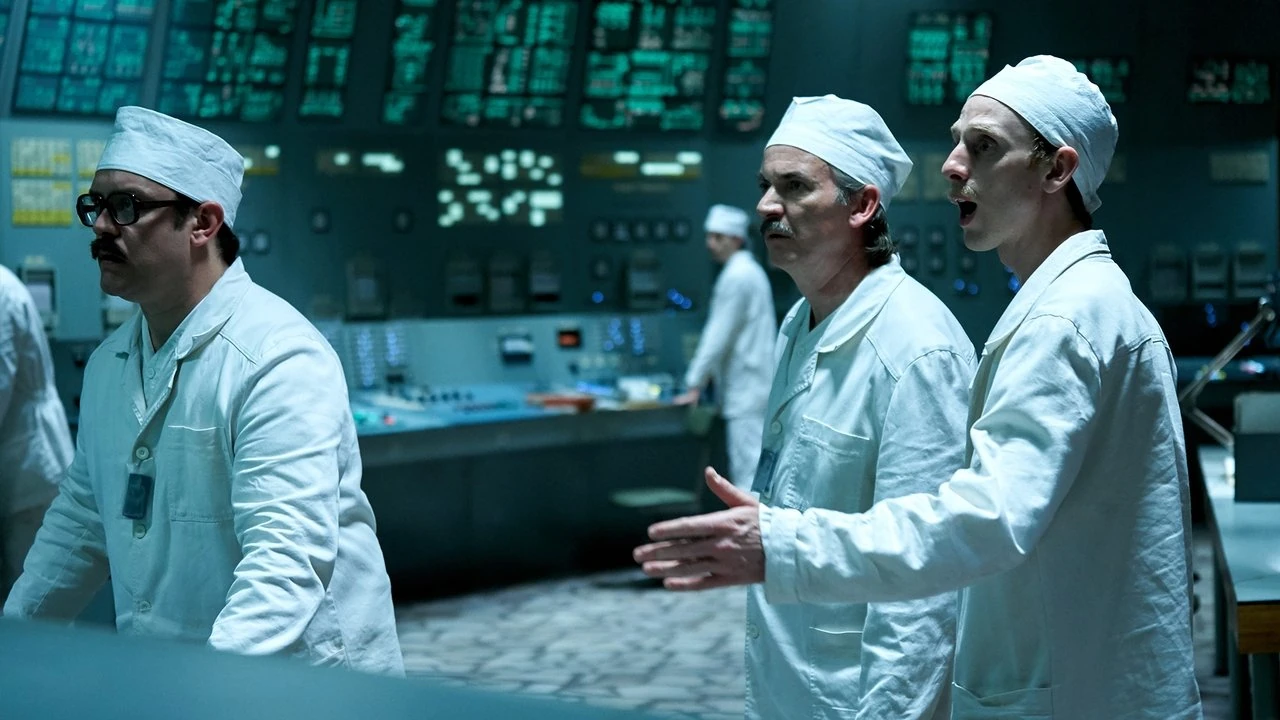 The stark contrast of human vulnerability against the overwhelming, invisible threat of radiation.
The Echo of Hubris
Beyond the immediate human tragedy, Chernobyl delves into deeper existential questions about humanity’s place in the natural world. The nuclear plant itself, a monument to human ambition and scientific prowess, becomes a symbol of our Promethean impulse – the desire to harness immense power, to control and reshape nature. The explosion serves as a stark reminder of the devastating consequences when that control is lost, when our hubris blinds us to the inherent risks. It’s a classic tragedy, but one played out on a global scale, with an invisible, insidious antagonist: radiation.
This invisible enemy forces us to confront the limits of our perception and understanding. How do you fight something you cannot see, hear, or feel, yet which irrevocably poisons everything it touches? The series, in its depiction of the long-term environmental devastation and the generations affected, becomes a chilling allegory for other abstract, slow-burn existential threats we face today – climate change, pandemics, or even the pervasive spread of misinformation. It asks: Are we learning the lessons of Chernobyl? Are we willing to prioritize truth and collective responsibility over short-term gains and comfortable illusions? The series acts as a powerful warning, urging us to question authority, to demand transparency, and to remember the immense cost of complacency.
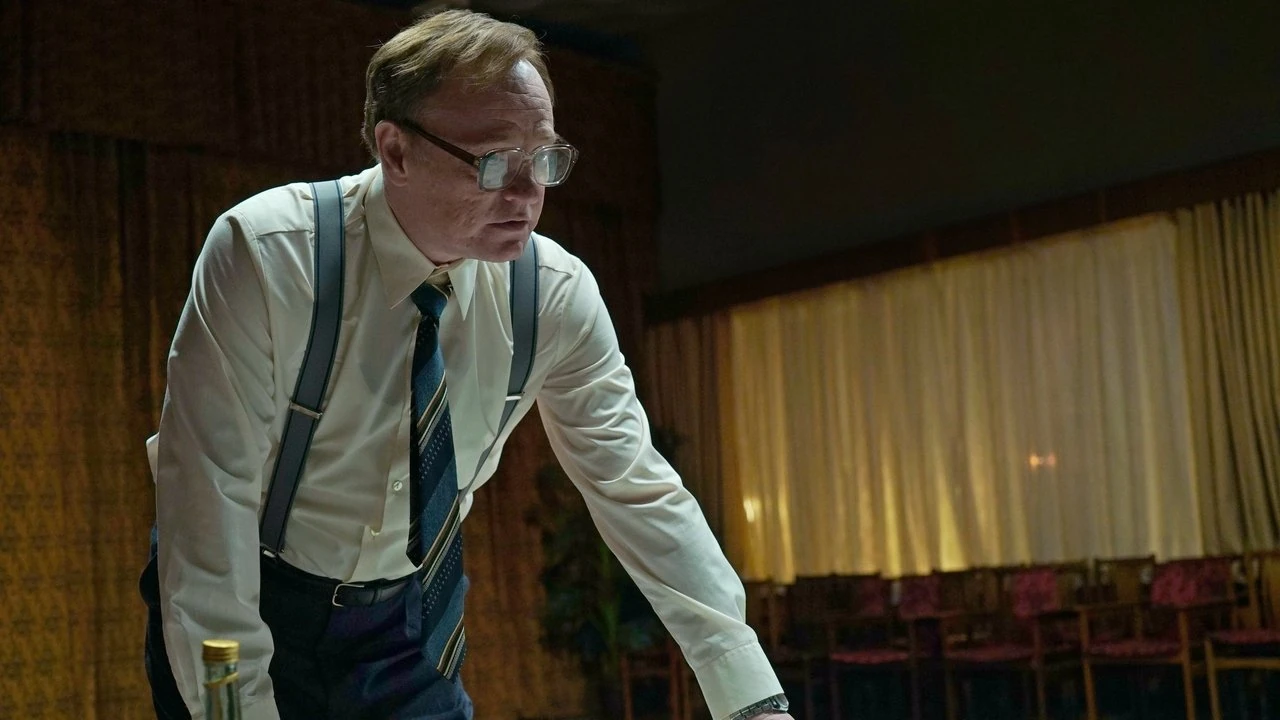 A lone figure stands against the backdrop of a contaminated city, a symbol of isolation and the enduring scar of disaster.
“Every lie we tell incurs a debt to the truth. Sooner or later, that debt is paid.” — Valery Legasov, Chernobyl
Chernobyl is far more than a historical recount; it’s a vital piece of philosophical cinema. Despite the minor historical dramatizations that sparked some academic debate, its overwhelming critical success and profound emotional impact are undeniable. It doesn’t just depict a catastrophe; it forces us to interrogate the very mechanisms that allow such disasters to unfold. It’s a haunting testament to human courage, but also a stark reminder of the terrifying power of lies, denial, and systemic failure. What does it truly mean to bear witness, and what responsibilities do we carry to ensure that such a catastrophe, in whatever form, is never allowed to repeat?
Where to Watch
- HBO Max
- HBO Max Amazon Channel
What’s Up? explores the philosophical depths of cinema.