Creature Commandos: Unmasking the 'Monster' in Humanity's Last Resort
An exploration of Creature Commandos, delving into its philosophical questions about monstrosity, purpose, and the nature of redemption.
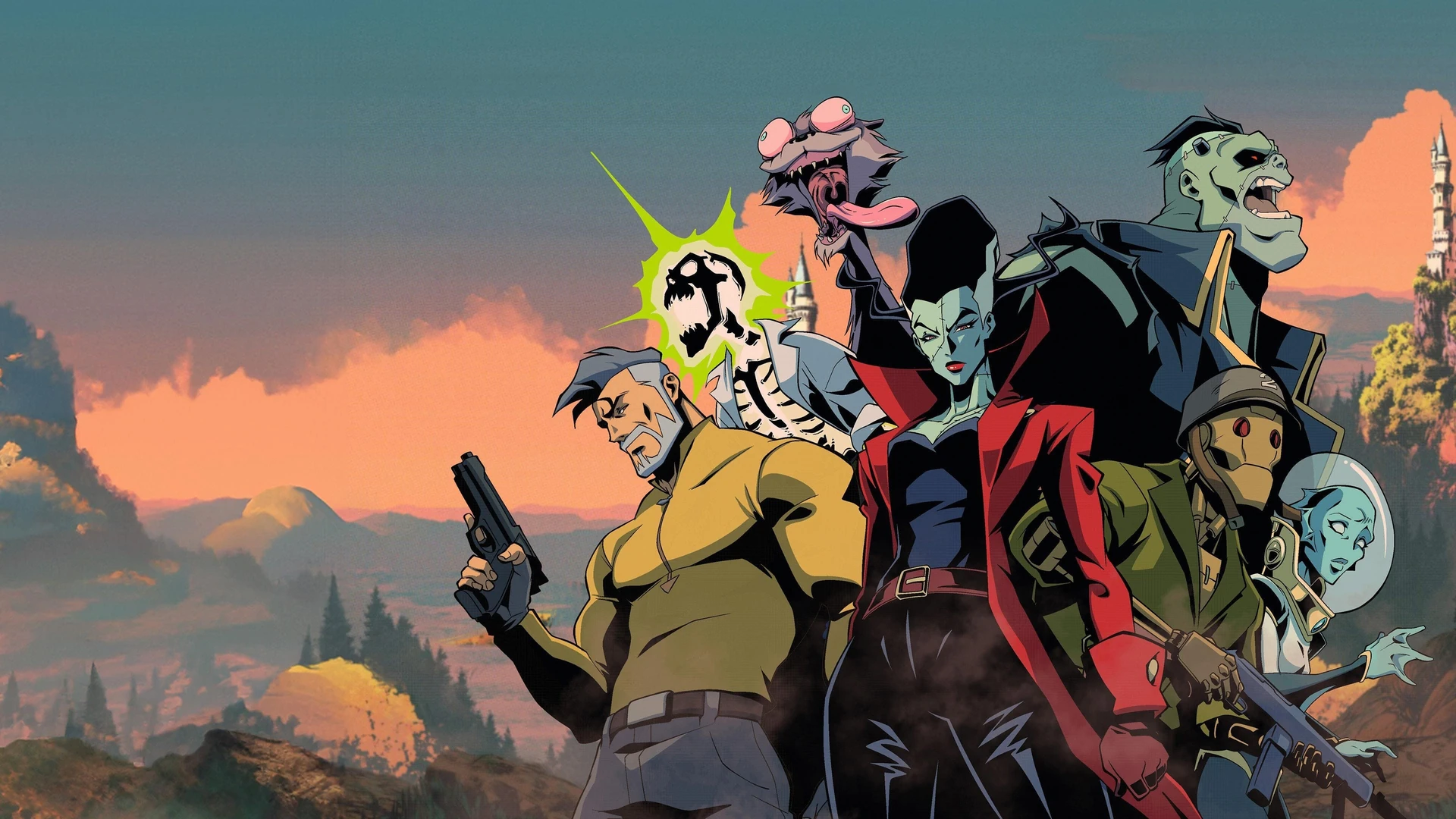
“We are all monsters, if we are honest enough to admit it, but some of us are just better at hiding it.” — Unknown
The upcoming animated series Creature Commandos (2024) steps onto the cinematic stage with a premise that’s both thrillingly pulpy and surprisingly ripe for philosophical dissection. As a What’s Up? critic, I’m always looking for the deeper currents beneath the surface-level spectacle, and this DC offering, even before its full release, promises a rich, albeit potentially messy, tapestry of themes. While actual critical consensus remains to be seen given its December 5th release, the concept itself — a motley crew of incarcerated monsters, “your last, worst option” — immediately sparks a fascinating debate about identity, purpose, and the ever-shifting lines between humanity and monstrosity. Anticipation is high, with many hoping it delivers the irreverent charm and surprising heart often found in this corner of the DC universe, but the sheer breadth of its promised genres (Animation, Action, Adventure, Comedy, Crime, Drama, Fantasy, Horror, Mystery, Romance, Sci-Fi, Thriller) also raises a few eyebrows about potential tonal whiplash.
The Paradox of the “Worst Option”
At its philosophical core, Creature Commandos seems poised to explore the paradox of utility in the most extreme sense. These aren’t heroes by choice, nor are they necessarily “good” by conventional metrics. They are, as the plot overview states, “incarcerated monsters,” pressed into service because, apparently, no one else can or will do the job. This immediately positions them as a collective pharmakon – both poison and cure. They are the societal rejects, the terrifying “others,” yet they are simultaneously the last line of defense. What does it mean for society when its salvation rests in the hands of its greatest fears, its imprisoned nightmares?
This setup forces us to confront uncomfortable questions:
- What defines a monster? Is it appearance, origin, or the choices one makes?
- Can true redemption be forced? If these creatures are compelled to save the world, does it absolve them of past transgressions, or merely delay their reckoning?
- The ethics of exploitation: Is it morally justifiable to use dangerous beings for dangerous tasks, even if it’s for the “greater good”?
The series, with its 23-minute runtime per episode, will need to navigate these complex waters with skill. There’s a risk that a show attempting to blend so many genres might gloss over the profound implications for the sake of action or comedy. Early buzz suggests a fast pace, and while that can be exciting, it also means less room for quiet contemplation of these weighty themes.
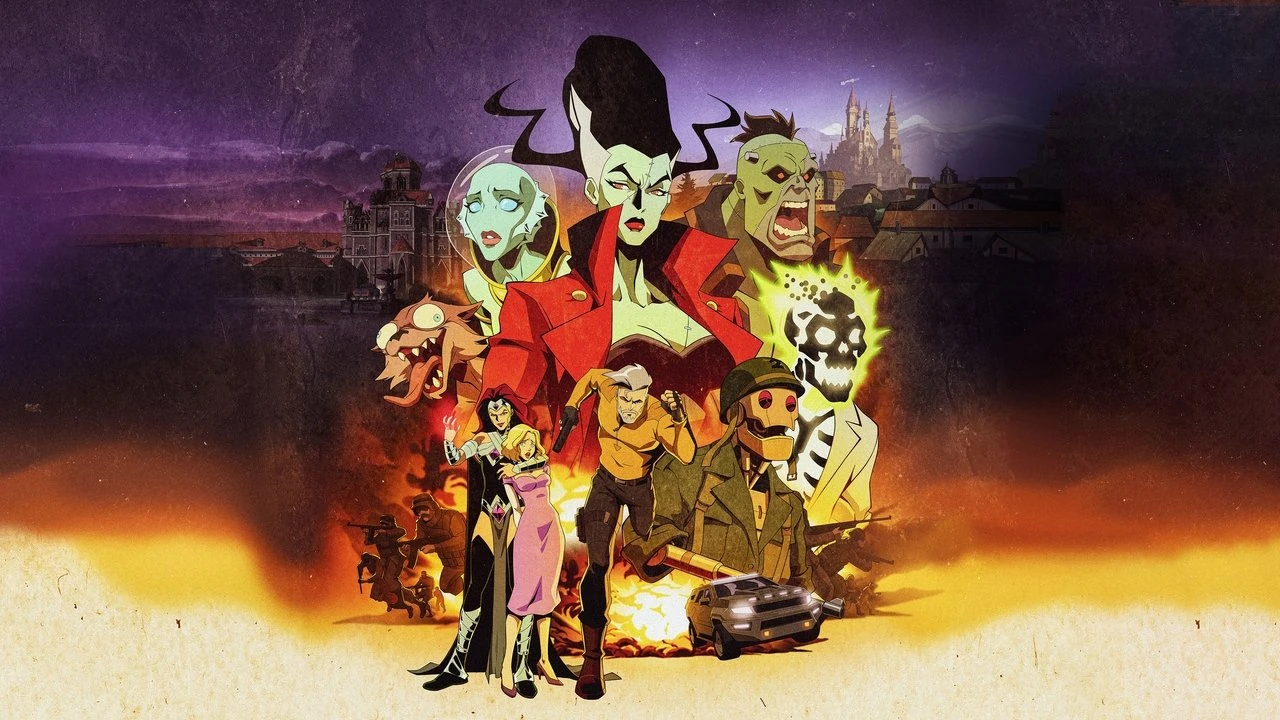 A shadowed figure, possibly a member of the Creature Commandos, stands in a moment of solitary contemplation, hinting at the internal struggles beneath their monstrous exterior.
Tonal Tightrope and the Human Heart
The success of Creature Commandos will likely hinge on its ability to balance its wildly disparate genre elements without losing its footing. While the voice cast, featuring talents like David Harbour, Sean Gunn, Alan Tudyk, Indira Varma, and Zoë Chao, promises strong performances that can infuse humanity (or, well, creature-ity) into these characters, the sheer ambition of its genre cocktail could prove a double-edged sword.
One might anticipate that the “Comedy” and “Action” elements will be front and center, providing the initial hook. However, the inclusion of “Drama,” “Horror,” “Mystery,” and even “Romance” suggests a deeper narrative ambition. This is where the potential for critical division lies. Some viewers might relish the tonal shifts, appreciating the genre-bending audacity, while others might find it jarring, perhaps feeling that the dramatic beats are undercut by slapstick, or the horror elements diluted by romance. The challenge, as it always is with such eclectic mixes, is to ensure that these varied flavors coalesce into a coherent, satisfying whole, rather than a jumbled mess.
The true measure of a society isn’t how it treats its best, but how it treats its worst — or, in this case, how it uses them.
We’ve seen similar premises before, particularly with Suicide Squad in its various iterations, which also plays with the idea of villains forced into heroism. Creature Commandos offers a slightly different angle by focusing on monsters rather than just criminals, amplifying the themes of “otherness” and societal rejection. If the series leans into the pathos of these creatures, exploring their past traumas and their longing for acceptance or purpose, it could resonate deeply. However, if it remains purely surface-level, reveling only in the grotesque or the comedic, it might miss an opportunity to truly explore the human condition as reflected in the monstrous.
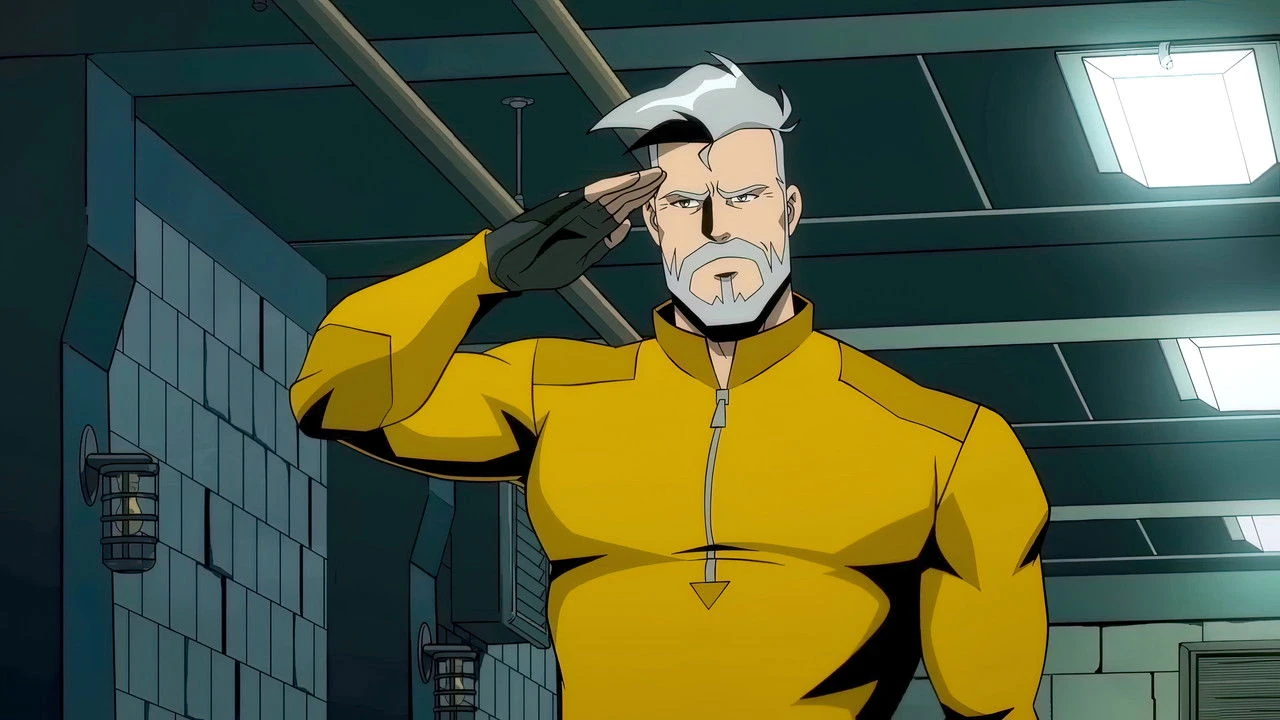 Two monstrous figures, one imposing and the other more agile, stand back-to-back, a visual metaphor for unlikely camaraderie and shared burden.
The Existential Weight of a Second Chance
Despite any potential tonal unevenness or criticisms regarding pacing (which is always a concern with serialized animation), Creature Commandos inherently raises profound existential questions. What is the meaning of existence for beings who are inherently feared, reviled, or simply misunderstood? The narrative suggests a forced re-evaluation of their lives, a chance to perform actions that, ironically, might be considered heroic.
This series could be a powerful meditation on existential freedom versus determinism. Are these creatures forever bound by their monstrous nature, or can their forced service carve out a new path, a new identity? The ensemble cast, with each member bringing their unique brand of “monster,” provides a fertile ground for exploring diverse internal conflicts. Imagine the internal struggle of a creature who longs for peace but is constantly forced into violence, or one who despises humanity yet must protect it. Their story, at its best, won’t just be about fighting external threats, but about grappling with their own identities, their pasts, and the unexpected possibility of a future where they might not just be “the last, worst option,” but perhaps, simply, an option.
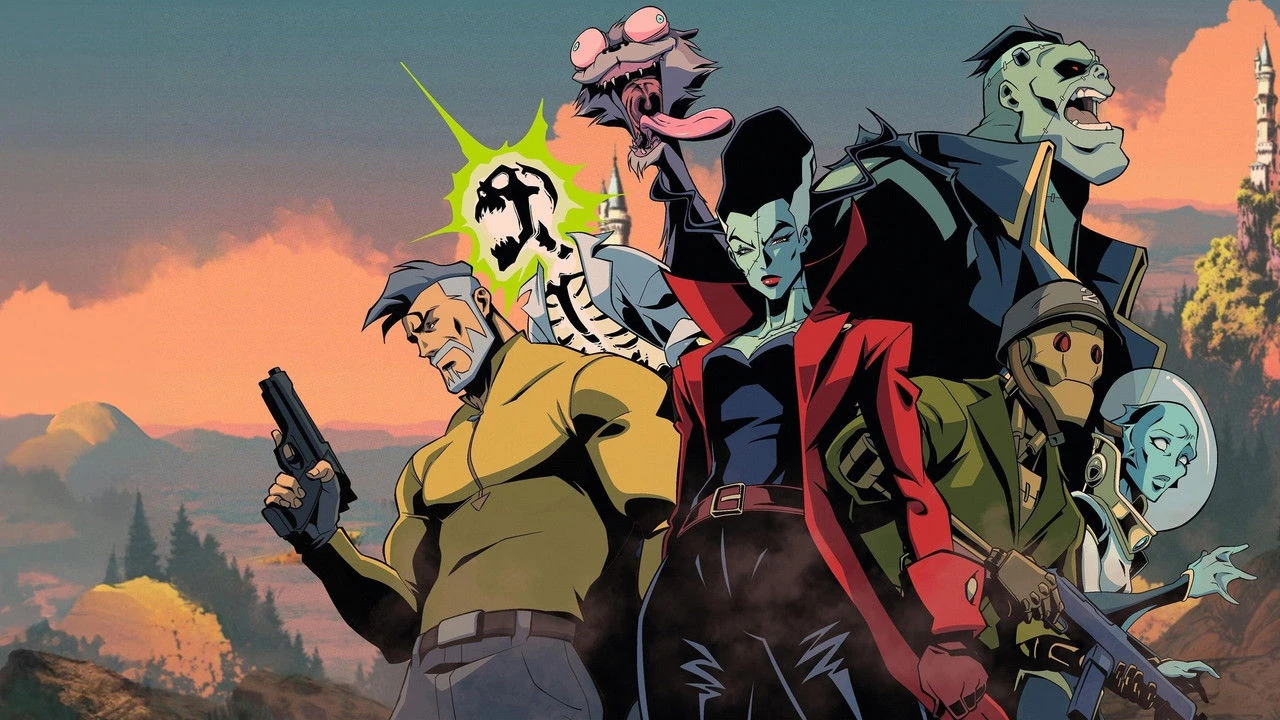 A close-up on the expressive face of one of the Commandos, revealing a complex mix of determination, weariness, and perhaps a flicker of hope in their eyes.
The legacy of the “monster” often lies not in their initial terror, but in the unforeseen compassion they provoke, forcing us to question where the true monstrosity resides.
Ultimately, Creature Commandos stands to be more than just another animated action series. It’s a mirror reflecting our own anxieties about difference, our capacity for judgment, and our desperate hope for redemption, even in the most unlikely of forms. While the series will undoubtedly face the critical scrutiny that comes with such ambitious undertakings – particularly concerning its ability to juggle such a wide array of genres within a concise runtime – its core premise offers a rich vein of philosophical gold. It asks us to look beyond the fangs and claws, the scales and stitches, and consider the beings beneath, struggling for purpose in a world that branded them abominations. What does it say about us when our survival depends on the very things we’ve cast out?
Where to Watch
- HBO Max
- HBO Max Amazon Channel
- HBO Max Amazon Channel
What’s Up? explores the philosophical depths of cinema.