Dark: Trapped in Time's Relentless Embrace
Exploring Dark, the German Netflix series, which delves into complex themes of time, fate, and human connection, despite its intricate plot.
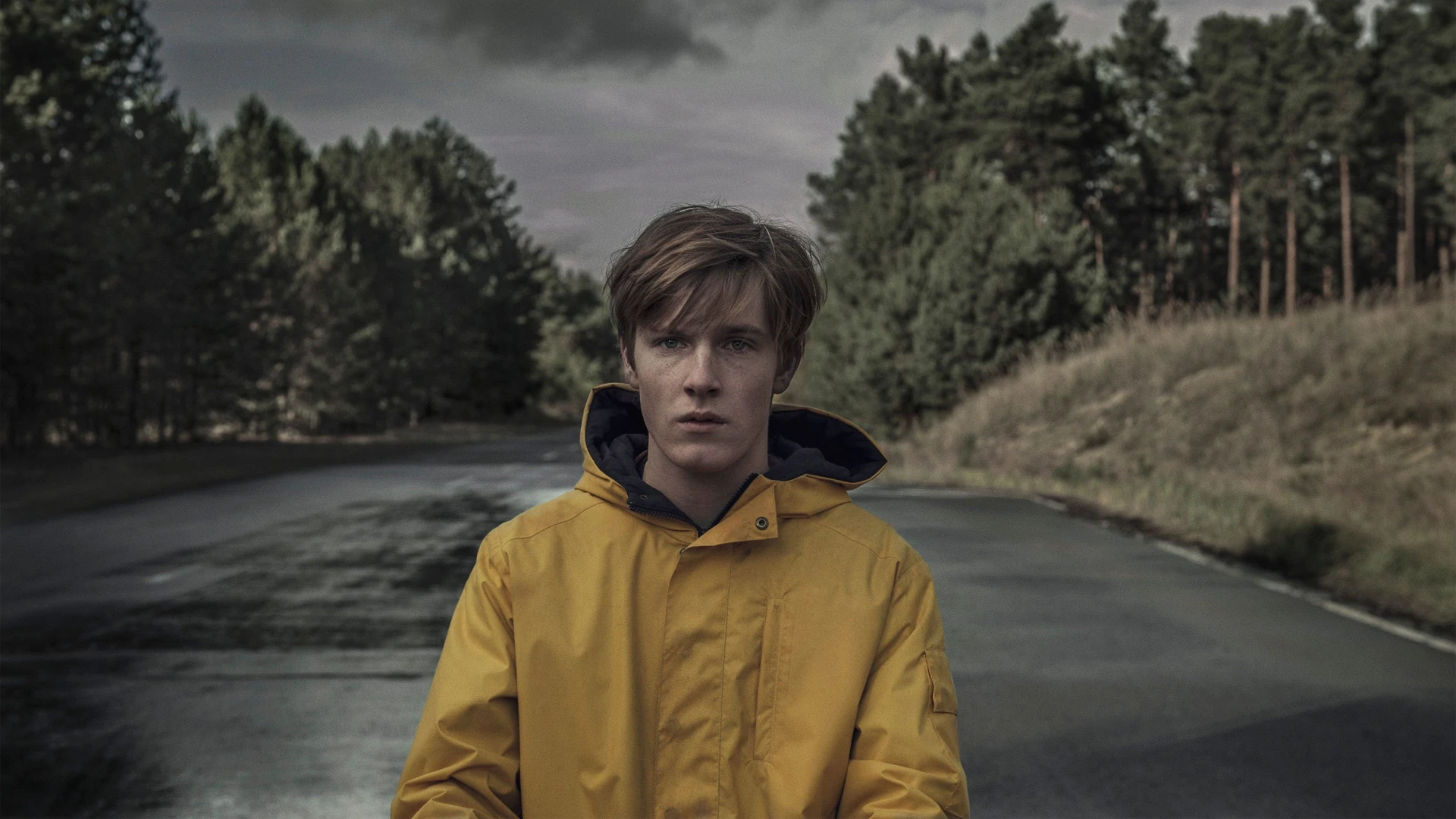
“The beginning is the end, and the end is the beginning.” — Dark
From the moment it dropped on Netflix in 2017, Dark wasn’t just another mystery series; it was a phenomenon, a beautifully woven, intricately knotted tapestry of time, fate, and human despair. Hailing from Germany, this series quickly distinguished itself from its English-language counterparts, proving that a truly cerebral and emotionally devastating narrative transcends linguistic barriers. While its initial episodes presented a slow-burn mystery that some viewers found a bit daunting, requiring patience, the overwhelming critical consensus, reflected in its near-perfect scores on Rotten Tomatoes and Metacritic, quickly solidified its status as a masterpiece of modern television. Critics and audiences alike lauded its meticulously crafted plot and atmospheric dread, even as the sheer complexity of its multiple timelines and interconnected families often left many viewers delightfully, or sometimes frustratingly, confused. But it’s precisely in this challenging complexity that Dark’s profound philosophical power truly resides.
The Relentless Wheel of Causality
Dark doesn’t just dabble in time travel; it weaponizes it as a philosophical tool, forcing us to confront the very nature of causality and determinism. At its core, the series asks: are we truly free, or are our choices merely echoes of events already transpired, destined to repeat in an endless, inescapable loop? The residents of Winden — the fictional German town where every tragedy seems connected to the local nuclear power plant and a series of disappearances — find themselves trapped in a terrifying loop, their past, present, and future inextricably linked. Every attempt to change the past, every desperate act to break the cycle, only serves to fulfill the very prophecy it sought to prevent. This isn’t just a plot device; it’s a metaphysical anchor, grounding the narrative in a worldview where free will is a comforting illusion.
Key themes that emerge from this relentless cycle:
- The illusion of choice — Characters believe they are making decisions, but they are often fulfilling a predetermined destiny.
- Intergenerational trauma — The sins and secrets of one generation ripple through time, poisoning the lives of their descendants.
- The burden of knowledge — Knowing the future doesn’t empower; it often paralyzes or compels characters to act in ways they dread.
- The search for meaning in a predetermined world — How do you find purpose when your path seems already paved?
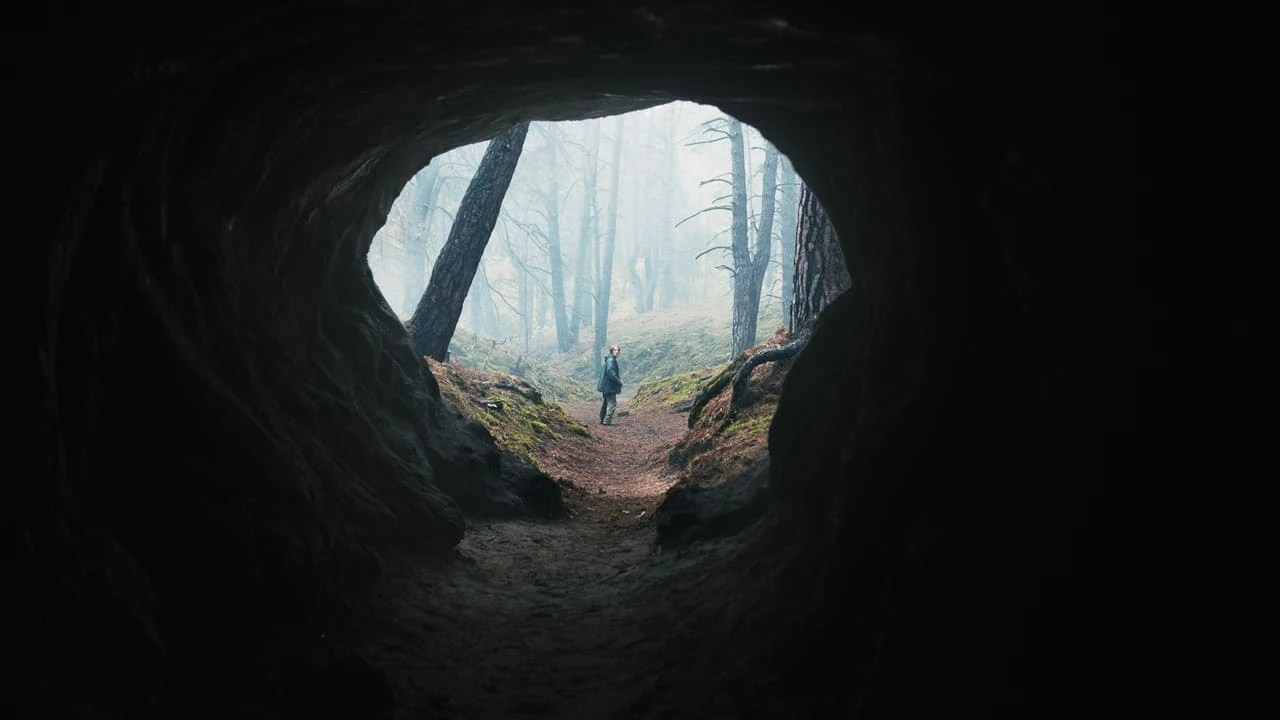 A young Jonas Kahnwald, bewildered and burdened, standing at the precipice of time’s unraveling.
Weaving Through Time’s Tapestry
What makes Dark so compelling, despite its occasional opacity, is its masterful execution of an incredibly ambitious premise. While some audience members initially struggled with the sheer number of characters and their multiple temporal iterations, often noting the similar appearances of certain actors across generations, the commitment to its internal logic is truly astounding. The series rarely, if ever, contradicts its own convoluted rules, a feat that drew immense praise from critics. The show’s narrative isn’t just intricate; it’s emotional. We see the same characters as children, adults, and elders, their pain and longing echoing across decades. This allows for an unparalleled exploration of identity – how much of who we are is shaped by our circumstances, our era, our knowledge of the future or past selves?
The most haunting aspect of Dark isn’t the monsters in the dark, but the realization that we are often the architects of our own and others’ suffering, simply by trying to avoid it.
The pacing, initially described by some as slow, particularly in the first season’s setup, ultimately proved to be a strength. It allowed the dense atmosphere to fully permeate, letting the existential dread seep into the viewer’s consciousness. The show doesn’t rush; it breathes, making every revelation feel earned and every paradox a punch to the gut. The performances, particularly from actors like Louis Hofmann as the central figure Jonas Kahnwald, grounded the mind-bending plot in palpable human emotion – grief, betrayal, desperate love, and an all-consuming search for understanding.
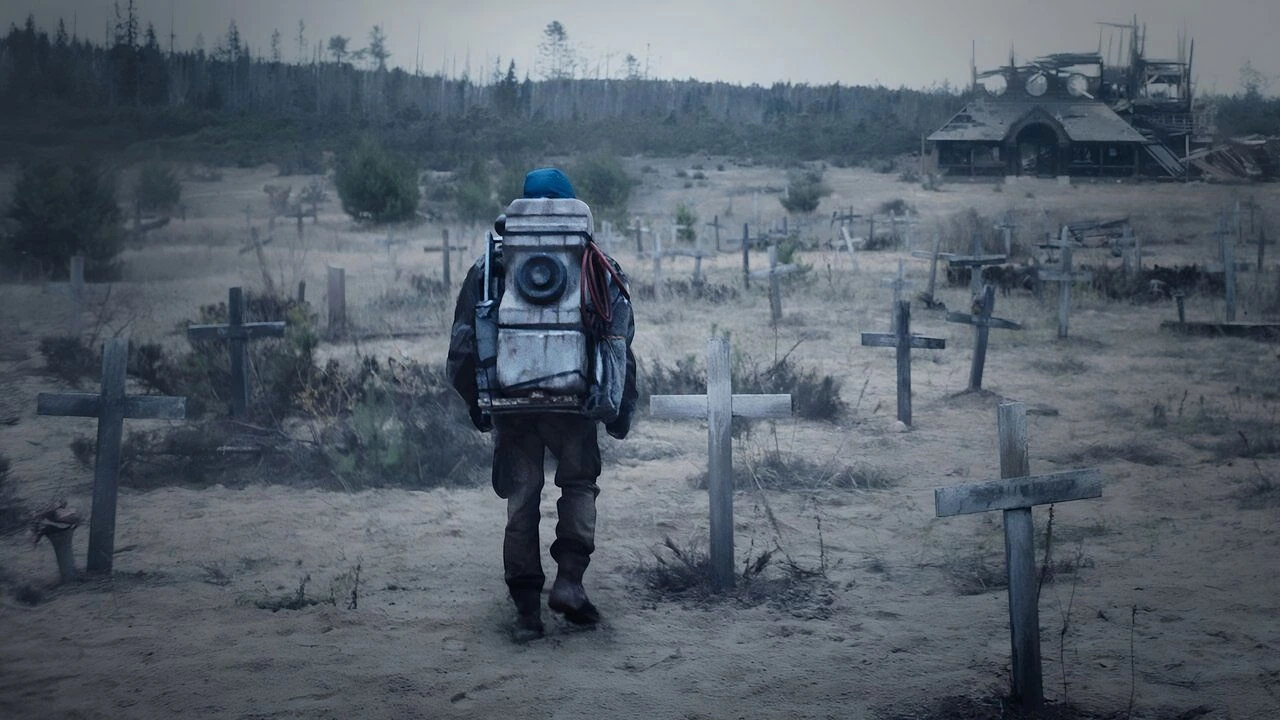 The iconic Winden caves, a portal to secrets and temporal distortions, shrouded in an almost mythological aura.
The Echo of Forever
Beyond the intricate puzzles and sci-fi mechanics, Dark is a profoundly existential drama. It grapples with questions that have plagued philosophers for centuries: Can we escape our destiny? Is suffering an inherent part of existence? What is the nature of reality itself when time isn’t linear? The series suggests that our deepest connections – family, friendship, love – are often the very threads that bind us most tightly to our predetermined paths, making them both our salvation and our curse. It’s a bleak, yet strangely beautiful, meditation on the cycles of life and death, creation and destruction, all viewed through the lens of temporal paradox.
 Clocks and tangled wires, symbolizing the intricate, broken mechanics of time and fate within the series.
To truly live is to break free from the chains of what has been, what is, and what will be, even if it means ceasing to exist.
Dark’s legacy, despite its demanding nature and the occasional head-scratching moment for viewers, is one of unparalleled ambition and execution. It’s a show that trusts its audience, demanding engagement and rewarding it with a meticulously crafted narrative that explores the fundamental questions of human existence. It’s not just a story about time travel; it’s a profound, melancholic journey into the heart of what it means to be trapped, to seek freedom, and to understand that sometimes, the only way out is through. What does it say about us that we are so drawn to narratives where the very fabric of our perceived reality is constantly under threat?
Where to Watch
- Netflix
- Netflix Standard with Ads
What’s Up? explores the philosophical depths of cinema.