The Mask of Mirth: Deadpool's Existential Jest
Exploring the philosophical undercurrents of Deadpool (2016), examining its use of humor, meta-narrative, and identity as coping mechanisms.
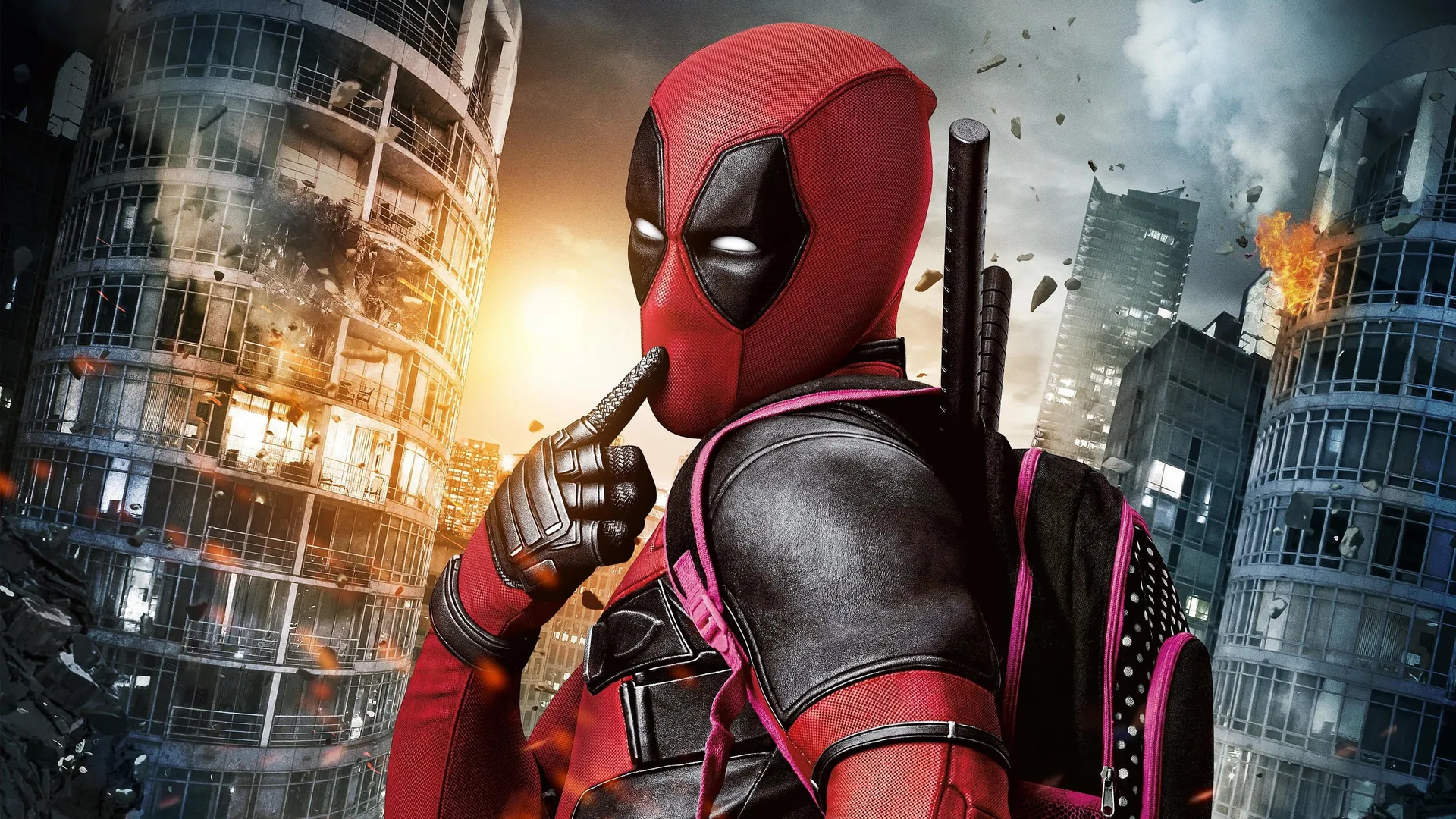
“Man is condemned to be free; because once thrown into the world, he is responsible for everything he does.” — Jean-Paul Sartre
When Deadpool burst onto the scene in 2016, it wasn’t just another superhero movie; it was a loud, irreverent, and often gleefully offensive middle finger to the genre’s established norms. Director Tim Miller, along with star Ryan Reynolds, finally delivered the R-rated, fourth-wall-shattering anti-hero fans had been clamoring for, and the box office numbers reflected that fervent desire. Critics were, perhaps predictably, a little more divided. While many lauded its audacious humor, Reynolds’ pitch-perfect performance, and its fresh take on a stale formula (Rotten Tomatoes aggregates an impressive 85% approval), others on Metacritic (65/100) pointed to its conventional plot lurking beneath the meta-gags, its one-note villains, and a reliance on shock value that sometimes felt like a distraction. Yet, even in its most criticized moments, Deadpool offers a surprisingly fertile ground for philosophical exploration, prompting us to ask profound questions about identity, suffering, and the very nature of narrative itself.
The Absurdist’s Armor: Humor as a Shield (and a Sword)
Let’s address the elephant in the room first: the plot of Deadpool is, at its core, remarkably simple. It’s a standard revenge story. Wade Wilson, a former Special Forces operative turned mercenary, gets cancer, undergoes a rogue experiment to cure it, is horribly disfigured, gains healing powers, and then hunts down the man who did it. Critics were quick to point out this narrative predictability, arguing that the film’s relentless humor and fourth-wall breaks often felt like a smokescreen for a rather bland foundation. And they weren’t entirely wrong. Ed Skrein’s Ajax (Francis) is a forgettable antagonist, and the stakes, while personal, never feel grand in the way traditional superhero fare does.
But what if the very point of the film’s chaotic, often crude humor isn’t just to entertain, but to serve as a philosophical coping mechanism? Wade Wilson’s transformation into Deadpool is not just physical; it’s a descent into grotesque suffering. He loses his good looks, his health, and nearly his love, Vanessa. In the face of this absolute horror and loss of control, Deadpool chooses absurdism. His humor isn’t just dark; it’s a defiant roar against the cosmic indifference that has disfigured him. He laughs at his pain, at the world, and at the audience, not because he’s truly carefree, but because to do anything else would be to succumb to despair. This is where Deadpool’s philosophical muscle truly flexes. His endless stream of jokes, pop culture references, and self-deprecating remarks become an existential armor, deflecting the unbearable weight of his new reality. It’s a profound, albeit profane, embrace of the meaninglessness that has been thrust upon him, turning suffering into a punchline.
- Humor as Defense — a psychological shield against trauma.
- Absurdist Stance — finding meaning, or refusing to, in a chaotic universe.
- Defiance Against Fate — actively choosing a response to suffering.
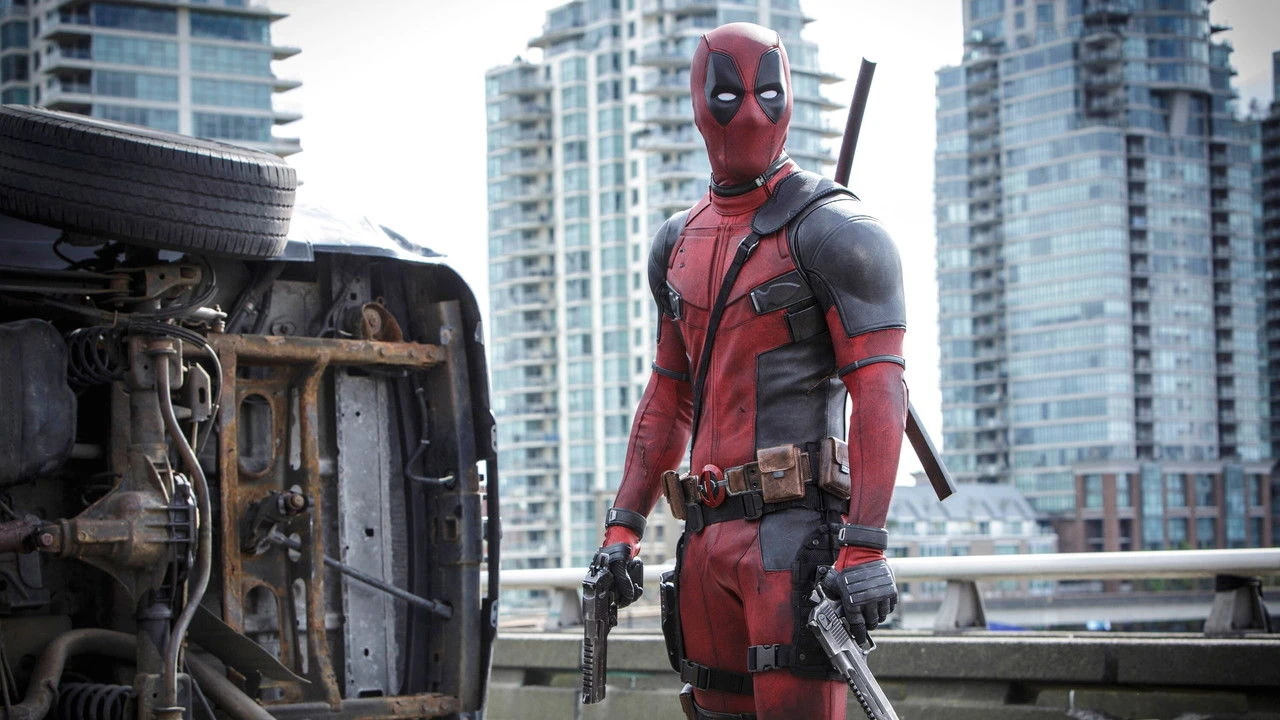 Deadpool, unmasked, revealing the profound scars that fuel his chaotic humor.
The Ontological Play: Who’s Writing This Story, Anyway?
Beyond the coping mechanism of humor, Deadpool engages in a fascinating ontological play that few films dare to touch. The character’s constant breaking of the fourth wall isn’t just a quirky gimmick; it’s a direct interrogation of the nature of reality and fiction. Deadpool knows he’s in a movie. He addresses the audience, critiques the script, acknowledges his own comic book origins, and even makes fun of the studio’s budget constraints. This postmodern meta-narrative forces us to consider the very construct of storytelling.
The boundary between fiction and reality, when blurred by a character’s self-awareness, becomes a fascinating philosophical mirror, reflecting our own constructed narratives.
Critics were generally effusive in their praise for this aspect, recognizing it as the film’s most distinctive and successful innovation, though some audience members found it occasionally repetitive or distracting from the core narrative. But what does it mean for a character to possess such self-awareness? Does it grant him a form of narrative free will? Or is he merely a puppet on a string, ironically commenting on the strings that bind him? Deadpool’s ability to transcend his own narrative suggests a rebellion against authorial control, a desire to be more than just a character in someone else’s story. He actively sculpts his own reality through his relentless commentary, even as he’s performing a pre-ordained plot. This constant interplay between the character and his creators (both in the film’s narrative and in our real-world consumption of it) raises questions about agency, authorship, and the constructed nature of our own perceived realities. If Deadpool can comment on his script, can we, the audience, comment on ours? It’s a delightful, dizzying thought experiment wrapped in a blood-soaked package.
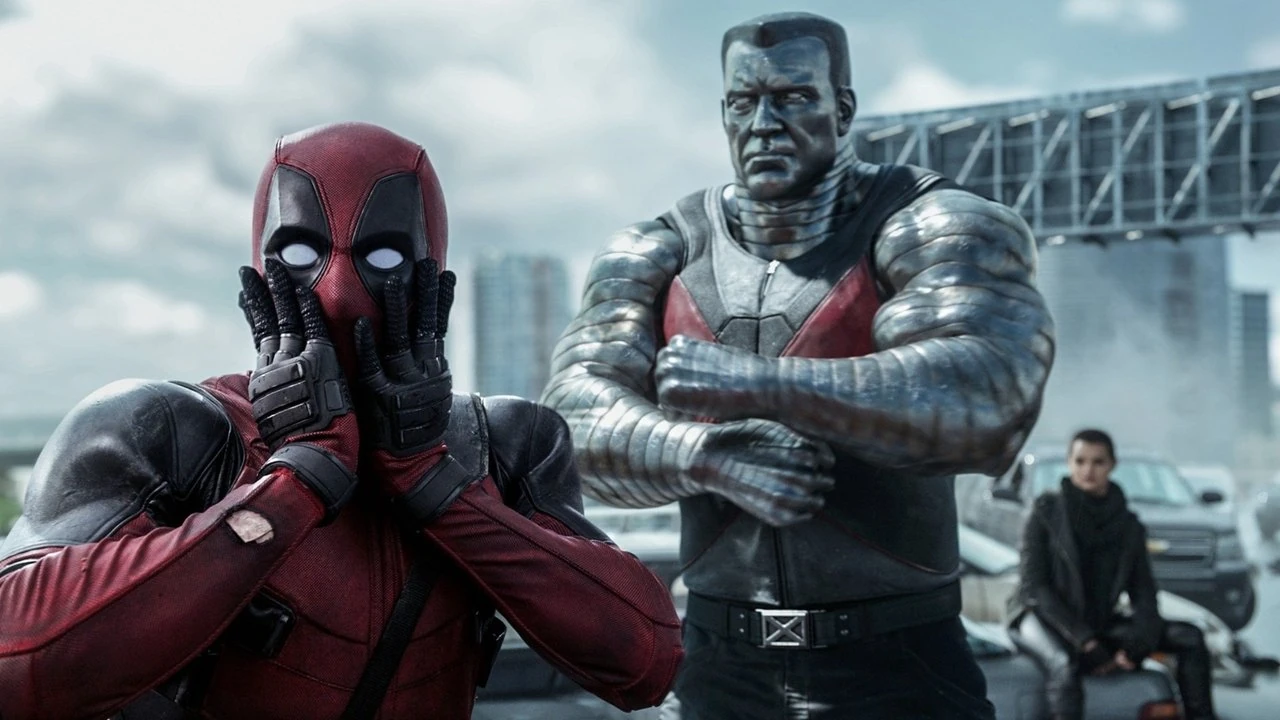 Deadpool breaking the fourth wall, directly addressing the audience and challenging narrative conventions.
Beyond the Scars: The Identity Beneath the Jest
Beneath the mask, the jokes, and the meta-commentary, Deadpool grapples with a deeply human question: What constitutes identity? Wade Wilson’s physical transformation is so radical that he is unrecognizable, even to himself. His former identity, tied to his appearance and his relationship with Vanessa, is shattered. The Deadpool persona becomes a new, grotesque mask, both literally and figuratively. Is this new identity a genuine evolution, or merely a performance to cope with a fractured self?
The film occasionally stumbles in its attempt to give this emotional core the weight it deserves. Some viewers and critics felt the romance with Vanessa, while sweet, was a bit underdeveloped, overshadowed by the more immediate gratification of the humor and action. However, it’s precisely this longing for connection and acceptance that humanizes Deadpool and prevents him from devolving into pure nihilism. His quest for revenge isn’t just about pain; it’s about reclaiming a semblance of his former life, or at least the possibility of a future with the woman he loves. He can joke about anything, but he can’t joke away his love for Vanessa, which becomes his anchor in a sea of self-loathing and disfigurement. The mask of Deadpool, therefore, is not just a shield, but also a prison. He craves acceptance, but fears rejection of the monstrous form he now inhabits.
True self-acceptance isn’t found in erasing the scars, but in embracing the entirety of one’s being, even the parts that society deems monstrous or flawed.
The struggle between Wade Wilson’s desire for love and acceptance and Deadpool’s cynical, self-deprecating facade is the film’s most poignant philosophical battle. It asks us to consider how much of our identity is tied to our physical form, how much to our relationships, and how much to the narratives we construct around ourselves.
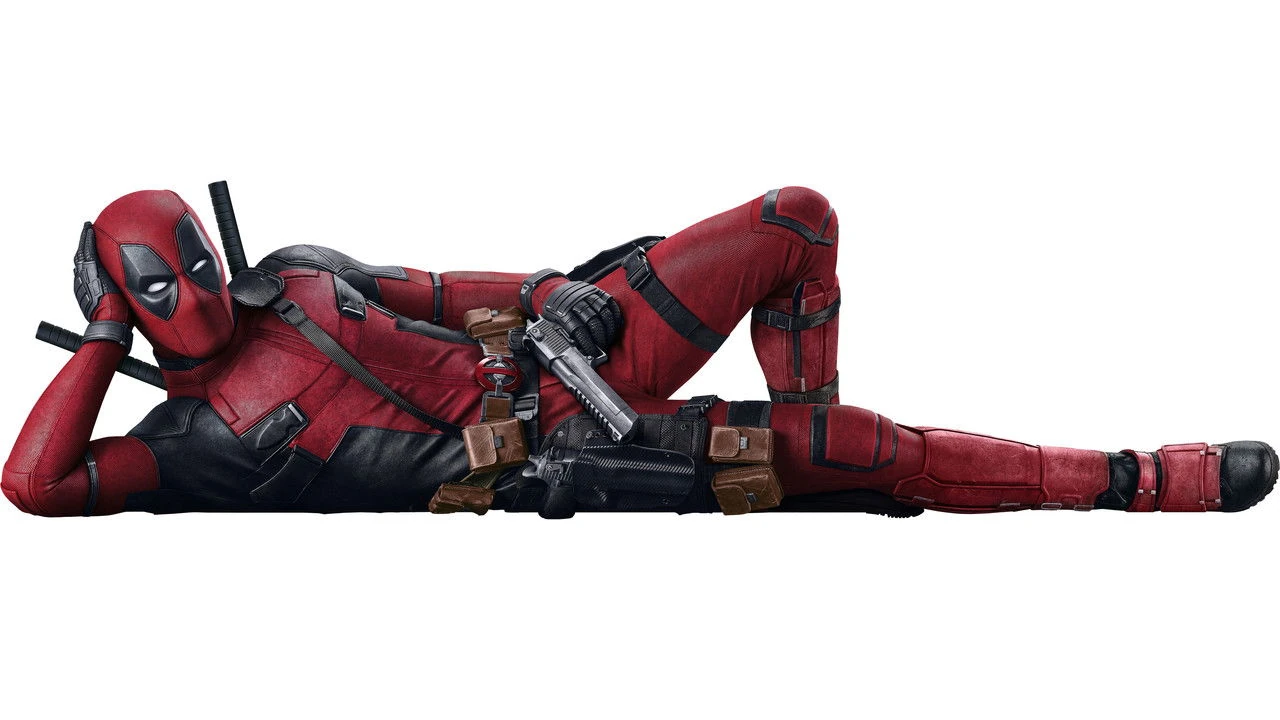 Wade Wilson, vulnerable and unmasked, reflecting on his lost identity and the pain of transformation.
Deadpool (2016) isn’t a perfect film. Its narrative scaffolding is undeniably conventional, its villains largely forgettable, and its humor, while groundbreaking, sometimes leans heavily on shock value. Yet, to dismiss it simply as a crude action-comedy would be to overlook its surprising philosophical depth. It’s a film that uses laughter as a weapon against despair, questions the very fabric of storytelling, and ultimately, explores the painful, messy process of forging a new identity in the crucible of trauma. It’s a bold, divisive, and flawed experiment, but one that dares to ask us to laugh in the face of the existential void.
“To truly live is to suffer, to truly survive is to find some meaning in the suffering.” — Viktor Frankl, in a spirit Deadpool would likely mock, then embody.
What Deadpool ultimately asks of us is to confront our own constructed realities, to acknowledge our pain, and to consider whether a well-timed joke might just be the most profound philosophical statement of all.
Where to Watch
- Disney Plus
What’s Up? explores the philosophical depths of cinema.