Dept. Q: Unearthing Cold Cases and Existential Chill in Edinburgh's Shadows
A pre-emptive philosophical dive into the upcoming Dept. Q, exploring its potential to dissect justice, memory, and the human cost of forgotten crimes.
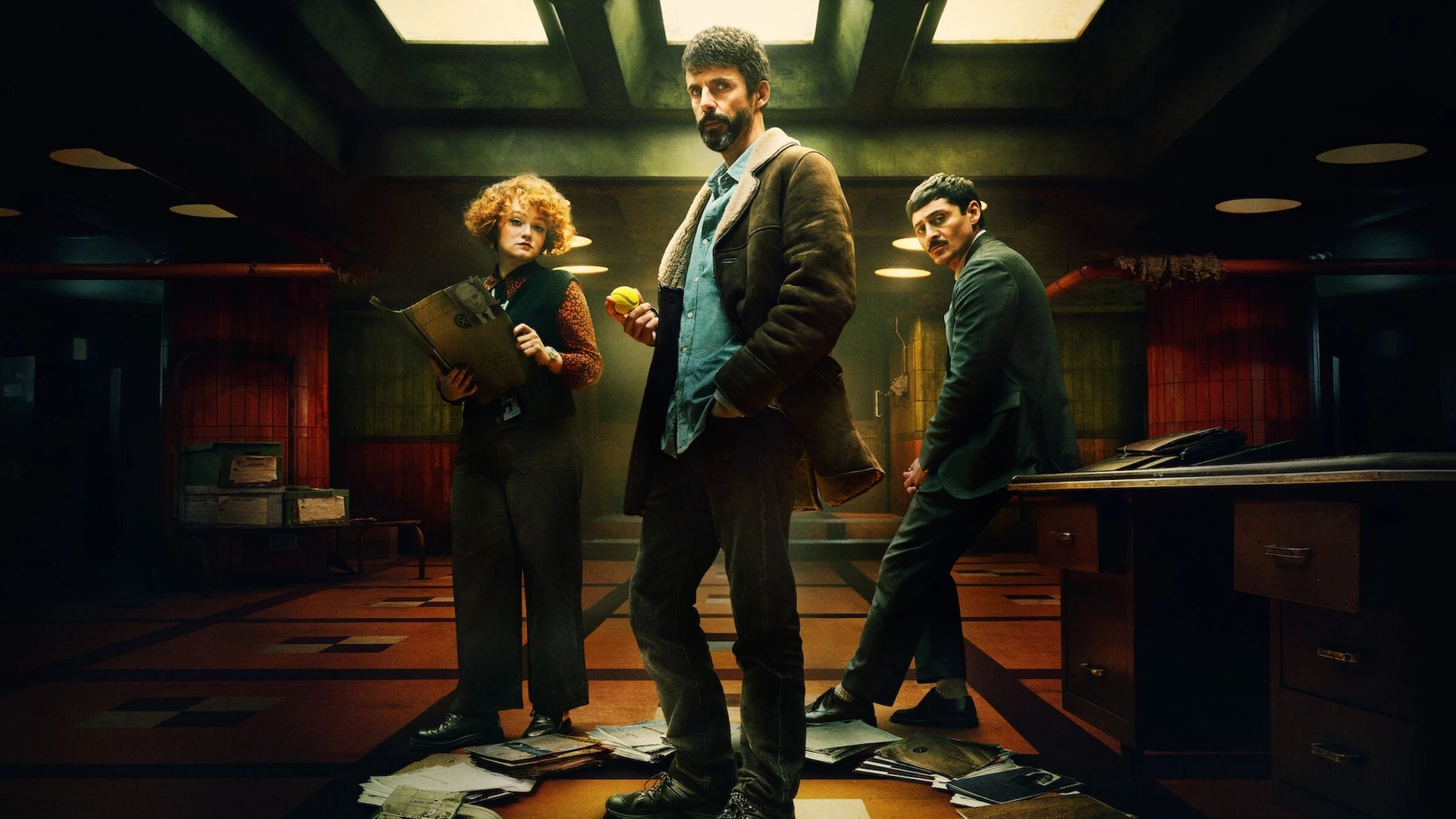
“The past is never dead. It’s not even past.” — William Faulkner
As we stand on the precipice of its 2025 release, Dept. Q invites us into a chillingly familiar, yet perpetually compelling, narrative space: the cold case. This upcoming TV series, starring the always compelling Matthew Goode, Chloe Pirrie, and Jamie Sives, promises to transport us to the atmospheric streets of Edinburgh, where a new police department is forged from forgotten files and the tenacity of a “brash but brilliant cop.” While we’ve yet to witness its execution, the premise itself — an unlikely team of misfits tackling long-dormant mysteries — is ripe for a profound philosophical excavation. It’s a concept that, if handled with nuance, could transcend mere procedural drama to grapple with justice, memory, and the very fabric of societal conscience.
The Echoes of Unfinished Business
The heart of Dept. Q lies in its focus on cold cases, a narrative device that is, by its very nature, deeply philosophical. What does it mean for a crime to go “cold”? It signifies a wound left unhealed, a question left unanswered, a truth denied its rightful place in history. These aren’t just unsolved puzzles; they are ghosts in the machine of justice, lingering reminders of systemic failure, human fallibility, and the unbearable weight of the forgotten.
The series, with its promise of revisiting these dormant files, has the potential to explore:
- The Persistence of Memory: How do these old crimes continue to impact the living, even decades later? Do societies ever truly forget their injustices, or do they simply bury them, allowing them to fester beneath the surface?
- Moral Responsibility: What is our ethical obligation to the dead, especially those whose deaths remain unavenged? Is there a time limit on justice, or does the pursuit of truth transcend the ticking clock?
- The Fragility of Closure: Can true closure ever be found for victims’ families, or even for society, when the details of a tragedy remain shrouded in mystery? Dept. Q will need to navigate the delicate balance between solving a case and truly healing old wounds.
The challenge for Dept. Q will be to avoid the pitfalls of many predecessors: making the cold cases feel less like dusty archives and more like living, breathing entities. The success of such a premise hinges on imbuing each case with a palpable sense of its past, ensuring that the victims are not just plot devices but echoes of lives violently interrupted.
 A lone figure stands silhouetted against a foggy Edinburgh street at dusk, evoking mystery
Misfits, Morality, and the Architecture of Justice
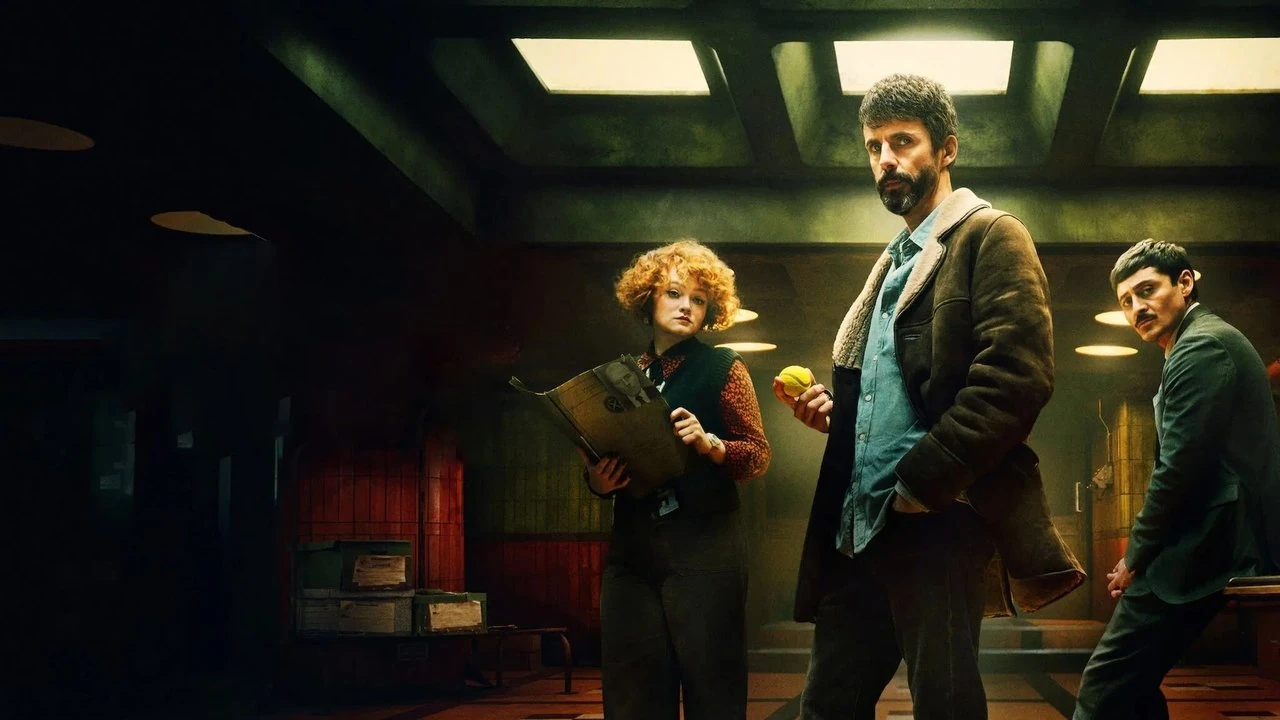
The trope of the “brash but brilliant cop” leading an “unlikely team of misfits” is well-worn, and Dept. Q will need to navigate this familiar territory carefully. Yet, within this conventional framework lies a potent philosophical opportunity. Why are we so drawn to these fringe figures? Perhaps because they represent the outsider’s perspective, unburdened by the rigidities of mainstream institutions, capable of seeing truths others overlook.
The real architecture of justice isn’t found in its grand halls, but in the quiet persistence of those who refuse to let the forgotten remain so.
This team of misfits, presumably operating outside the usual police hierarchy, can serve as a microcosm for the flaws within the justice system itself. Their very existence suggests that the standard apparatus has failed, necessitating a more unorthodox approach. This could lead to fascinating explorations of:
- The Nature of Law vs. Justice: Do the rules of law always lead to justice? When the system fails, as it does with cold cases, where does true justice reside? Is it in retribution, understanding, or simply revelation?
- Individual Morality vs. Institutional Duty: How do these characters reconcile their personal moral compasses with the often-impersonal demands of police work? Their “misfit” status might allow them to bend or break rules in the pursuit of a higher truth, posing ethical dilemmas for the audience.
- Empathy and Detachment: Investigators must delve into the darkest corners of human experience, often becoming intimately familiar with immense suffering. How do they maintain their humanity without being consumed by the darkness they uncover? The “unlikely team” might show different strategies for coping with this inherent tension.
While this character dynamic risks falling into formula, its potential to deconstruct the very mechanics of investigative work and the personal toll it takes is immense. It can offer a powerful commentary on how we define heroism in the face of protracted suffering.
 A worn police file, illuminated by a single lamp, hints at long-buried secrets and forgotten cases
Edinburgh’s Shadows and the Weight of Place
The choice of Edinburgh as the setting for Dept. Q is far from arbitrary; it’s a character in itself. A city steeped in history, gothic architecture, and a rich literary tradition of mystery and dark tales, Edinburgh lends itself perfectly to stories of hidden truths and lingering shadows. This atmospheric backdrop provides fertile ground for deeper philosophical inquiries:
- Place as Memory: Cities absorb the histories of their inhabitants. Edinburgh’s ancient closes and looming castles are silent witnesses to centuries of human drama. How does the physical environment itself contribute to the persistence of cold cases? Does the city hold its own memories, its own secrets?
- The Thriller of Re-excavation: The very act of re-opening cold cases is a psychological thriller. It means disturbing peace, challenging accepted narratives, and potentially unearthing new, unsettling truths about people and institutions long thought cleared. The series can explore the existential dread that comes with realizing the past isn’t neatly confined.
- Redemption and Absolution: For the team, for the victims, for the city itself—can there be a form of redemption in finally bringing light to darkness? Or does the act of digging up old dirt merely reveal deeper layers of human depravity, challenging our notions of progress and moral evolution?
Dept. Q has a unique opportunity to weave the city’s identity into its narrative, making the very stones of Edinburgh whisper tales of forgotten crimes and the relentless human quest for understanding. The series could explore whether closure is truly possible, or if some truths are so vast, so painful, that they simply change us without ever fully settling.
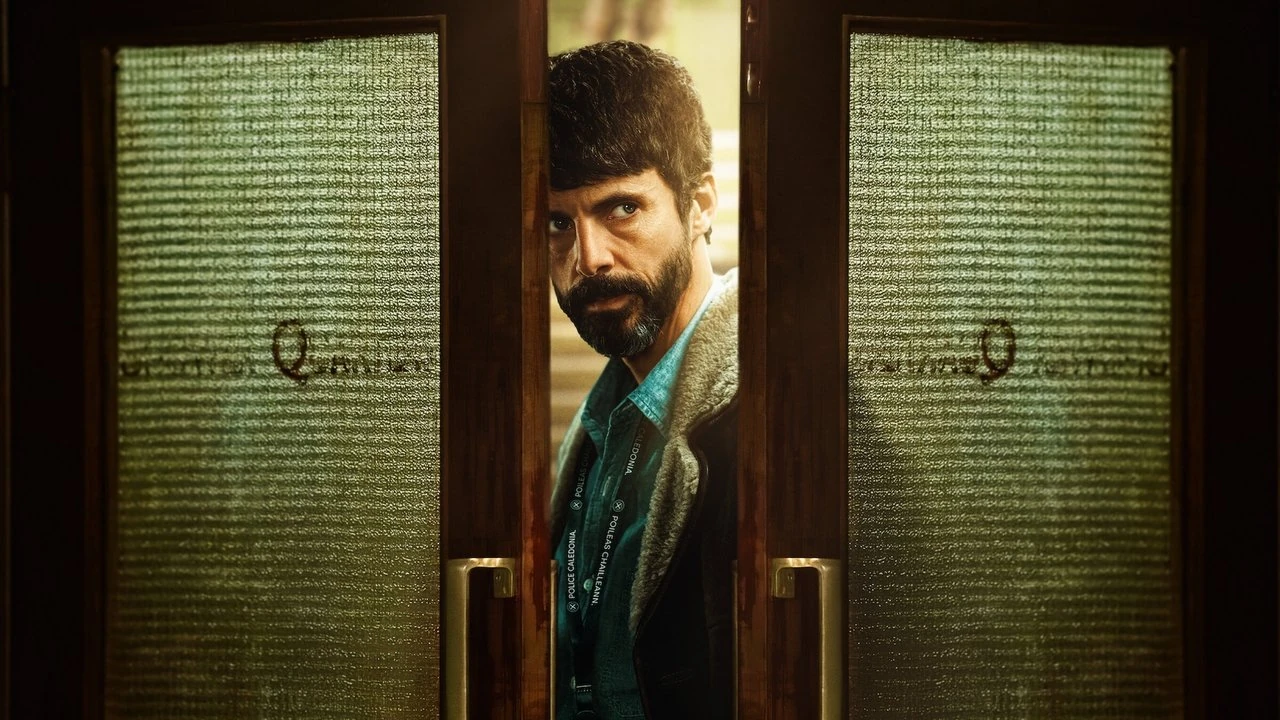
 A detective’s focused gaze, reflecting the intensity of piecing together a complex, decades-old puzzle
“To confront a forgotten crime is to confront a fragment of our own abandoned humanity, a warning of what we chose to let lie dormant.”
As Dept. Q prepares for its debut, its success will undoubtedly hinge on its execution: the strength of its scripts, the depth of its characterizations, and its ability to deliver compelling mysteries. While we can only speculate on its eventual critical reception and audience impact, the foundational premise is undeniably robust. It offers a rich tapestry for exploring the very nature of justice, the enduring power of memory, and our collective responsibility to those lost to time. Whether it becomes a groundbreaking philosophical thriller or a merely competent procedural, Dept. Q asks us to consider the profound implications of what we choose to remember, and what we allow ourselves to forget.
Where to Watch
- Netflix
- Netflix Standard with Ads
What’s Up? explores the philosophical depths of cinema.