The Shadow Play of Dhurandhar: When Justice Wears a Mask
Diving into Dhurandhar's anticipated exploration of identity, loyalty, and the ethics of dismantling power from within, despite potential narrative complexities.
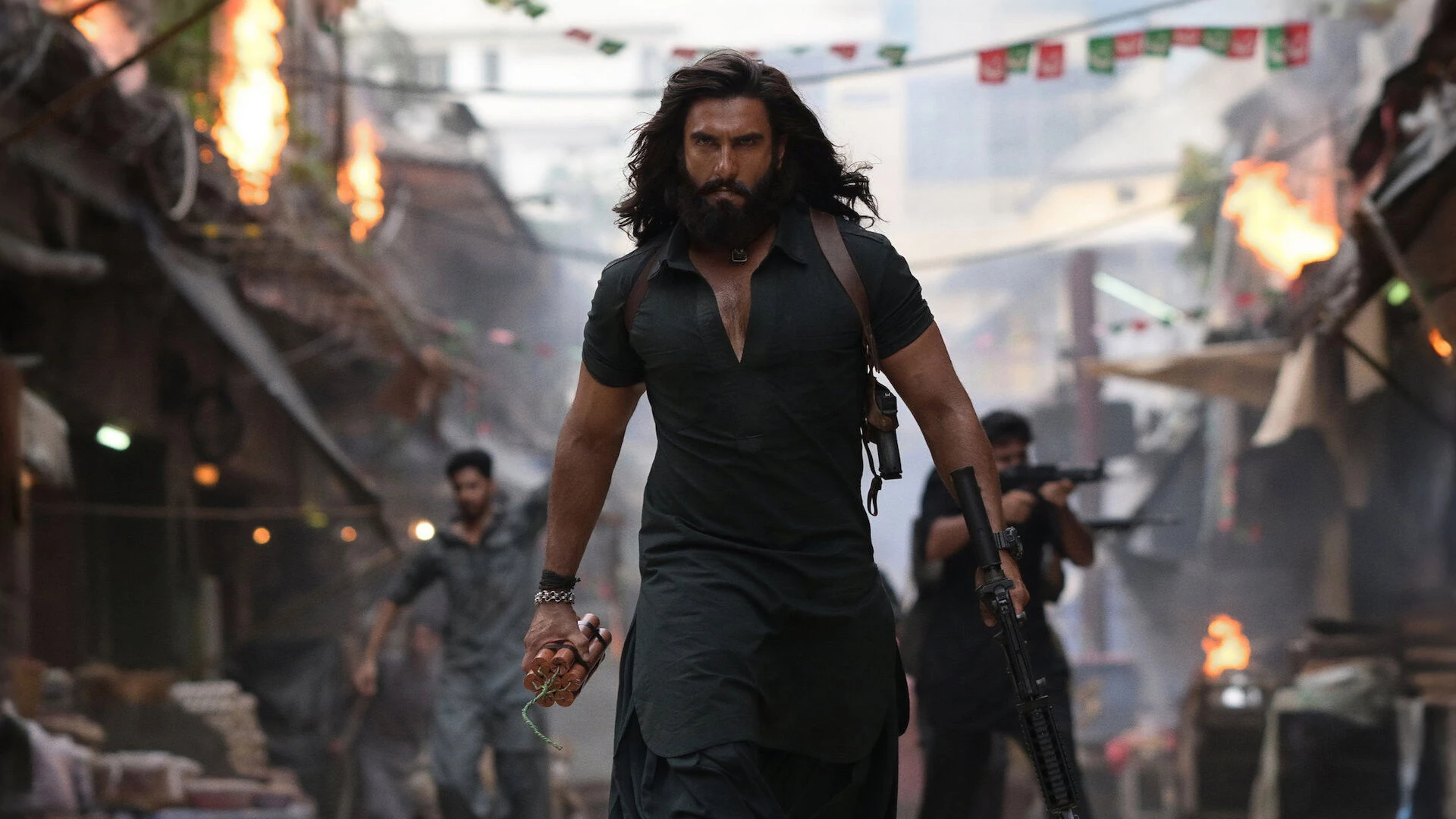
“The ultimate weakness of violence is that it is a descending spiral, begetting the very thing it seeks to destroy.” — Martin Luther King Jr.
Aditya Dhar’s Dhurandhar, slated for a 2025 release, arrives with the kind of weighty anticipation that only a high-stakes action-thriller promising to tear apart an “ISI-Underworld nexus” can generate. With Ranveer Singh leading a formidable ensemble cast including Akshaye Khanna, R. Madhavan, Arjun Rampal, and Sanjay Dutt, the film’s premise alone – a mysterious traveler infiltrating Karachi’s underbelly to dismantle it from within – is ripe for philosophical dissection. Yet, as with any film of this ambitious scale and a daunting 214-minute runtime, the whispers of potential critical reception are already forming. Will it be a taut, cerebral masterpiece, or will its grandiosity buckle under the weight of its own narrative aspirations? While the final verdict is still years away, the very idea of Dhurandhar offers a compelling canvas to explore the brutal ballet of justice, identity, and the moral compromises inherent in fighting fire with fire.
The Calculus of Chaos: Identity and Moral Drift
At its core, Dhurandhar seems poised to plunge us into a familiar, yet eternally complex, philosophical dilemma: the cost of becoming what you fight. Our protagonist, a “mysterious traveler,” isn’t merely observing the Karachi underworld; he’s slipping into its heart and rising through its ranks. This isn’t a simple infiltration; it’s an assimilation, a profound act of identity dissolution for a greater perceived good. What does it mean to wear the mask of villainy so completely that you become indistinguishable from the very evil you aim to destroy? This echoes the chilling Nietzschean aphorism about staring into the abyss.
The film, even before its release, compels us to ponder the ethics of deep cover:
- Identity Erosion: How much of one’s true self can survive such an immersive, dangerous charade? The line between actor and character blurs, challenging the very notion of a stable self.
- Moral Compromise: To gain trust within an underworld, one must participate in its rituals, its violence, its corruption. Where does the protagonist draw the line? Or is the entire mission an exercise in absolute moral relativism, where the “ends justify the means” becomes the only guiding principle?
- The Nature of Justice: Is justice truly served by a single individual’s lethal precision, or does it require a more systemic, less bloody path? Dhurandhar seems set to challenge our comfortable definitions of heroism.
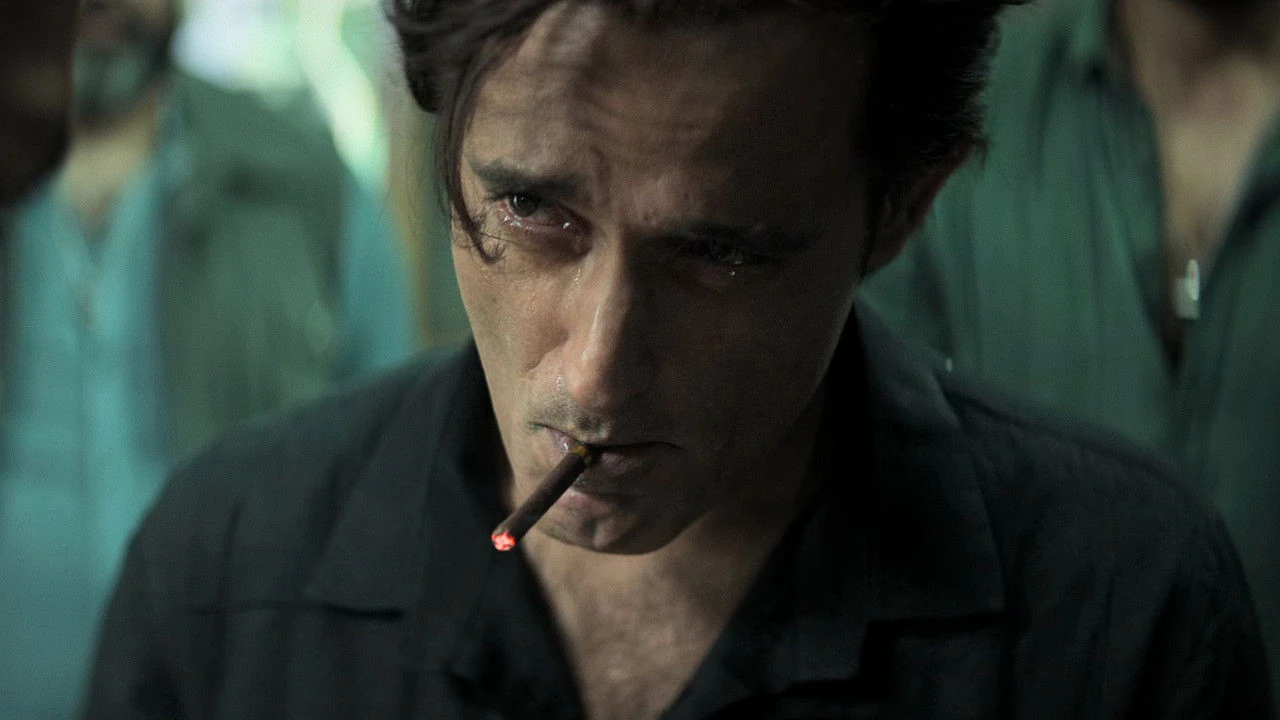 A lone figure shrouded in shadow, reflecting the protagonist’s journey into moral ambiguity.
The Architect of Deconstruction: Performance and Pacing’s Peril
While the philosophical meat of Dhurandhar is undeniable, it’s impossible to ignore the practicalities of its cinematic delivery, which, if early whispers are to be believed, could be a source of significant debate. Director Aditya Dhar, known for the impactful Uri: The Surgical Strike, now tackles an even more sprawling narrative with a colossal runtime. The 214-minute length, while promising epic scope and intricate character development, also presents a double-edged sword: the potential for uneven pacing.
Anticipated critiques, common for ambitious thrillers of this duration, might focus on:
- Narrative Bloat: A film of this length risks overstaying its welcome, with subplots potentially meandering or detracting from the central thrust. The sheer number of high-profile actors, each demanding their moment, could lead to a crowded narrative where some characters feel underdeveloped despite the runtime.
- Action Fatigue: While the “lethal precision” promises thrilling sequences, sustaining audience engagement for nearly three and a half hours requires impeccable rhythm and variety. Critics might argue that some action set-pieces feel gratuitous or repetitive.
- Clarity vs. Complexity: The intricate dance of infiltrating and dismantling a powerful nexus from within demands careful exposition and character motivation. A misstep here could lead to a convoluted plot that leaves viewers more confused than captivated.
The tightrope walk between expansive storytelling and disciplined execution is where many epic narratives stumble. Dhurandhar’s success will hinge on its ability to make every minute count.
Ranveer Singh, a powerhouse performer, is expected to bring an intense, chameleonic energy to the protagonist. However, the film’s ultimate impact will depend on how effectively Dhar leverages his entire ensemble, ensuring that the philosophical weight isn’t overshadowed by superficial spectacle or a fragmented narrative.
 The cast in a moment of intense confrontation, hinting at the complex web of loyalties and betrayals.
Echoes of Empire: The System’s Shadow
Beyond the individual’s moral journey, Dhurandhar’s plot points to a far larger, more insidious enemy: the “ISI-Underworld nexus.” This isn’t merely about taking down a few bad actors; it’s about confronting a systemic evil, a deeply entrenched network of corruption and power that extends beyond individual personalities. This elevates the film from a simple action-thriller to a potential commentary on geopolitics, organized crime, and the very nature of nation-states.
The film dares to ask profound questions about power structures:
- The Indestructibility of Evil: Can such a nexus truly be “torn apart,” or does it merely morph, adapt, and reappear in a different guise? Is the protagonist’s mission a Sisyphean task against an ever-regenerating hydra?
- The Illusion of Control: Even with “lethal precision,” is one man truly capable of dismantling such a vast, interconnected web? Or is the idea of tearing it “apart from within” a romanticized fantasy, a desperate hope against overwhelming odds? This delves into questions of agency versus determinism in a world of powerful, faceless organizations.
- The Global Underbelly: By setting the narrative in Karachi and referencing the ISI, Dhurandhar taps into a geopolitically charged landscape. It forces us to confront the uncomfortable reality of shadow governments, clandestine operations, and the murky overlap between state power and criminal enterprise.
 A fragmented cityscape, symbolizing the fractured systems and hidden power dynamics the film aims to expose.
While Dhurandhar may prove to be a polarizing experience, dividing audiences between those who embrace its sprawling ambition and those who decry its narrative indulgences, its very premise ensures a powerful engagement with the darkest corners of human morality and systemic corruption. Its legacy, irrespective of critical scores, will lie in the conversations it ignites.
Dhurandhar is shaping up to be more than just an action flick; it’s a grand philosophical experiment. It promises to hold a mirror up to the chaotic underbelly of power, asking us to scrutinize the murky ethics of those who dare to dismantle it. Will its epic runtime allow for a truly profound exploration, or will it dilute its potent themes? Regardless, the film’s conceptual framework ensures it will be a talking point, pushing us to ponder the nature of justice, the fragility of identity, and whether true change can ever come from within the very darkness it seeks to extinguish.
Where to Watch
- Netflix
- Netflix Standard with Ads
What’s Up? explores the philosophical depths of cinema.