The Maddening Multiverse: Grief, Identity, and the Raimi-fication of Reality
Exploring the philosophical depths of Doctor Strange in the Multiverse of Madness, its divisive reception, and what it says about grief, identity, and alternate realities.
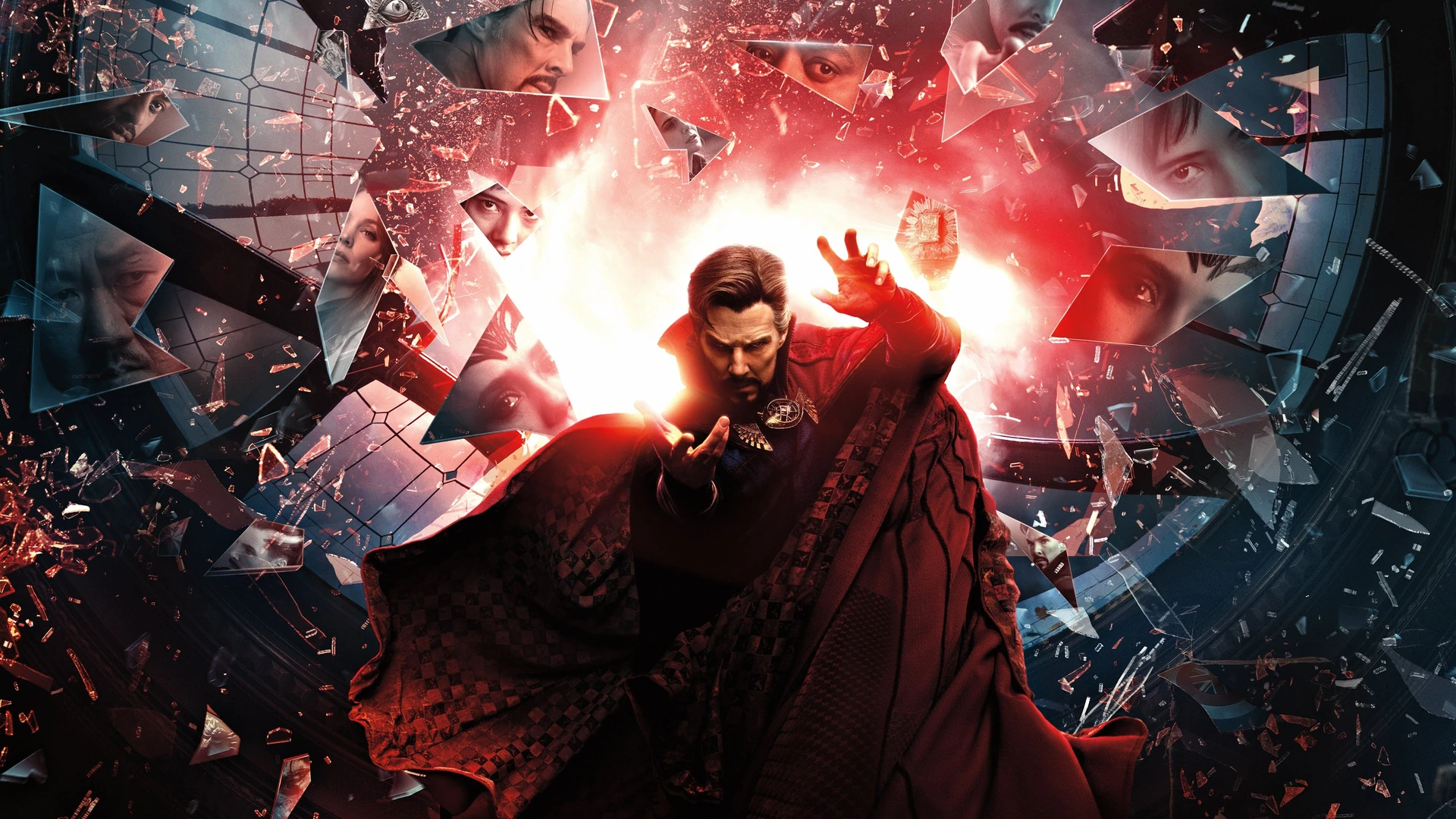
“Madness, as you know, is like gravity… all it takes is a little push!” — The Joker
When Doctor Strange in the Multiverse of Madness burst onto screens in 2022, it arrived with the weight of immense expectation, not just as another tentpole MCU film, but as director Sam Raimi’s triumphant return to the superhero genre. Yet, as the dust settled, the film left audiences and critics in a state of fascinating, often divided, contemplation. While visually inventive and undoubtedly a wild ride, its reception was far from uniform; Rotten Tomatoes’ critics gave it a respectable 74%, but many reviewers pointed to an uneven script, jarring tonal shifts, and a somewhat muddled approach to its titular multiverse. It wasn’t the universally acclaimed masterpiece some hoped for, but in its very inconsistencies, Multiverse of Madness offers a unique lens through which to examine some profoundly human, and frankly, quite terrifying, philosophical questions.
The Shattered Self: Identity in Infinite Realities
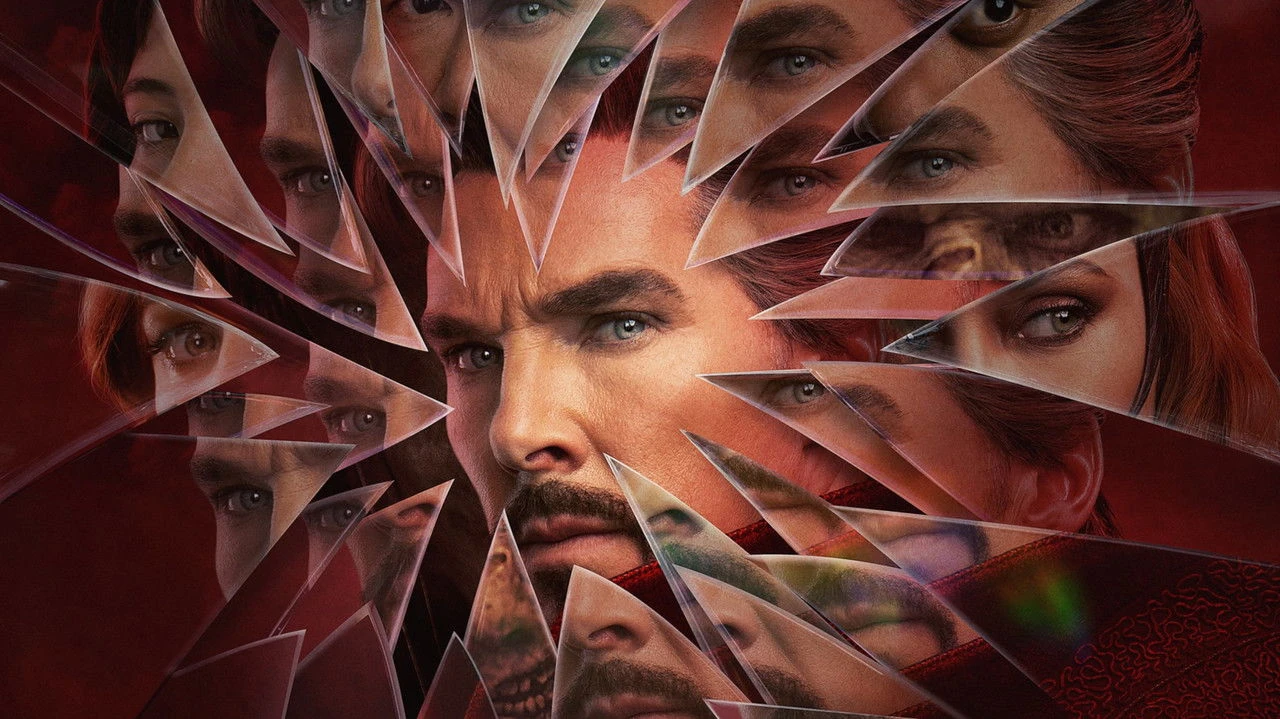
At its core, Doctor Strange in the Multiverse of Madness grapples with the dizzying concept of identity when faced with infinite versions of oneself. Stephen Strange, played with his usual compelling gravitas by Benedict Cumberbatch, repeatedly encounters alternate versions of himself—some heroic, some villainous, some heartbreakingly pathetic. This isn’t just a fun narrative device; it’s a direct challenge to our understanding of the self. If there are countless yous making vastly different choices, achieving different fates, what then defines the “real” you? Is it your consciousness, your choices, your moral compass, or simply the specific set of circumstances you happen to inhabit?
Critics often noted that the film, despite its title, didn’t fully explore the breadth of the multiverse, often confining Strange’s journeys to worlds that felt more like slight variations than truly alien realities. However, what it does achieve is a focused, albeit frantic, exploration of the weight of individual decisions. Each Strange variant is a testament to the consequences of choice—or lack thereof. The film posits that even across infinite realities, certain core aspects, certain predilections, might remain. Our deepest desires, our greatest fears, our capacity for both good and evil, could echo through every possible existence. It forces us to ask: are we merely a product of our environment, or is there an immutable essence that persists regardless of the timeline?
 A fragmented reality reflects the shattered identity of a hero.
When Love Becomes Madness: Wanda’s Tragic Fall
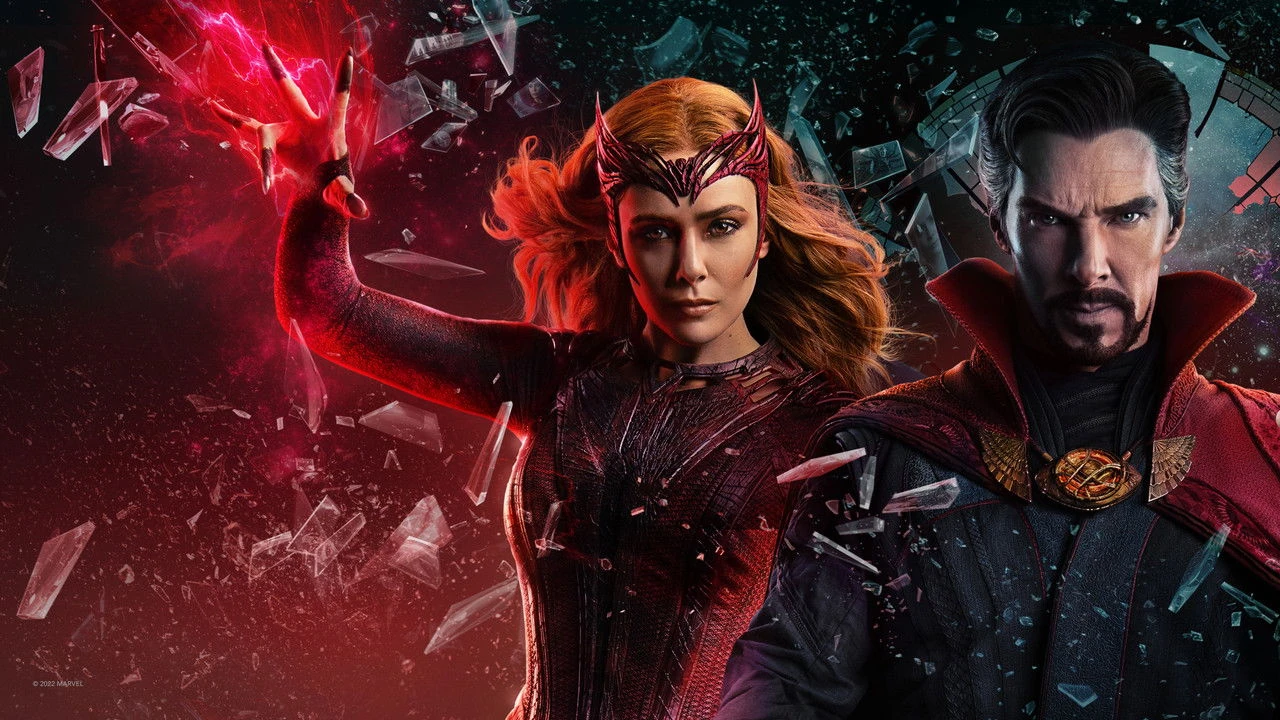
Perhaps the most potent and certainly the most controversial element of the film’s narrative is the tragic transformation of Wanda Maximoff, the Scarlet Witch, portrayed with heart-wrenching intensity by Elizabeth Olsen. Her descent into villainy, driven by an almost pathological grief and obsession to reunite with her children (conjured into existence during WandaVision), became a major talking point. Many critics found her motivation powerful but felt her character arc was rushed and her villainy underdeveloped, especially considering her recent journey towards healing. The film, however, doesn’t shy away from depicting the destructive nature of unchecked desire.
Grief, when left untended, can warp the very fabric of one’s being, transforming even the purest love into a weapon of unimaginable destruction.
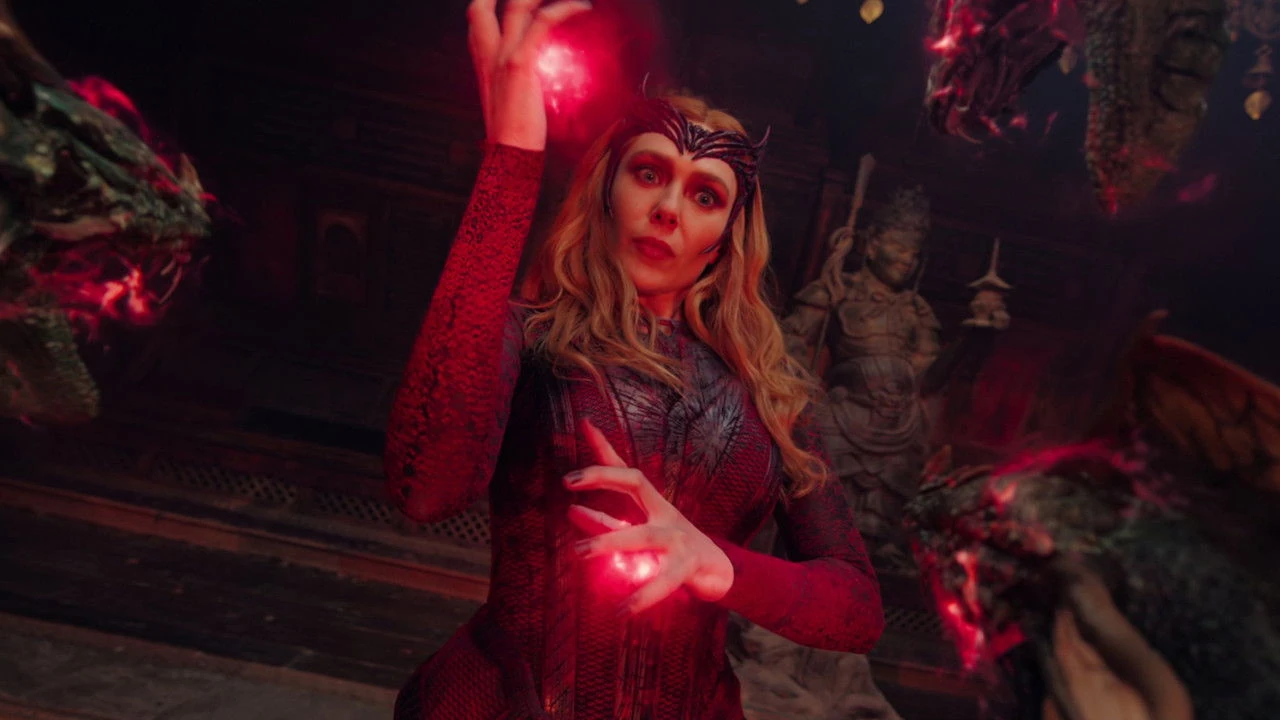
Wanda’s journey is a profound philosophical statement on the dark side of love. It asks: can love, in its purest form, be used to justify any atrocity? Is there a point where the pursuit of personal happiness, no matter how deeply felt, crosses an unforgivable ethical boundary? Her relentless pursuit through the multiverse, possessing other Wandas and leaving a trail of death, illustrates how the inability to accept loss can lead to moral bankruptcy. It’s a terrifying exploration of the human capacity for self-deception and the ease with which we can rationalize our most heinous acts when blinded by emotional pain. Raimi’s signature horror elements shine brightest here, turning Wanda into a truly terrifying, almost mythological, force of nature – a testament to the primal, untamed power of maternal grief.
 The Scarlet Witch unleashes her formidable, grief-fueled power, embodying both sorrow and terror.
Raimi’s Touch and the Existential Dread
Sam Raimi’s directorial style is unmistakable, infusing the MCU with a much-needed jolt of horror and kinetic energy. His visual flair, jump scares, and grotesque imagery were praised by some as a refreshing departure, creating truly memorable sequences like the musical note battle or the zombie Strange. However, this stylistic choice also contributed to the film’s divisive nature, with some viewers finding the tonal shifts jarring and not quite fitting the broader MCU aesthetic. Some critics even felt it leaned too heavily on Raimi’s tropes, at the expense of coherent storytelling.
Despite these criticisms, Raimi’s influence elevates the film beyond a standard superhero romp into something more viscerally unsettling. The horror isn’t just for scares; it underscores the profound existential dread that pervades the multiverse. The idea that any moment, any choice, could irrevocably alter your reality, or that another version of you is living your dream (or nightmare), is inherently frightening. The visual language of distortion, decay, and monstrous transformations reflects the psychological torment of its characters. It’s a film that dares to ask: what if the universe isn’t a benevolent, ordered place, but a chaotic, indifferent void where your greatest fears can manifest with terrifying ease? What if heroism isn’t about saving the day, but about enduring the unending, maddening possibilities of existence?
 Doctor Strange confronts a terrifying, monstrous entity, grappling with the horrors of alternate realities.
“The true horror isn’t in what we see, but in the reflection of what we could become, given a different path.”
Doctor Strange in the Multiverse of Madness is undeniably a flawed film, a sprawling, sometimes unwieldy beast that struggles to reconcile its ambitious philosophical themes with the demands of a blockbuster franchise. Its pacing issues and some plot contrivances are real, and the critical reception reflects a mixed bag. Yet, for all its imperfections, it’s a film that genuinely attempts to push boundaries, to infuse spectacle with a raw, emotional core of grief, obsession, and the terrifying implications of infinite selves. It might be maddening, but it’s a madness worth pondering, reminding us that even within a flawed narrative, profound questions about our own humanity can emerge, swirling like fragmented realities.
Where to Watch
- Disney Plus
What’s Up? explores the philosophical depths of cinema.