Crafting Destiny: The Bene Gesserit's Philosophical Grasp in Dune Prophecy
Exploring the profound questions of free will, control, and the forging of destiny in the eagerly anticipated prequel series, Dune Prophecy.
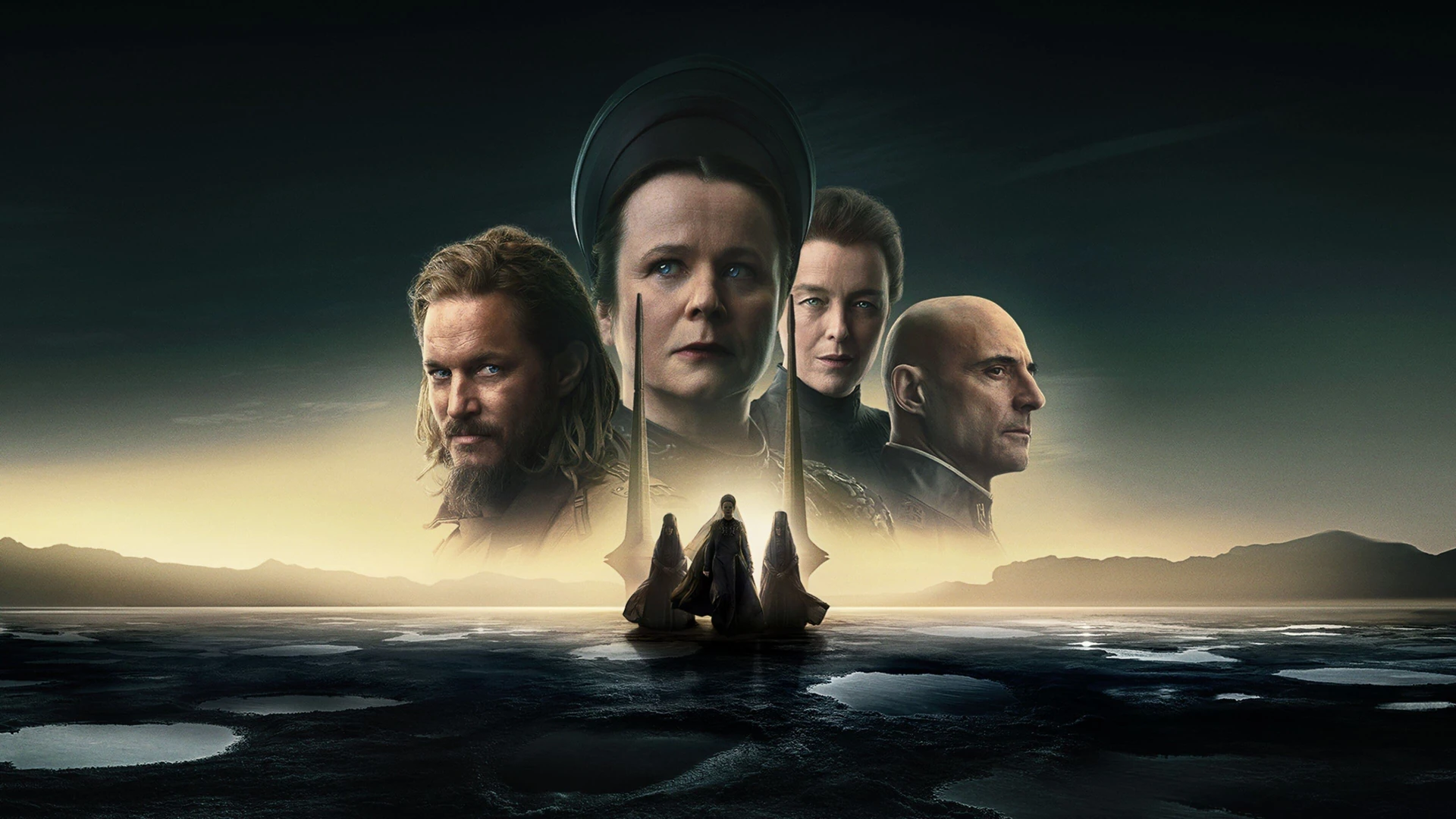
“The mind can go either to the lowest of lows or the highest of highs. To control it is to control destiny.” — Frank Herbert
The universe of Frank Herbert’s Dune is a vast, complex tapestry woven with threads of ecology, politics, religion, and, most profoundly, philosophy. With the impending arrival of Dune: Prophecy (2024), a prequel series set ten thousand years before Paul Atreides’ ascension, the anticipation is palpable. This isn’t just another spin-off; it’s an origin story, delving into the very genesis of the fabled Bene Gesserit sisterhood, founded by Valya and Tula Harkonnen. While a full critical consensus and audience reception aren’t available yet—the series is set to premiere later this year—the very premise of Dune: Prophecy immediately plunges us into a philosophical maelstrom. It promises to explore the audacious ambition of two sisters who sought to control the future of humankind. The challenge for the series will be immense: to expand a beloved, intricate universe without diluting its magic, to craft a compelling narrative that stands on its own while enriching the lore, and to avoid the common pitfalls of prequels that often struggle with pacing and character development under the shadow of their revered predecessors. Yet, even before its release, the show’s concept offers a fertile ground for profound contemplation.
The Architects of Humanity: Free Will vs. Predestination
At the heart of Dune: Prophecy lies the audacious goal of the Bene Gesserit: to control the future of humankind. This isn’t merely about political maneuvering or economic dominance; it’s a metaphysical assertion, a direct challenge to the very concept of free will. From a philosophical standpoint, this premise is incredibly rich. Are humans inherently chaotic, prone to self-destruction, and therefore in need of a guiding hand? Or does the very act of seeking to impose a predetermined future rob humanity of its essential autonomy, its capacity for genuine growth and self-discovery?
The Bene Gesserit’s methods—their breeding programs, their manipulation of myth and religion, their deep understanding of psychology and physiology—speak to a profound belief in determinism. They believe that if enough variables are controlled, the outcome can be assured. But what are the ethical implications of such a belief system, especially when applied to an entire species? The series will inevitably force us to confront:
- The Illusion of Choice: If our leaders, our beliefs, even our genetic makeup are subtly guided by an unseen hand, how free are we really?
- The Burden of Knowledge: Valya and Tula, as the founders, take on an unimaginable burden. To foresee potential futures and then actively work to shepherd humanity towards a “better” one (by their definition) is a staggering act of hubris, or perhaps, profound altruism.
- The Nature of Prophecy: Is prophecy a passive reception of future events, or is it an active creation through calculated intervention? The Bene Gesserit certainly lean towards the latter, blurring the line between prophet and puppet master.
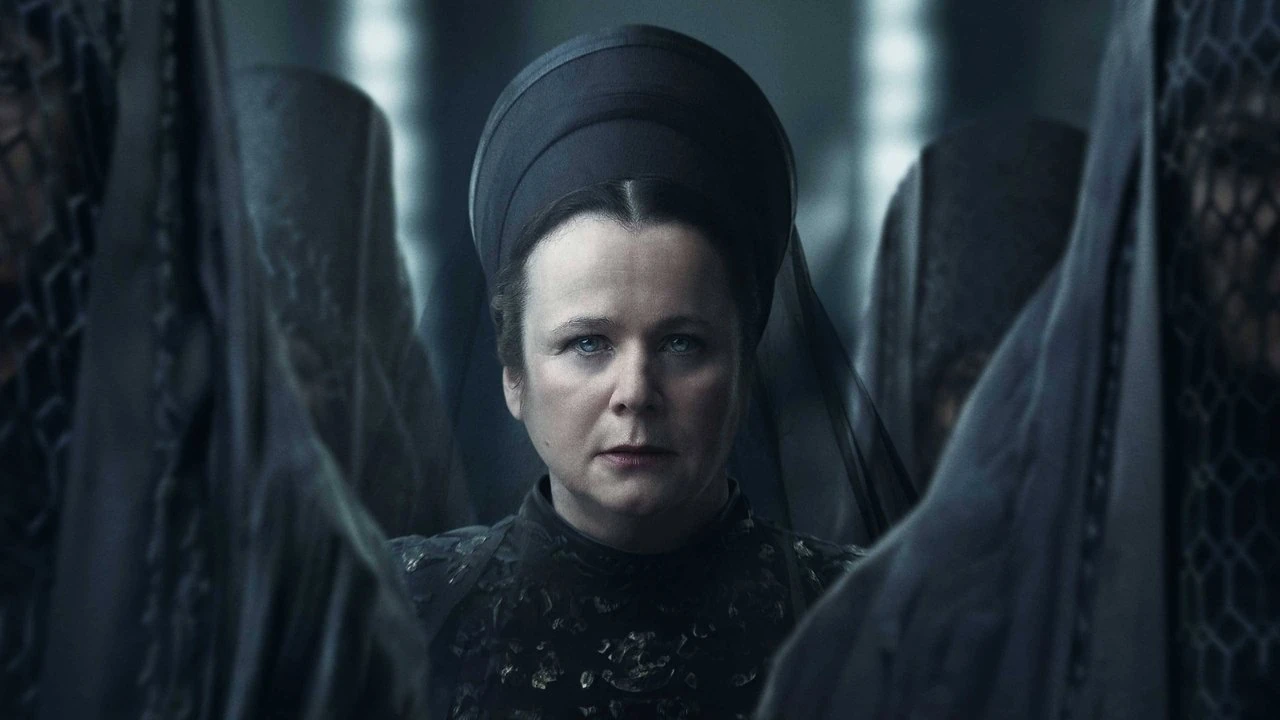 Two figures stand at a crossroads, their choices poised to ripple across millennia, embodying the weighty responsibility of shaping an entire civilization’s destiny.
The Crucible of Creation: Navigating Expectations and Potential Pitfalls
As an anticipated prequel, Dune: Prophecy enters a critical landscape fraught with challenges, even before reviews are out. The immense popularity and critical acclaim of Denis Villeneuve’s Dune films cast a long shadow, setting a high bar for visual grandeur, complex storytelling, and character depth. One of the most common criticisms leveled at prequels and spin-offs is the struggle to maintain consistent quality and tone with the source material, often leading to uneven pacing or a sense of narrative redundancy. Audiences will naturally compare the visual effects, the acting, and the script quality to the main saga.
The inherent risk with any prequel is that it might demystify elements best left to the imagination, or worse, introduce plot points that feel contrived to connect to the future narrative. For Dune: Prophecy, specific concerns could revolve around:
- Pacing and Scope: A 60-minute runtime per episode for a TV series exploring the origins of a millennia-spanning organization demands a delicate balance. Will it feel rushed, or will it effectively build its own world without feeling like it’s merely “setting up” the main Dune story?
- Character Development: Valya and Tula Harkonnen are legendary figures. Making them compelling, nuanced characters who aren’t just archetypes of ambition, but relatable individuals with their own flaws and motivations, will be crucial. Prequels often struggle to create fresh, engaging character arcs when the audience already knows their ultimate legacy.
- Living Up to the Lore: The Bene Gesserit are enigmatic and powerful. Their origins need to feel earned and believable, not just an exposition dump.
The greatest test for Dune: Prophecy won’t be in simply telling a story, but in crafting one that feels both essential to the Dune universe and capable of standing entirely on its own, a testament to its own inherent philosophical questions.
Despite these potential structural and narrative challenges, the core themes of sisterhood, ambition, and the burden of knowledge remain potent. The dynamic between Valya and Tula, their diverging philosophies or shared vision, could offer a fascinating exploration of personal conviction versus collective power.
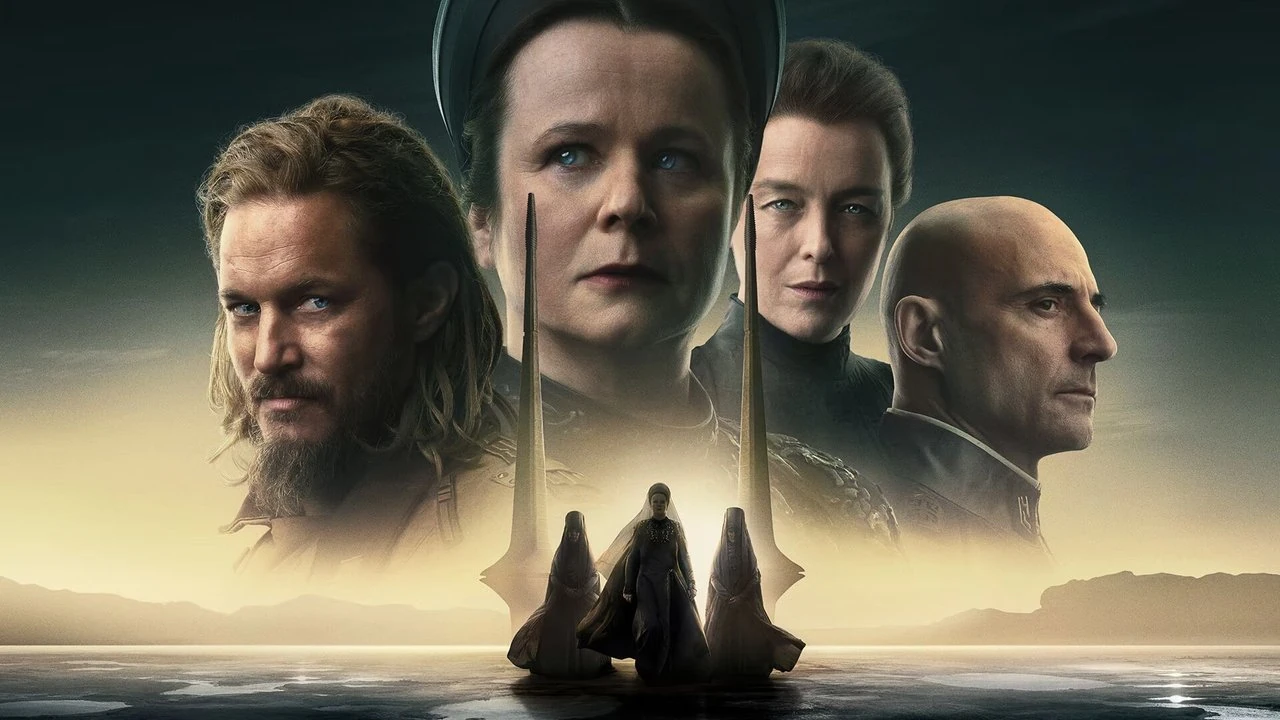 A close-up of intricate, ancient-looking designs, perhaps a symbol of the Bene Gesserit’s early iconography, hinting at their deep-rooted power and mystery.
Beyond the Surface: The Metaphysics of Control
Beyond the immediate narrative, Dune: Prophecy invites us to ponder deeply on the metaphysics of control itself. What does it mean for a sentient species to actively guide its own evolution, not through natural selection, but through deliberate, calculated intervention? The Bene Gesserit are more than just manipulators; they are, in a sense, humanity’s self-appointed shepherds, envisioning a perfected future and then bending reality to achieve it.
This raises profound existential questions:
- The Nature of Progress: Is progress something that happens organically, or is it a directed process? The Bene Gesserit suggest the latter, implying that without their guidance, humanity would stagnate or self-destruct. This is a chilling thought, particularly in our own age of existential threats.
- The Price of Legacy: What personal sacrifices do Valya and Tula make to establish an order that will outlive them by millennia? The Bene Gesserit often suppress personal desires for the good of the Sisterhood and humanity. This explores themes of individual identity versus collective purpose.
- The Unseen Hand in Society: The idea of a powerful, shadowy organization subtly influencing the course of history resonates with various conspiracy theories and historical narratives. Dune: Prophecy could serve as a powerful metaphor for the hidden forces that shape our societies, from economic powers to political lobbies, making us question who truly pulls the strings of our world.
- The Ethics of Genetic Manipulation: The Bene Gesserit’s breeding program, aimed at producing the Kwisatz Haderach, is an early form of eugenics. The series has the potential to explore the profound ethical dilemmas inherent in such practices, showcasing the initial motivations and the long-term, unforeseen consequences of attempting to perfect humanity.
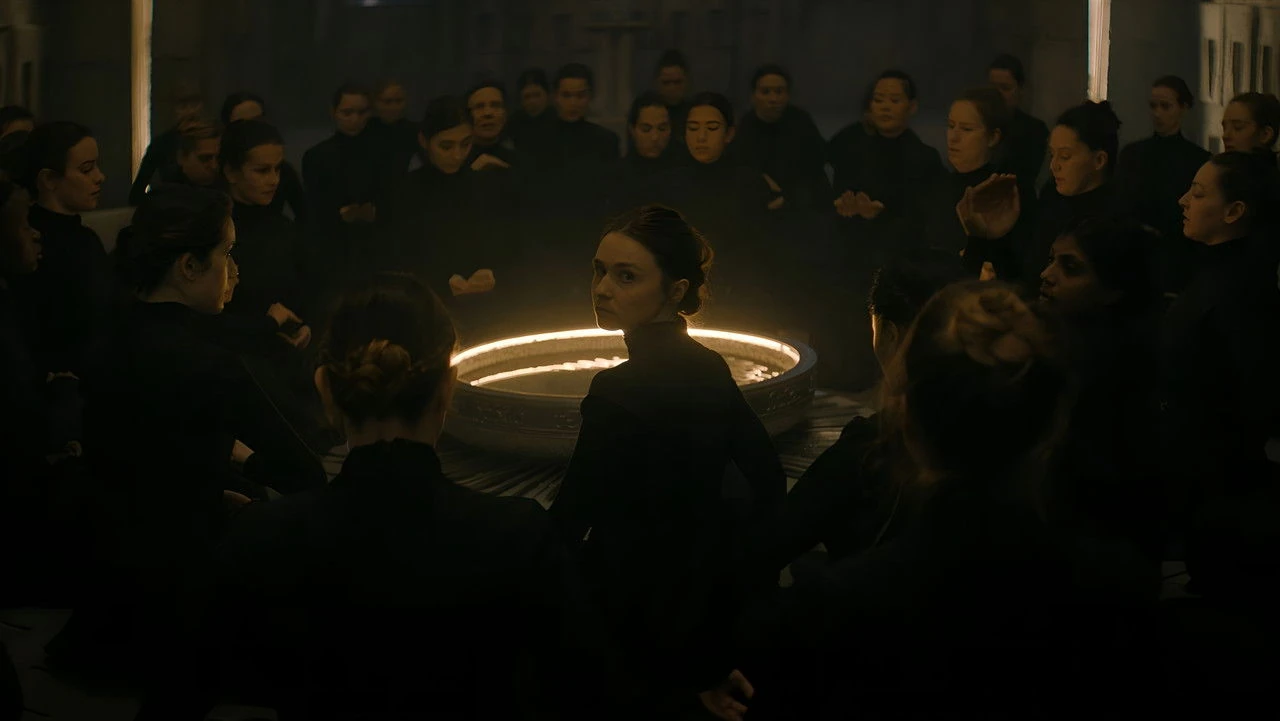 A lone figure stands before a vast, intricate console or map, her gaze fixed on something distant, symbolizing the Bene Gesserit’s long-term vision and their intricate plans for the future.
“The capacity for love and the capacity for hatred are both infinite. To choose one path over the other is the ultimate act of will, or perhaps, the ultimate surrender to destiny.”
While Dune: Prophecy still has to prove its narrative and artistic merit upon release, its very existence and premise offer a philosophical goldmine. It asks us to consider the ultimate limits of power, the ethics of control, and the perennial struggle between free will and predetermined fate. Even if the series grapples with some of the challenges inherent in prequels, its core exploration of the Bene Gesserit’s genesis, and their audacious attempt to steer the very course of human destiny, ensures it will spark important conversations about who we are, who we aspire to be, and who, if anyone, should be allowed to decide that for us. What does it truly mean to forge a future, and at what cost do we sacrifice autonomy for stability?
Where to Watch
- HBO Max
- HBO Max Amazon Channel
- Spectrum On Demand
What’s Up? explores the philosophical depths of cinema.