Echo's Resonating Silence: Identity, Legacy, and the Weight of Home
Exploring Echo, the Marvel Spotlight series, delving into its complex themes of identity, ancestral legacy, and the struggle between vengeance and healing, despite its mixed critical reception.
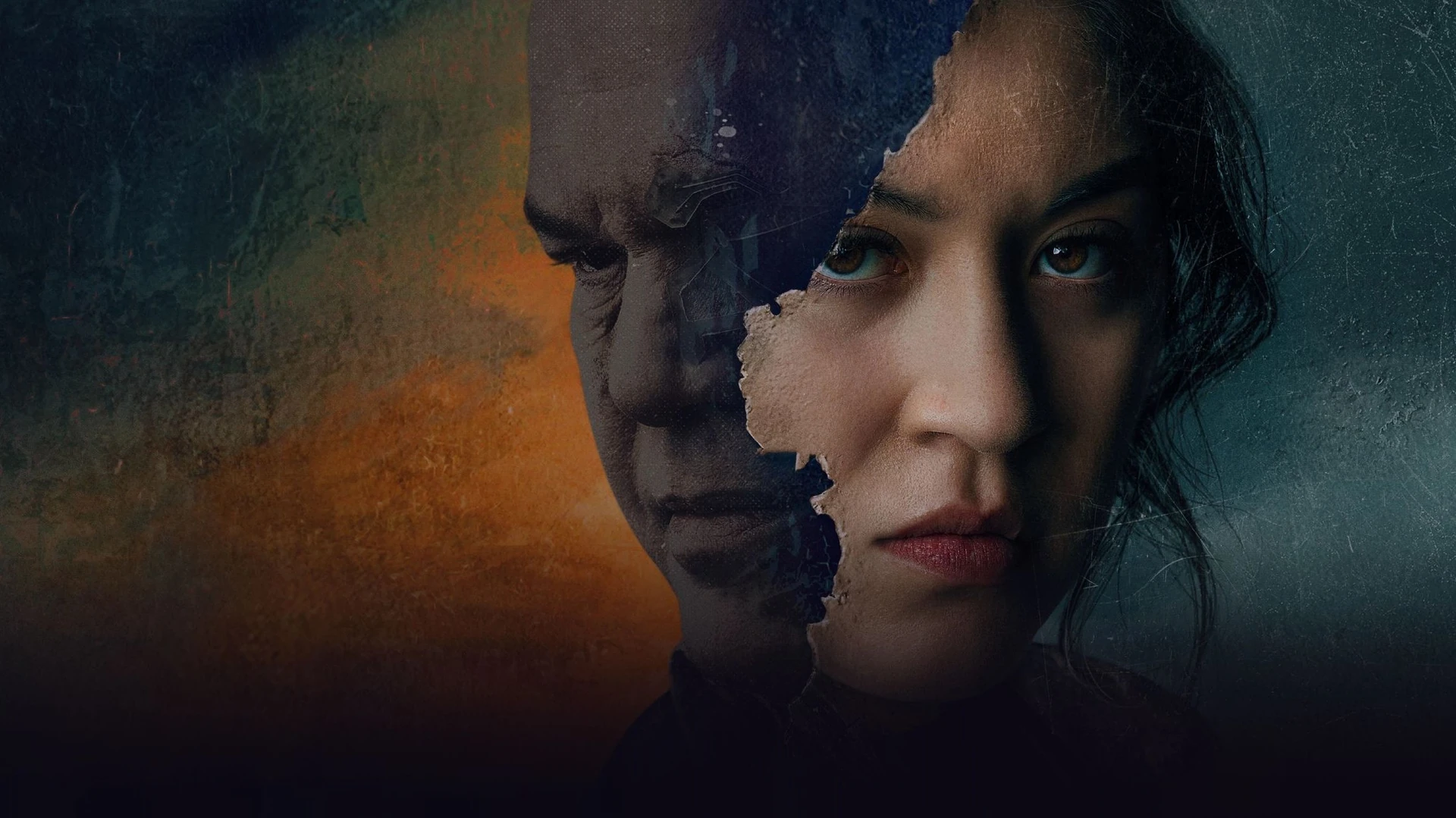
“We are not primarily thinking beings, who feel from time to time; we are primarily feeling beings, who think from time to time.” — Antonio Damasio
Marvel’s Echo, the inaugural series under the “Marvel Spotlight” banner, dropped onto Disney+ and Hulu earlier this year, promising a grittier, more grounded exploration of characters typically overshadowed by cosmic spectacle. And in many ways, it delivered a different flavor. The series, centering on Maya Lopez (Alaqua Cox), a deaf Choctaw woman navigating a life of crime and a complex family history, certainly had its moments. Yet, its reception, much like Maya’s own journey, was a tangled web of praise and critique. Critics were somewhat divided—Rotten Tomatoes gave it a respectable but not stellar 71%, while Metacritic landed it a “mixed or average” 63. Many viewers applauded its commitment to authentic representation and Alaqua Cox’s powerful lead performance, but just as many pointed to its uneven pacing, a plot that sometimes felt too conventional, and a runtime that left some storylines feeling underdeveloped. But beneath the surface-level pros and cons, Echo offers a surprisingly rich tapestry for philosophical contemplation, particularly regarding identity, legacy, and the profound silence that can define our path home.
The Weight of Echoes: Identity, Legacy, and Return
At its core, Echo grapples with the quintessential existential question: Who are we, truly? Maya Lopez isn’t just a character; she’s a battleground where competing forces of self clash. Orphaned, raised by the brutal Wilson Fisk, and trained as an assassin, she embodies the struggle of a soul caught between a traumatic, violent past and a deep, ancestral heritage. Critics noted the series’ ambition in weaving Maya’s personal story with the broader MCU, though some felt it didn’t quite stick the landing in either domain. However, the philosophical resonance here is undeniable.
Maya’s return to Tamaha, Oklahoma, isn’t merely a plot device; it’s a descent into the self, a pilgrimage to the roots of her being. She’s fleeing one empire only to confront another: the unspoken rules and expectations of her Choctaw family. This journey forces her to reconcile the “echo” of Fisk’s ruthlessness within her with the spiritual “echoes” of her ancestors, who communicate through visions and memories. It’s a powerful metaphor for inherited trauma and the indelible mark of family history. Can we ever truly escape the gravitational pull of our origins, or are we forever bound by the legacies that precede us?
Key themes to explore:
- Inherited Trauma — how the past, both personal and ancestral, shapes the present.
- Dual Identity — the struggle between a chosen path (or one imposed) and one’s intrinsic cultural or familial self.
- The Call of Home — not just a physical place, but a spiritual and psychological return to foundational selfhood.
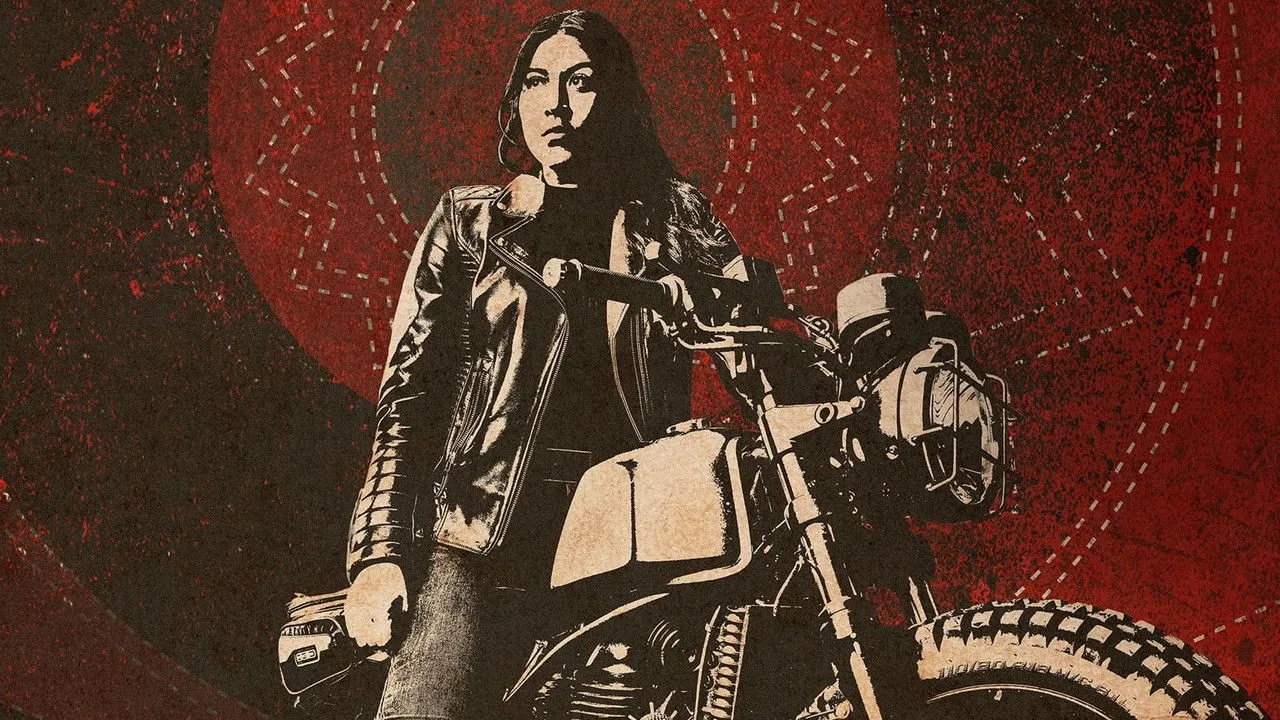 A striking composition captures the raw emotion and internal conflict of Maya Lopez, a woman at a crossroads of her identity and destiny.
Speaking in Silence: Communication, Trauma, and the Flawed Narrative
One of Echo’s most significant contributions, and widely praised aspects, is its commitment to authentic representation of the deaf community and Indigenous culture. Alaqua Cox, herself deaf and of Menominee and Mohican descent, brings an unparalleled authenticity to Maya. The series is groundbreaking in its extensive use of American Sign Language (ASL), making it an integral part of the narrative. This isn’t just a stylistic choice; it’s a philosophical statement on communication and connection. In a world often dominated by spoken word, Echo foregrounds the power of visual language, the nuances of expression that transcend sound.
Communication is not merely about transmitting information, but about the profound act of being understood — a quest often fraught with the echoes of silence and the cacophony of misunderstanding.
However, even this powerful aspect wasn’t immune to criticism. Some reviewers felt that while the representation was laudable, the overall narrative occasionally stumbled, particularly with its pacing. The initial episodes felt a bit slow, deliberately building atmosphere, but then the latter half seemed to rush through significant character developments and plot resolutions. This unevenness, for some, detracted from the full impact of Maya’s emotional arc. The show aimed for a grounded, character-driven story, yet sometimes struggled to fully capitalize on the dramatic potential of its unique protagonist and her cultural backdrop. This creates a fascinating tension: how do we reconcile the profound importance of what is being said (representation, cultural depth) with the way it’s being told (narrative structure, pacing)? The series, despite its flaws, forces us to consider the ethics of storytelling, particularly when depicting marginalized experiences.
 The intricate hand gestures of American Sign Language become a visual ballet, conveying emotion and meaning beyond spoken words in a poignant scene.
Reclaiming the Self: Vengeance, Healing, and Choctaw Roots
Ultimately, Echo posits a compelling philosophical journey from vengeance to healing. Maya’s initial return is fueled by a desire for retribution against Fisk. Yet, as she reconnects with her family and her heritage, this simplistic drive for revenge begins to transform. The series explores the concept of intergenerational healing, where the present generation takes on the burden of past wrongs not to perpetuate a cycle of violence, but to break it. The Choctaw concept of “chishol” (which translates loosely to “spirit” or “soul”) and the ancestral powers Maya taps into, are not just superhero abilities; they are spiritual inheritances, a connection to a deeper wellspring of strength and identity.
This journey is fraught with moral ambiguity. Maya has done terrible things. Can one truly be redeemed? The series suggests that redemption isn’t a single event but an ongoing process of confronting one’s past, accepting responsibility, and choosing a different path forward. While some critics found the ending a bit too neat or reliant on nascent powers, the philosophical message remains potent: true power lies not in destruction, but in the courage to heal, to embrace one’s roots, and to forge a future free from the “echoes” of past pain. It challenges us to consider whether our identity is fixed by our trauma, or if we possess the agency to transcend it, drawing strength from unexpected sources.
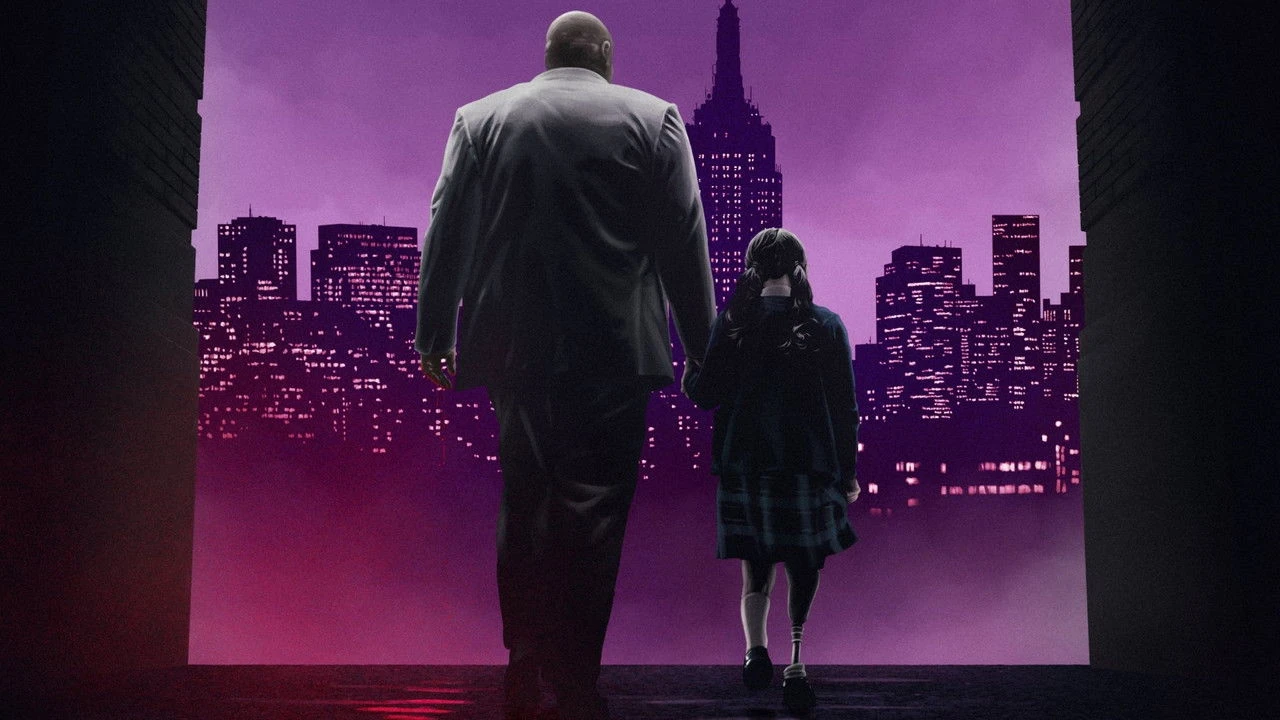 A powerful moment of connection, as hands touch, symbolizing the passing of wisdom and strength across generations within the Choctaw lineage.
The shadows we cast are as much a part of us as the light we embody. To truly find home, we must learn to walk in both, understanding that healing is not erasure, but integration.
Echo is certainly not a perfect series. Its narrative stumbles and uneven pacing were noted criticisms, and it sometimes struggled to fully realize its ambitious blend of gritty realism and superhero lore. Yet, despite these flaws, it carved out a unique space within the Marvel Cinematic Universe, daring to explore themes of cultural identity, intergenerational trauma, and the complex process of healing through a distinctly Indigenous lens. It asks us to consider what it means to carry the weight of our past, to find our voice in silence, and to ultimately define ourselves not by the violence we’ve experienced, but by the love and legacy we choose to embrace. It’s a series that, much like its protagonist, might stumble, but its echoes resonate with undeniable philosophical depth.
Where to Watch
- Disney Plus
- Hulu
What’s Up? explores the philosophical depths of cinema.