Shadows of Wakanda: The Weight of a Hidden Legacy in Eyes of Wakanda
Anticipating Eyes of Wakanda, we delve into the philosophical tensions of secrecy, guardianship, and the burden of history that define Wakanda's hidden warriors.
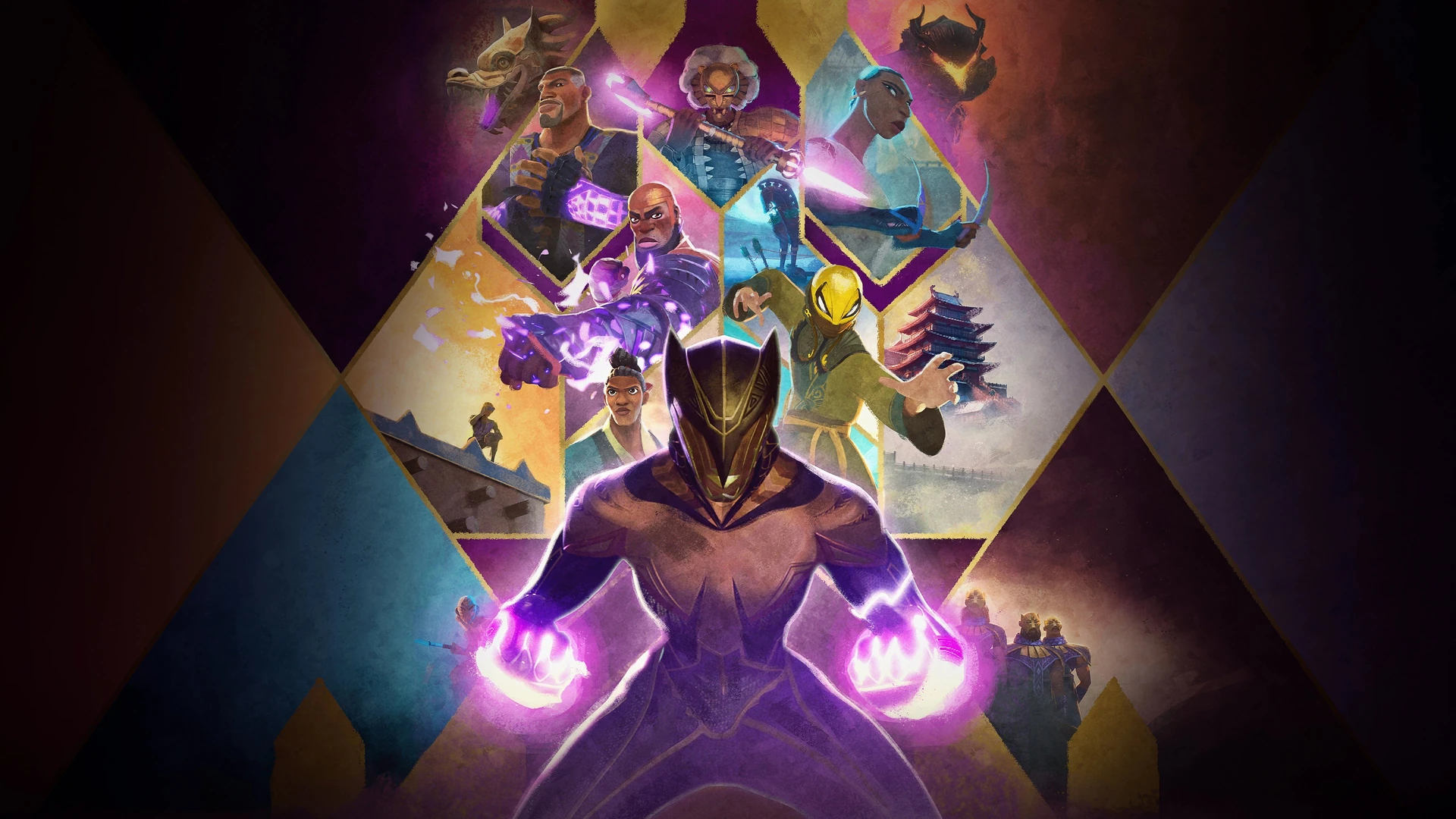
“The true measure of a society is how it treats its secrets.” — Unknown
As we stand on the precipice of Eyes of Wakanda’s 2025 release, it’s a curious position for a critic. Without a single frame seen by the public, without the chorus of critical praise or the cacophony of online debate, our analysis must turn from reaction to anticipation. We’re not dissecting what is, but pondering what could be, filtering the rich premise through a philosophical lens. The series, an animated action-adventure, promises to delve into the history of Wakanda’s clandestine warriors, the Hatut Zaraze, as they globe-trot to retrieve Vibranium artifacts. While the lack of pre-release reviews means we can’t speak to pacing, animation quality, or specific performances from Winnie Harlow or Cress Williams, the concept itself is fertile ground for profound inquiry. It’s a bold expansion of a beloved universe, and one that inherently grapples with the weighty questions of history, identity, and the ethics of unseen power.
The Veiled Hand of History: Guardianship and the Burden of the Past
Eyes of Wakanda isn’t just a prequel; it’s an exploration of historical continuity and the existential weight of legacy. The Hatut Zaraze are tasked with retrieving Vibranium artifacts “from the enemies of Wakanda” throughout history. This immediately plunges us into a complex ethical terrain. What defines an “enemy” across centuries? Are these proactive interventions or defensive retrievals? The very act of constantly reclaiming Vibranium suggests a long, arduous struggle to maintain Wakanda’s unique technological and cultural isolation.
This premise could elegantly explore:
- The cyclical nature of conflict: Is the fight for Vibranium an endless loop, or does each mission build towards a greater peace, or perhaps a more complex understanding of Wakanda’s place in the world?
- The price of prosperity: Wakanda’s advanced state is built on Vibranium. The series asks us to consider the hidden costs—the sacrifices of these warriors, the secrets kept, the interventions made—that enable such isolation and prosperity.
- The moral ambiguity of secrecy: While secrecy protected Wakanda, did it also perpetuate a certain detachment from global suffering? The Hatut Zaraze’s actions, by definition, operate outside conventional ethical frameworks, raising questions about who decides what is just when operating in the shadows.
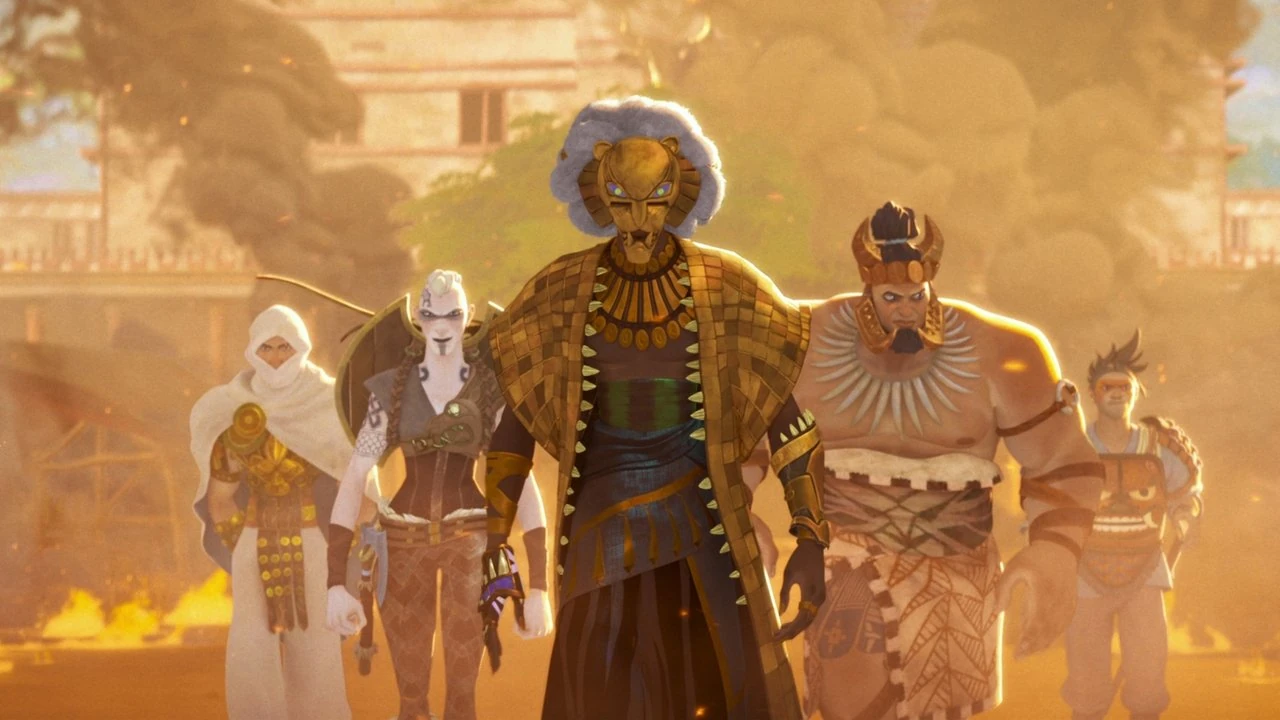 A lone Wakandan warrior stands vigilant, cloaked in shadow, a silent guardian of secrets.
The Ethics of the Unseen: Justice Beyond Borders
The “globe-trotting adventure” aspect of Eyes of Wakanda is particularly intriguing from a philosophical standpoint. These warriors operate across different cultures and eras, often without revealing their true identity or allegiance. This isn’t merely espionage; it’s a profound engagement with intercultural ethics and the philosophy of intervention.
The true power of a nation isn’t just in its strength, but in the unseen actions taken to preserve its soul, often at moral cost.
The series has the potential to challenge our notions of justice and sovereignty. Are the Hatut Zaraze acting as benevolent protectors of a precious resource, or as an uninvited, albeit technologically superior, force imposing its will? The very act of “retrieving artifacts” from “enemies” implies a judgment, an assertion of ownership and right that may not be recognized by those they encounter. This raises uncomfortable questions:
- Who truly owns a resource? Is it the land it originates from, or the people who find a way to harness its potential?
- When does protection become appropriation? Are these artifacts “stolen” or simply “retrieved” from those who don’t understand their true significance or threat?
- The burden of cultural relativism: How do the Hatut Zaraze navigate different ethical systems and historical contexts without imposing a singular Wakandan worldview?
While the episodic nature (30 minutes per episode) might challenge the depth of these explorations, it could also allow for focused, self-contained moral dilemmas that resonate deeply. However, the ambition itself could be its greatest hurdle. Such nuanced ethical discussions require careful pacing and character development, which can be difficult to achieve in a shorter, action-oriented format. This is where the potential for critical “flaws” might lie, not in intent, but in execution.
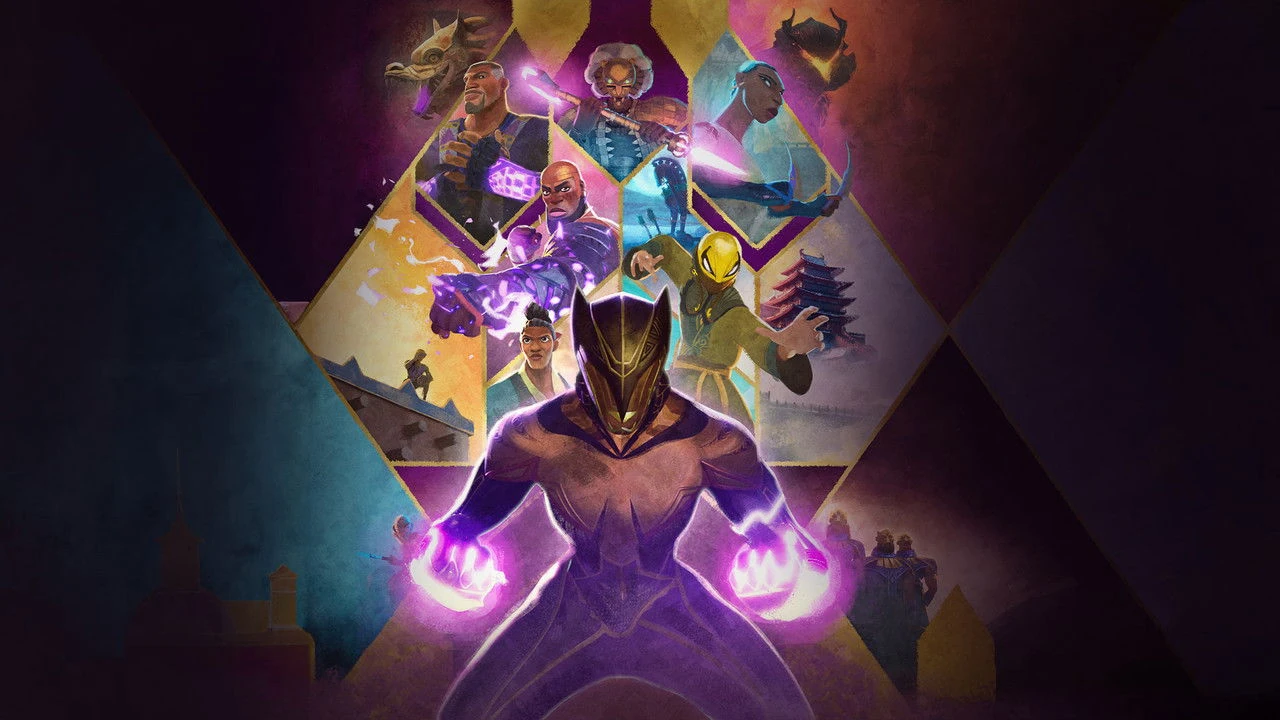 An ancient vibranium artifact, glowing faintly, symbolizes both power and profound responsibility.
Vibranium’s Echo: Power, Identity, and Sacrifice
At its core, Eyes of Wakanda is about Vibranium, not just as a metal, but as a metaphor for ultimate power, cultural identity, and existential purpose. It’s the lifeblood of Wakanda, the source of its unique path. For the Hatut Zaraze, Vibranium isn’t just a mission objective; it’s the very reason for their existence. Their identity is inextricably linked to its protection.
This narrative could explore:
- The individual vs. the collective: The Hatut Zaraze sacrifice personal lives, public recognition, and often, their very humanity, for the collective good of Wakanda. What does this level of self-abnegation mean for the individual warrior’s sense of self?
- The duality of progress: Vibranium allows Wakanda to flourish, but it also necessitates a perpetual state of vigilance and secret warfare. Is technological advancement always a net positive if it requires such constant hidden struggle?
- The existential purpose of a nation: Wakanda’s identity is tied to its secret and its resource. The series could ask: What happens when that purpose is fulfilled, or when the cost becomes too great? Does a nation’s soul diminish with each secret kept, or is it strengthened by the resolve of its guardians?
 A fierce warrior, unmasked, gazes into the distance, contemplating the sacrifices made in silence.
The legacy of the Hatut Zaraze, though unseen, carves a deeper trench in the soul of Wakanda than any monument. It’s a history written in shadow, paid for in solitude, and forever whispering questions about the cost of greatness.
Eyes of Wakanda arrives with the weight of expectation and the promise of a rich, complex narrative. While we can’t yet speak to its execution, the premise alone offers a fascinating philosophical playground. It forces us to consider the unseen hands of history, the moral quandaries of hidden power, and the profound sacrifices required to forge and maintain a unique identity. It’s a series that, if handled with philosophical gravitas, could challenge our understanding of what it truly means to protect a legacy, even when that protection means operating in the darkest of shadows. What does it cost to be the unsung hero, the silent guardian, shaping a world that will never know your name?
Where to Watch
- Disney Plus
What’s Up? explores the philosophical depths of cinema.