The Counterfeit Soul: Farzi and the Philosophy of Value in a Fabricated World
Farzi explores the philosophical depths of authenticity, value, and rebellion through the high-stakes world of counterfeiting. A look at its critical reception and deeper meanings.
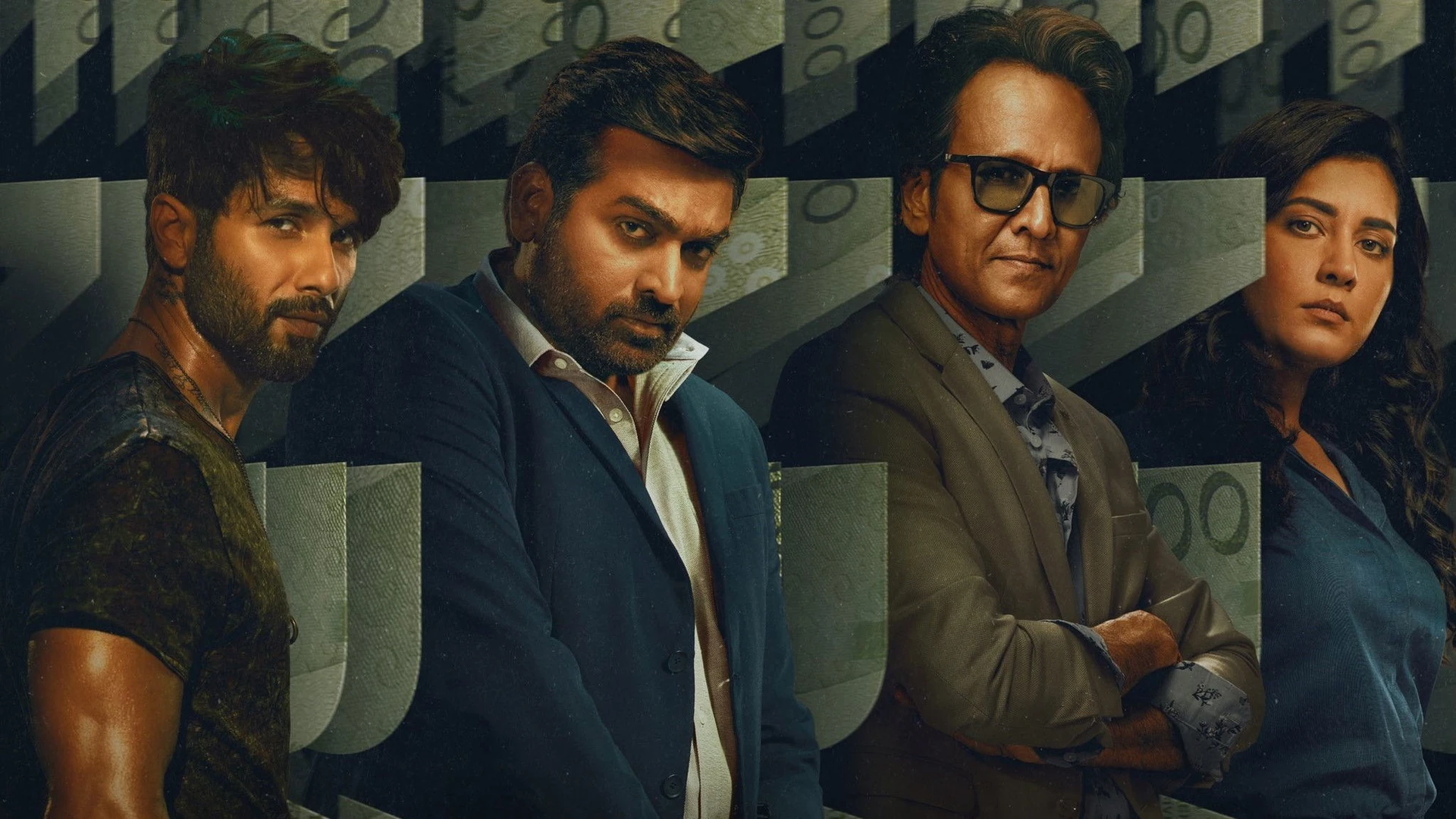
“The counterfeiter is the true artist of the modern age; he creates value out of nothing, mirroring the very system he subverts.” — Jean Baudrillard (paraphrased)
When Farzi exploded onto screens in 2023, it arrived with the kind of buzz only a Raj & DK series, fresh off the success of The Family Man, could generate. And for the most part, it delivered. Critics and audiences alike largely lauded this high-octane thriller for its stellar performances, particularly from Shahid Kapoor in a career-defining role and Vijay Sethupathi’s formidable Hindi debut. It’s a show that grabs you by the collar, pulling you into the shadowy world of counterfeit currency with a relentless pace and a sharp wit. But beneath the thrilling cat-and-mouse chase, the show quietly, yet insistently, poses profound questions about authenticity, value, and the very nature of rebellion in a system many perceive as fundamentally flawed.
The Art of Deception: Crafting Meaning from Nothing
At its heart, Farzi is the story of Sunny, a brilliant, disillusioned artist who, unable to make ends meet by legitimate means, pours his genius into creating the “perfect” fake currency note. This isn’t just a crime spree; for Sunny, it’s an act of creation, a perverse form of artistic expression. He sees the system as rigged, where his genuine talent is undervalued, while the established order thrives on its own forms of fabricated value.
Sunny’s journey forces us to confront the existential dilemma of meaning-making. If society denies you a path to express your inherent worth, do you find an alternative, even if it’s criminal? Is the act of creation inherently noble, regardless of its outcome or moral implications? Farzi brilliantly blurs these lines, making us empathize with Sunny’s frustration and admire his audacious skill, even as we acknowledge the destructive potential of his actions. This isn’t just about printing money; it’s about printing a new identity, a new purpose, for a man who felt invisible.
Key philosophical anchors here include:
- The Labor Theory of Value: Sunny puts immense effort and skill into his fakes, arguably more than some legitimate artists. Does this “labor” imbue his creations with a different kind of value?
- Nihilism vs. Anarchy: Is Sunny driven by a nihilistic rejection of all societal norms, or is he an anarchist attempting to dismantle a corrupt system? The show expertly keeps us guessing.
- The Spectacle: In a world where appearances often supersede reality, Farzi shows how easily perception can be manipulated, and how trust, once broken, undermines the entire edifice of societal agreement.
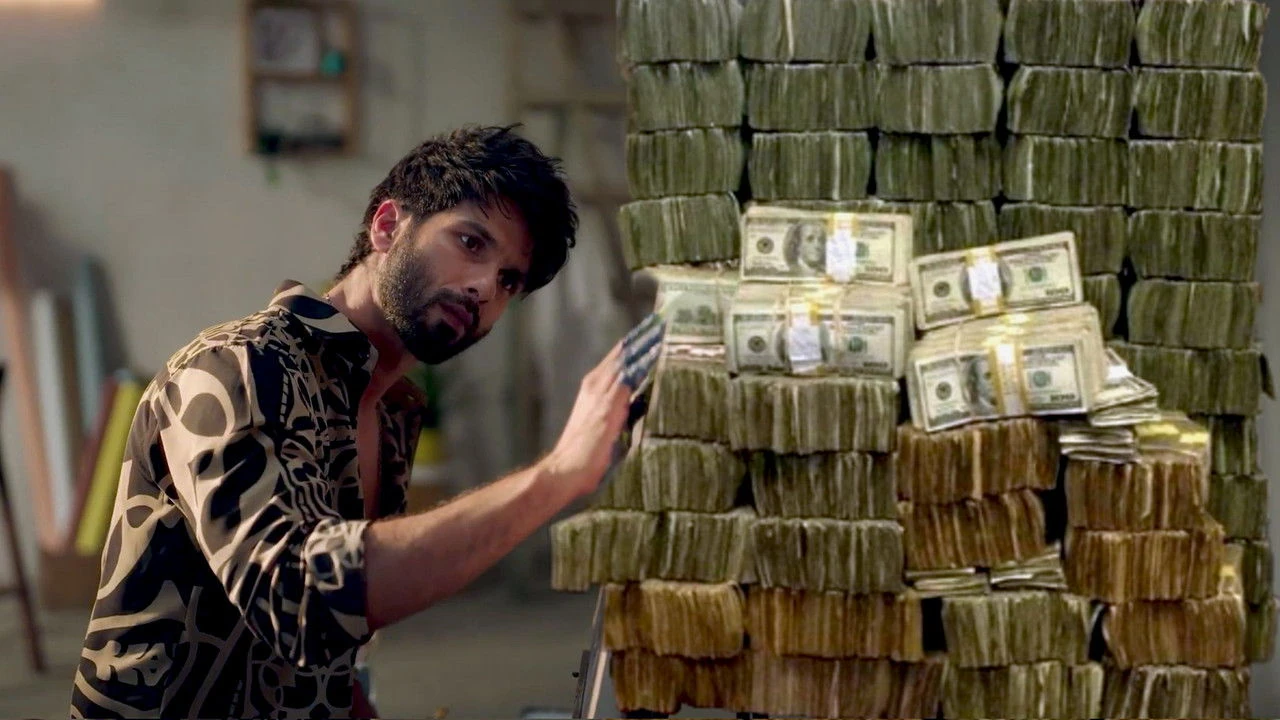 Sunny, the artist turned counterfeiter, finds his grim satisfaction in the precision of his illegal craft.
The Uneasy Dance of Critique and Entertainment
While Farzi mostly garnered rave reviews, praised for its tight script, engaging humor, and the electrifying chemistry between Kapoor and Sethupathi, it wasn’t entirely without its minor quibbles. Some viewers and critics, though few, pointed to instances of uneven pacing, particularly in the mid-section, suggesting a few episodes might have felt slightly stretched. A handful noted certain plot conveniences that occasionally strained credulity, and some felt that while the main characters were fleshed out, a few supporting roles could have benefited from more development. However, these were minor notes in a chorus of widespread appreciation for the show’s overall quality and compelling narrative.
The true genius of Farzi lies not just in its thrilling plot mechanics, but in its ability to make us question the very foundations of value — both monetary and moral — even as it entertains us with dazzling performances and sharp dialogue.
The philosophical heft of Farzi is amplified by its ability to hold these contradictions. We root for Michael (Vijay Sethupathi), the fiery, unorthodox task force officer, to catch Sunny, yet we simultaneously understand Sunny’s motivations. This moral ambiguity is where the show truly shines, refusing easy answers. It’s a masterclass in presenting ethical dilemmas without preaching, letting the characters’ choices and their consequences speak for themselves. The utilitarian calculus of Michael’s mission to rid the country of a “menace” clashes directly with Sunny’s individualistic pursuit of justice (or vengeance) against a system he deems unjust. Who is the greater good serving here? And whose “good” takes precedence?
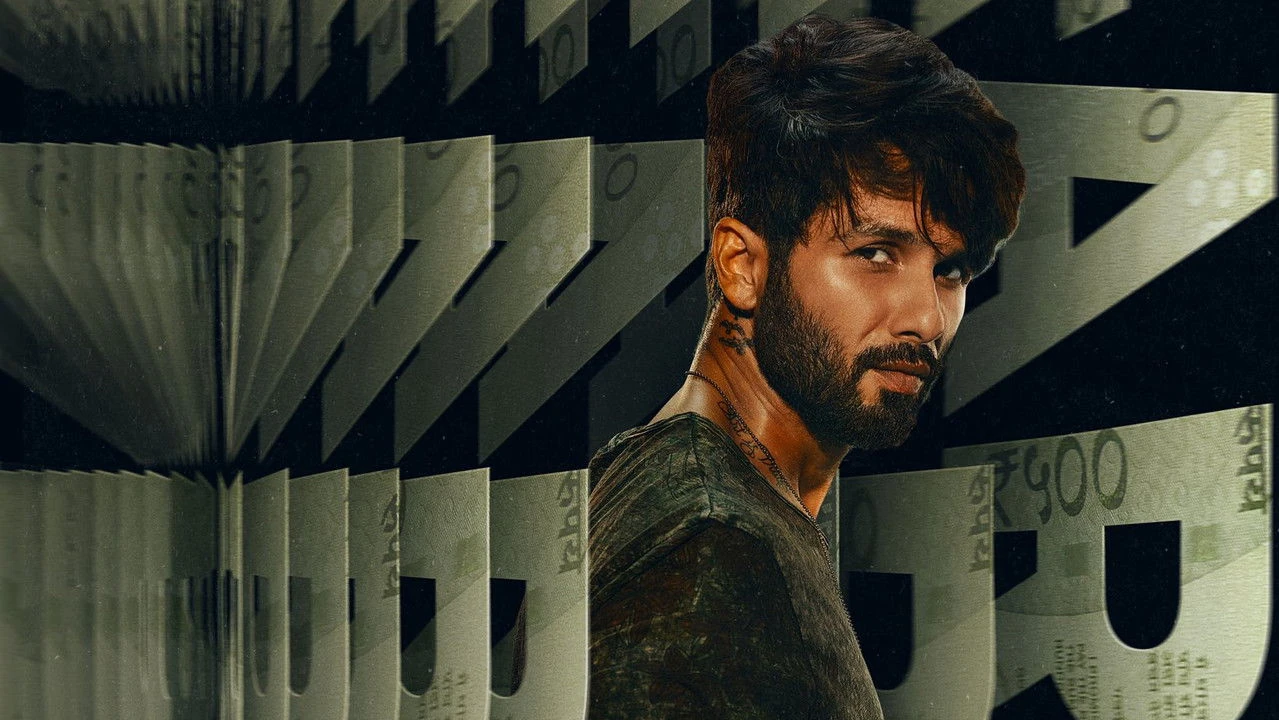 The intense cat-and-mouse dynamic between Sunny and Michael, a clash of ideologies as much as wills.
Beyond the Surface: The Metaphysics of Money
What Farzi ultimately dares to ask is: what is value, really? Is it inherent, or is it a collective illusion, a societal agreement we all tacitly uphold? Money, the ultimate symbol of exchange, is revealed here as a powerful social construct. Sunny’s perfect fakes aren’t just copies; they’re a direct challenge to this construct, proving that the emperor’s new clothes are merely fabric and belief.
The show delves into the metaphysics of money, stripping away its perceived solidity to expose its fragility. If a fake is indistinguishable from the real, what then differentiates them? Only the belief in its authenticity, upheld by institutions and enforced by law. This leads to a terrifying realization: if one form of value can be so easily undermined, what about others – our trust in governance, our belief in justice, our faith in social contracts?
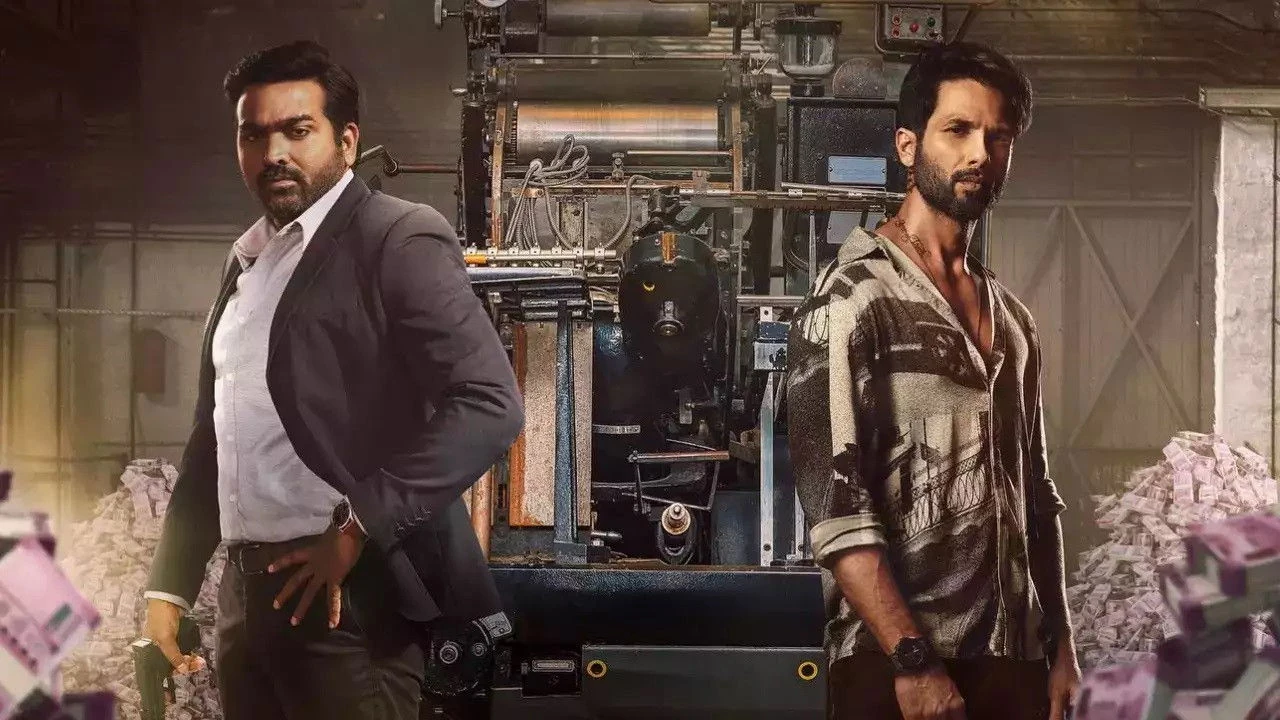 A close-up of the counterfeit notes, indistinguishable from the real, symbolizing the fragile nature of perceived value.
“Every act of counterfeiting is a perverse testament to the power of the original, but also a whisper of its potential undoing, a dark mirror reflecting its vulnerability.”
Farzi is far more than just a crime thriller; it’s a thought experiment disguised as entertainment. While a few viewers might have desired a tighter narrative in parts, the show’s overwhelming success lies in its gripping execution and, more profoundly, its ability to provoke an interrogation of the very systems we live by. It leaves us pondering whether our world is built on genuine substance or merely on a widely accepted, meticulously crafted farzi (fake) reality. The series compels us to look closer at what we deem “real” and what we simply choose to believe.
Where to Watch
- Amazon Prime Video
- Amazon Prime Video with Ads
What’s Up? explores the philosophical depths of cinema.