When Fate Knocks, Who Answers? The Unsettling Philosophy of Final Destination
Examining Final Destination's exploration of predestination and the futility of escaping death, balancing its critical reception with its deeper philosophical questions.
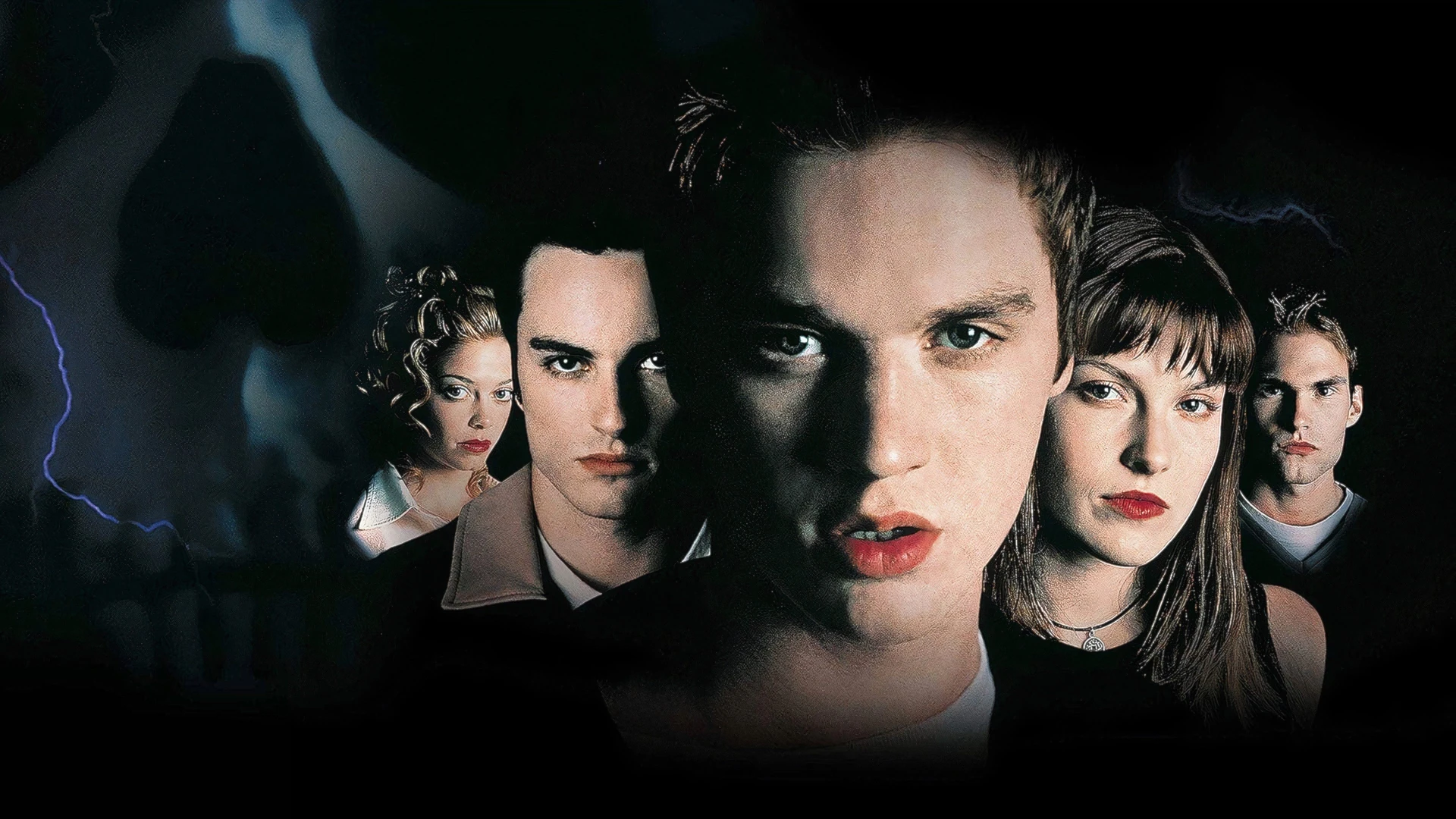
“Man is condemned to be free; because once thrown into the world, he is responsible for everything he does.” — Jean-Paul Sartre
When Final Destination first hit theaters in 2000, it arrived with a premise as simple as it was terrifying: what if you cheated death, only for death itself to come hunting you down? On the surface, James Wong’s horror-thriller might seem like a straightforward, albeit gory, ride designed for a Friday night scare. And, to be fair, critics at the time largely agreed. With a rather dismal 36% on Rotten Tomatoes and a Metascore of 36/100, many reviews lambasted its B-movie acting, thin characters, and reliance on elaborate death sequences over genuine suspense. Yet, despite its critical reception and undeniable flaws, Final Destination burrowed itself into the cultural consciousness, spawning a hugely successful franchise and, more importantly, provoking some genuinely existential questions that linger long after the credits roll. It’s a film that, for all its narrative shortcomings, dares to play with the very fabric of fate and human agency.
The Inescapable Architect of Fate
The film’s central conceit, that Death has a “design” or “list” and will meticulously correct any deviation, instantly plunges us into a world governed by absolute determinism. Alex Browning’s premonition of a plane crash saves a handful of lives, but this act of defiance isn’t a victory; it’s merely a temporary postponement, a cosmic inconvenience for an unseen, omnipotent force. This raises the profoundly unsettling question: are our lives merely a series of pre-ordained events, or do we possess genuine free will?
Critics often pointed out the inconsistencies in “Death’s rules”—how does it choose its victims, why does it work in such convoluted ways, and why does it seem so… petty? These are valid plot holes, certainly. But seen through a philosophical lens, these inconsistencies can be interpreted not as lazy writing, but as a reflection of how incomprehensible and arbitrary death often feels in real life. The sheer Rube Goldbergian complexity of the deaths, from the seemingly innocuous gust of wind to the precariously placed wrench, suggests a force beyond human understanding, one that orchestrates events with a chilling, almost playful, precision. It implies that every moment, every object, every seemingly random occurrence is part of a grander, inescapable scheme. The film presents a universe where even the smallest accident is, in fact, an intentional step in a larger, unalterable plan.
- Predestination vs. Free Will: The core conflict isn’t between characters and a slasher, but between humanity’s desire for control and the universe’s indifference to it.
- The Illusion of Choice: Any “choices” the characters make, such as avoiding the plane, only lead them down different paths to the same ultimate end.
- Mortality and Randomness: Death often strikes without warning or reason, but Final Destination posits that there’s always a reason, always a design, even if we can’t perceive it.
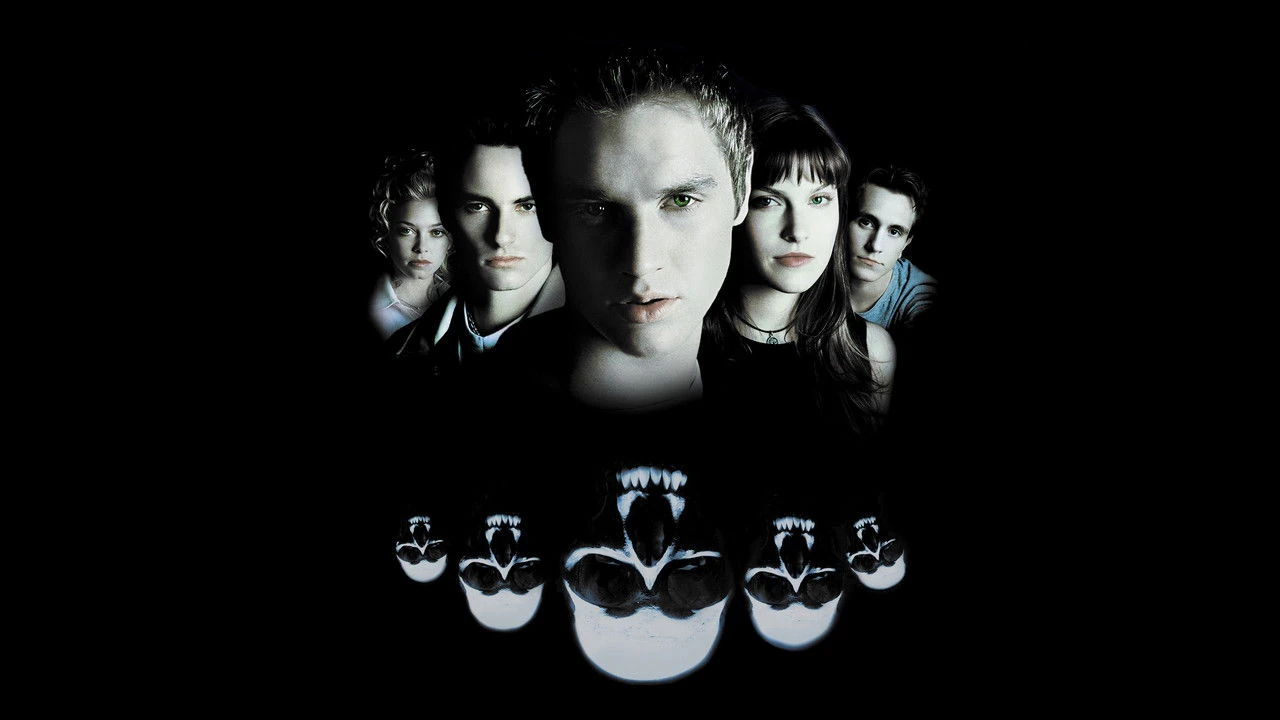 The chilling realization dawns: escaping one fate only leads to another, more elaborate one.
A Gory Dance with Destiny: Critiques and Charms
While Final Destination struck a chord with audiences (evidenced by its 68% audience score on Rotten Tomatoes, a stark contrast to its critical reception), its cinematic craftsmanship was, by many accounts, undeniably rough around the edges. The acting, particularly from lead Devon Sawa, often felt stilted, portraying a kind of perpetual, wide-eyed dread that bordered on monotonous. Character development was largely sacrificed at the altar of the next elaborate death, leaving many viewers with little emotional investment beyond morbid curiosity. The pacing, too, could be uneven, oscillating between tense, drawn-out sequences and abrupt, almost comedic, fatal accidents.
The film’s true genius isn’t in its character arcs or dialogue, but in its ability to tap into the universal human anxiety about the fragility of life and the randomness that seems to govern our existence.
Yet, despite these criticisms, the film possesses an undeniable charm and a unique impact. It was a refreshing departure from the masked slasher tropes of the ’90s, offering an invisible, abstract killer that was far more terrifying than any man with a machete. The suspense wasn’t about who would die, but how and when, turning mundane objects into instruments of dread. A falling ladder, a loose wire, a faulty oven – suddenly, the everyday world became a potential minefield. This elevation of ordinary objects to tools of fate is where the film truly shines, forcing us to look at our surroundings with a newfound, paranoid awareness. It democratized horror, suggesting that death’s shadow looms over us all, not just those who wander into haunted houses or dark alleys. It was a clever, if sometimes crude, reinvention of the genre, proving that even a “flawed” film can achieve cult status and cultural relevance by hitting a primal nerve.
 The mundane transformed into the macabre, highlighting the film’s unique approach to terror.
The Metaphysics of the Mortal Coil
Beyond the inventive kills and the B-movie charm, Final Destination poses profound metaphysical questions about the nature of reality and our place within it. Is Death an entity, a natural force, or perhaps a fundamental law of the universe, like gravity? The film never fully explains, which might be its greatest strength, allowing the terrifying abstraction to linger. This ambiguity forces us to confront our own comfort with the unknown and the human need for order and explanation.
The characters’ futile struggle against Death’s design becomes a metaphor for humanity’s eternal battle against its own mortality. We build hospitals, create medicines, invent safety features, all in an effort to postpone the inevitable. Final Destination suggests that these efforts, while noble, are ultimately just delaying tactics. It asks: if our end is predetermined, does our struggle have meaning? Does our striving for a longer life simply lead us to a more elaborate, perhaps more horrific, demise orchestrated by an indifferent cosmos? This isn’t just a horror movie; it’s a grim meditation on the futility of resistance against cosmic forces, a cinematic memento mori that constantly reminds us of our precarious position in the grand scheme of things. It’s a dark mirror reflecting our deepest fears about control, destiny, and the ultimate surrender to forces beyond our comprehension.
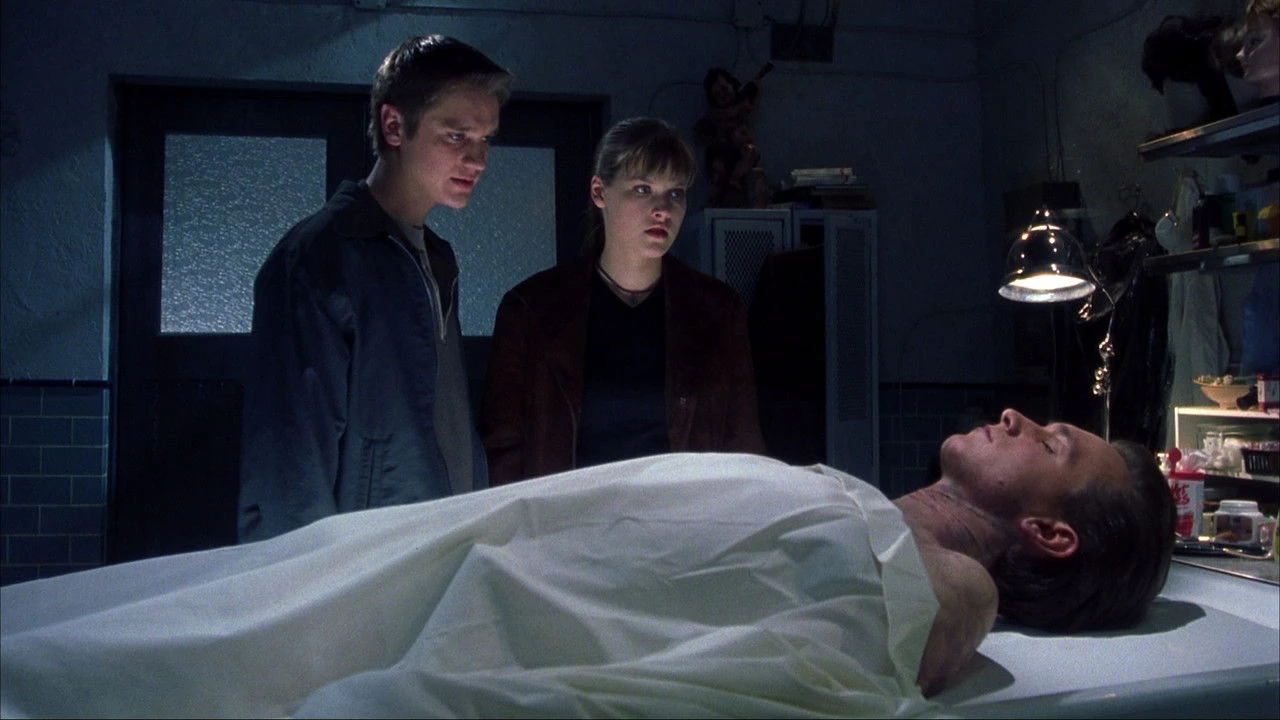 A moment of fleeting escape, overshadowed by the ever-present threat of a predetermined end.
“The only way to deal with an unfree world is to become so absolutely free that your very existence is an act of rebellion.” — Albert Camus
Final Destination’s legacy is a mixed bag, certainly. It’s a film that critics largely dismissed, yet audiences embraced, appreciating its original concept and thrilling, if gruesome, set pieces. Its acting might be forgettable, its plot contrivances glaring, but its philosophical core remains remarkably potent. It forces us to reconsider the very nature of fate and free will, leaving us to ponder the chilling possibility that our lives are not our own, but rather chapters in a book already written. It dares to ask: if death truly has a design, what does that say about the life we think we’re living? And can we ever truly escape the final destination that awaits us all?
What’s Up? explores the philosophical depths of cinema.