Chasing Eternity: Guy Ritchie's Fountain of Youth and the Double-Edged Sword of Immortality
A philosophical look at Guy Ritchie's upcoming Fountain of Youth, exploring the existential implications of immortality, the value of life, and the director's signature style.
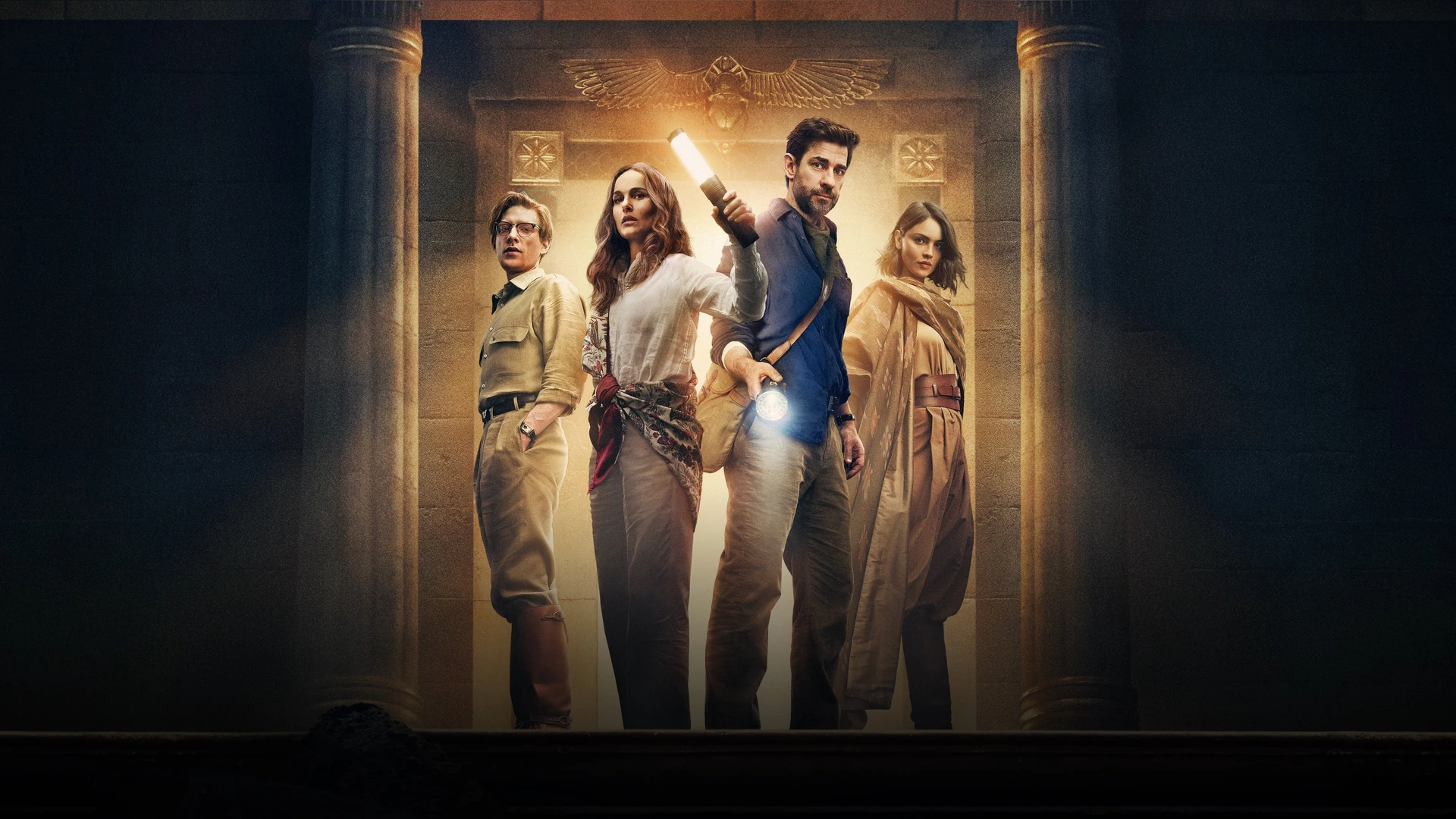
“The fear of death follows from the fear of life. A man who lives fully is prepared to die at any time.” — Mark Twain
Guy Ritchie. John Krasinski. Natalie Portman. The words alone conjure a particular kind of anticipation. Fountain of Youth, slated for 2025, promises an action-adventure spectacle steeped in mystery and fantasy – a treasure hunt for perhaps the most elusive prize imaginable. On paper, it sounds like a rollicking good time, a high-stakes romp across exotic locales with a star-studded cast. But for those of us who peer a little deeper into the cinematic looking glass, the title itself, Fountain of Youth, immediately sparks an array of existential questions that demand more than just a surface-level caper. While Ritchie’s films, with their signature kinetic energy and convoluted plots, sometimes lean more into style than profound substance, the very premise here begs us to consider the ultimate human desire: to conquer mortality.
The Allure of Eternity: A Philosophical Temptation
The concept of eternal youth, or even outright immortality, has haunted humanity since ancient myths first whispered of gods and heroes untouched by time. From Gilgamesh’s fruitless quest to the alchemists’ pursuit of the elixir of life, the idea is deeply ingrained in our collective psyche. Ritchie’s Fountain of Youth places this ultimate prize squarely in the path of a treasure-hunting mastermind and his estranged, brilliant sister. What does this journey truly represent? Is it merely a fantastical MacGuffin, or does it serve as a potent symbol for our relentless pursuit of more — more time, more experiences, more control over our fleeting existence?
For a film to truly engage with this theme, it has to move beyond the superficial allure of endless life and delve into its profound implications. What happens to love, to loss, to ambition, if death is no longer the ultimate horizon? The weight of such a prize is immense. While Ritchie’s kinetic style often prioritizes spectacle over introspection, the very premise of Fountain of Youth practically demands a deeper look at what it means to be human in the face of timelessness. Will the film dare to explore the burden of eternity, the potential for endless boredom, or the pain of watching everyone you love eventually fade away? These aren’t just fantasy tropes; they are metaphysical inquiries into the very fabric of our being.
- The Price of Immortality: Is it a blessing or a curse?
- The Meaning of Mortality: Does life gain its value from its finite nature?
- The Pursuit of the Impossible: What does this quest reveal about human nature?
 A map, heavily annotated and worn, hinting at ancient secrets and dangerous paths to an unknown destination, perhaps a visual metaphor for the winding journey of life itself.
Family, Folly, and the Quest for Value
The plot overview highlights a crucial dynamic: a treasure-hunting mastermind needing someone “even smarter than he is: his estranged sister.” This isn’t just about finding a magical artifact; it’s about reconciliation, humility, and the recognition of complementary strengths. Guy Ritchie excels at crafting ensemble casts with sharp dialogue and intricate interdependencies. One might wonder if his penchant for elaborate plotting and fast-paced dialogue will leave enough room for genuine character development to make this familial bond truly resonate.
Past Ritchie films have, at times, faced criticism for prioritizing elaborate narrative mechanics over emotional depth. While his distinct visual flair and clever twists are undeniable strengths, some reviews of his more recent work, like Operation Fortune: Ruse de Guerre or even parts of The Gentlemen, have pointed to a certain stylistic fatigue, where the formula begins to overshadow genuine engagement with the characters’ stakes. Will Fountain of Youth manage to strike that delicate balance? Can the high-octane adventure coexist with a poignant exploration of family, trust, and vulnerability?
The true treasure in any adventure isn’t the gold or the magic, but the transformation of the self and the reforging of bonds that time and folly have frayed.
The dynamic between the brother and sister could be the film’s philosophical anchor. It’s not just about outwitting threats, but about outgrowing personal pride and past grievances. If the “fountain” literally grants eternal youth, what value does it hold if the relationships that define our lives are broken? The film has the potential to argue that true “life-changing adventure” isn’t about escaping death, but about living more fully in the time we have, particularly by mending what’s broken and valuing those who challenge us to be better. The estranged sister, “even smarter,” represents not just intellectual prowess but perhaps a wisdom the mastermind brother lacks – a wisdom about connection and genuine worth.
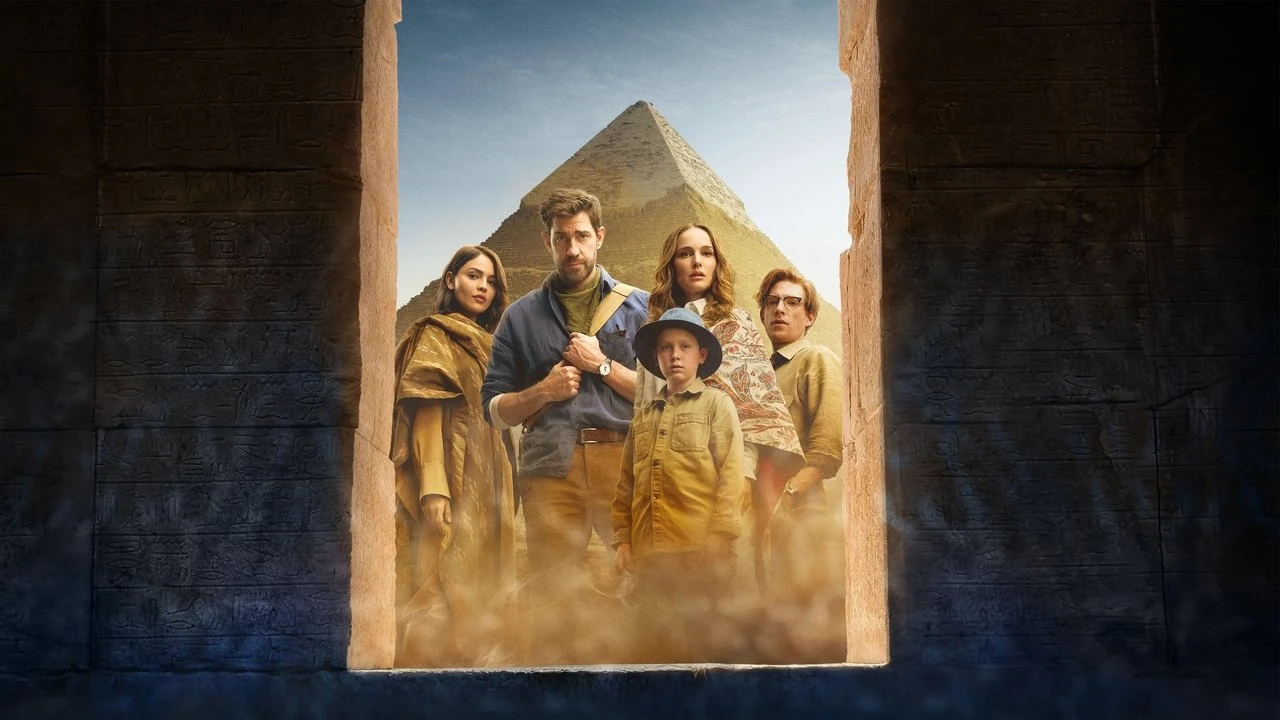 A close-up on the intense, determined faces of John Krasinski and Natalie Portman, highlighting their shared focus and the underlying tension of their complicated relationship.
The Ritchie Signature: Style vs. Substance
Guy Ritchie’s films are an experience. They’re fast, slick, often witty, and usually involve a labyrinthine plot that keeps you guessing. For Fountain of Youth, a 125-minute runtime suggests ample space for both elaborate action sequences and potentially deeper character beats. Yet, given Ritchie’s recent output, there’s always a question of whether his unique blend of action and wit can consistently deliver both thrills and thematic resonance, or if it risks becoming a formula. Early buzz and anticipation suggest audiences are eager for the combination of his style with such a compelling premise, but the ultimate critical reception will undoubtedly hinge on how well these elements are woven together.
For a story about the Fountain of Youth, a director’s stylistic choices become especially crucial. Does the rapid-fire editing and slick cinematography allow for moments of quiet reflection, or does it propel us through the narrative so quickly that we miss the profound existential questions lurking beneath the surface? The film’s genres—Action, Adventure, Fantasy, Mystery—are all areas where Ritchie excels. The challenge, and the philosophical opportunity, lies in how he grounds these fantastical elements in the very real human anxieties about time, aging, and purpose. If the film can manage to be both a thrilling ride and a thoughtful meditation, it will achieve something truly special. If it leans too heavily into the spectacle, it might entertain, but it will likely leave the philosophical yearning of its premise unfulfilled for some viewers.
 A vibrant, chaotic action sequence unfolds in an exotic location, with dynamic movement and the unmistakable visual flair of a Guy Ritchie film, suggesting both excitement and potential for narrative complexity.
The pursuit of eternal youth often blinds us to the precious, finite beauty of the present moment, turning life into an endless waiting room rather than a vibrant stage.
Ultimately, Fountain of Youth has the potential to be more than just another action-adventure film. It holds up a mirror to our deepest fears and desires regarding mortality. Will Guy Ritchie leverage his distinctive style to illuminate these profound questions, or will the spectacle overshadow the philosophical core? The anticipation is high, and while the exact critical reception remains to be seen, one hopes the film will offer a rich tapestry that entertains, thrills, and most importantly, makes us ponder the true meaning of a “life-changing adventure” – whether that change comes from discovering a mythical spring or from simply learning to live and love within our finite time. What would you do if you found the Fountain of Youth, and what would it ultimately cost you?
Where to Watch
- Apple TV
- Apple TV Amazon Channel
What’s Up? explores the philosophical depths of cinema.