Trapped in the Labyrinth: From and the Philosophy of Enduring the Unknowable
Exploring From's compelling mystery, the series delves into existential dread, human nature under duress, and the search for meaning in a terrifying, inescapable town.
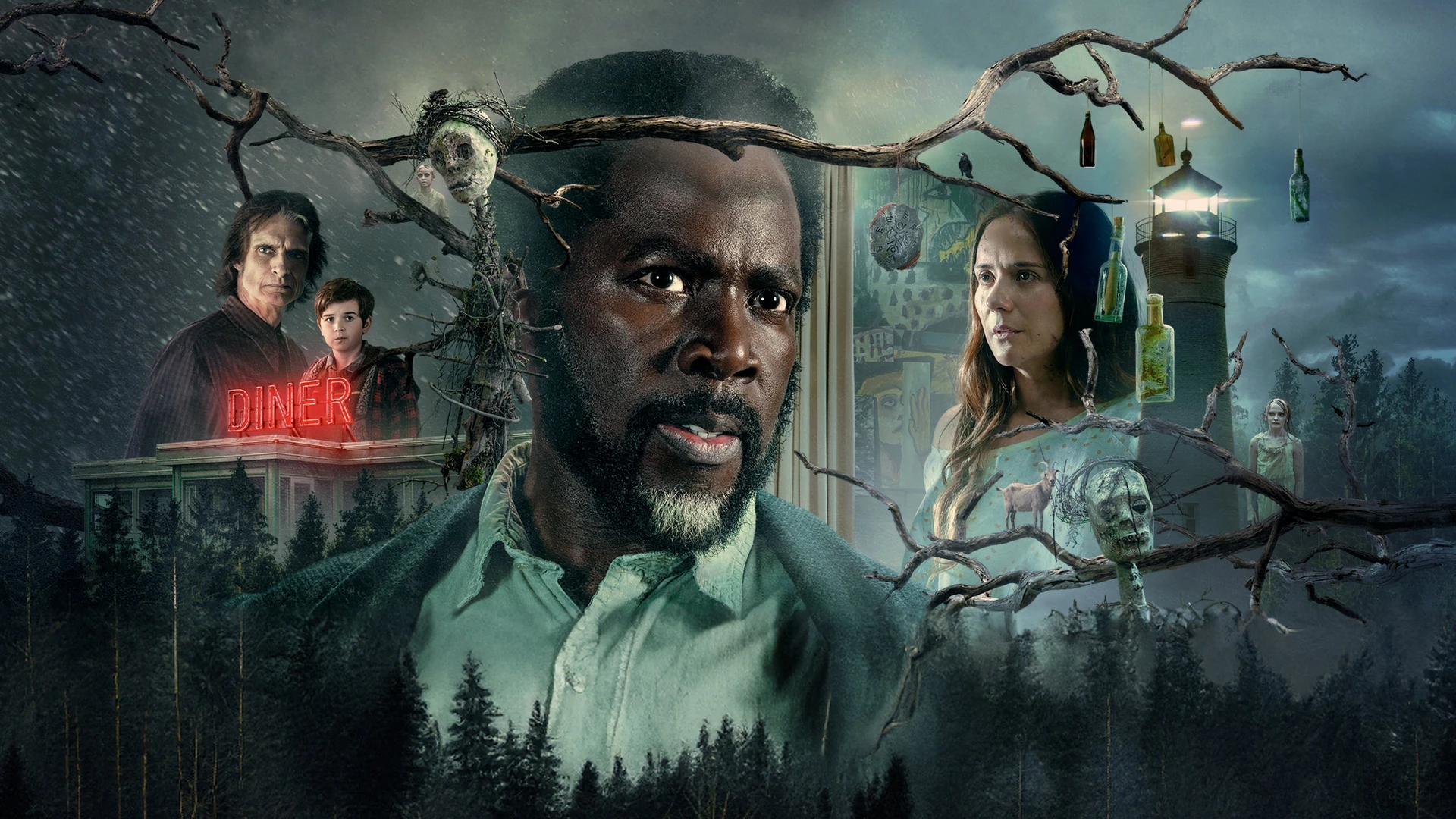
“Man is condemned to be free; because once thrown into the world, he is responsible for everything he does.” — Jean-Paul Sartre
From, the MGM+ series that dropped us unceremoniously into a nightmarish, inescapable town, is more than just a horror-thriller; it’s a masterclass in sustained existential dread. While it’s drawn comparisons to Lost for its tantalizing mystery box approach, and indeed shares executive producer Jeff Pinkner with that iconic show, From carves out its own distinct, unsettling niche. Critics have largely lauded its ability to build an atmospheric, genuinely terrifying world, with Rotten Tomatoes scores for its first two seasons hovering impressively high. Audiences, too, have flocked to its compelling premise, though a common refrain, even among its fans, is the frustration born from the deliberate, slow-burn unraveling of its central enigma. This isn’t a show that offers quick answers, and therein lies both its genius and its occasional stumbling block.
The Anatomy of a Trap: Existential Limbo
At its core, From presents a brutal thought experiment: what happens when your agency is not just diminished, but utterly annihilated by forces you can’t comprehend? The town itself isn’t merely a setting; it’s a metaphysical cage, a liminal space where the rules of the outside world simply cease to apply. Every character, from Harold Perrineau’s stoic Sheriff Boyd Stevens to Catalina Sandino Moreno’s resilient Tabitha Matthews, is plucked from their ordinary life and forced into an extraordinary, inescapable present. This immediate and complete loss of control throws them into a stark, Sartrean confrontation with their newfound “freedom”—the freedom to choose how to react within an unchosen prison.
The horror isn’t just the literal monsters that stalk the night, but the quiet, creeping terror of absurdism. Their pasts are irrelevant, their futures seemingly nonexistent outside the town’s boundaries. They are forced to construct meaning, rules, and a fragile sense of normalcy in a place that actively defies logic. This leads to fascinating dynamics: the building of a provisional society, the formation of cults of belief, and the constant, heartbreaking oscillation between hope and despair. The show explores:
- The imposition of meaning: How do humans create order when the universe offers none?
- The fragility of hope: What does it do to the human psyche to repeatedly face crushed expectations?
- The arbitrary nature of suffering: Why them? Why this town? The lack of a clear antagonist with understandable motives is perhaps the most terrifying aspect.
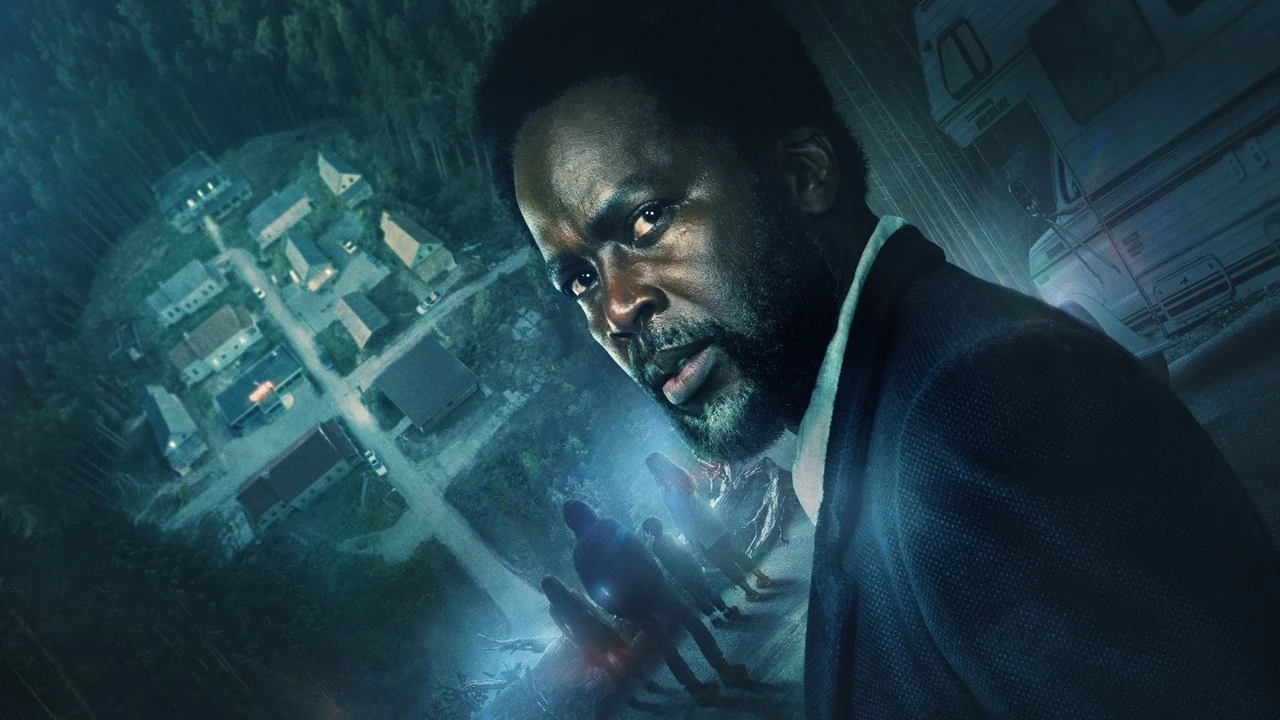 The desolate road leading into the inescapable town, a metaphor for life’s unforeseen cul-de-sacs.
The Human Equation: What Works and What Festers
One of From’s undeniable strengths, consistently highlighted by reviews, is its ensemble cast, particularly Harold Perrineau’s anchor performance. His portrayal of Boyd Stevens captures the crushing weight of leadership in an impossible situation – the man who has to make the hardest calls with no good options. The show truly shines in its character work, illustrating how different individuals cope with sustained trauma and uncertainty. We see the pragmatists, the spiritualists, the broken, and the resilient.
However, the very nature of its slow-burn mystery and character-focused approach has also drawn criticism. Some viewers, eager for answers, have voiced frustration over the show’s pacing, arguing that certain plotlines meander or that revelations come too slowly, only to introduce new layers of complexity. While the deliberate withholding of information enhances the mystery for many, others find it a test of patience. The gradual descent into the town’s deeper secrets can feel more like a spiral than a linear progression, sometimes leaving audiences feeling as trapped as the characters themselves.
In the face of overwhelming, unknowable dread, the truest horror isn’t the monster at the door, but the reflection of our own desperate choices in the mirror.
Despite these narrative friction points, From consistently delivers on its promise of dread. The creatures, while occasionally limited by budget in their CGI, are conceptually terrifying – mimetic, relentless, and truly sinister. Their ability to wear the faces of loved ones taps into a primal fear of betrayal and the corruption of memory. This psychological element, combined with the palpable tension of nightfall, keeps the stakes incredibly high, forcing characters (and viewers) to confront the uncomfortable truths of their situation.
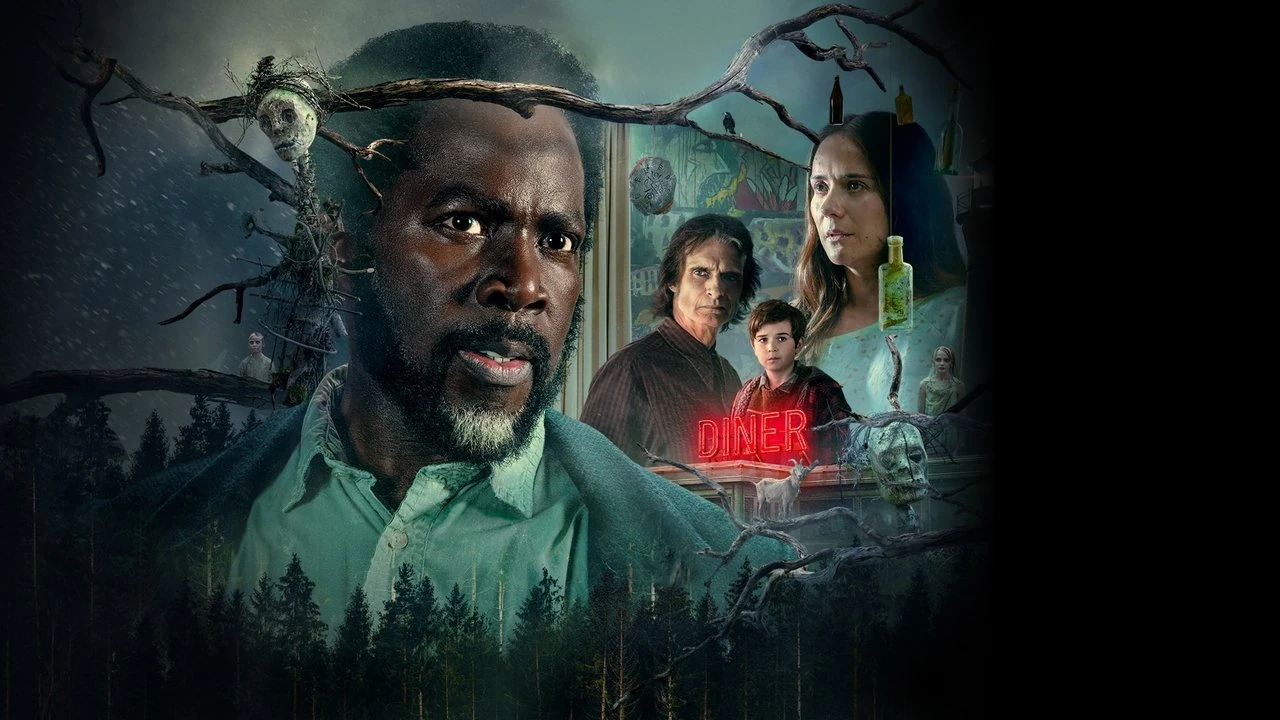 A tense moment, illuminated by a flickering light, underscoring the constant threat that looms after sundown.
Beyond the Surface: A Mirror to Our Own Labyrinths
Beyond the immediate scares and the unfolding mystery, From invites us to ponder deeper, more uncomfortable questions about our own existence. The town, with its unyielding grip, can be seen as a metaphor for any number of human predicaments: chronic illness, economic precarity, systemic oppression, or even the existential anxiety of simply being alive in a vast, indifferent universe. We, too, are often “trapped” by circumstances beyond our control, forced to adapt, to find meaning, and to search for an escape that may or may not exist.
The series grapples with themes of fate versus free will. Are the residents simply pawns in a cosmic game, or do their choices, however limited, truly matter? The recurring symbols and cryptic messages scattered throughout the town hint at a larger design, yet also underline the characters’ desperate search for agency. This constant push-pull between an ominous destiny and individual struggle resonates deeply, touching on our own battles with predestination, belief, and the often-elusive nature of personal meaning.
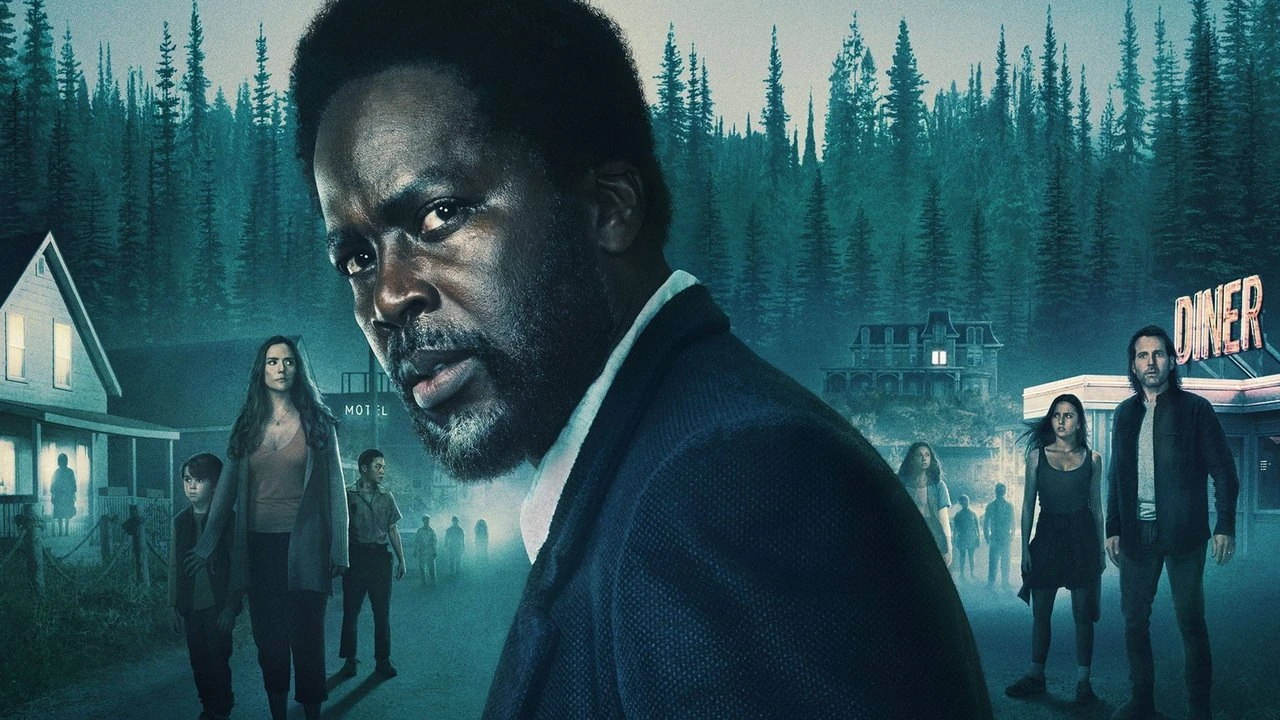 A glimpse into the ominous forest, the source of unspeakable horrors and an endless, unfathomable maze.
The most terrifying cages are not always made of iron and stone, but of unanswered questions and the crushing weight of the unknown.
Ultimately, From asks us to sit with discomfort. It challenges our desire for neat resolutions and tidy explanations, much like life itself often does. While some may find its deliberate ambiguity frustrating, it’s precisely this refusal to provide easy answers that elevates it from mere genre fare to a genuinely philosophical exploration of human endurance. It’s a show that acknowledges the chaos, the terror, and the inherent loneliness of navigating an unknowable world, yet still finds glimmers of resilience, community, and the persistent, if sometimes irrational, flicker of hope. What will we do when the map runs out, and the path ahead is nothing but shadow? From doesn’t tell us, but it makes us feel every terrifying step.
Where to Watch
- fuboTV
- MGM+ Amazon Channel
- MGM Plus Roku Premium Channel
- MGM Plus
- Philo
What’s Up? explores the philosophical depths of cinema.