The Iron Throne of Existence: Game of Thrones as a Philosophical Crucible of Power, Morality, and Cosmic Indifference
Dive deep into Game of Thrones as a profound philosophical text, exploring its intricate dance of power, moral ambiguity, and existential dread against a backdrop of cosmic indifference.
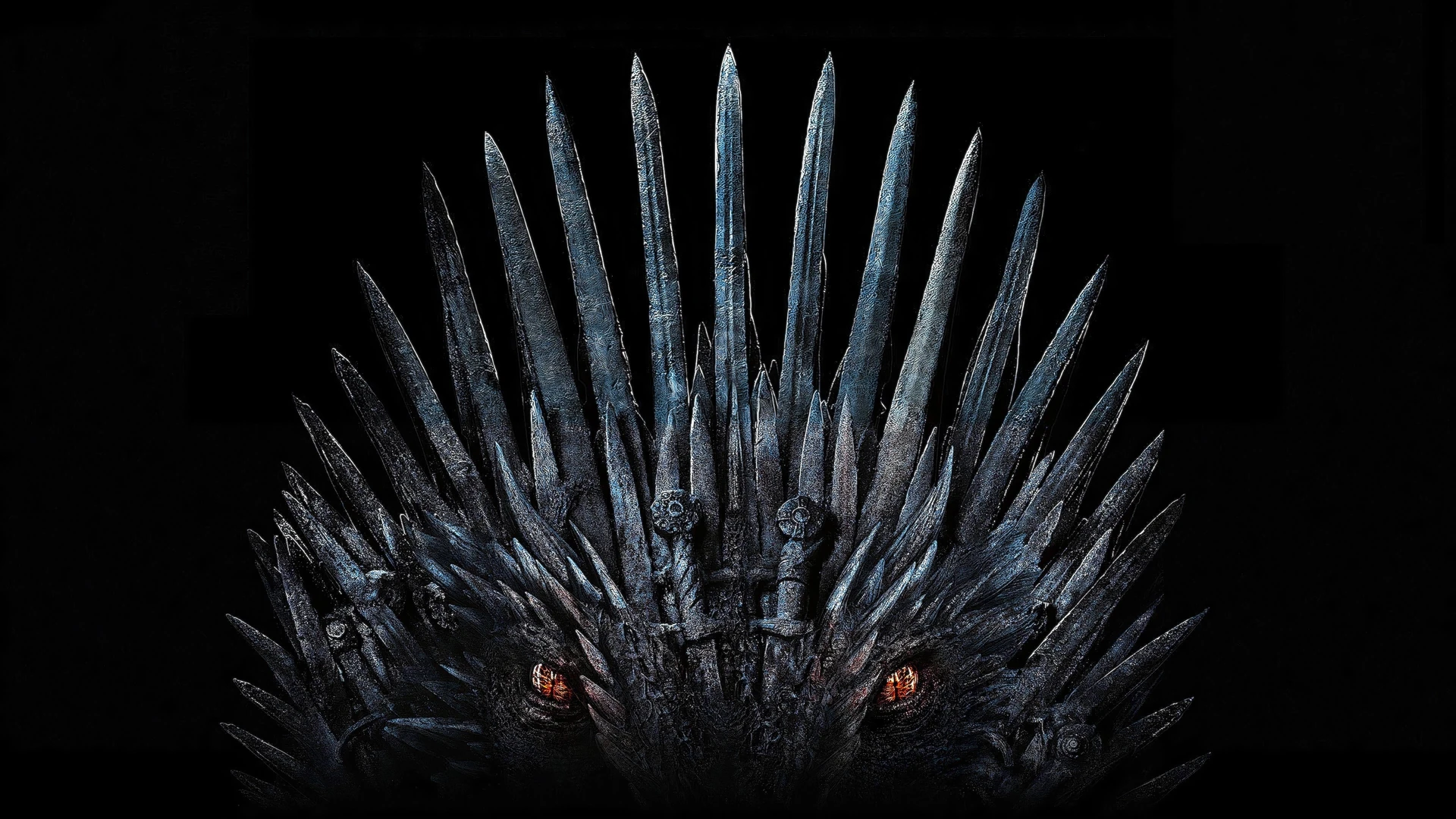
“Chaos isn’t a pit. Chaos is a ladder.” — Petyr Baelish
From its blood-soaked premieres to its divisive denouement, HBO’s Game of Thrones (2011) was more than just a television series; it was a global phenomenon, a cultural touchstone, and, perhaps most profoundly, a sprawling philosophical treatise disguised as epic fantasy. Stripping away the dragons and White Walkers, what remains is a brutally honest, often uncomfortable, examination of the human condition, an intricate tapestry woven with threads of power, morality, and the chilling indifference of a vast, uncaring cosmos. It invited us into a world where every decision carried the weight of destiny, and every triumph was paid for in blood, forcing us to confront the very nature of our species and the meaning we desperately seek in a world utterly devoid of inherent purpose.
The Relentless Grind of Power: A Hobbesian Nightmare
At its heart, Game of Thrones is a meditation on the insatiable human thirst for power and the corrupting influence it wields. Westeros is a realm in a perpetual state of bellum omnium contra omnes – a war of all against all, a Hobbesian nightmare where life is indeed “solitary, poor, nasty, brutish, and short.” The titular Iron Throne is not merely a seat of governance but a metaphor for absolute desire, a focal point around which ambition, treachery, and sacrifice endlessly swirl. Families like the Lannisters, Starks, Targaryens, and Baratheons are not just players in a political game; they are archetypes of human striving, each convinced of their divine right or moral imperative to rule.
The show meticulously dismantles any romantic notions of governance or nobility. We witness the cyclical nature of violence, where each act of revenge births another, and the pursuit of power often leads to its own undoing. It’s a brutal deconstruction of the myth of benevolent authority, revealing instead a constant, precarious struggle where even the most well-intentioned leaders are forced to compromise their ideals, or perish. The cost of the game is astronomical, measured not in gold or land, but in human lives, shattered innocence, and the slow, agonizing erosion of the soul.
Key themes resonate throughout:
- The Corrosive Nature of Ambition — how the pursuit of the throne twists and breaks even the strongest wills.
- The Fragility of Order — illustrating how quickly civilization descends into barbarity when institutions crumble.
- The Specter of Nihilism — implying that all human striving might be ultimately meaningless in the face of larger, indifferent forces.
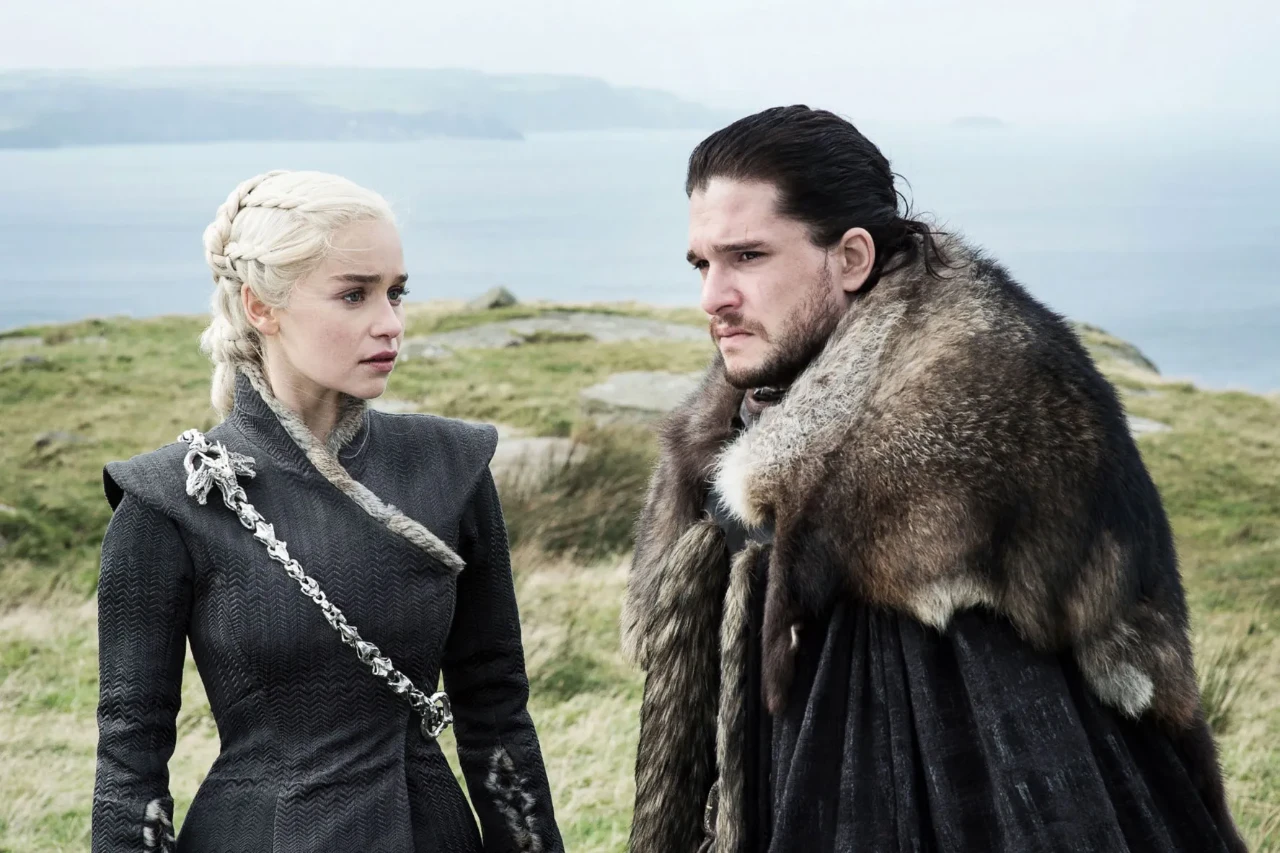 The cold, sharp reality of the Iron Throne, a testament to endless human ambition and suffering.
Souls Forged in Fire: Ethical Labyrinths and the Will to Survive
Beyond the macrocosm of political struggle, Game of Thrones plunges deep into the microcosm of individual morality, presenting characters not as static heroes or villains, but as complex beings navigating impossible ethical quandaries. Figures like Tyrion Lannister, a man of intellect and wit born into a family of brutes, embody the struggle for meaning and decency in an inherently unjust world. His cynical observations often cut to the bone, revealing the hypocrisy and self-interest that drive human actions. Jaime Lannister’s arc, from the “Kingslayer” to a man desperately seeking redemption, forces us to question the nature of honor and whether true change is possible for even the most morally compromised.
The series challenges conventional notions of good and evil, painting a nuanced canvas where heroes commit atrocities and villains display moments of startling compassion. It asks: Can one remain virtuous when survival demands villainy? Is justice merely a construct of the powerful? The choices made by Daenerys Targaryen, Jon Snow, or Arya Stark are not simple; they are born of trauma, necessity, and a constantly shifting moral landscape. Each character’s journey is a philosophical test, a brutal experiment in how far one can bend before they break, or become the very monster they once fought.
This is where we discover the true weight of choice — not in the outcome, but in the becoming. The soul is not given; it is forged in the crucible of impossible decisions, shaping itself against the anvil of circumstance.
The constant threat of death, betrayal, and suffering strips away pretenses, exposing the raw, primal instincts of humanity. Game of Thrones suggests that our ethical frameworks are often luxuries, easily discarded when the stakes are existential. It’s a reminder that courage is not the absence of fear, but the decision to act despite it, and that true character is revealed not in comfort, but in crisis.
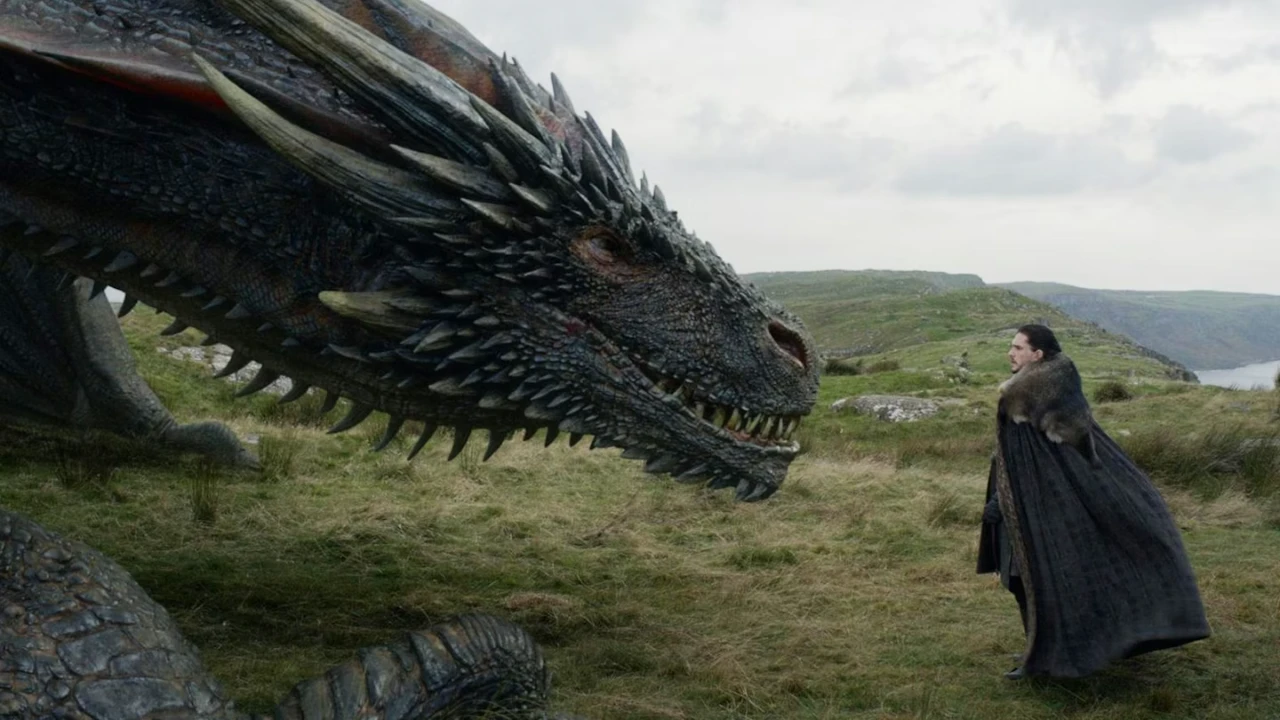 Tyrion’s gaze, heavy with wisdom and weariness, embodies the burden of conscience in a world without it.
Beyond the Wall: Metaphysics of Fate, Free Will, and the Cosmic Indifference
As the human squabbles for the Iron Throne rage, a far greater, existential threat looms in the farthest north: the White Walkers. This ancient evil transcends politics and personal vendettas, serving as a powerful metaphysical metaphor for the ultimate, unavoidable forces that dwarf human ambition. The Long Night represents not just a fantasy menace, but the cosmic indifference to human striving, a reminder that all our grand narratives and petty wars mean nothing in the face of oblivion. It’s an exploration of existential dread personified, a cold, silent force that threatens to erase all memory, all history, all meaning.
This overarching threat forces a re-evaluation of fate versus free will. Prophecies, visions, and ancient bloodlines suggest a predestined path for many characters. Is Daenerys truly the “Breaker of Chains” or merely a pawn of destiny? Is Jon Snow’s return from the dead a miracle or a morbid necessity? The very existence of the Night King and his army questions the human capacity to define their own destiny, suggesting that perhaps, we are all just actors in a much larger, darker play, whose script was written long before our birth.
The series, in its grandest scope, asks whether human civilization can ever truly unite against a common, existential threat, or if our inherent divisions are too deep, too ingrained. The fight against the White Walkers is a battle not just for survival, but for the very meaning of humanity against a force that embodies ultimate nihilism. It’s a profound question about the purpose of struggle, the value of life, and whether hope itself is merely a fleeting delusion in the face of inevitable entropy.
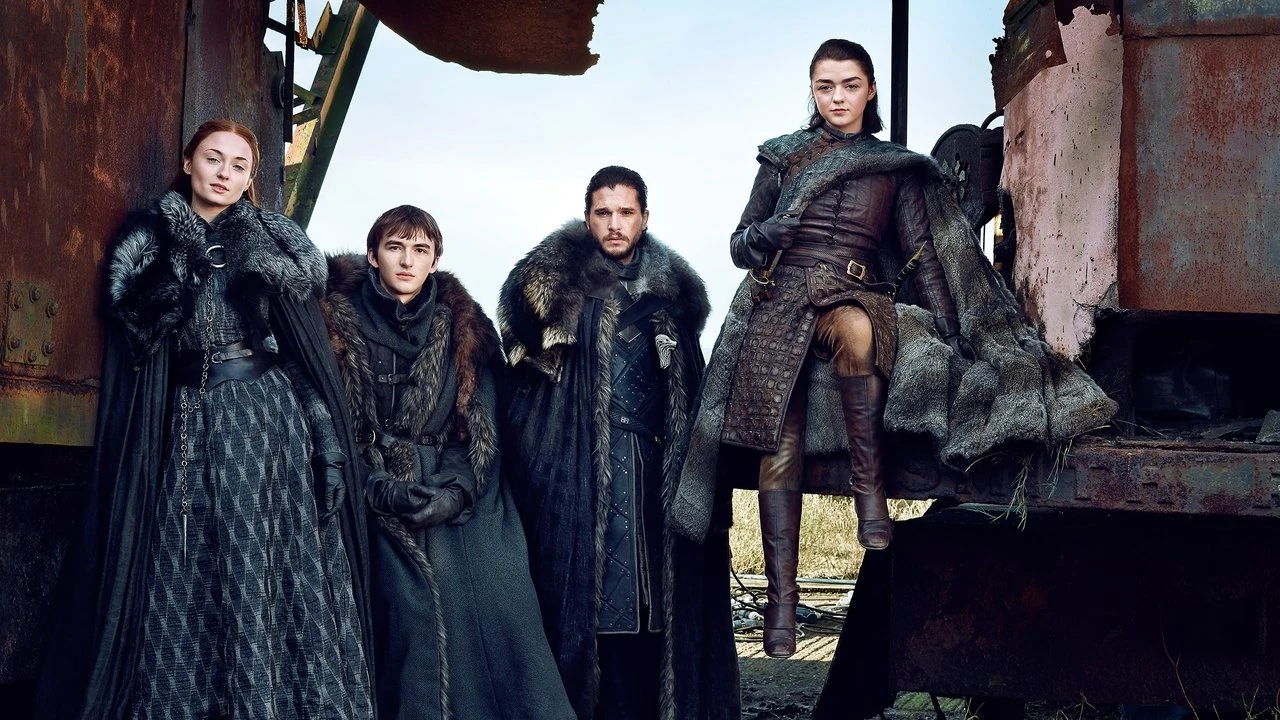 The Night King, a silent, terrifying metaphor for the universal forces that mock human ambition and life itself.
“The world doesn’t just forget. It rebuilds, it transforms, it continues. And sometimes, the most profound peace comes not from victory, but from the quiet acceptance of an ending, however imperfect.”
Game of Thrones ultimately leaves us with a lingering sense of melancholy and a profound set of questions. It suggests that even after the dragons are gone and the battles are fought, the cycle of human nature – the lust for power, the struggle for morality, the confrontation with the absurd – endures. The series serves as a mirror, reflecting our own societies, our own political landscapes, and our own inner demons. It forces us to confront the uncomfortable truth that perhaps, the greatest horrors are not the icy monsters beyond the Wall, but the ones we carry within ourselves, perpetually warring for the Iron Throne of our own existence. What does it mean to build a better world, when the very foundation of human nature seems designed for its undoing?
Where to Watch
- HBO Max
- HBO Max Amazon Channel
What’s Up? explores the philosophical depths of cinema.