Blood, Guts, and God-Complexes: Gen V's Existential Reckoning
Gen V slices into the morally ambiguous world of Vought International, exploring identity, corruption, and the existential weight of power in a superhero college.
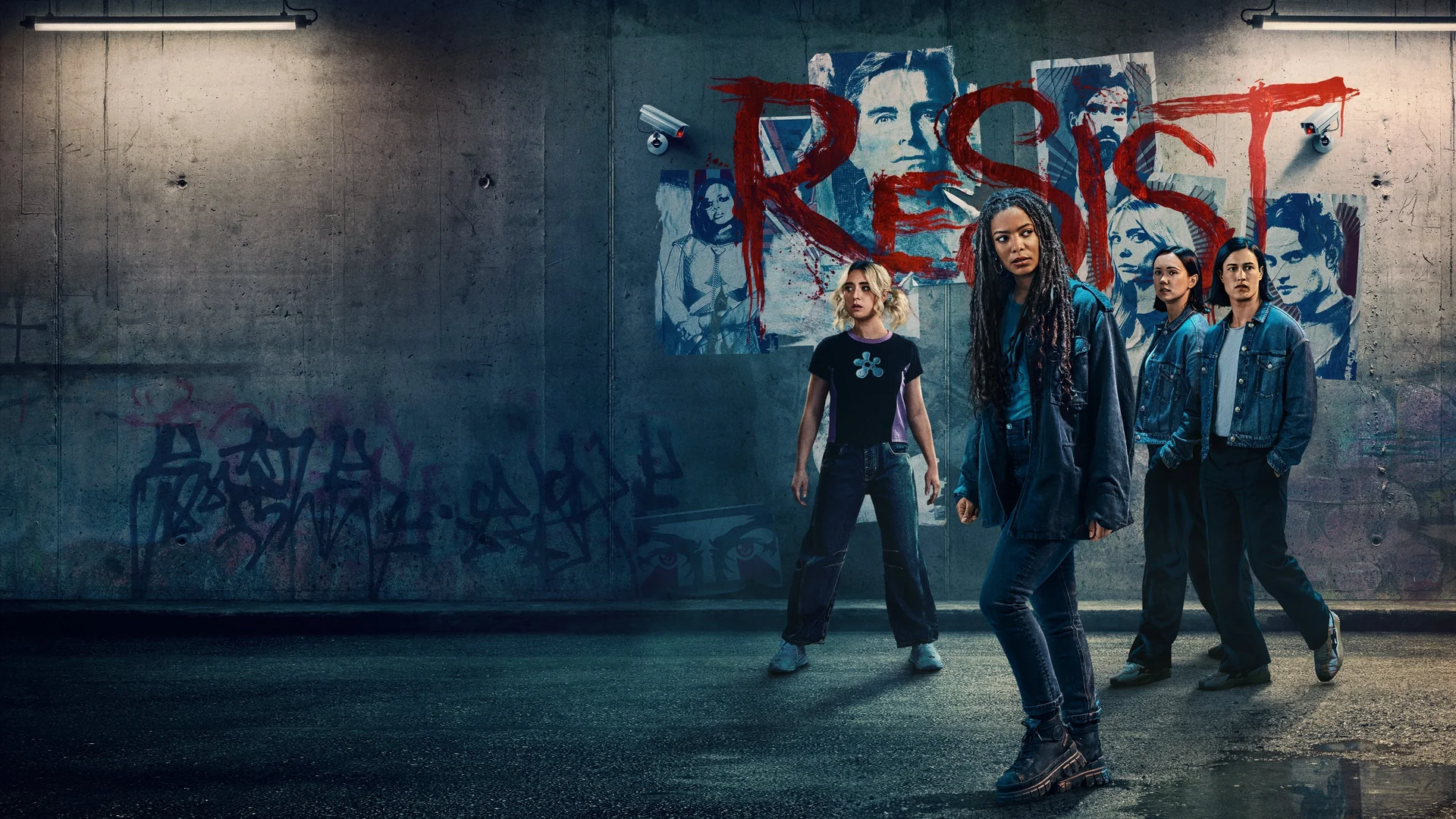
“Power doesn’t corrupt. It reveals.” — Robert Caro
When Gen V landed on our screens in 2023, many of us, myself included, approached it with a healthy dose of skepticism. Could a spin-off truly capture the anarchic spirit and razor-sharp satire of The Boys, or would it simply be more of the same, diluted? The answer, as critics overwhelmingly agreed with a resounding 97% on Rotten Tomatoes, was a resounding, bloody, and surprisingly nuanced yes. Gen V doesn’t just expand Vought International’s universe; it plunges us into its very foundation: the morally bankrupt “God U,” America’s only college for superheroes. Here, gifted students are groomed for fame, fortune, and a potential spot on The Seven, forcing them to put their moral boundaries through a grinder. It’s a show that, despite some minor stumbles in pacing that a few audience members pointed out, manages to be both wildly entertaining and deeply unsettling, revealing the profound philosophical anxieties lurking beneath its visceral exterior.
The Sundered Self: Identity in the Super-Sized Meat Grinder
At its core, Gen V is a brutal coming-of-age story, albeit one doused in blood, corporate cynicism, and existential dread. We follow characters like Marie Moreau, a young hemokinetic with a traumatic past, as they navigate the cutthroat world of Godolkin University. The series quickly establishes that these aren’t your typical hopeful young heroes. They are products, commodities, and, most disturbingly, children inheriting a broken system. The show forces us to confront the formation of identity under extreme, almost unbearable, pressure. Who are you when your gifts are simultaneously your curse and your only path to societal acceptance?
Key themes the series grapples with include:
- Inherited Corruption — The students aren’t just learning to control their powers; they’re learning to exist within Vought’s thoroughly compromised moral framework. Their mentors are often as broken as the system itself.
- The Performance of Self — Social media, public image, and Vought’s constant surveillance mean these young supes are always “on.” Their authentic selves are pushed aside in favor of market-tested personas, leading to deep internal conflicts and mental health struggles.
- Moral Relativism — In a world where heroes are villains and corporations dictate right and wrong, the characters are constantly questioning their own ethical compass. Is there true good, or only varying shades of self-interest?
While the series excels in crafting compelling characters like Andre Anderson, the son of the legendary Polarity, or the enigmatic Cate Dunlap, some early criticisms from viewers noted that the sheer volume of new faces could occasionally make individual character arcs feel rushed in the initial episodes. However, the overarching narrative quickly coalesced, proving that even a sprawling ensemble can find its philosophical footing.
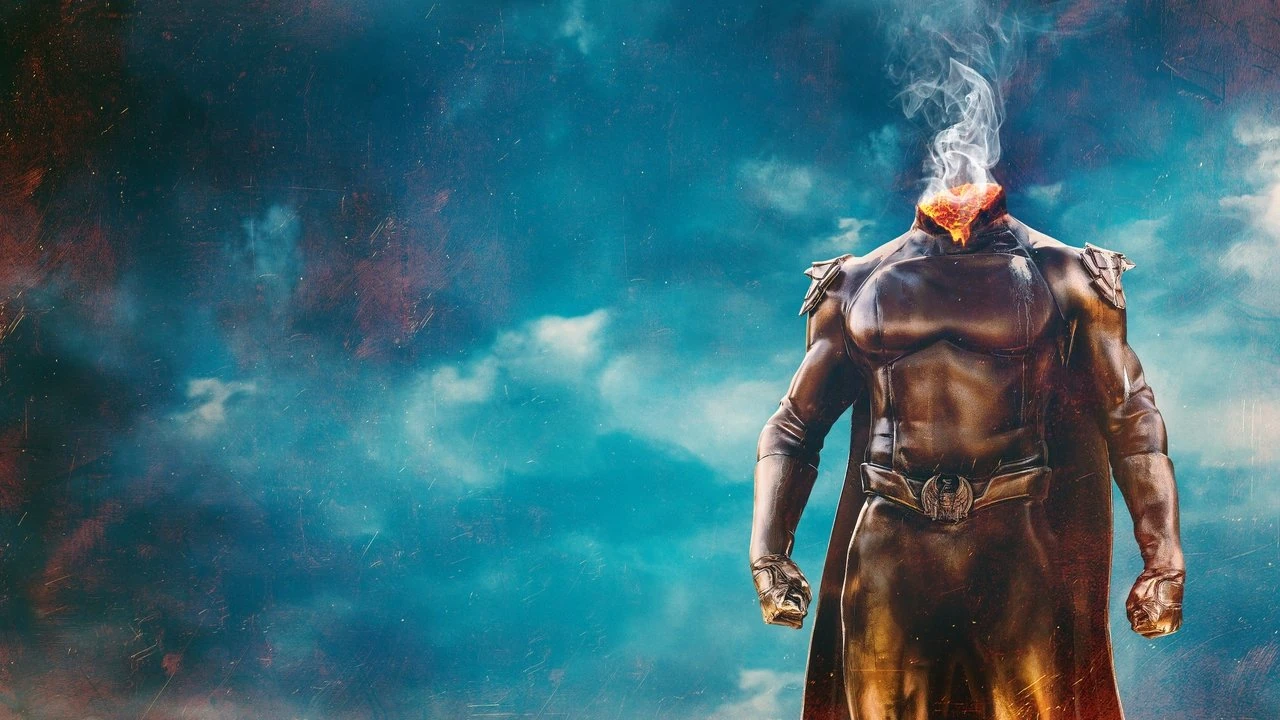 Marie Moreau grappling with the terrifying potential of her own abilities, a visual metaphor for the burden of nascent power.
The Weight of Inheritance: Deconstructing the “Hero” Narrative
Gen V’s brilliance lies in how it dissects the very concept of “heroism” that its parent show, The Boys, so savagely dismantled. Here, at God U, heroism isn’t an innate virtue; it’s a carefully curated brand, a career path, and a ruthless competition. The students are vying for rankings, endorsements, and a chance to join The Seven, a team they know is populated by morally bankrupt narcissists. This isn’t about saving the world; it’s about making a name for yourself within a fundamentally corrupt structure.
The show masterfully illustrates that in a truly cynical world, even the purest intentions can be weaponized, and the search for genuine heroism often leads down the darkest paths.
The series isn’t afraid to get its hands dirty, quite literally. Critics widely praised its unflinching violence and body horror, which serves not just as shock value but as a visceral manifestation of the characters’ internal struggles and the external pressures placed upon them. The “Woods” subplot, a clandestine facility beneath the university, unravels a horrifying conspiracy that echoes real-world unethical experimentation and systemic cover-ups. This element, in particular, showcases the insidious nature of institutional evil and how it preys on the vulnerable, especially those deemed “disposable” for the greater good of a corporate agenda. While a few audience reviews mentioned that the pacing could sometimes feel uneven, particularly in its middle episodes as it juggled several mysteries, the show’s commitment to exploring the truly dark underbelly of power never wavered. The performances, especially from the young ensemble cast including Jaz Sinclair and Lizze Broadway, were lauded for their ability to convey immense emotional depth amidst the chaos, cementing the show’s philosophical weight despite its occasional narrative twists and turns.
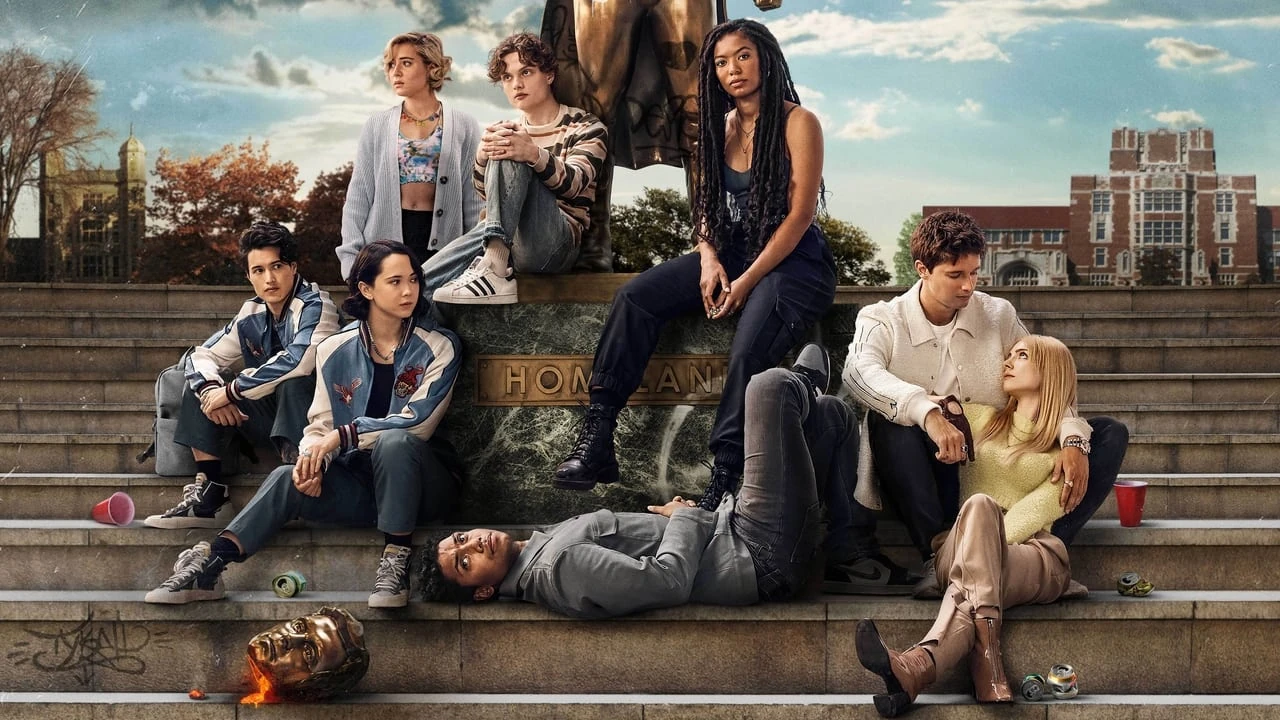 The competitive energy of Godolkin University, where ambition and power clash in a desperate fight for recognition.
Beyond the Gore: The Existential Angst of Super-Youth
What truly elevates Gen V beyond mere superhero satire is its deep dive into existential angst. These young supes are not just powerful; they are profoundly isolated. Their powers make them exceptional, yet also alienate them from ordinary life and often from each other. They grapple with the weight of their potential, the fear of losing control, and the constant threat of being exploited. The show deftly explores themes of agency versus determinism; how much control do these students truly have over their destinies when Vought pulls all the strings, and their very existence is a result of corporate manipulation (Compound V)?
The series asks: What does it mean to be a moral agent when the rules of morality are constantly shifting, dictated by PR firms and profit margins? It posits a world where individual choice feels like an illusion, and the only real power is the ability to resist, or at least recognize, the system that seeks to define you. The search for genuine connection and self-acceptance in such a hostile, performative environment is a poignant struggle throughout the season. The characters’ attempts to forge authentic bonds, to discover what kind of “heroes” they want to become—or if they even want to be heroes at all—propels much of the narrative’s emotional thrust. It’s a compelling, often heartbreaking, exploration of youth caught in a moral maelstrom.
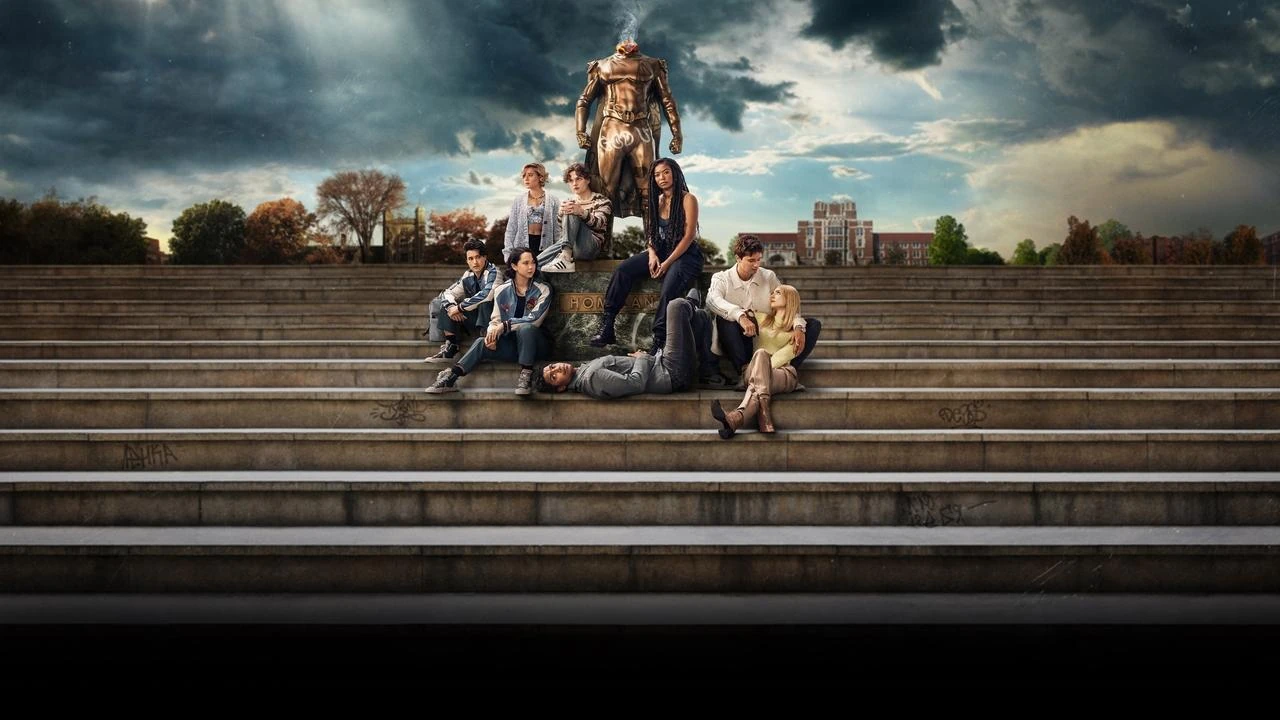 The stark, cold reality of Vought’s influence, extending even to the seemingly innocent world of higher education.
In a world that demands a performance of strength, Gen V reminds us that true power might lie in the painful, bloody act of choosing your own damn story, even if it means tearing down everything you thought you knew.
Gen V isn’t just a bloody good time for fans of The Boys; it’s a thoughtful, if brutal, philosophical inquiry into the nature of power, identity, and morality in a world obsessed with both. It asks what kind of individuals emerge when heroism is commodified and ethical boundaries are non-existent. The series, despite some minor criticisms regarding pacing and occasional shock-value overload, ultimately succeeds in holding up a distorted mirror to our own society’s fascination with fame, power, and the terrifying cost of unchecked ambition. It leaves us pondering: if the line between hero and monster is so easily blurred, what hope do we have for true virtue?
Where to Watch
- Amazon Prime Video
- Amazon Prime Video with Ads
What’s Up? explores the philosophical depths of cinema.