The Genesis of a Spartan: Halo The Fall of Reach and the Moral Cost of Salvation
Exploring the ethical quandaries and existential weight behind Halo The Fall of Reach, an animated origin story of humanity's super-soldiers.
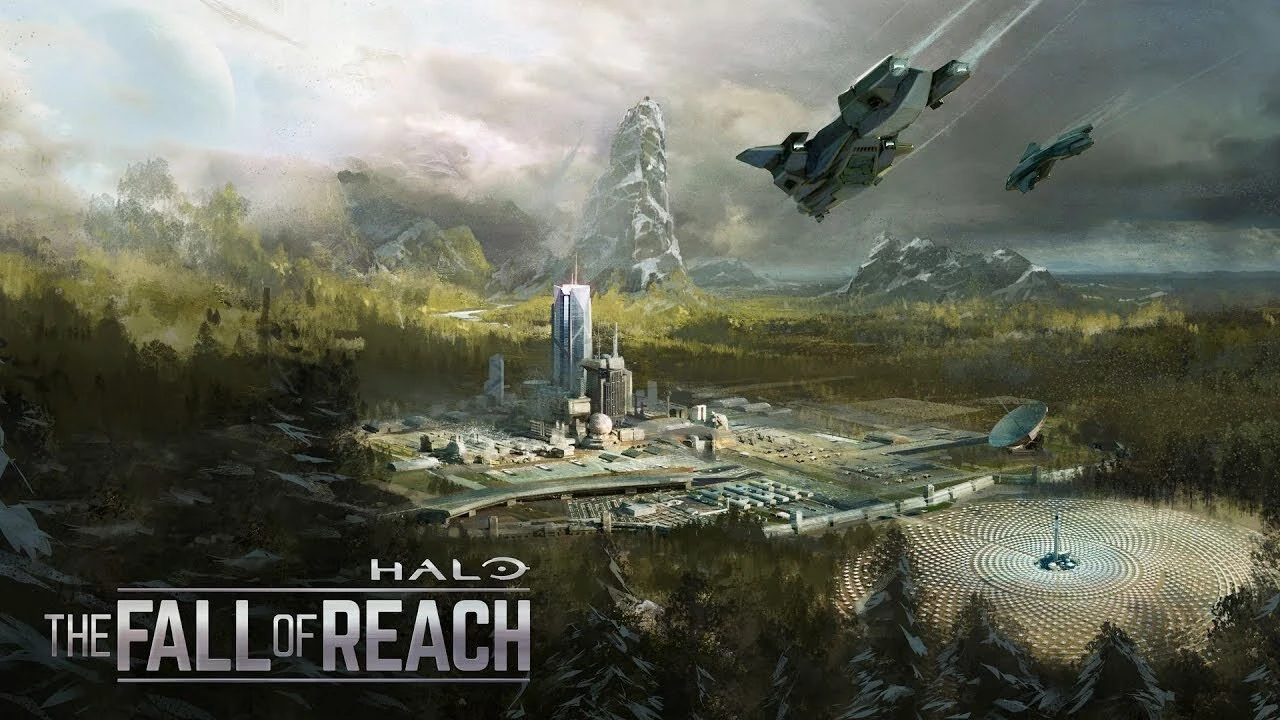
“We are all born with a thirst for meaning, but some are forged for purpose.” — Unknown
When we talk about Halo: The Fall of Reach, released in 2015, we’re not just discussing an animated miniseries; we’re delving into the controversial genesis of one of gaming’s most iconic figures, Master Chief, and the morally grey bedrock upon which humanity’s survival rests. Based on Eric Nylund’s beloved novel, this 64-minute animated experience set out to adapt the brutal origin story of the Spartan-II program. Its reception, as is often the case with adaptations of revered source material, was decidedly mixed. While fans largely appreciated its faithfulness to the lore, the production itself often stumbled, with critics and general audiences frequently citing its low-budget animation and uneven pacing as significant drawbacks. Yet, beneath the visual imperfections and narrative compressions, The Fall of Reach grapples with profoundly uncomfortable questions about sacrifice, identity, and the price of humanity’s salvation.
The Spartan Paradox: Engineering Hope from Desperation
At its core, Halo: The Fall of Reach presents us with a chilling ethical dilemma: is it permissible to commit a great wrong to prevent a greater one? Dr. Catherine Halsey, the brilliant but morally ambiguous architect of the Spartan-II program, kidnaps children, subjects them to brutal training, and augments them into super-soldiers. Her justification? The looming threat of the Covenant, an alien alliance bent on humanity’s destruction. This isn’t just a military strategy; it’s a utilitarian calculus taken to its most extreme and horrifying conclusion.
The series, despite its visual shortcomings—many IMDb user reviews and forum discussions noted the animation often felt stiff or dated for a 2015 release—doesn’t shy away from the brutality of the Spartans’ upbringing. We witness John-117 and his fellow candidates stripped of their childhoods, their individuality slowly eroded in favor of collective purpose. The philosophical weight isn’t in the fluidity of the character models, but in the implications of their existence. These children are genetically modified, surgically enhanced, and psychologically conditioned to become living weapons. They are simultaneously humanity’s greatest hope and its greatest moral stain. This raises questions that echo beyond the sci-fi setting:
- The ethics of transhumanism: At what point does augmentation cross the line into dehumanization?
- Child soldiery: Can the desperate needs of war ever justify the conscription and brutalization of the innocent?
- Sacrifice vs. violation: Where is the boundary between a willing sacrifice for the greater good and a fundamental violation of human rights?
This conflict between desperate necessity and inherent moral repugnance is the series’ most potent philosophical current. Even if the animation doesn’t always convey the emotional depth, the narrative itself forces us to confront this Faustian bargain.
 Childhoods lost, futures forged: the young Spartans confront their harsh reality.
Flesh and Steel: The Dehumanization of Identity
One of the most frequent criticisms leveled at The Fall of Reach was its rushed narrative. Packing a full novel’s worth of intricate character development and world-building into a mere 64 minutes meant that many emotional beats felt underdeveloped. As some audience reactions highlighted, the sheer speed at which critical events unfold—the kidnapping, the augmentation failures, the brutal training—can leave viewers less familiar with the Halo lore feeling disconnected from the gravity of what they’re witnessing. Character arcs, especially for Spartans other than John, often felt truncated, serving more as plot devices than fully realized individuals.
In the crucible of war, the self is not merely challenged, but often consumed, leaving behind only the function for which it was designed.
Despite these narrative compressions, the thematic threads of identity and dehumanization persist. The Spartans are given numbers, not names, and their personalities are molded into unyielding instruments of war. We see flashes of their individual struggles, their attempts to retain some semblance of self amidst the rigorous conditioning. The story, even in its abbreviated form, compels us to consider:
- What does it mean to be human when your humanity is systematically stripped away for a higher purpose?
- Can a person truly retain their free will when their entire existence is engineered for a specific function?
- Is the emotional cost of creating such soldiers ever truly accounted for, or is it simply deemed a necessary casualty?
The series posits that the Spartans, particularly Master Chief, transcend their origins to become symbols of hope. But the path to that transcendence is paved with profound loss—loss of innocence, of choice, and of a conventional human experience. The animation style might not always be sophisticated, but the underlying philosophical questions about the burden of being a weapon are undeniably sophisticated.
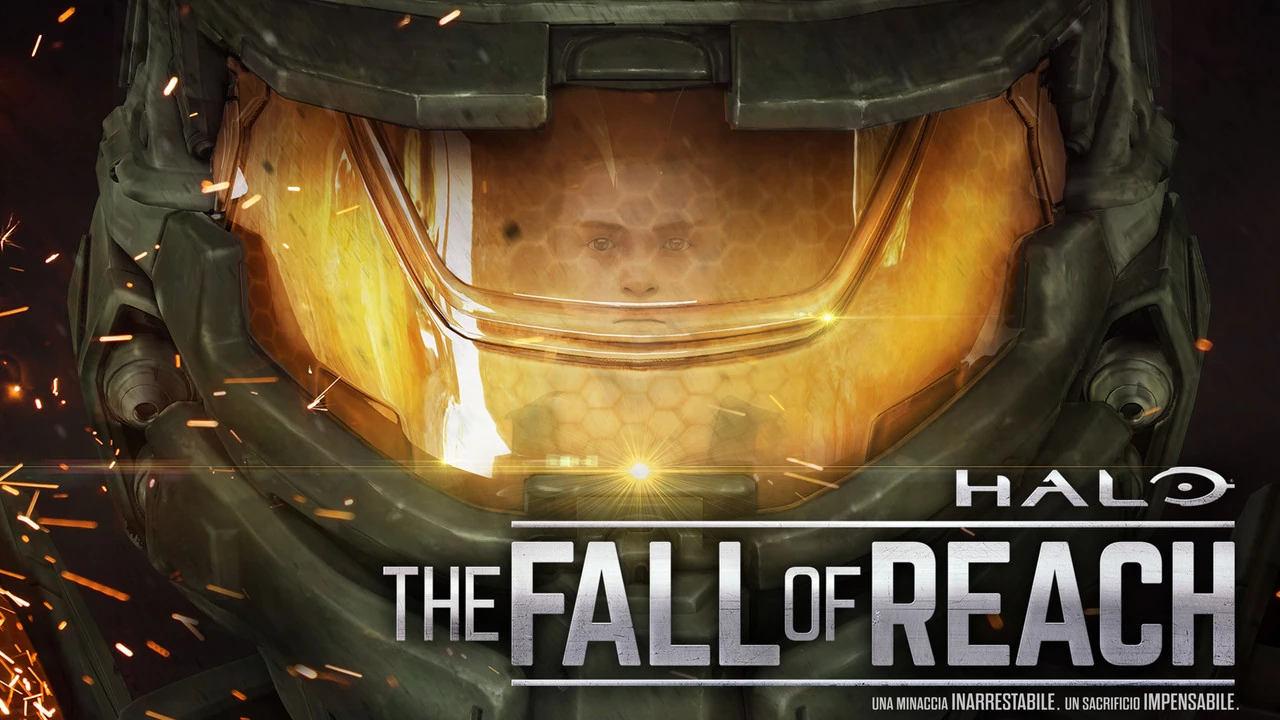 Behind the visor, an engineered being grapples with the weight of humanity’s last hope.
Beyond the Surface: The Existential Weight of a Manufactured Hero
Halo: The Fall of Reach might not be a visual masterpiece, and its critics are right to point out its technical and pacing flaws. However, its value as a philosophical text lies in its unflinching portrayal of the circumstances that necessitated such extreme measures. The looming threat of the Covenant is genuinely existential, pushing humanity to the brink. This context, while perhaps not fully appreciated by casual viewers, underscores the desperation that birthed the Spartans.
The series, even in its raw, unpolished form, is crucial for understanding the existential burden carried by Master Chief. He isn’t merely a hero who rises to the occasion; he is a product of humanity’s darkest hours, a manufactured savior whose very existence is a testament to the moral compromises made for survival. It forces us to ask:
Is humanity truly saved if its salvation comes at the cost of its fundamental ethics, transforming its children into tools of war?
This exploration of a manufactured destiny and the moral ambiguities of heroism is where The Fall of Reach truly shines, regardless of its animation budget. It asks us to look beyond the explosions and alien threats, and to consider the terrifying implications of creating our own gods to fight our wars. It’s a stark reminder that salvation often comes with a steep, often unbearable, price. While the series’ technical execution might make it a difficult watch for some, its philosophical underpinnings remain a vital, if uncomfortable, cornerstone of the Halo universe. It’s a narrative that, despite its flaws, dares to confront the true cost of survival.
“The hardest choices are not between good and evil, but between two goods, or two evils.” — Attributed to various philosophers
Halo: The Fall of Reach holds a curious place in the Halo canon. It’s a flawed gem, a visually challenged adaptation that nevertheless delivers a narrative heavy with ethical quandaries and existential dread. It reminds us that even in our most desperate struggles, the shadows of the choices we make for survival can linger long after the battle is won. What, then, is the true nature of victory when it is built upon such a profound moral compromise?
Where to Watch
- Peacock Premium
- Peacock Premium Plus
What’s Up? explores the philosophical depths of cinema.