The Dragon's Dilemma: Power, Succession, and the Cracks of Dynastic Fate
Exploring House of the Dragon's deep dive into power's corruption, the struggle for succession, and the inevitable fall from grace.
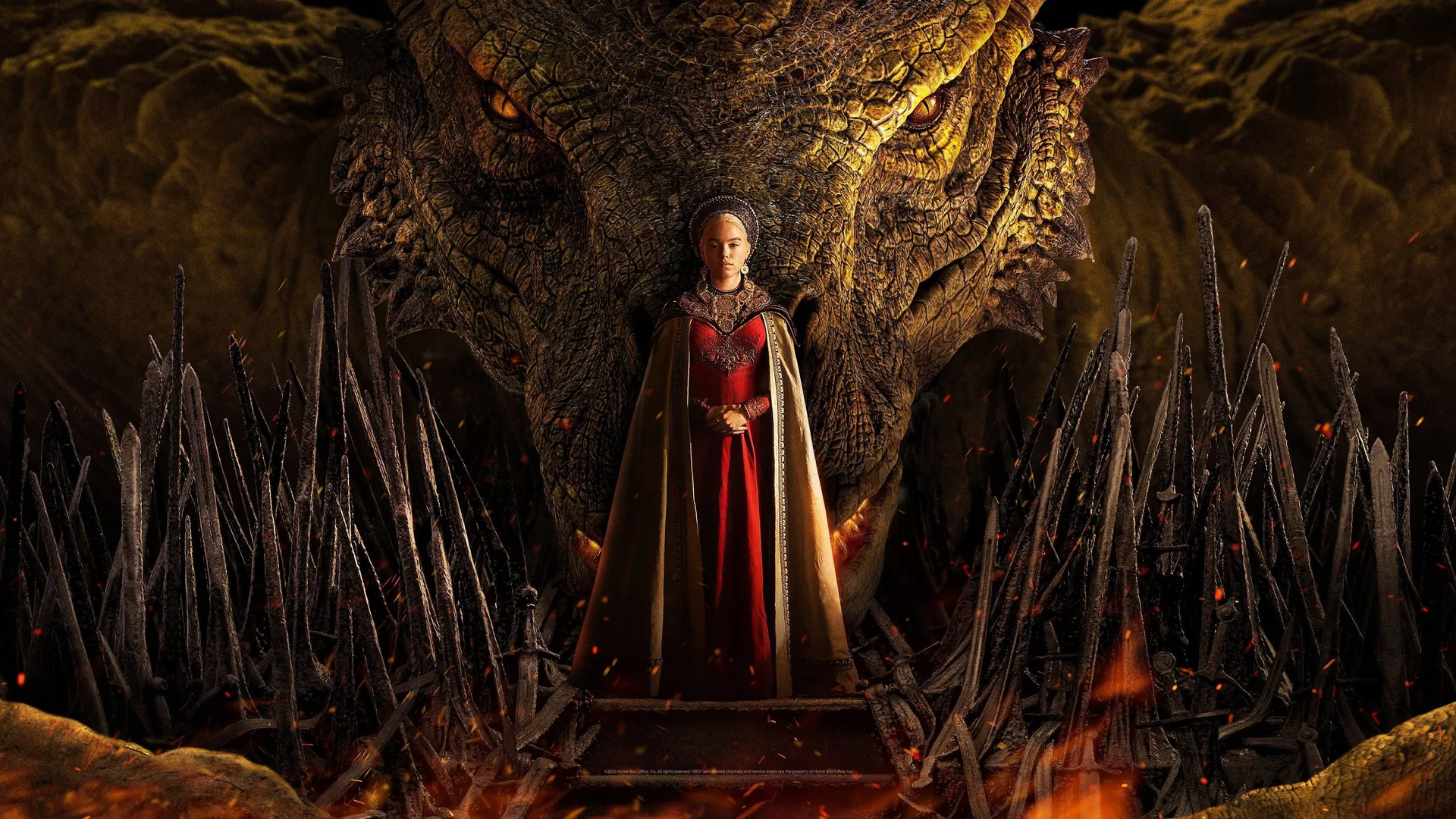
“The Iron Throne is a seat of thorns, and a crown is but a heavy burden. True power lies not in its holding, but in the wisdom to wield it, or the courage to forsake it.” — Adapted from a philosopher on governance
From the ashes of a legendary saga rises House of the Dragon (2022), a series that, far from being a mere prequel, asserts itself as a profound meditation on the nature of power, the fragility of legacy, and the inescapable tragedy of dynastic ambition. It is a cinematic tapestry woven with threads of fire and blood, yes, but beneath the spectacle of dragons and political machinations lies a stark philosophical inquiry into the human condition when burdened by absolute authority and the relentless demands of succession. As the Targaryen empire stands at its zenith, House of the Dragon meticulously charts the subtle tremors that precede a cataclysmic fall, demonstrating how even the most formidable fortresses are undone not by external siege, but by the slow, insidious rot from within.
The Weight of the Crown: Legacy, Legitimacy, and the Serpent in the Garden
At its core, House of the Dragon is an exploration of legitimacy and the mechanics of inheritance. King Viserys I, a man of peace and good intentions, inadvertently sows the seeds of civil war by challenging centuries of tradition. His decision to name his daughter, Rhaenyra, as heir, only to later father a son, Alicent’s firstborn, sets in motion a chain of events that is less about individual malice and more about the systemic pressures of a patriarchal society clashing with a monarch’s personal decree. The series posits that power, once centralized and absolute, becomes an entity with its own gravitational pull, warping human relationships and moral compasses.
Key themes that emerge from this dynastic crucible include:
- The Burden of Inheritance: The crown is not a prize, but a sentence. Every character vying for it, or forced into its shadow, finds their life defined, and often diminished, by its promise or threat.
- The Illusion of Stability: The Targaryen reign, with its formidable dragons, appears unassailable. Yet, the series deftly exposes how internal strife, based on perceived slights and gendered expectations, can erode even the most fearsome authority.
- The Gendered Crown: Rhaenyra’s struggle is a poignant commentary on how societal structures dictate worth and capability, often irrespective of merit. Her claim, though legally sound by her father’s decree, is perpetually undermined by her gender, forcing us to confront the arbitrary nature of tradition and prejudice.
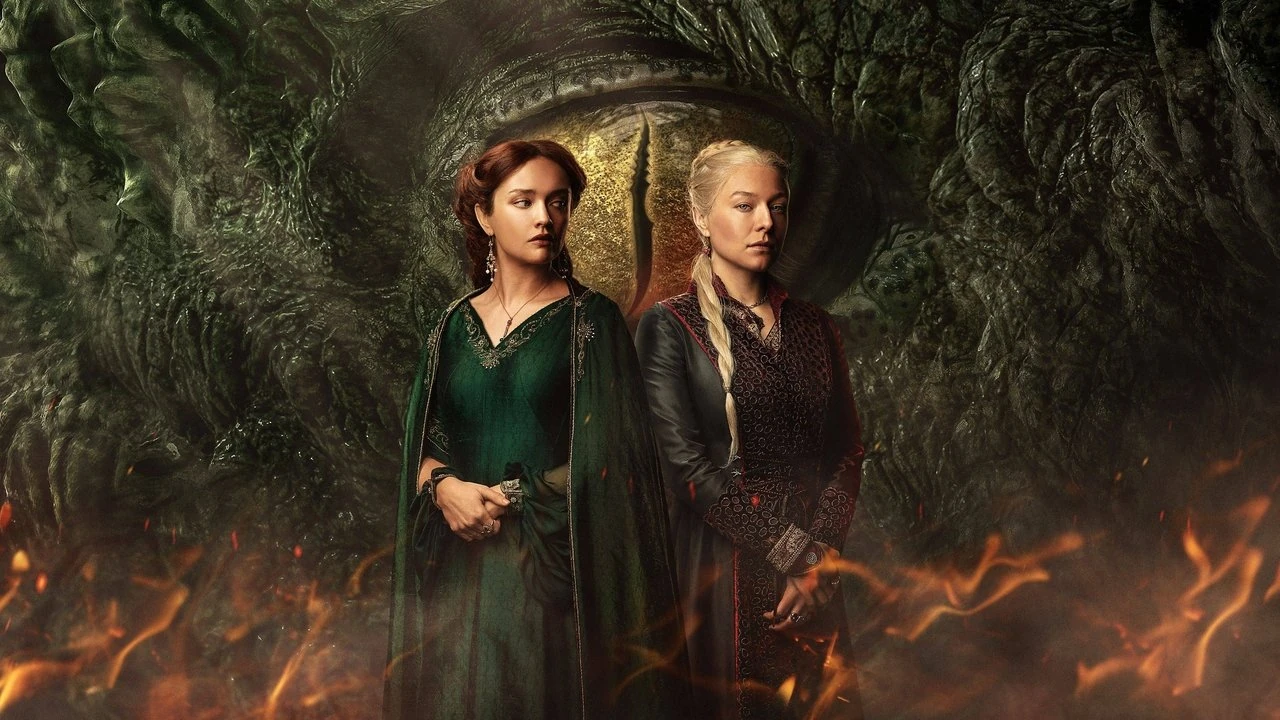 A weighty discussion on succession, where familial love wrestles with political necessity.
Echoes in the Hall: Choice, Identity, and the Forging of Fate
Beyond the grand political theatre, House of the Dragon excels as a profound character study, dissecting the existential choices that define individuals caught in the machinery of empire. Rhaenyra, portrayed with a compelling blend of vulnerability and defiance by Emma D’Arcy, grapples with her identity as both a princess and a woman destined for a role traditionally denied to her. Her journey is a tragic arc of compromises and hardening resolve, as the world around her forces her into an increasingly desperate defense of her birthright.
This is where we discover the true weight of choice — not in the outcome, but in the becoming. Every decision, however small, carves a new facet into the soul, shaping destiny through a thousand subtle erosions.
Similarly, Olivia Cooke’s Alicent Hightower transforms from an innocent confidante into a formidable, religiously zealous queen, her choices driven by a desperate need for security and legitimacy for her own children. Her trajectory is a chilling portrayal of how fear and perceived threats can morph into fervent conviction and ultimately, fanaticism. Matt Smith’s Daemon Targaryen, the rogue prince, embodies a different kind of existential crisis – a restless spirit perpetually seeking purpose and recognition, oscillating between chaotic self-interest and unexpected loyalty. His actions raise questions about the nature of ambition, the allure of power without responsibility, and the search for meaning in a world that seems to deny him his rightful place. Each character’s path is a testament to how external pressures can distort internal morality, forcing individuals to make choices that betray their younger selves and lead to unforeseen consequences.
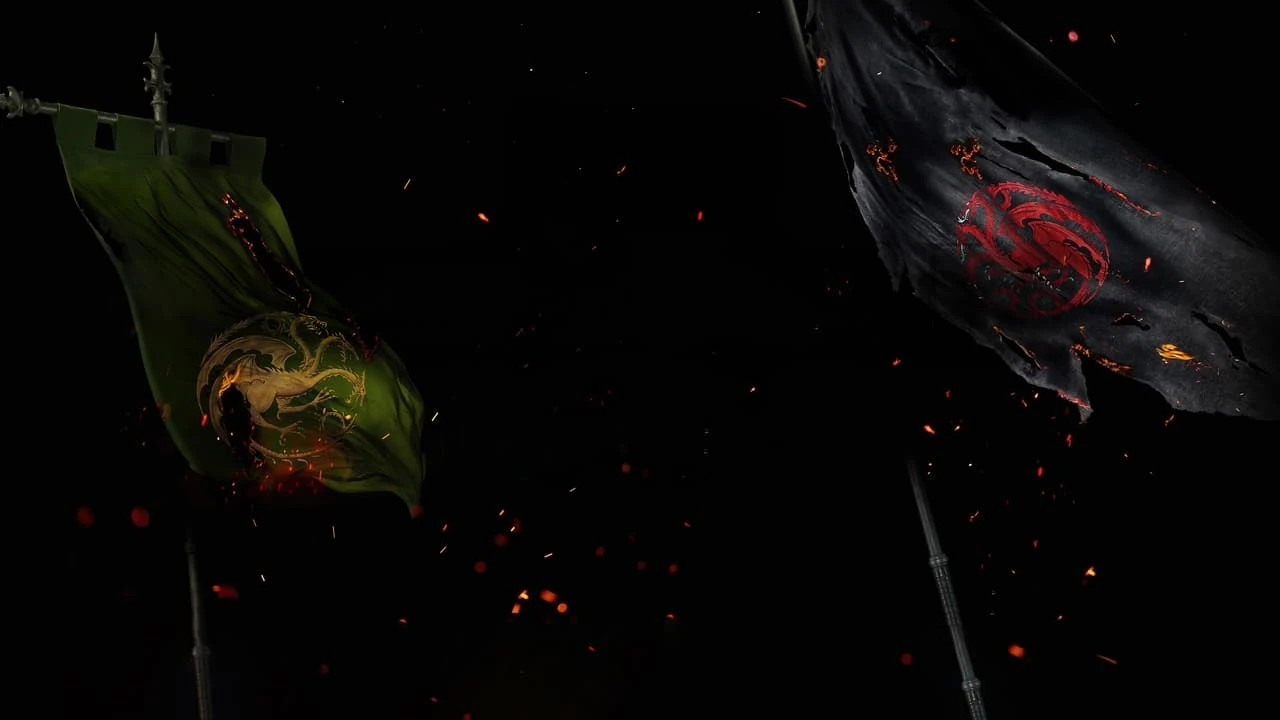 Visual poetry captured in a single frame: Alicent’s regal poise belies the inner turmoil and calculated resolve.
The Dragon’s Shadow: Metaphysics of Destiny and the Cyclical Fall
The true philosophical depth of House of the Dragon lies in its engagement with metaphysical questions about destiny and the cyclical nature of history. The Targaryens, with their mythic beasts, seem to defy the natural order, yet their story is one of an inevitable decline. The series hints at the prophetic dreams of Aegon the Conqueror, suggesting a larger, predetermined narrative at play – a “Song of Ice and Fire” that transcends individual will. This introduces an existential dread: are these characters merely pawns in a cosmic game, destined to repeat the same mistakes of hubris and division?
The dragons themselves are not just weapons; they are symbols of unbridled power, magnificent and terrifying. Their gradual involvement in the human conflicts mirrors the escalating stakes, becoming both catalysts and victims of the ensuing chaos. The show subtly suggests that such immense power, whether held by dragons or monarchs, is ultimately unsustainable, leading to its own self-destruction. The fall of the Targaryens is not just a political event; it’s a metaphysical tragedy, a testament to the idea that even the most glorious empires are subject to the same laws of entropy and decay that govern all existence. It asks us to consider if free will truly exists when the currents of history and prophecy seem so strong, or if we are merely enacting predetermined roles in a grand, melancholic play.
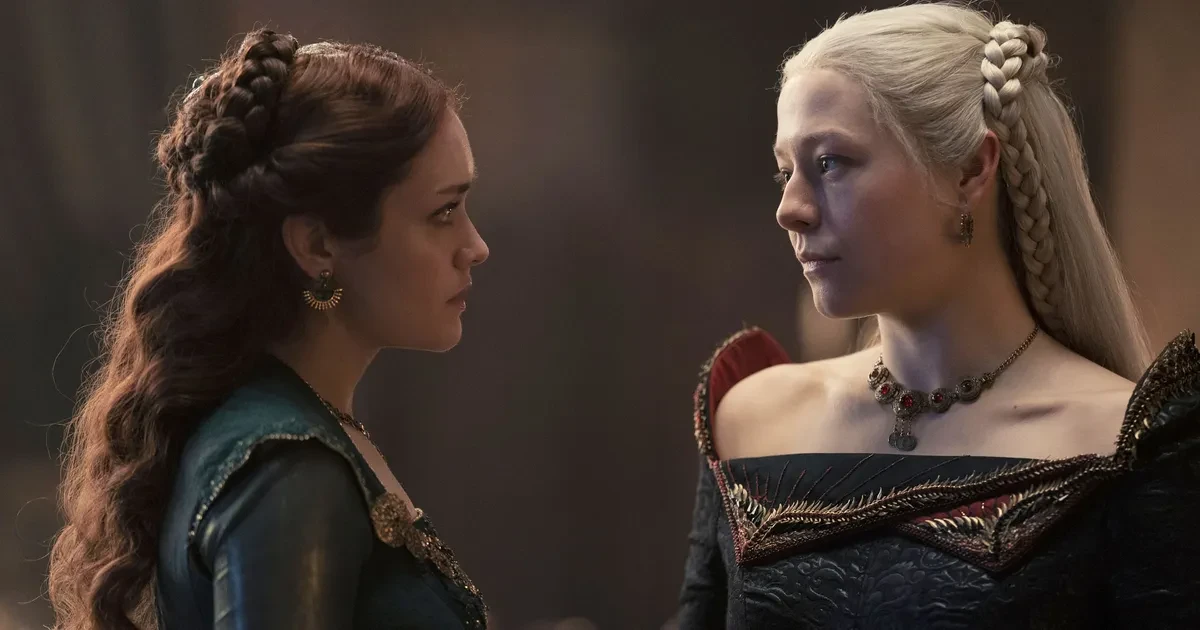 The imagery speaks what words cannot express: The weight of a crown, the determination of an heir, and the shadow of a coming storm.
The grand tapestries of history often reveal not progress, but an endless spiral – where the heights of power invariably precede the deepest falls, and the lessons of the past remain tragically unlearned.
House of the Dragon offers more than just escapist fantasy; it holds up a chilling mirror to our own enduring fascinations with power, lineage, and the perpetual human struggle against the forces of fate and self-destruction. It reminds us that even with absolute power and mythical beasts at our command, the most profound battles are fought within the halls of our own hearts, and the greatest empires are often brought to ruin by the smallest cracks in their foundations. What does it mean to inherit a world, only to dismantle it with your own hands?
Where to Watch
- HBO Max
- HBO Max Amazon Channel
What’s Up? explores the philosophical depths of cinema.