The Unbearable Weight of What Cannot Be Undone: Irreversible's Brutal Philosophy of Time
Gaspar Noé's Irreversible is a controversial cinematic experience that forces us to confront time, vengeance, and the darkest corners of human nature. A philosophical dive.
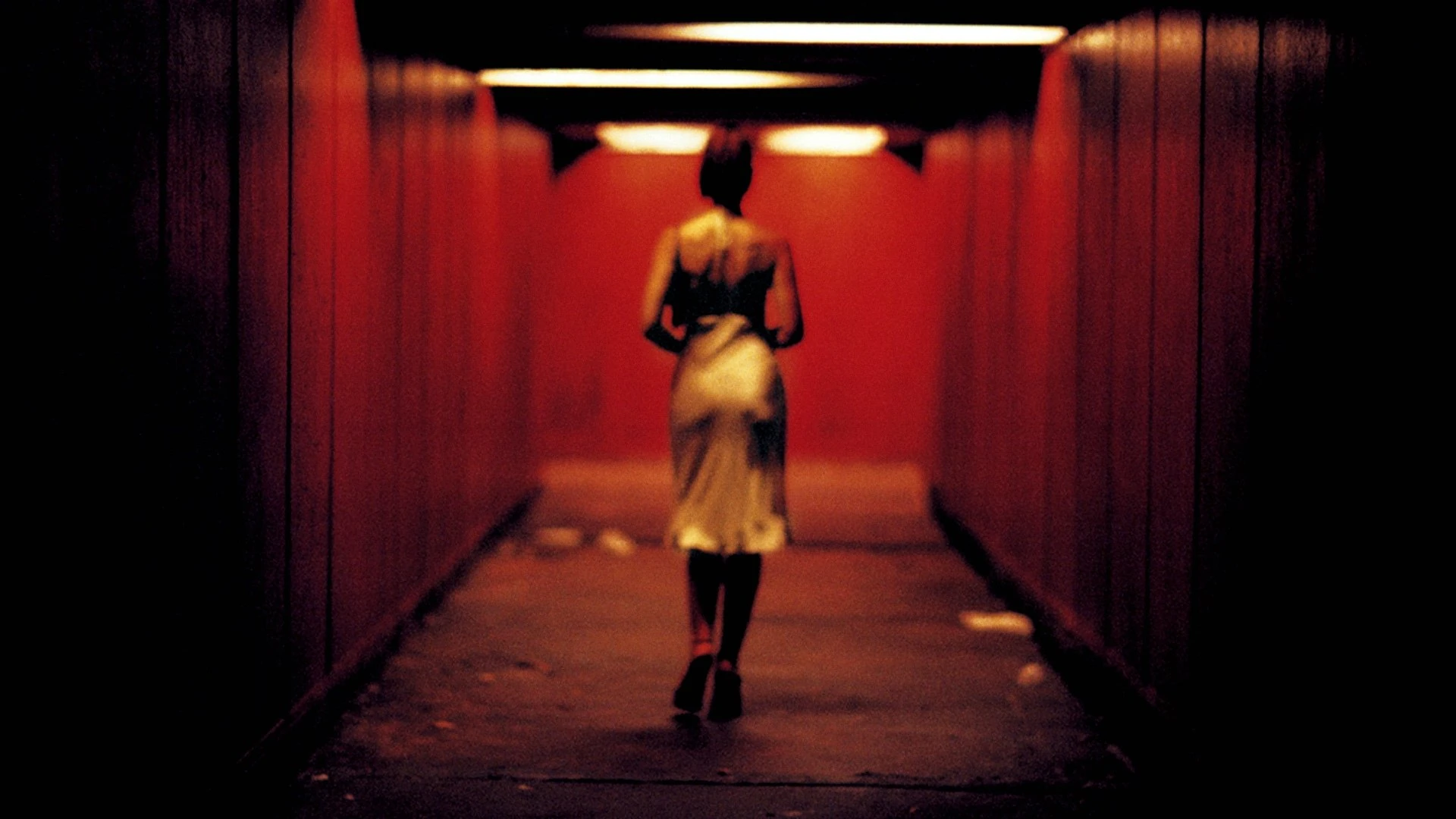
“Time destroys everything.” — Gaspar Noé
There are films you watch, and then there are films you endure. Gaspar Noé’s Irreversible (2002) falls squarely into the latter category, a cinematic experience so viscerally potent, so deliberately uncomfortable, that it leaves an indelible mark – whether you want it to or not. From its dizzying, disorienting opening to its famously brutal and controversial sequences, this French crime drama isn’t just a movie; it’s a gauntlet thrown, a philosophical provocation dressed in shocking violence. Critics were famously divided, with its Rotten Tomatoes score hovering around 58% and Metacritic at 57/100, reflecting a mix of awe for its technical audacity and revulsion for its content. Audiences, too, remain fiercely polarized, some hailing it as a masterpiece of form and philosophy, others condemning it as exploitative shock cinema. Yet, for all its undeniable flaws and deliberate unpleasantness, Irreversible forces us to confront some of the most profound and uncomfortable truths about human nature, time, and the illusion of control.
The Relentless March Backward (and Forward)
Noé’s most audacious formal choice, and arguably the film’s central philosophical conceit, is its reverse chronological structure. We begin with the chaotic, brutal aftermath—the vengeance—and slowly, agonizingly, move backward in time to the moments preceding the inciting tragedy, culminating in a serene, almost idyllic scene. This isn’t just a stylistic flourish; it’s the very heart of the film’s philosophical inquiry into causality, fate, and the irrevocability of action. Many critics found this structure gimmicky, arguing it was a cheap way to amplify shock or obscure narrative weakness. And honestly, it can feel that way, especially in the film’s more deliberately nauseating early sequences.
But consider what this reversal does: it strips away the moral clarity often afforded by linear narrative. By showing us the consequence before the cause, the brutal retribution before the horrific crime, Noé forces us to look at each event in isolation, untainted by the justification or emotional build-up that would typically precede it. The violence of the vengeance, when viewed first, is raw and indefensible. Only later, when we witness the horrific act that prompted it, do we begin to grapple with the complex, disturbing impulses that drive human beings to such extremes. It’s a cruel exercise in empathy, or perhaps, anti-empathy, designed to dismantle our preconceived notions of justice and retribution.
Key themes embedded in this structure:
- The Tyranny of the Past: The film’s title, Irréversible, hammers this home. Once an act is committed, it cannot be undone. Time is a one-way street, and Noé’s narrative only serves to highlight the futility of wishing otherwise.
- The Illusion of Control: As we move backward, we see moments where different choices could have been made, small deviations that might have altered destiny. Yet, we know the grim conclusion, underscoring a bleak sense of determinism.
- The Nature of Vengeance: Is it a natural impulse, a form of primal justice, or a perpetuation of suffering? The film doesn’t offer easy answers, presenting vengeance as both understandable and horrifying.
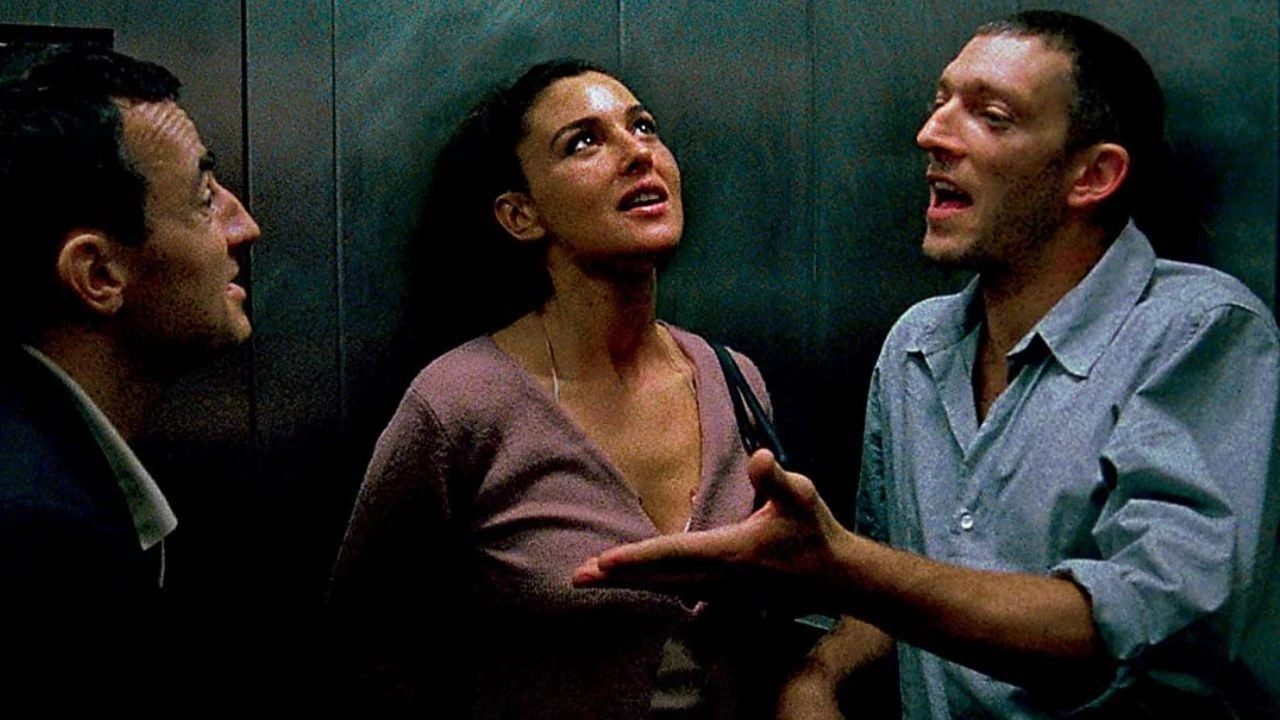
 Monica Bellucci and Vincent Cassel, captured in a fleeting moment of intimacy before chaos descends.
The Abyss Stares Back – Violence, Art, and the Human Animal
No discussion of Irreversible can shy away from its extreme violence. The film features an unsparing, nearly ten-minute-long rape scene and a brutal head-smashing sequence that caused walkouts and literal fainting spells at its Cannes premiere. This is where the film’s divisive nature truly crystallizes. Accusations of gratuitousness, exploitation, and misogyny were rampant. Many viewers, and critics, felt these scenes were indefensible, existing purely for shock value. And it’s difficult to argue against the immediate, visceral repulsion these scenes elicit. Noé doesn’t just show violence; he immerses you in its horror, using disorienting camera work, throbbing sound design, and unflinching duration.
However, to dismiss it entirely as mere shock value would be to miss a critical, albeit uncomfortable, part of Noé’s philosophical statement. He forces us into a direct confrontation with the raw, untamed aspects of the human animal. The film peels back the thin veneer of civilization to reveal the brutal impulses lurking beneath. It asks: what happens when that veneer shatters? What does “justice” mean in a world where such horrors occur, and what dark urges does it unleash in those who seek it?
The film challenges us to distinguish between cinematic representation and endorsement. Is Irreversible celebrating violence, or is it holding up a brutally honest mirror to its existence and consequences, however ugly that reflection might be?
The performances, particularly from Monica Bellucci and Vincent Cassel, often cited as a redeeming quality even by the film’s detractors, lend a harrowing authenticity to the proceedings. Bellucci’s portrayal of Alex, especially in the moments before and during the attack, is heartbreakingly vulnerable, making the ensuing violence even more devastating. Cassel and Albert Dupontel, as the avengers, embody a rage that feels both terrifyingly primal and tragically futile. They are not heroes; they are men consumed by an unholy grief and fury.
 A fragmented, disorienting shot, reflecting the shattered reality of the characters.
A Bleak Mirror to Existence
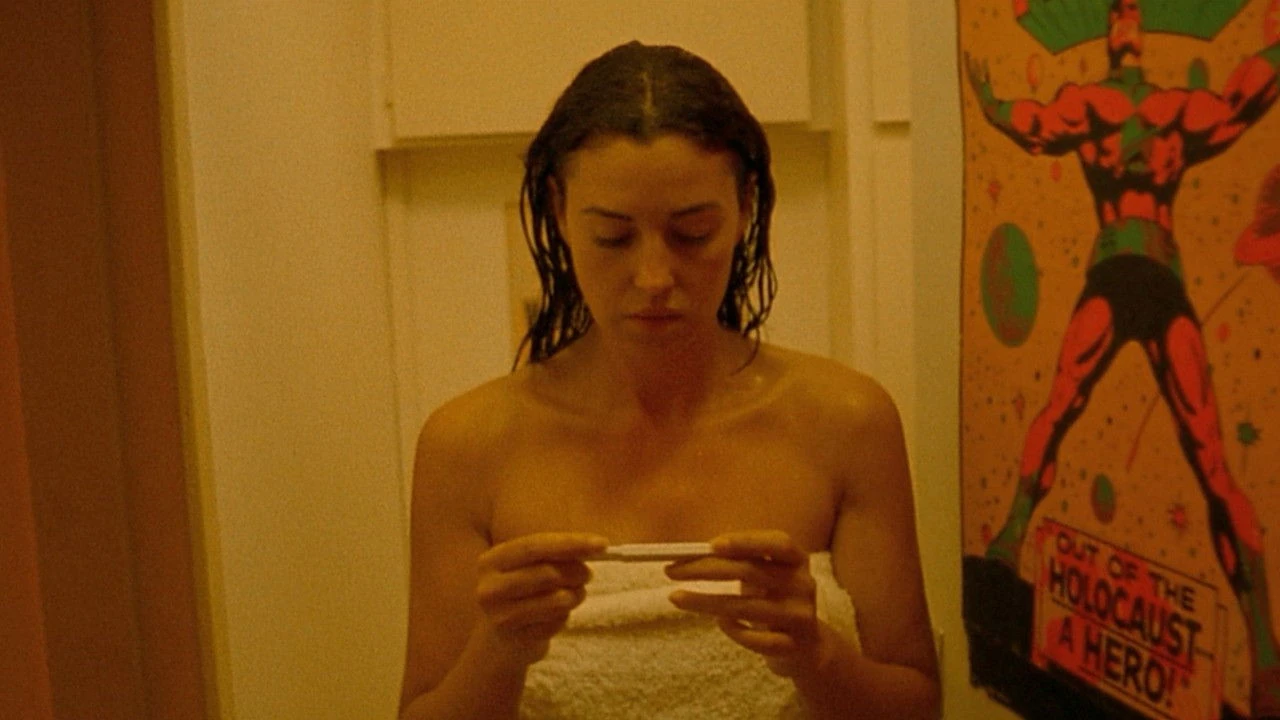
Beneath the explicit violence and structural experimentation, Irreversible grapples with profound existential questions. Noé’s frequently quoted maxim, “Le temps détruit tout” (Time destroys everything), isn’t just a tagline; it’s the film’s desolate thesis. The film presents a universe devoid of inherent meaning or justice, where happiness is fleeting, and suffering can erupt randomly, irrevocably altering lives. The serene, almost paradisiacal ending, showing Alex pregnant and joyful, is not a relief but a crushing irony. We know what awaits her, what bliss will be brutally shattered.
This pervasive sense of nihilism is potent. There’s no redemption, no moral lesson to be neatly packaged. Instead, we’re left with the unsettling realization that order is fragile, chaos is always lurking, and the future, however bright it may appear, is always subject to the unpredictable, cruel whims of fate. The film forces us to consider:
- The Fragility of Happiness: How quickly joy can be obliterated by an act of random cruelty.
- The Weight of Memory: The reverse chronology paradoxically makes the past more haunting, knowing the inevitable trajectory.
- The Absurdity of Suffering: The film offers no solace or grand explanation for why bad things happen to good people; it simply presents them in their stark, unforgiving reality.
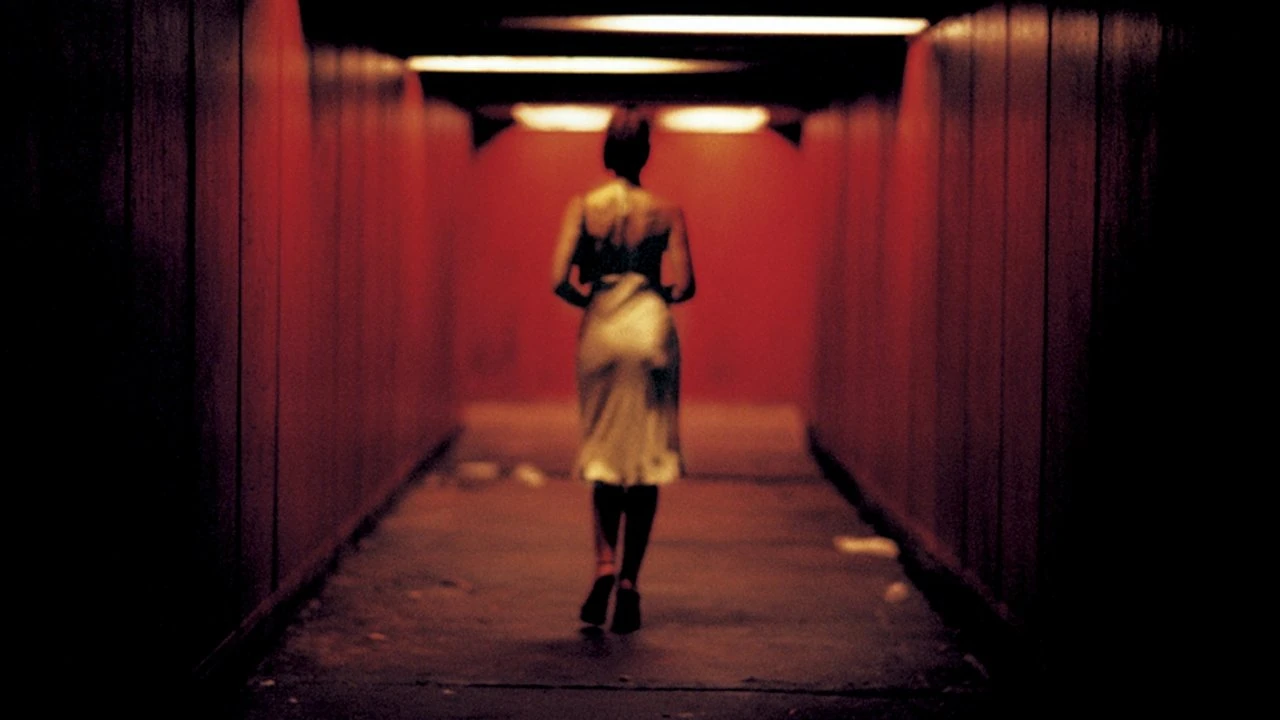
 The tunnel, a symbol of descent into darkness and the point of no return.
“For all its technical brilliance and philosophical ambition, Irreversible is a film that will alienate as many as it captivates. It’s an experience that leaves you drained, questioning not just the characters’ choices, but the very nature of human existence and the price of seeking artistic truth in the darkest corners of reality.”
Irreversible is not a film that entertains in the traditional sense; it assaults, it provokes, it disturbs. It demands a high price of its viewer, both emotionally and psychologically. Its weaknesses – the perceived gratuitousness, the occasional sense of formalistic overreach – are undeniably present and frequently cited by its many detractors. Yet, precisely because of its willingness to go to such extreme lengths, to force us into such an uncomfortable proximity with the ugliness of human action and reaction, it earns its place as a significant, albeit controversial, work of philosophical cinema. It asks us to look, to feel, and to grapple with the uncomfortable truth that some acts, once committed, simply cannot be undone, and that time, in its relentless march, truly does destroy everything. What, then, is left for us to cling to?
Where to Watch
- MUBI
What’s Up? explores the philosophical depths of cinema.