Joker: Folie à Deux – When Madness Finds Its Melody
Exploring the anticipated shared delusion of Arthur Fleck and Harley Quinn in Joker: Folie à Deux, and what its musicality says about reality and connection.
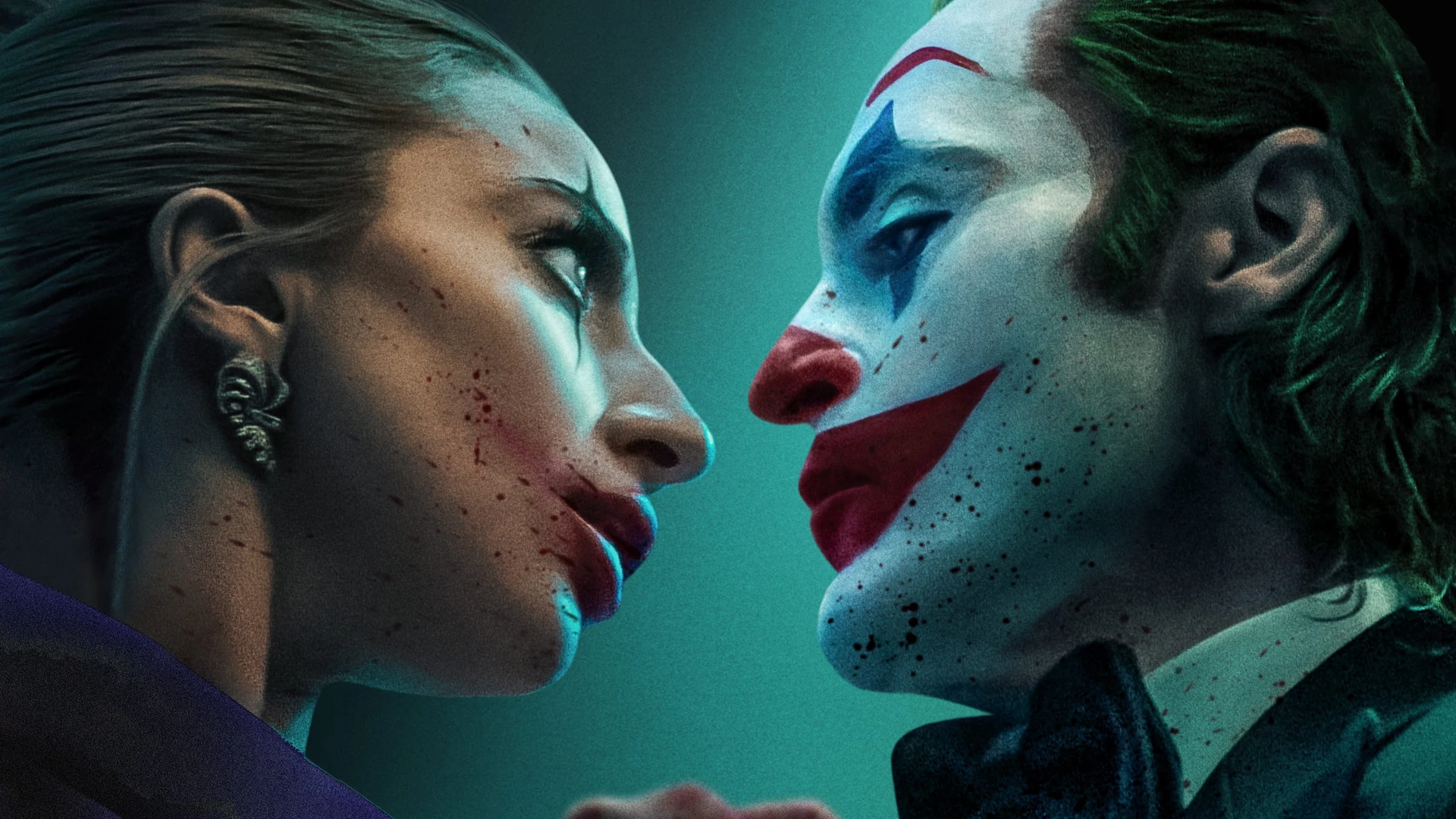
“Madness is to think of too many things in succession too fast, or of one thing exclusively.” — Voltaire
Todd Phillips’ Joker (2019) landed like a psychological hand grenade, polarizing audiences and critics alike while scooping up Oscars. It burrowed deep into the cultural consciousness, a bleak, unflinching character study of a man pushed to the edge. Now, we’re bracing for Joker: Folie à Deux, a sequel that dares to pivot into the musical genre, adding Lady Gaga’s Harley Quinn into Arthur Fleck’s fractured world. This audacious shift, even before its release, has ignited fervent debate. Will it be a stroke of visionary genius, or a misstep that dilutes the raw power of the original? While the film hasn’t graced screens yet, the mere concept of a musical thriller about shared madness invites a fascinating pre-emptive philosophical dive. It’s a gamble, for sure, and one that promises to challenge our perceptions of reality, love, and the very nature of storytelling itself.
The Symphony of Shared Delusion
The title itself, Folie à Deux, speaks volumes. It’s a clinical term for a shared psychotic disorder, where delusional beliefs are transmitted from one person to another. This isn’t just about Arthur anymore; it’s about a duet of despair, a synchronicity of psychosis. The introduction of Lady Gaga’s Harley Quinn isn’t just a casting coup; it’s a profound narrative choice that immediately reframes Arthur’s isolation. No longer is he a lone wolf howling at the indifferent moon; he’s found someone to howl with, someone to share his distorted reality.
This shared madness, particularly within a musical framework, raises compelling questions about the subjectivity of truth. If Arthur and Harley are both inhabiting a delusional space, are their experiences any less “real” to them? The musical numbers, we can surmise, won’t be grounded reality but rather extensions of their internal landscapes, shimmering fantasies that offer escape from the harshness of Arkham Asylum or Gotham’s grimy streets. This isn’t just about escapism; it’s about the creation of a personal mythology, a narrative they craft together to make sense of a world that makes no sense to them. The songs become their shared language, their mutual confession, their collective dream.
Key themes we anticipate exploring:
- Shared Madness — The profound implications of two souls intertwining in delusion.
- Reality vs. Perception — How internal worlds can eclipse and redefine external truths.
- The Performance of Self — Is Arthur’s “Joker” persona a performance for others, or a performance for himself, now amplified by Harley?
- Love as Delusion — Can love itself be a form of folie à deux, a mutually agreed-upon fantasy that makes life bearable?
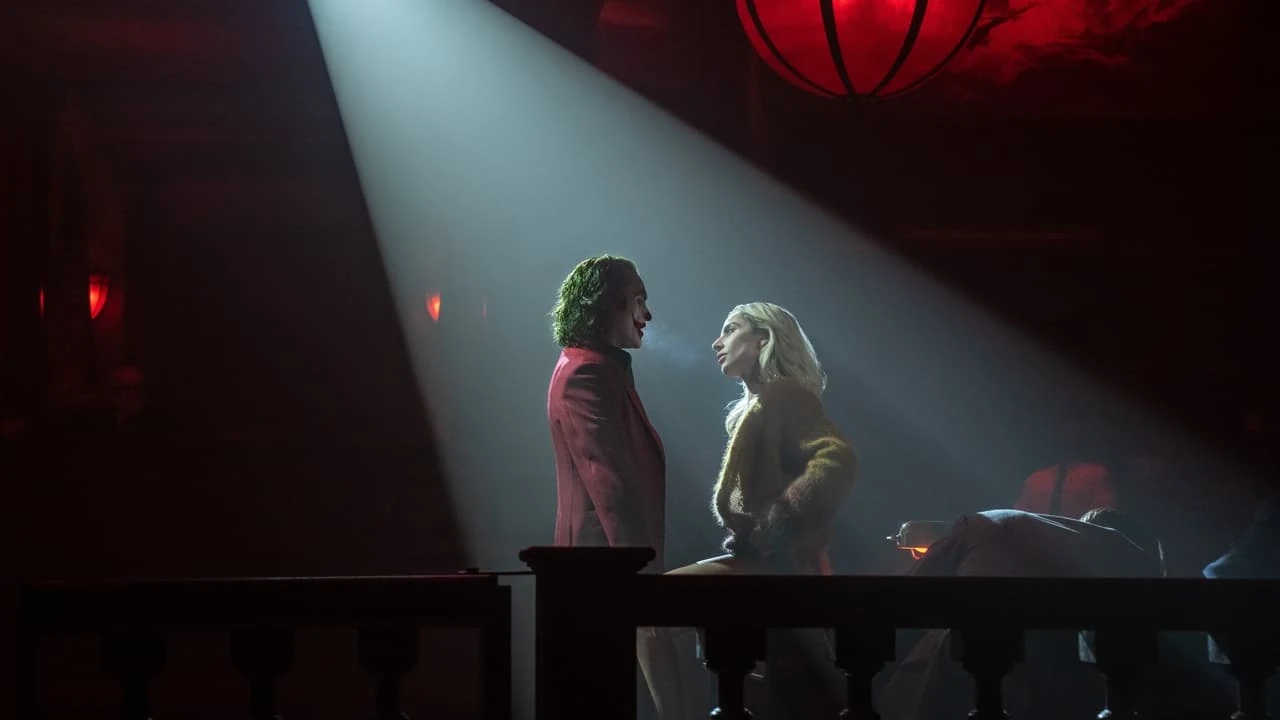 A dance of shadows and light, perhaps a glimpse into a shared hallucination or a desperate plea for connection.
When Reality Sings a Discordant Tune
The genre leap to a musical is the most discussed aspect of Joker: Folie à Deux, and it’s a decision that critics are likely to grapple with intensely. The original Joker was celebrated for its gritty, grounded (albeit stylized) realism, its raw portrayal of mental health struggles and societal neglect. Injecting musical numbers could be seen as a bold, Brechtian move, pushing the audience further into the characters’ fractured psyches. Or, some might argue, it could undermine the film’s dramatic weight, making it feel less impactful or, worse, campy.
Early whispers and reactions to promotional material suggest a visually stunning, operatic experience, but the challenge lies in its execution. The pacing of a musical, particularly one rooted in psychological thriller territory, can be notoriously difficult. Will the songs feel organic to the characters’ journeys, revealing deeper truths and propelling the narrative forward, or will they feel like interruptions, breaking the tension that Todd Phillips so masterfully built in the first film? We anticipate that critics will be divided—some hailing its innovative courage, others questioning its narrative cohesion and tone.
A critical inquiry here is whether the music elevates the characters’ internal struggles into a universal language of despair, or if it merely provides a colorful, albeit distracting, veneer to their suffering.
Joaquin Phoenix’s performance as Arthur Fleck is almost universally praised, and his return is highly anticipated. Lady Gaga, a vocal powerhouse and accomplished actress, seems tailor-made for a musical interpretation of Harley Quinn. Their chemistry, whether unsettling or tender, will be paramount. However, the film’s weaknesses, if they emerge, might lie in the narrative bridge between the stark realism of the first film and the surreal musicality of the second. The tightrope walk between genuine psychological insight and theatrical spectacle is a perilous one, and it’s where Folie à Deux will either soar or stumble.
 The weight of the world, or perhaps the beauty of a shared dream, reflected in a single, intense gaze.
The Existential Echoes of a Duet
Beyond the genre debate, Joker: Folie à Deux promises to delve into even deeper existential questions. The original film explored themes of isolation, neglect, and the birth of a monstrous identity. With Harley Quinn, Arthur finds a mirror, a partner in chaos. This isn’t just about villain origin stories anymore; it’s about the existential yearning for connection, however twisted. In a world that cast them out, they find solace, understanding, and even love in each other’s madness.
This twisted romance forces us to consider the very nature of love itself. Is it a connection of two healthy minds, or can it be a shared pathology that offers meaning where none existed before? For Arthur and Harley, their folie à deux might not be a symptom of brokenness, but rather a solution – a way to construct a livable reality, however illusory, in a world that deemed them unlovable. They create their own universe, governed by their own rules, soundtracked by their own internal melodies. This is a profound statement on agency, even if that agency is built on delusion. The film dares to ask: if reality is subjective, and if society is inherently unjust, why not choose your own truth, especially if it brings you companionship?
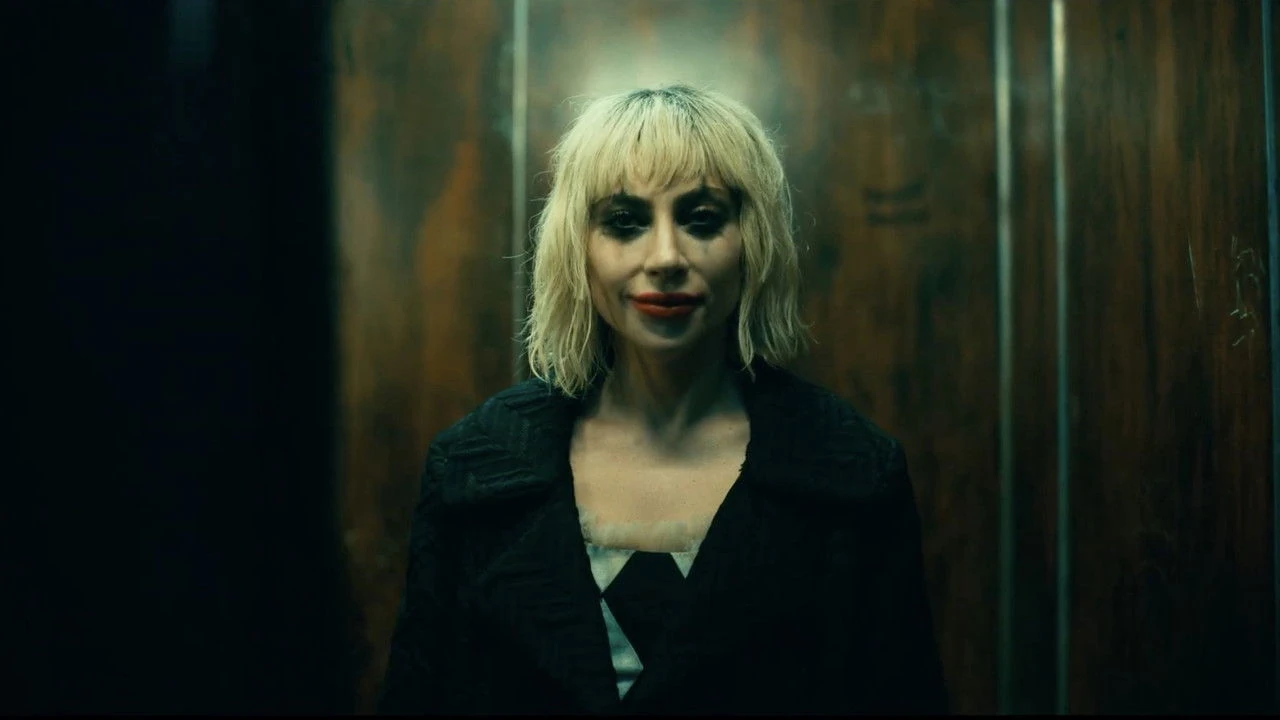 A stark visual metaphor for entrapment, yet within the confinement, a potential for defiant self-expression emerges.
“The line between sanity and madness is a very fine one, and often, it’s just a matter of perspective or who’s holding the keys to the asylum.”
Joker: Folie à Deux is poised to be one of the most talked-about films of the year, likely praised for its bold artistry and performances, yet also critiqued for its daring genre shift and potentially divisive narrative choices. It may not achieve the same raw, visceral impact of its predecessor for every viewer, but it will undoubtedly provoke discussion. It forces us to confront uncomfortable truths about mental health, societal alienation, and the desperate human need for connection, even if that connection is forged in the fires of shared delusion. What does it say about our own reality when we find ourselves drawn to the beautiful, terrifying symphony of someone else’s madness?
Where to Watch
- HBO Max
- HBO Max Amazon Channel
What’s Up? explores the philosophical depths of cinema.