Kaala Paani: The Island, The Infection, and Our Inescapable Selves
Exploring Kaala Paani's deep dive into human nature under quarantine, ethical dilemmas, and survival in the face of an unknown disease.
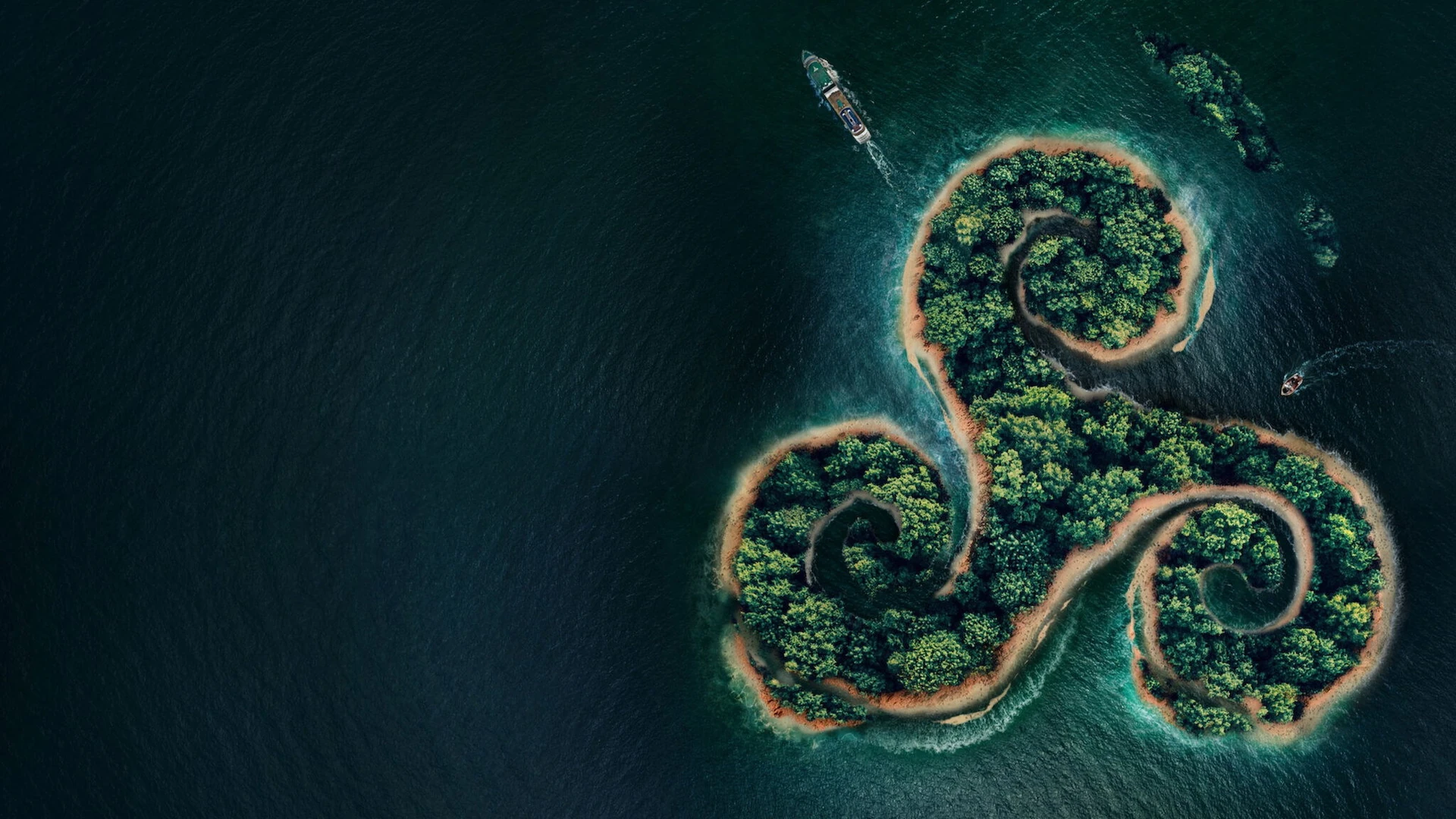
“Man is condemned to be free; because once thrown into the world, he is responsible for everything he does.” — Jean-Paul Sartre
Netflix’s Kaala Paani (2023) washes ashore with a premise that feels chillingly plucked from our recent past, yet pushes it into a speculative near future. Set against the breathtaking, yet increasingly menacing, backdrop of the Andaman and Nicobar Islands, this Hindi-language thriller plunges us into a terrifying scenario: a mysterious disease engulfs the archipelago, leading to a swift, brutal quarantine that cuts off the islanders from the rest of the world. It’s a survival drama, yes, but beneath the surface of medical mystery and desperate escape lies a potent philosophical dissection of humanity under extreme duress. While the series garnered generally positive reviews for its gripping concept and performances, some critics did point to a few narrative stumbles and occasional inconsistencies that prevented it from being a perfect storm. Yet, even with its acknowledged imperfections, Kaala Paani forces us to confront uncomfortable truths about ourselves and the societies we build.
The Geography of Desperation: Isolation and the Human Spirit
The very title, Kaala Paani, meaning ‘black waters,’ carries a historical weight, referring to the infamous colonial-era cellular jail in the Andamans. This isn’t lost on the series, which deftly uses the islands not just as a location, but as a character, a trap, and a mirror. The quarantine transforms paradise into a prison, echoing the original ‘black waters’ in a stark, modern context. The series excels at portraying the immediate societal breakdown that follows such an unprecedented crisis. We witness the rapid erosion of order, the scramble for resources, and the terrifying emergence of a ‘survival of the fittest’ mentality, often at the expense of compassion.
Critics, myself included, largely praised the show’s ability to create a palpable sense of dread and claustrophobia, despite the open expanses of the islands. However, some reviews did note that while the initial episodes effectively build this tension, the narrative sometimes struggles with uneven pacing in its middle acts. There are moments where the plot feels a bit stretched, perhaps trying to juggle too many interconnected storylines, which occasionally dilutes the immediate impact of the crisis. Despite this, the core idea—what happens when an entire community is left to fend for itself, abandoned by the world—remains profoundly unsettling and philosophically rich. It asks: does true humanity emerge in crisis, or does the veneer of civilization simply crack?
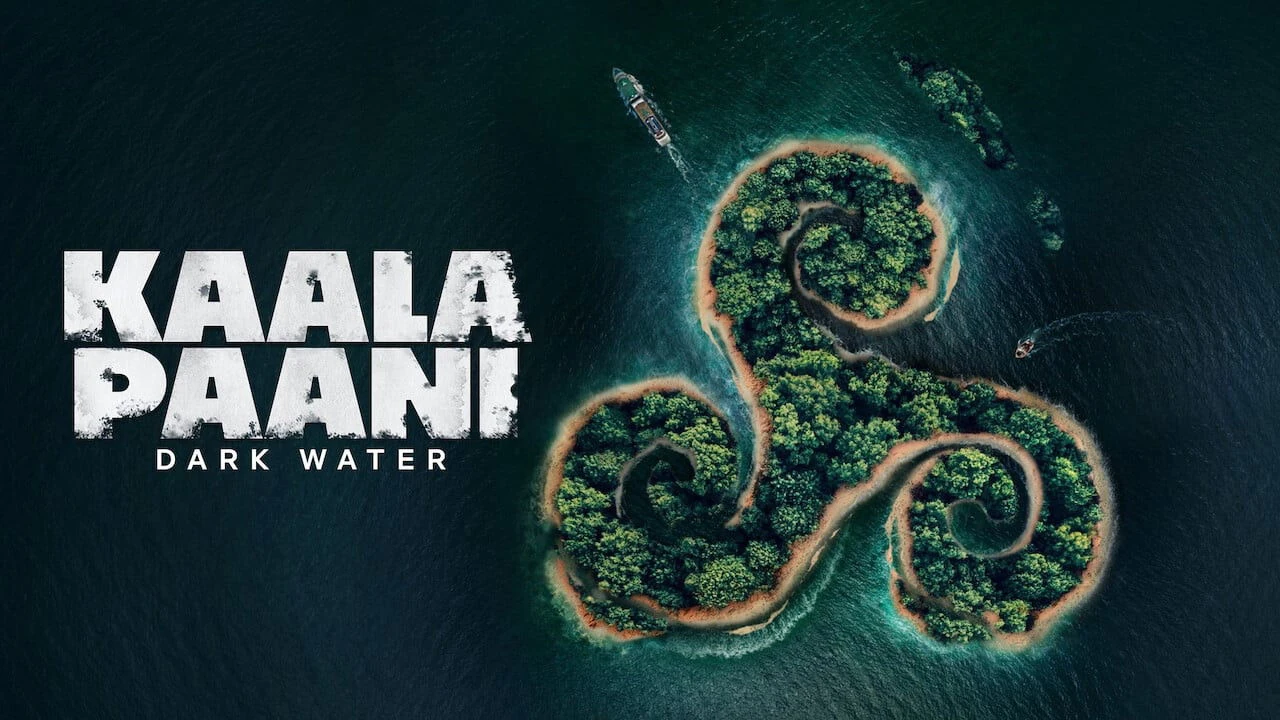 The idyllic beauty of the Andaman Islands becomes a stark, isolated prison for its inhabitants.
Navigating the Ethical Maze: Performances and Plot Imperfections
Kaala Paani truly shines in its ensemble performances, particularly from actors like Ashutosh Gowariker, who delivers a strong, nuanced performance as a pragmatic doctor caught in the eye of the storm. Sukant Goel and Amey Wagh also stand out, embodying the desperation and moral ambiguities of characters trying to navigate an impossible situation. Their struggle isn’t just against the disease, but against the ethical compromises demanded by survival. The series throws complex moral dilemmas at its characters, forcing them to make choices that blur the lines between right and wrong. Is it justifiable to sacrifice a few for the many? How far does individual responsibility extend when the collective is at stake?
In the crucible of crisis, the true nature of humanity isn’t revealed by grand gestures, but by the quiet, agonizing choices made in the shadows.
However, like many ambitious thrillers, Kaala Paani isn’t without its detractors. Several audience reviews and some professional critics pointed out a few plot conveniences and scientific liberties that occasionally strain credulity. The resolution to certain challenges, while providing narrative momentum, sometimes felt a little too neat or relied on convenient timing. Moreover, while the overall tension is commendable, there were instances where the CGI and visual effects felt a touch unpolished, momentarily pulling viewers out of the otherwise immersive experience. These aren’t fatal flaws, but they do speak to the challenges of executing such a large-scale concept on a streaming budget. Yet, even through these occasional cracks, the show’s commitment to exploring the ethical quagmire of a pandemic remains steadfast.
 A desperate struggle for resources and survival unfolds amidst the quarantine’s chaos.
Beyond the Surface: A Dystopian Mirror to Our Present
What Kaala Paani ultimately achieves, despite its narrative ebbs and flows, is to hold up a stark mirror to our anxieties about control, nature, and the limits of human intervention. The series isn’t just about a disease; it’s about the fragility of modern existence. It posits a world where medical advancement and global connectivity are no match for an unknown pathogen, forcing us to reconsider our perceived mastery over nature. The ‘escape’ from Kaala Paani isn’t merely physical; it’s an existential quest for meaning and survival in a world that has suddenly deemed you expendable.
The series delves into themes of class division and social injustice, showing how even in a catastrophic event, pre-existing inequalities are amplified. Who gets access to resources? Whose lives are deemed more valuable? The answers, sadly, are often predictable, reflecting harsh realities that resonate far beyond the fictional islands. It’s a powerful commentary on how society’s fault lines become chasms in times of extreme pressure. It makes us ponder: are we truly all in this together, or is every person ultimately an island, isolated even in a crowd?
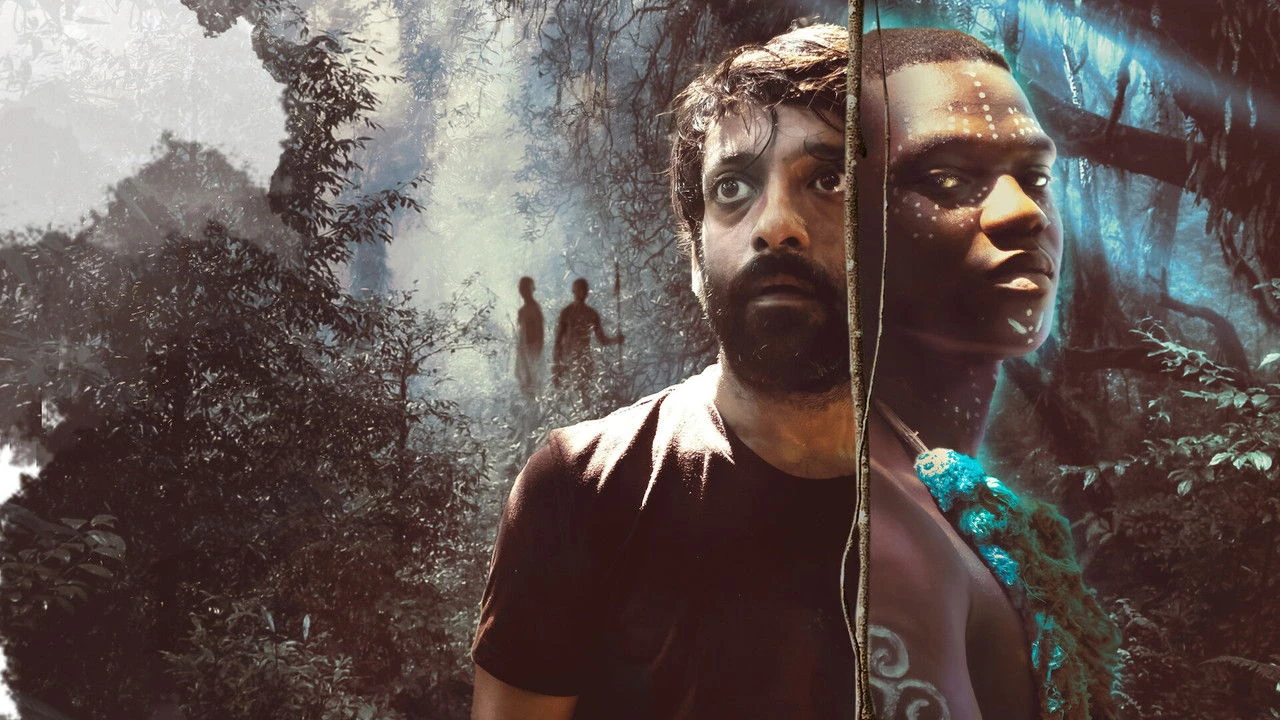 The weight of leadership and difficult decisions rests heavily on those trying to save the trapped population.
“The road to hell is paved with good intentions, but the path to survival is often paved with necessary evils.”
Kaala Paani may not be a flawless masterpiece, and its occasionally convoluted plot and uneven emotional beats were noted by some, but its impact is undeniable. It’s a series that dares to ask profound questions about human resilience, ethical compromise, and the terrifying prospect of being truly alone in the face of an existential threat. It makes you wonder: if the world turned its back on you, what would you become? And what part of your humanity would you fight to preserve?
Where to Watch
- Netflix
- Netflix Standard with Ads
What’s Up? explores the philosophical depths of cinema.