The Impossible Equation of Love: Kaathu Vaakula Rendu Kaadhal's Flawed Romantic Calculus
Exploring the ethical quandaries and comedic missteps of Kaathu Vaakula Rendu Kaadhal, a film that dares to ask if one heart can truly love two.
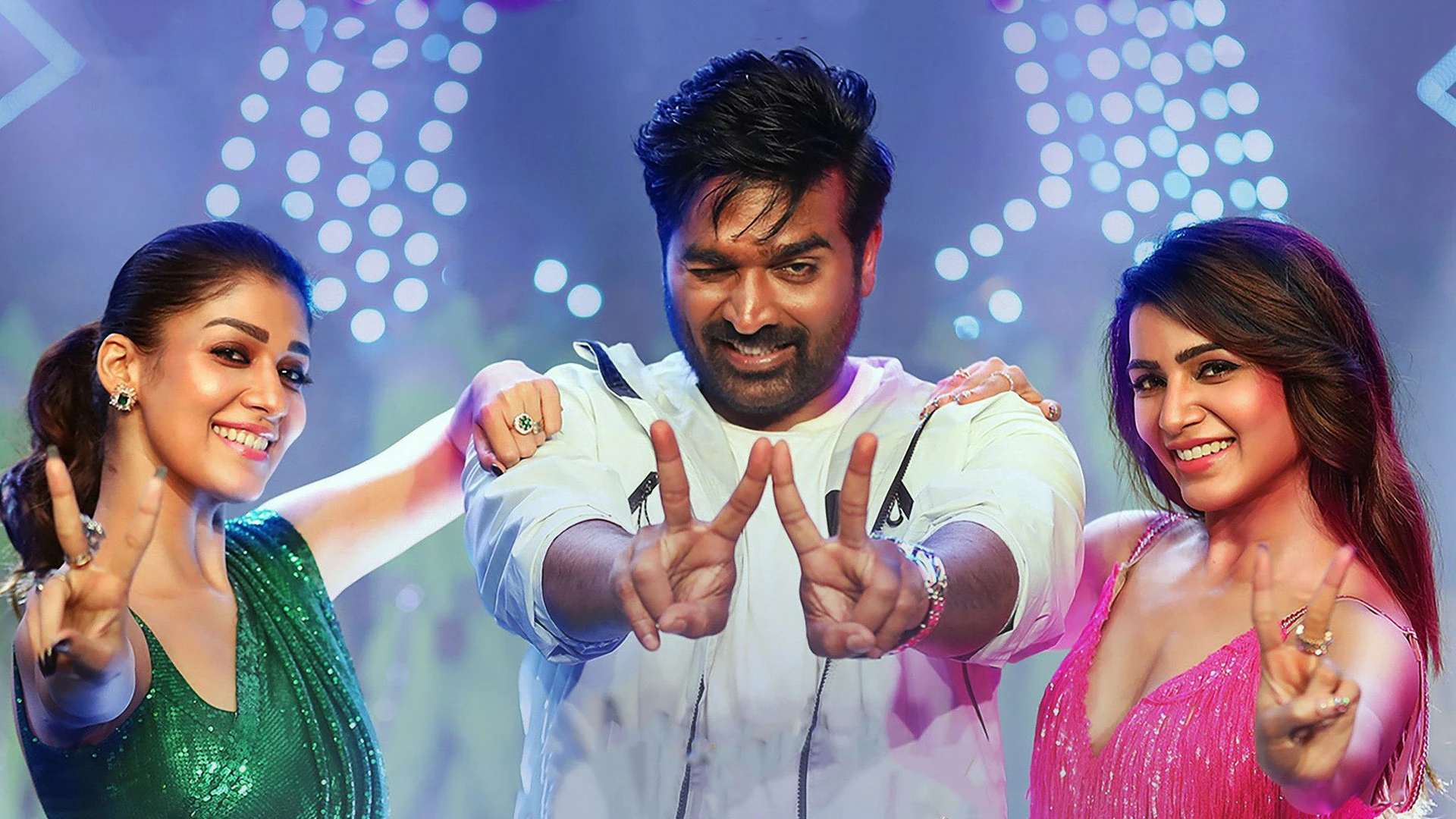
“Love is not a finite resource, but an infinite capacity.” — Unknown
Vignesh Shivan’s Kaathu Vaakula Rendu Kaadhal (2022) arrived with a premise as audacious as its title: a man deeply in love with two women, simultaneously and equally. On paper, it sounded like a delicious romantic tangle, a modern-day take on polyamory wrapped in a star-studded package featuring Vijay Sethupathi, Nayanthara, and Samantha Ruth Prabhu. Yet, the film’s reception, both from critics and audiences, was a veritable mixed bag, a dizzying blend of adoration for its lead performances and frustration over its narrative wobbles. While many celebrated its lighthearted approach to an unconventional theme, others found its execution problematic, its pacing uneven, and its philosophical implications largely unexamined. As a film philosopher, however, even a flawed narrative can offer a fertile ground for exploring the complexities of the human heart and the fluid nature of love.
The Calculus of the Heart: Love in Duplicity
At its core, Kaathu Vaakula Rendu Kaadhal (which translates to “Love in Two Hearts”) presents a fascinating, if somewhat glossed-over, exploration of polyamory and the societal constructs of monogamy. Rambo (Vijay Sethupathi) finds himself in an emotional quandary, genuinely adoring both Kanmani (Nayanthara) and Khatija (Samantha Ruth Prabhu). The film sets up this impossible situation not as a moral failing on Rambo’s part, but as an inherent, almost fated, aspect of his being. He’s a man who has known profound loneliness, and now, suddenly, he’s blessed—or cursed—with double the affection.
Critics often pointed to the film’s simplistic handling of such a complex subject. The ethical challenges, the emotional toll on all parties, and the societal judgments that would inevitably arise are largely sidestepped in favor of comedic situations and melodramatic declarations. Many viewers felt the film shied away from truly grappling with the implications of its premise, opting for a fantastical resolution rather than a grounded one. Yet, within this narrative escapism lies a potent question: Can love truly be an expansive, rather than a divisive, force? Is it possible for one person to genuinely love two others without diminishing either bond? The film dares to suggest yes, even if its storytelling doesn’t quite provide the depth needed to fully convince us. It pushes against the ingrained belief that love is a zero-sum game, that a heart divided is a heart halved. Instead, it posits the radical notion that perhaps, a heart can grow.
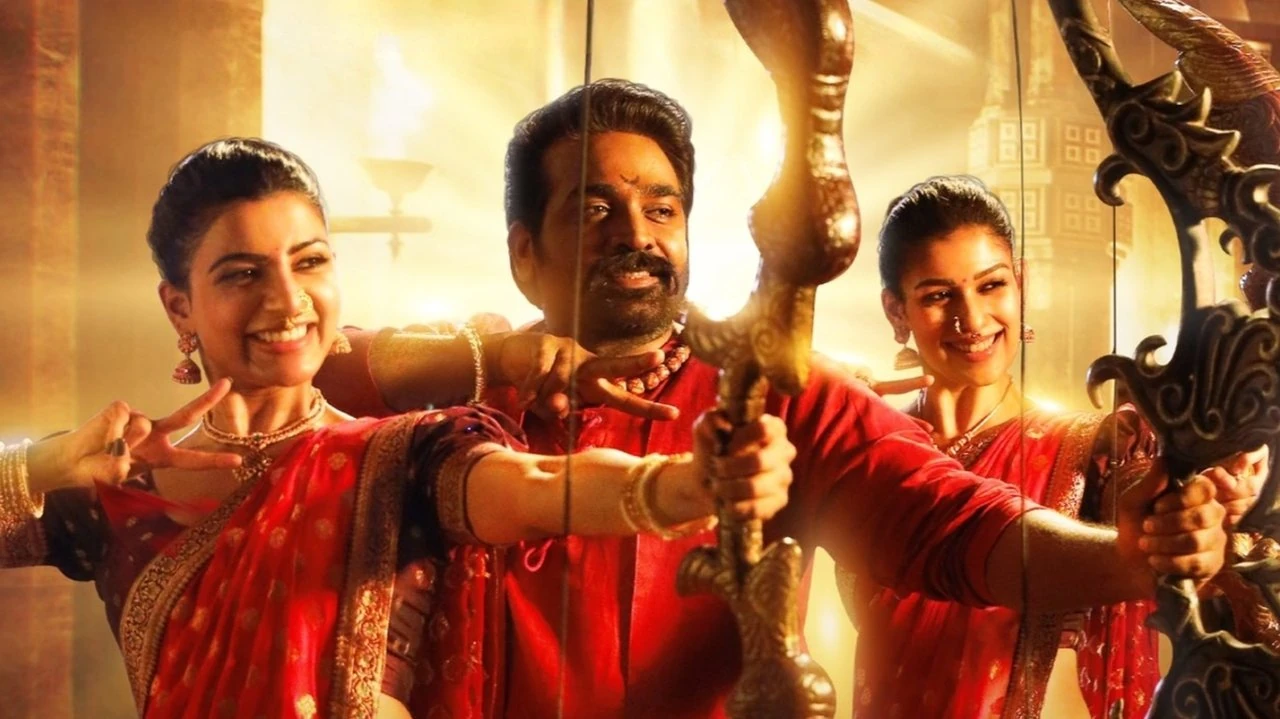 Rambo’s divided affection for Kanmani and Khatija symbolizes the film’s core exploration of polyamory.
The Uneven Script and the Weight of Choice
Despite the intriguing premise, Kaathu Vaakula Rendu Kaadhal was not without its significant narrative stumbles. Reviews frequently cited uneven pacing as a major flaw, particularly in the film’s second half, where the comedic energy often fizzled, giving way to a more drawn-out, less engaging drama. Plot conveniences abounded, and the character motivations, especially Rambo’s journey from a perpetually unlucky individual to a man desired by two strong women, sometimes felt underdeveloped. The resolution, which many found to be preachy or too simplistic, further compounded these issues, leaving a sense of missed opportunity.
This is where we discover the true weight of choice — not in the outcome, but in the becoming. The film, in its narrative wobbles, inadvertently highlights how challenging it is to embody radical choices within conventional frameworks.
The performances, however, were almost universally lauded. Vijay Sethupathi, Nayanthara, and Samantha Ruth Prabhu brought immense charm and conviction to their roles, often elevating the material beyond its scriptural limitations. Nayanthara as Kanmani, a strong-willed but vulnerable woman, and Samantha as Khatija, a fiery and independent spirit, were particularly praised for their nuanced portrayals, making their characters empathetic despite the fantastical nature of their predicament. It’s their emotional investment that keeps the audience tethered, even when the plot threatens to unravel. Their individual struggles with Rambo’s confession, though sometimes played for laughs, hint at the deeper ethical dilemmas that the film could have, but ultimately didn’t, fully explore. The film’s strength lies not in its perfect plot, but in its ability to spark conversation around unconventional relationships, even if it doesn’t offer definitive answers.
 The chemistry between the lead trio often compensated for the film’s narrative shortcomings.
Beyond the Rom-Com Facade: Societal Mirrors
Beyond its surface as a rom-com, Kaathu Vaakula Rendu Kaadhal inadvertently holds a mirror to societal expectations and individual desires. In a culture largely built on the ideal of monogamous, lifelong partnerships, the film’s premise is inherently rebellious. It asks us to consider: what if love doesn’t fit neatly into predefined boxes? What if genuine affection can exist in multiple forms, with multiple people? While the film’s ultimate resolution might feel like a cop-out to some, designed to appease traditional sensibilities, the very act of asking these questions within a mainstream commercial film is significant.
The greatest existential truth the film struggles with is the conflict between deeply personal desires and the rigid, often unforgiving, structures of societal acceptance. It’s a dance on the edge of the forbidden, where the individual heart yearns for freedom against established norms.
The film’s exploration of Kanmani and Khatija’s agency is also noteworthy. While their initial reactions to Rambo’s double life are emotional, their eventual, albeit somewhat convenient, acceptance challenges traditional portrayals of women in love triangles. They aren’t passive recipients of Rambo’s affections; they have their own demands, their own emotional landscapes. This subtle shift, though not fully fleshed out, hints at a more progressive understanding of relationships where communication, consent, and individual happiness, even within unconventional frameworks, become paramount. Ultimately, Kaathu Vaakula Rendu Kaadhal is a film that, despite its narrative imperfections, ignites philosophical debate about the very definition of love, commitment, and personal fulfillment in a world that often demands conformity.
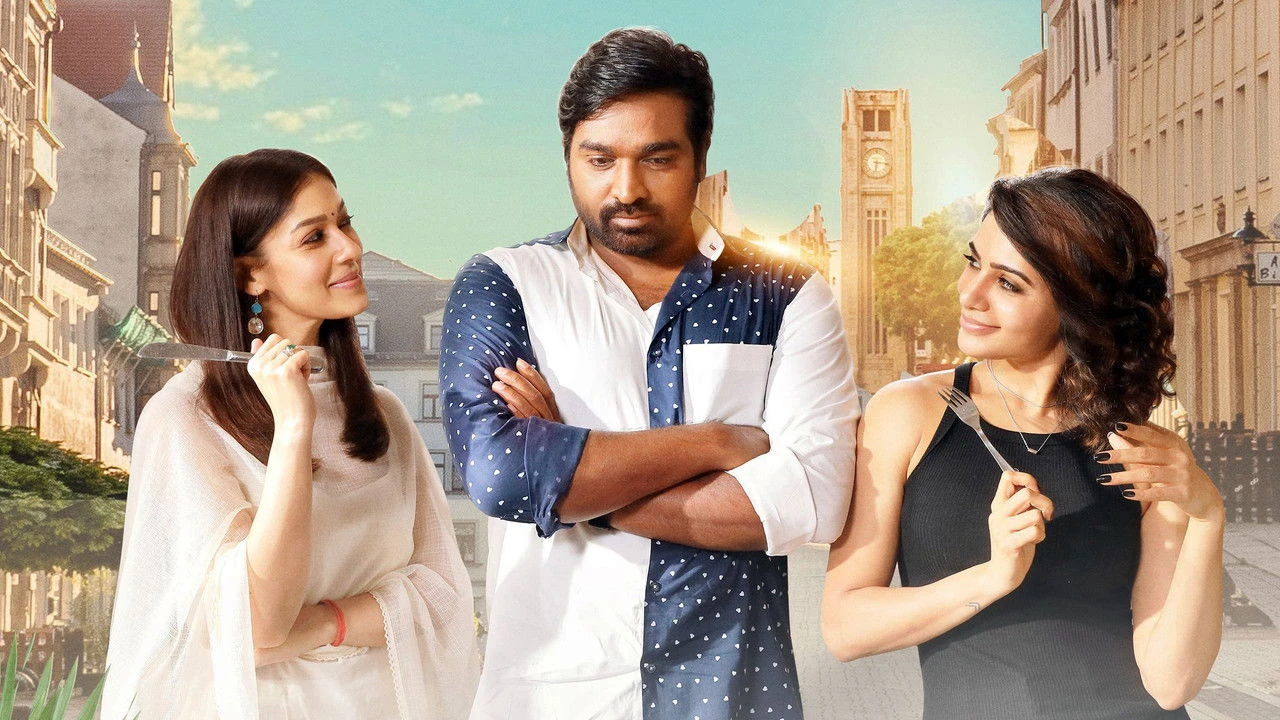 The vibrant energy of the characters highlights the film’s unique take on modern relationships.
“The hardest choices are not between good and evil, but between two goods, or two loves, each demanding our full devotion.” — A reflection on Rambo’s dilemma
Kaathu Vaakula Rendu Kaadhal is a film that asks big questions, even if it provides somewhat facile answers. Its legacy is undoubtedly a mixed one—a charming, if flawed, attempt to push the boundaries of conventional romance in Indian cinema. While critics may have lambasted its uneven script and convenient plot points, its exploration of polyamory, even through a comedic lens, invites us to reconsider our rigid definitions of love and commitment. It’s a film that perhaps doesn’t fully succeed in its narrative ambitions, but in its sheer audacity to imagine a different kind of love story, it leaves us pondering: how much of our perception of love is truly universal, and how much is simply what society has taught us?
Where to Watch
- Tentkotta
What’s Up? explores the philosophical depths of cinema.