Kantara's Primal Roar: When Earth's Echoes Demand Justice
Exploring Kantara's unique blend of folklore, nature, and human spirit, delving into its philosophical questions of tradition, greed, and divine justice.
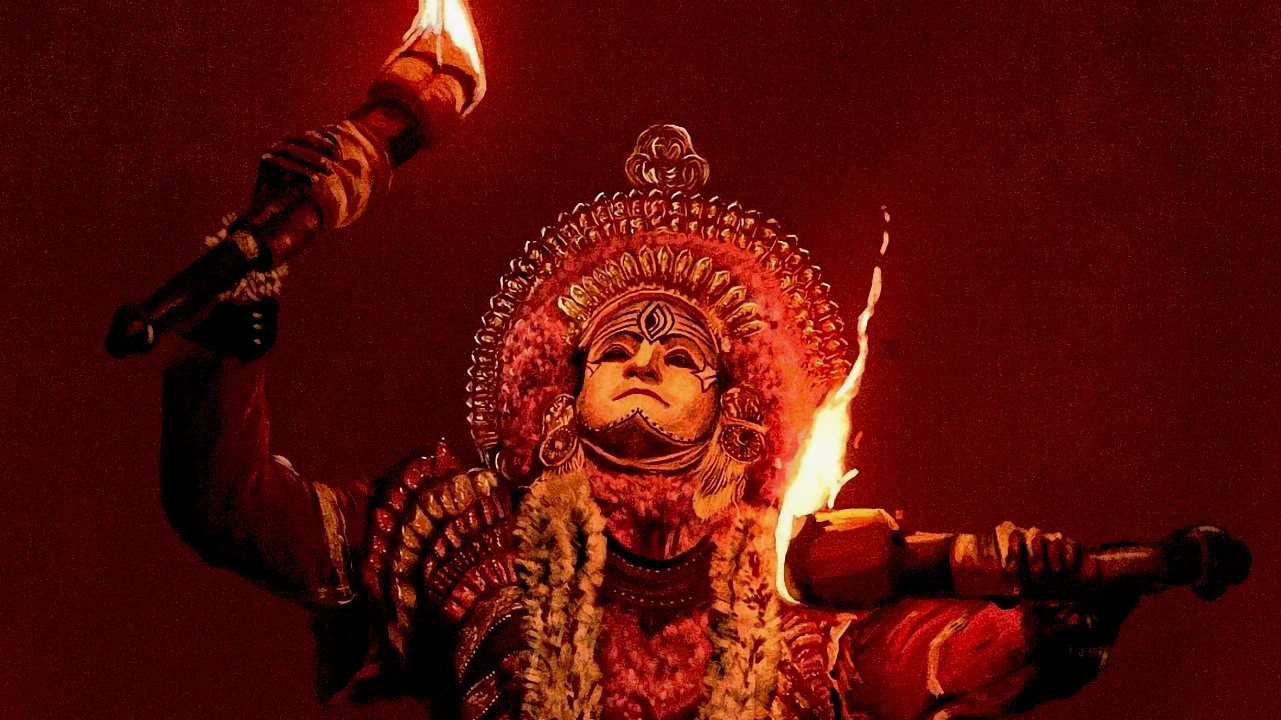
“The land remembers. It remembers the blood, the sweat, the prayers, and the betrayals. And sometimes, it demands to be heard.” — A poignant reflection on ancestral ties
Kantara (2022) isn’t just a film; it’s a visceral, almost spiritual experience that stormed the box office and captured the collective imagination, particularly in its native India. Directed by and starring Rishab Shetty, this Kannada-language phenomenon is a breathtaking blend of action, adventure, and mythological drama that thrusts viewers into the heart of a vibrant, ancient culture. While global critics might not have unified behind a single Tomatometer score, audience reception was overwhelmingly positive, with an IMDb rating of 8.3/10 reflecting its powerful impact. Yet, even in its triumph, Kantara presents a fascinating case study in cinematic philosophy, daring to explore themes that resonate far beyond its regional roots, even if its unique pacing and blend of genres occasionally proved a challenging proposition for some.
The Earth’s Echo and the Human Soul
At its core, Kantara is a profound meditation on the interconnectedness of humanity and nature, a relationship often forgotten in the relentless march of modernity. The film roots itself deeply in the indigenous traditions of Daivaradhane and Bhoota Kola, sacred rituals where local deities are believed to manifest through human performers. This isn’t mere storytelling; it’s an invocation. Shiva (Rishab Shetty), our protagonist, is a man torn between a primal connection to the forest and his more hedonistic, carefree existence. He’s a vagabond, avoiding the spiritual mantle that seems destined for him, haunted by a childhood incident that severed his link to the sacred performance.
While some early criticisms noted the film’s initial pacing might feel a little slow or meandering as it establishes Shiva’s world and his complex relationship with his community, this deliberate rhythm serves a crucial purpose. It immerses us in the daily life of the hamlet, allowing the lush, ancient forest to become a character in itself. This gradual build-up is essential for understanding the existential stakes that will later explode onto the screen. It allows us to feel the weight of tradition, the pull of the land, and the growing tension between the tribal community and the encroaching forces of “progress” – embodied by the forest department and an opportunistic landlord. This foundational patience ensures that when the sacred eventually erupts, its impact is shattering, not just spectacular.

The Dance Between Sacred and Profane
Kantara’s narrative tension truly ignites with the arrival of Forest Officer Murali (Kishore), a figure embodying the bureaucratic, rationalist worldview that clashes violently with the villagers’ spiritual reverence for the forest. This isn’t just a land dispute; it’s a metaphysical battle over differing epistemologies: one rooted in ancient belief and symbiotic living, the other in legal documents, profit, and extraction. The film shrewdly positions this conflict not as a simple good-vs-evil dynamic, but as a collision of fundamental ways of knowing and relating to the world.
The real conflict isn’t just man versus nature, but the clash between a sacred understanding of existence and a profane, transactional view of the world.
Shiva’s journey becomes a microcosm of this larger struggle. His internal reluctance to embrace his ancestral role is slowly chipped away by the escalating threat to his people and their land. He is forced to confront his own existential identity, moving from a self-interested individual to a protector, a conduit for something far older and more power than himself. Critics, while generally praising Kishore’s performance as Murali, occasionally pointed to the antagonist’s motivations as somewhat simplistic, lacking the nuance that might have elevated the conflict further. Yet, this doesn’t diminish the film’s central power: the depiction of a man wrestling with destiny itself.
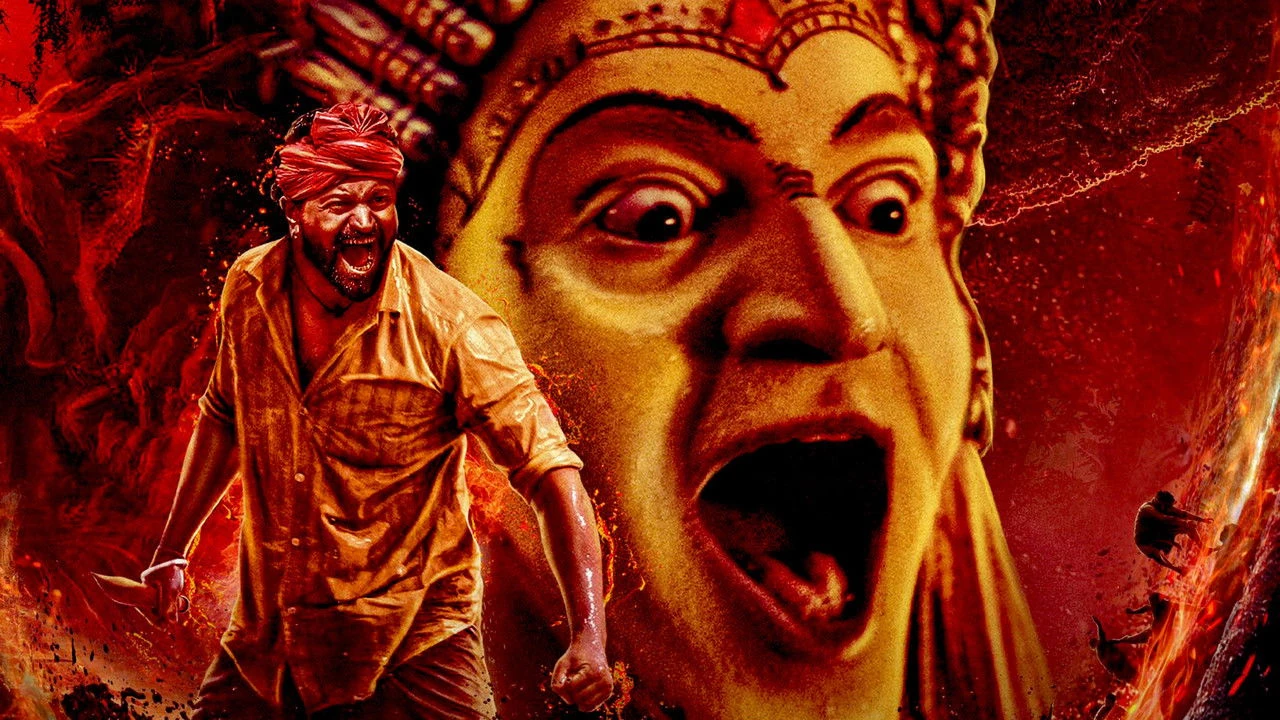
The Climax: Divine Wrath and Transcendence
The film’s final act is where Kantara transforms from compelling drama into something approaching the sublime. The Bhoota Kola sequence, where Shiva finally embraces his role as the vessel for the deity, is a masterclass in visceral filmmaking. It’s not CGI-heavy spectacle (though there are visual effects); it’s the raw physicality of Rishab Shetty’s performance, the hypnotic traditional music, the primal intensity that creates an overwhelming sensory experience. This isn’t just entertainment—it’s a ritual that viewers participate in.
Here, the film dares to ask: What is the relationship between the human and the divine? Is Shiva merely channeling an external force, or does the deity emerge from within, a manifestation of collective ancestral memory and righteous fury? The film doesn’t provide easy answers, and that ambiguity is its strength. It suggests that the sacred and the human are not separate but intertwined, that justice—when legal systems fail—might demand a more primal reckoning.
When institutions of power betray the voiceless, when greed threatens the sacred, perhaps the only response left is the fury of the earth itself, channeled through those who still remember its language.
Some Western critics found this climax jarring, even excessive. And yes, it’s intense, brutal, and uncompromising. But to dismiss it as mere revenge fantasy is to miss the point. It’s a theodicy—a justification of divine justice in the face of profound injustice. It’s cathartic not just for Shiva, but for generations who have watched their lands taken, their beliefs dismissed, their voices silenced.
Legacy and Resonance
Kantara may not be a perfect film. Its pacing in the first act can test patience, and its treatment of certain themes might feel uneven to those seeking a more conventional narrative structure. Yet, its imperfections are part of its authenticity. This is a film that refuses to apologize for its cultural specificity, that demands the audience meet it on its own terms rather than conforming to global cinematic conventions.
What Kantara ultimately achieves is rare: it makes the invisible visible, giving voice and form to a worldview often marginalized in mainstream cinema. It reminds us that modernity’s narrative of progress is not universal, that there are other ways of being in the world, other epistemologies that deserve not just respect but deep consideration. The film’s massive success—both critically and commercially within India—speaks to a hunger for stories that honor these perspectives.
So, what does Kantara ask of us? It asks us to listen. To the land, to the ancestors, to the voices that have been speaking all along but drowned out by the noise of “development.” It asks us to consider that justice might not always come from courtrooms and that the sacred isn’t just a relic of the past but a living, breathing force that demands recognition. In a world racing toward an uncertain future, Kantara insists we remember where we came from—and to whom we owe our existence.
Where to Watch
- Prime Video
- Netflix (select regions)
What’s Up? explores the philosophical depths of cinema.