Kinds of Kindness: When Control Becomes the Ultimate Cruelty
Exploring the philosophical depths of Yorgos Lanthimos's Kinds of Kindness, a divisive triptych fable on free will and control.
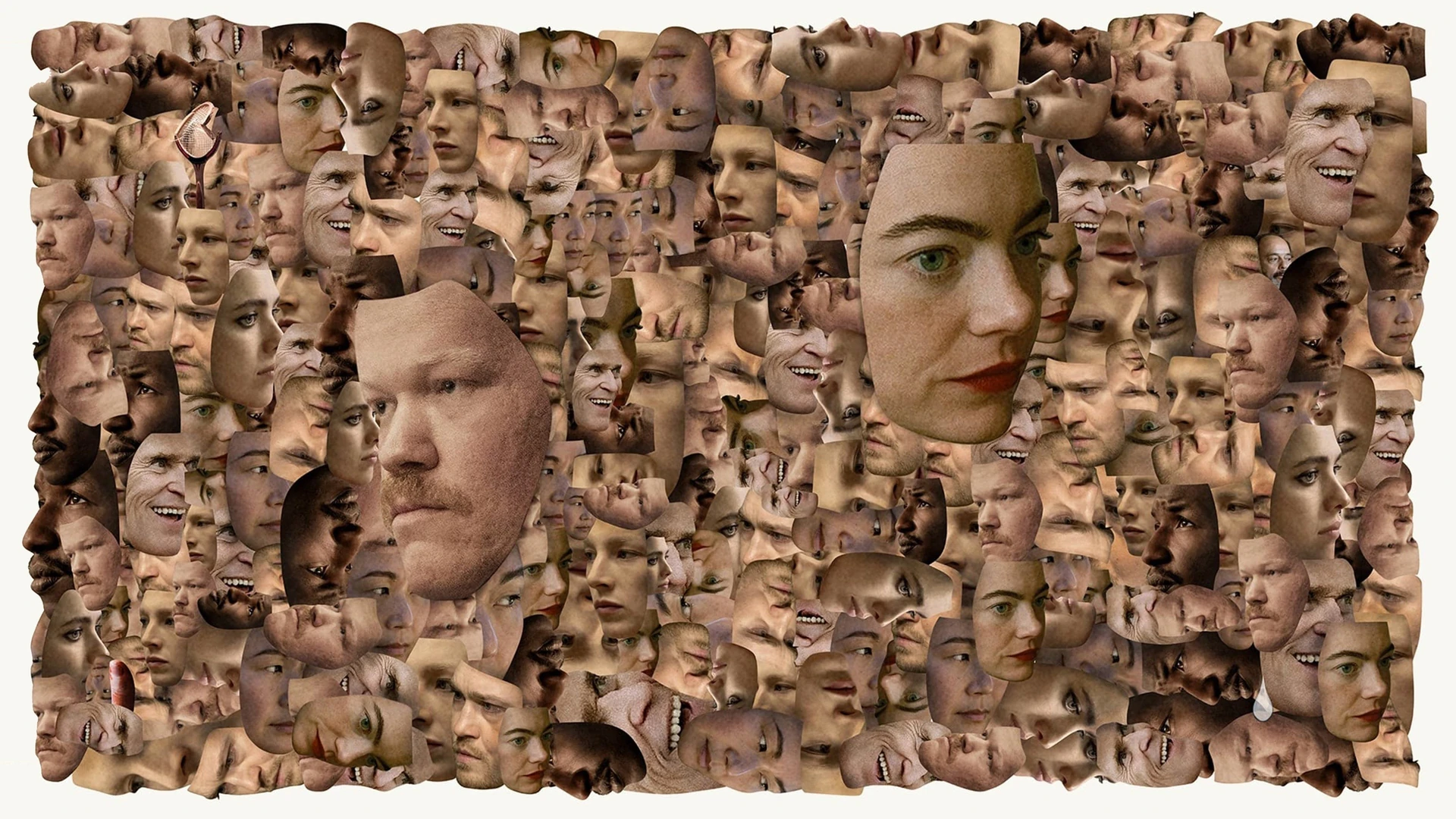
“Man is condemned to be free; because once thrown into the world, he is responsible for everything he does.” — Jean-Paul Sartre
Yorgos Lanthimos is back, and if you thought Poor Things brought him into the mainstream with a slightly softer edge, Kinds of Kindness is here to aggressively remind you who he is. Released in 2024, this sprawling, 164-minute triptych is a potent, often grueling, dose of pure Lanthimos. It’s bleak, it’s bizarre, and it’s absolutely going to split audiences right down the middle – just look at its Rotten Tomatoes score hovering around 58% and a Metacritic average of 64/100, reflecting a truly mixed critical bag. Some call it a masterpiece of absurdist cinema; others deem it a tedious exercise in deliberate provocation. And honestly, after sitting with it, I can see both sides. It’s a film that demands a conversation, even if that conversation often begins with, “What in the world did I just watch?”
My initial reaction, like many, was a cocktail of fascination and profound unease. Lanthimos has never been one for easy answers, but Kinds of Kindness pushes his signature style — deadpan delivery, sterile environments, unsettling power dynamics — to its furthest extreme. Yet, beneath the layers of discomfort and the sometimes-stifling runtime, there lies a brutal, unflinching examination of what it means to be truly free, or perhaps, truly controlled.
The Labyrinth of Obedience: A Crisis of Autonomy
The film’s three distinct, yet thematically linked, stories plunge us into worlds where the lines between choice and coercion are not just blurred, but actively obliterated. We meet characters who are either desperately seeking autonomy or are frighteningly eager to relinquish it. This is where Kinds of Kindness lays its philosophical groundwork, exploring the existential dread of a life without genuine agency.
In the first segment, we follow Robert (Jesse Plemons), a man whose entire existence is dictated by his boss, Raymond (Willem Dafoe). Robert’s life is a series of commands, from what he eats to who he sleeps with, all in exchange for a semblance of success. This paints a stark picture of economic determinism and the lengths to which individuals will go for perceived security, sacrificing their very selves in the process. Many critics found this segment particularly disturbing, highlighting the passive aggression and the casual cruelty. Some noted it felt like a rehash of themes Lanthimos has explored before, but the sheer, relentless nature of Robert’s subservience here feels particularly pointed.
The film constantly asks: Are we truly free, or are we just following a script handed to us by societal expectations, by those in power, by our own internal programming? The characters’ awkward, often robotic interactions underscore this point, suggesting a world where genuine connection has atrophied, replaced by transactional relationships and conditional affection.
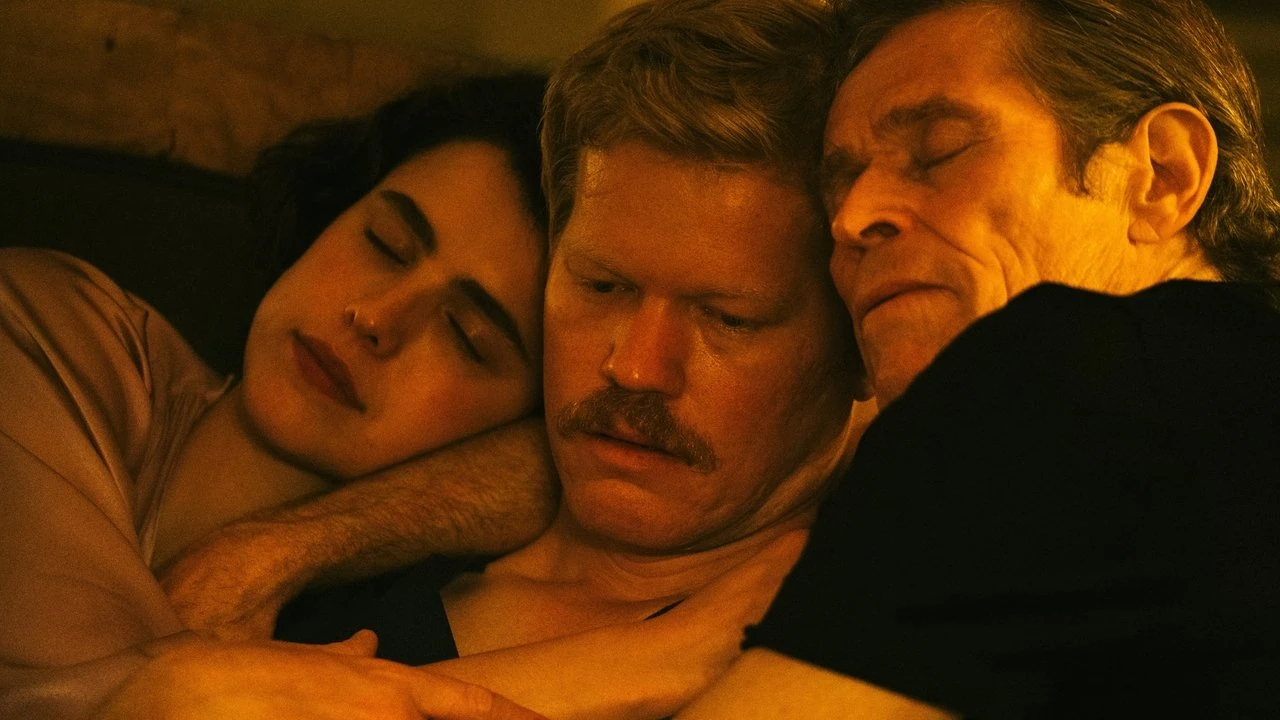 Jesse Plemons, a man adrift in a sea of prescribed choices, embodying the film’s core theme of lost autonomy.
Performance and Provocation: What Works, What Challenges
While Kinds of Kindness is undeniably a tough watch for many, its artistic merits, particularly in performance, are undeniable. Jesse Plemons delivers a truly astounding performance across all three segments, inhabiting distinct characters with a subtle mastery that often feels like the emotional anchor in a storm of the absurd. Emma Stone, too, is phenomenal, showcasing a remarkable range as she navigates each story’s unique demands. The entire ensemble cast, including Willem Dafoe, Margaret Qualley, and Hong Chau, commit fully to Lanthimos’s singular vision, their deadpan deliveries and intense stares adding to the film’s unsettling atmosphere.
The film’s brilliance often lies in its ability to extract profound discomfort from the mundane, exposing the grotesque underbelly of human desire for control and belonging.
However, it’s impossible to ignore the criticisms that plagued its reception. The film’s nearly three-hour runtime was a common point of contention, with many reviewers and audience members pointing to sequences that felt drawn out or repetitive, testing the audience’s patience. Its deliberately obtuse narratives and relentless bleakness left many feeling alienated, wondering if the provocation served a purpose beyond shock value. “It’s Lanthimos at his most uncompromised, which is both its greatest strength and its most significant flaw,” as one critic aptly put it. The humor, which is present in spades for those attuned to it, is a pitch-black, often uncomfortable kind of funny that not everyone will appreciate. It’s a challenging film, to be sure, and one that doesn’t offer easy emotional payoffs.
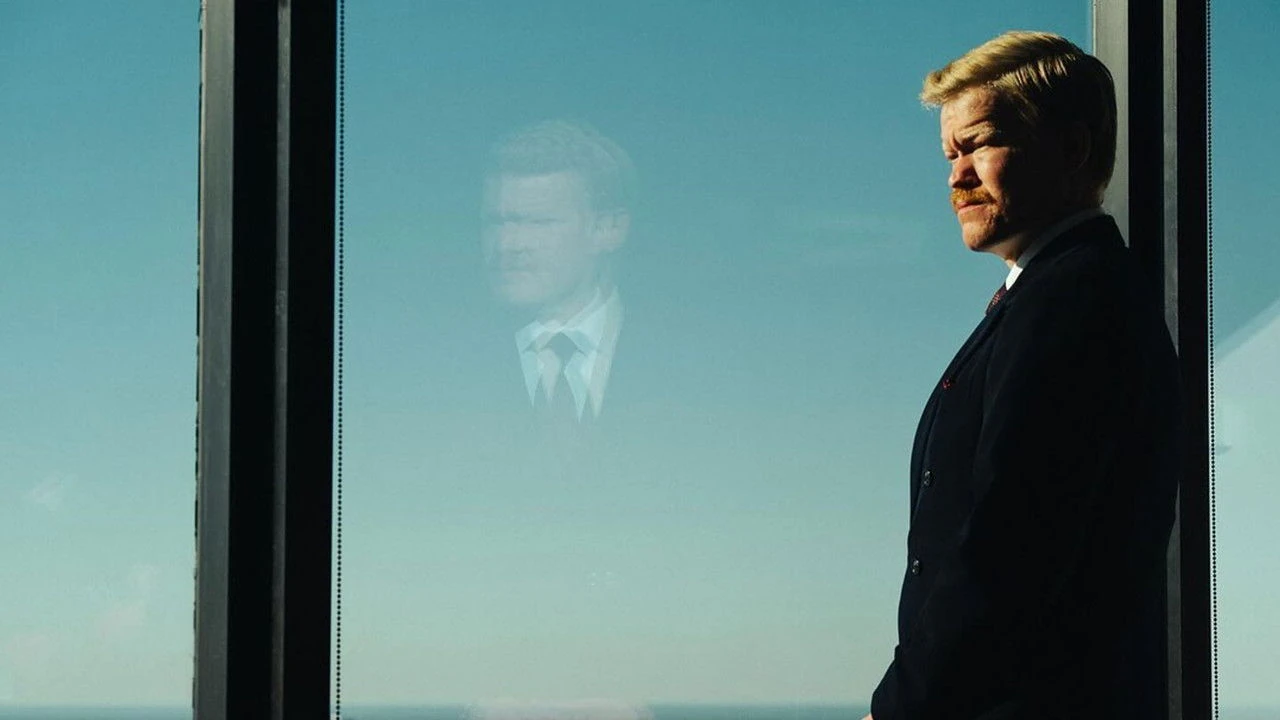 Emma Stone navigating the labyrinthine expectations of a world defined by strange rituals and power dynamics.
Beyond the Surface: The Rituals of Belonging
Beyond the individual narratives, Kinds of Kindness functions as a broader critique of societal structures and the human need for belonging. The second segment, where a policeman (Jesse Plemons again) is disturbed by his wife’s (Emma Stone) return from the sea, believing she’s a different person, delves into themes of identity, perception, and the fragility of relationships. How much do we rely on the external to define who someone is? What happens when that external presentation deviates from our internal expectation? It’s a chilling exploration of gaslighting, control, and the desperate desire for things to return to a perceived “normal,” even if that normal is a fiction.
The third story, involving a woman (Emma Stone) searching for a specific someone with a “special ability” to become a spiritual leader for a bizarre cult, ramps up the surrealism and delves into the dangers of charismatic leadership and blind faith. It’s a biting commentary on how easily people can be manipulated when they are seeking purpose, connection, or salvation. The cult’s rituals, their arbitrary rules, and their absolute devotion to an enigmatic figure highlight the human propensity to create meaning, even if that meaning is entirely fabricated and destructive. This segment particularly struck me as a potent metaphor for modern ideological echo chambers, where individuals willingly surrender critical thought for the comfort of collective belief.
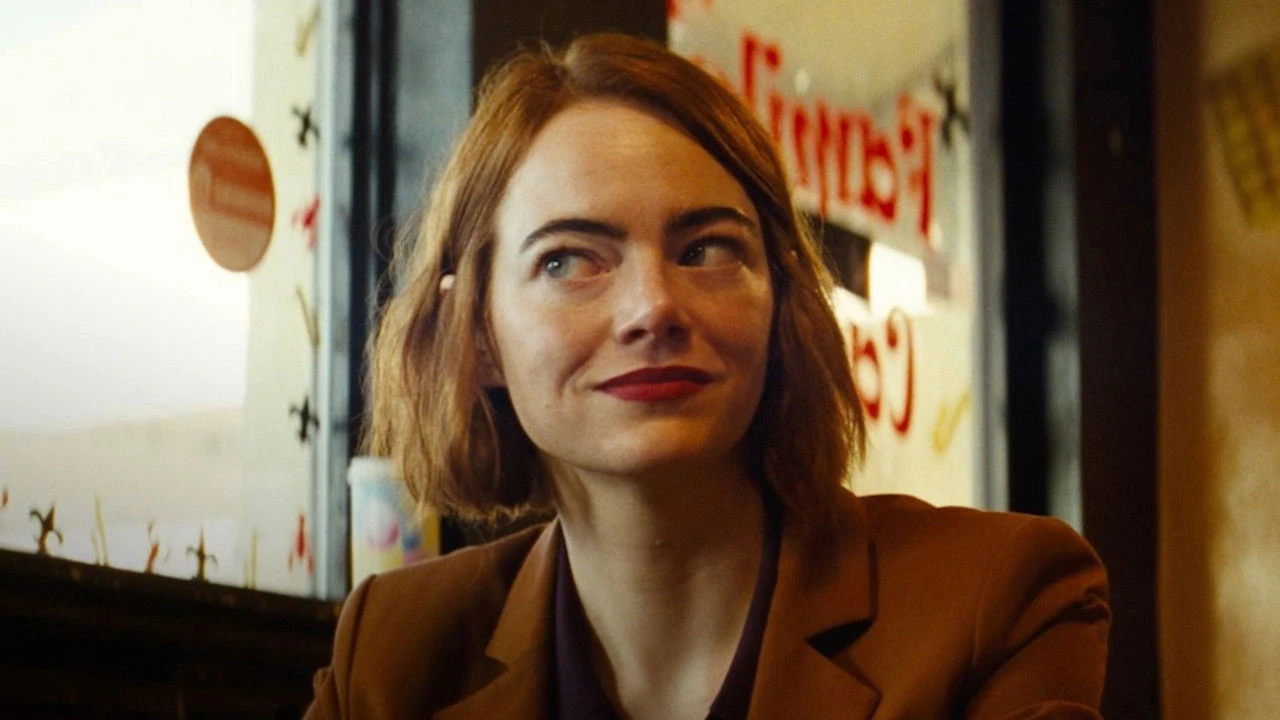 The cast gathered in a scene of unsettling camaraderie, highlighting the film’s exploration of cults and communal delusion.
Kinds of Kindness is a haunting, uncomfortable mirror, reflecting our darkest desires for control and our desperate, often misguided, search for meaning in an absurd world. It’s a film that will likely be remembered for its divisiveness, but also for its uncompromising vision.
Ultimately, Kinds of Kindness isn’t a film you “enjoy” in the traditional sense. It’s a film you experience, often with a grimace. It’s a film that asks us to confront the uncomfortable truths about human nature: our hunger for power, our susceptibility to manipulation, and the often-fragile nature of our own free will. Despite its flaws – its length, its deliberate coldness, its refusal to offer easy answers – it undeniably provokes thought. It forces us to question the “kinds of kindness” we show, both to ourselves and to others, and whether true compassion can exist in a world where control is the ultimate currency. What price are we truly willing to pay for a sense of belonging, or for the illusion of control?
What’s Up? explores the philosophical depths of cinema.