Leo and the Shadow of the Self: Can We Ever Outrun Our Past?
Exploring Leo (2023)'s intense themes of identity, escape, and the inescapable past, acknowledging its divisive reception while finding philosophical depth.
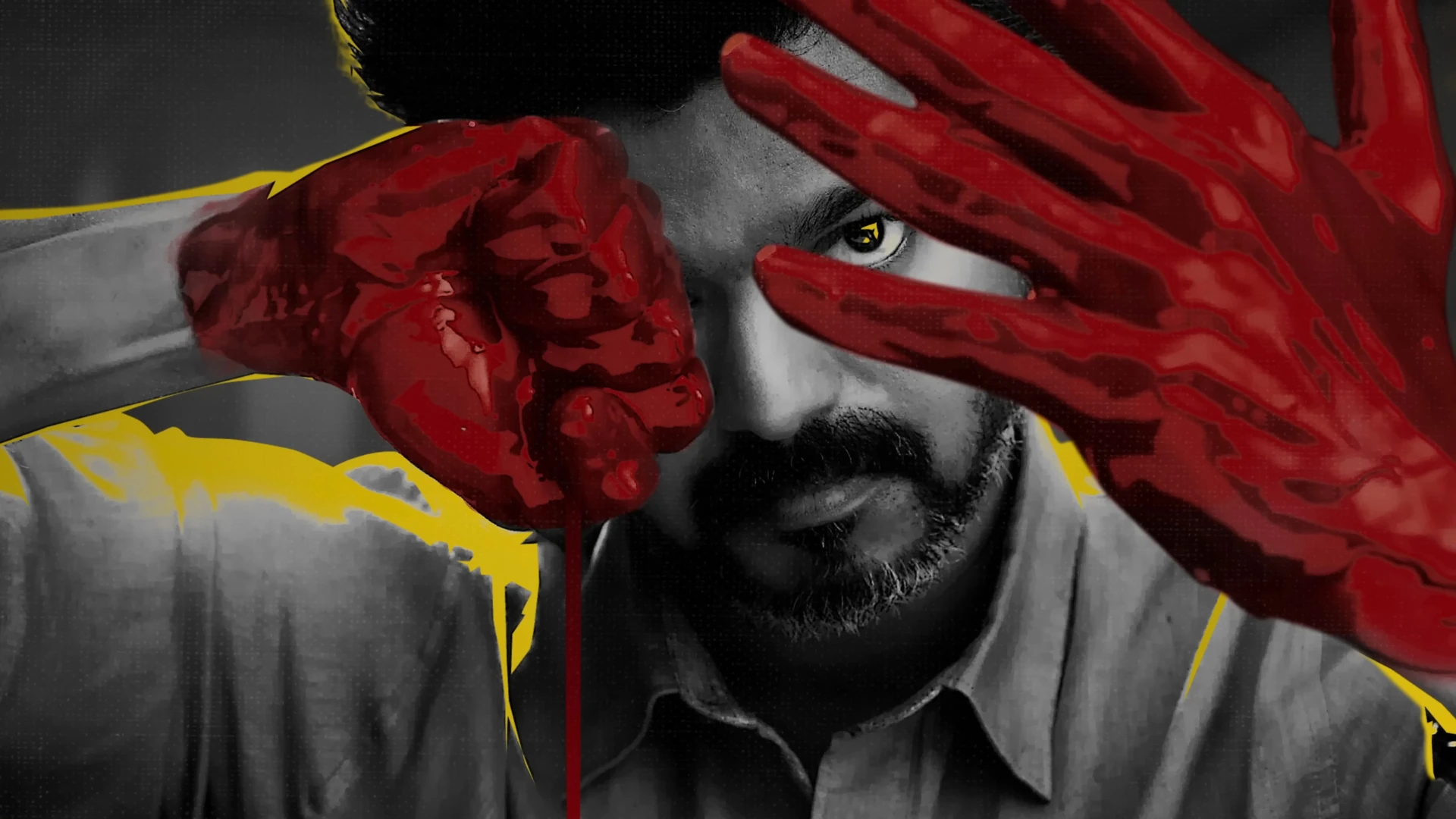
“We are condemned to be free, condemned to carry the weight of our choices, even when we try to deny them.” — Jean-Paul Sartre
Lokesh Kanagaraj’s 2023 action-thriller, Leo, entered the cinematic arena with a formidable roar, propelled by superstar Vijay’s magnetic presence and the burgeoning anticipation of the Lokesh Cinematic Universe (LCU). Clocking in at a substantial 164 minutes, this film promised an adrenaline-fueled ride through the treacherous terrains of crime and drama. But beyond the explosive action and stylish set pieces, does Leo offer more than just a fleeting thrill? The critical reception for Leo has been, to put it mildly, divided. While audiences largely embraced its high-octane spectacle, garnering an 81% audience score on Rotten Tomatoes and a 7.5/10 on IMDb, critics were far more lukewarm, with Rotten Tomatoes showing a 60% approval. Many critics pointed to its uneven pacing, a familiar narrative borrowed heavily from A History of Violence, and a perceived lack of emotional range from its lead in certain crucial moments. Yet, even in its flaws, Leo grapples with profoundly human questions about identity, destiny, and the haunting persistence of our past selves.
The Echo of Past Selves
At its core, Leo is a story about a man, Parthiban (Vijay), a seemingly ordinary café owner in Himachal Pradesh, whose idyllic life with his family (Trisha Krishnan as his wife) is shattered when he inadvertently crosses paths with a ruthless drug cartel. This sudden eruption of violence forces Parthiban to reveal a hidden aptitude for combat, triggering a chain of events that threatens to expose a past he desperately tried to bury. The film hinges on the central philosophical question: can a person truly escape who they once were? Is identity a malleable construct, or is it an indelible mark, a predetermined fate?
The very premise, though criticized for its derivative nature, serves as a powerful canvas for this existential inquiry. Parthiban’s struggle isn’t just against external threats; it’s an internal battle against the shadow of Leo Das, the dangerous individual he once was. This duality, this tension between present identity and past self, drives the narrative. Does Parthiban become Leo again, or was Leo always lurking beneath the surface, a dormant beast awaiting provocation? The film forces us to consider the philosophical implications of our origins and the choices that shape us. Are we merely aggregates of our experiences, or is there an immutable essence that defines us, regardless of how far we run or how carefully we construct a new life?
- Identity as Performance vs. Essence: Parthiban’s ‘normal’ life is a meticulously crafted performance. The film questions if this performance can truly erase the ‘essence’ of Leo.
- The Persistence of Memory: Even if others forget, the past lingers within the individual, shaping reactions and instincts.
- Nature vs. Nurture: Is Leo’s violence innate, or a product of his circumstances? Can Parthiban truly be ‘nurtured’ into a peaceful man?
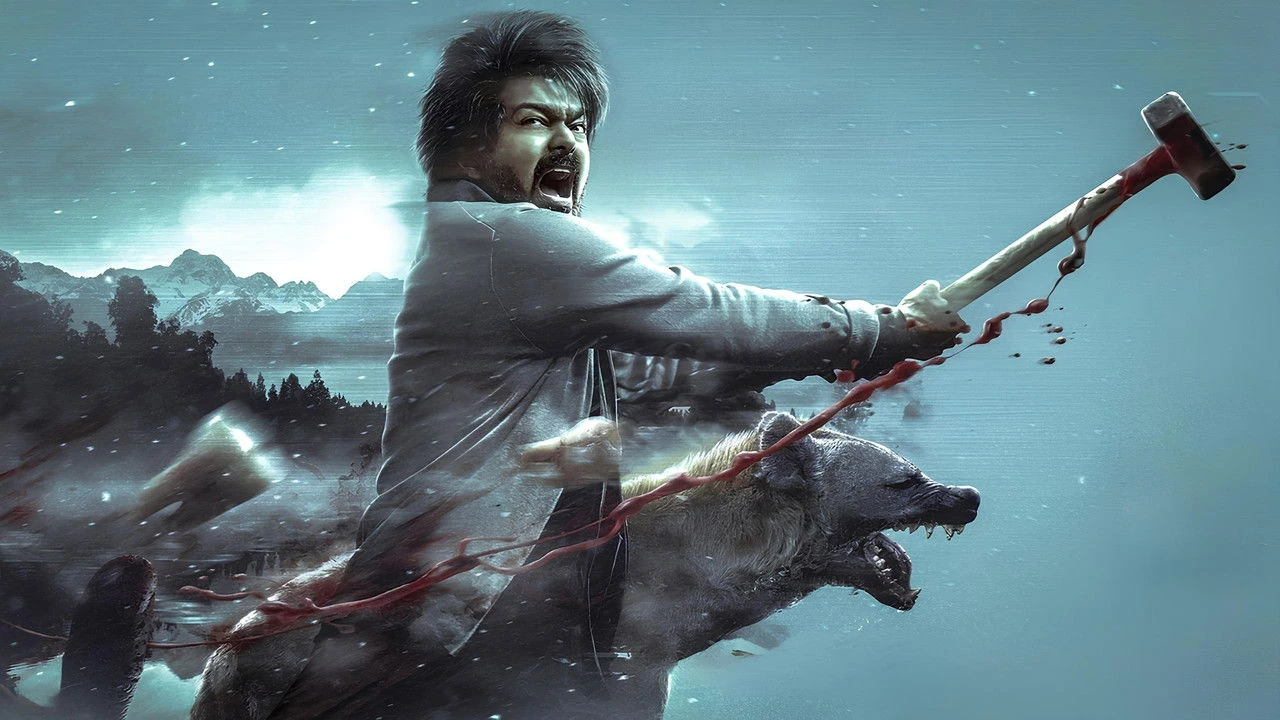 A fragmented reflection, symbolizing the fractured identity of Leo/Parthiban.
A Dance with Shadows: Flaws and Fractures
While Leo’s philosophical underpinnings are compelling, its execution often falters, leading to the mixed critical reception. Many reviewers, myself included, found the film’s pacing uneven. The first half, while setting up the mystery of Parthiban’s past, can feel drawn out, relying heavily on setup before unleashing the full force of the action. Conversely, the latter half, particularly with the introduction of antagonists like Sanjay Dutt and Arjun Sarja, accelerates into a frenzy that sometimes sacrifices narrative coherence for spectacle. Plot holes were another common complaint, with some character motivations feeling underdeveloped or contrived, especially when trying to connect Leo to the broader LCU.
While the film delivers on its promise of high-octane action and stylish violence, it occasionally stumbles in its quest for emotional depth, leaving certain character arcs feeling less earned than they should.
Vijay, a titan of Tamil cinema, delivers a performance that showcases his undeniable charisma and prowess in action sequences. He is undeniably brilliant in the moments of explosive violence and stoic determination. However, critics noted that when the film demanded more nuanced emotional vulnerability, particularly in portraying the trauma of Parthiban’s past or the raw fear of his family, his performance sometimes felt constrained, preventing a deeper connection to the character’s internal conflict. This isn’t to say he’s bad, but that the film’s ambition in exploring such complex psychological territory sometimes outstripped the subtlety of its lead’s portrayal in those specific moments. Yet, the film’s technical aspects—cinematography, background score, and fight choreography—are often lauded, providing a visceral, immersive experience that helps to mask some of its narrative deficiencies. The sheer intensity of the action, a hallmark of Lokesh Kanagaraj’s style, is undeniable, pulling viewers into the chaotic world Parthiban inhabits.
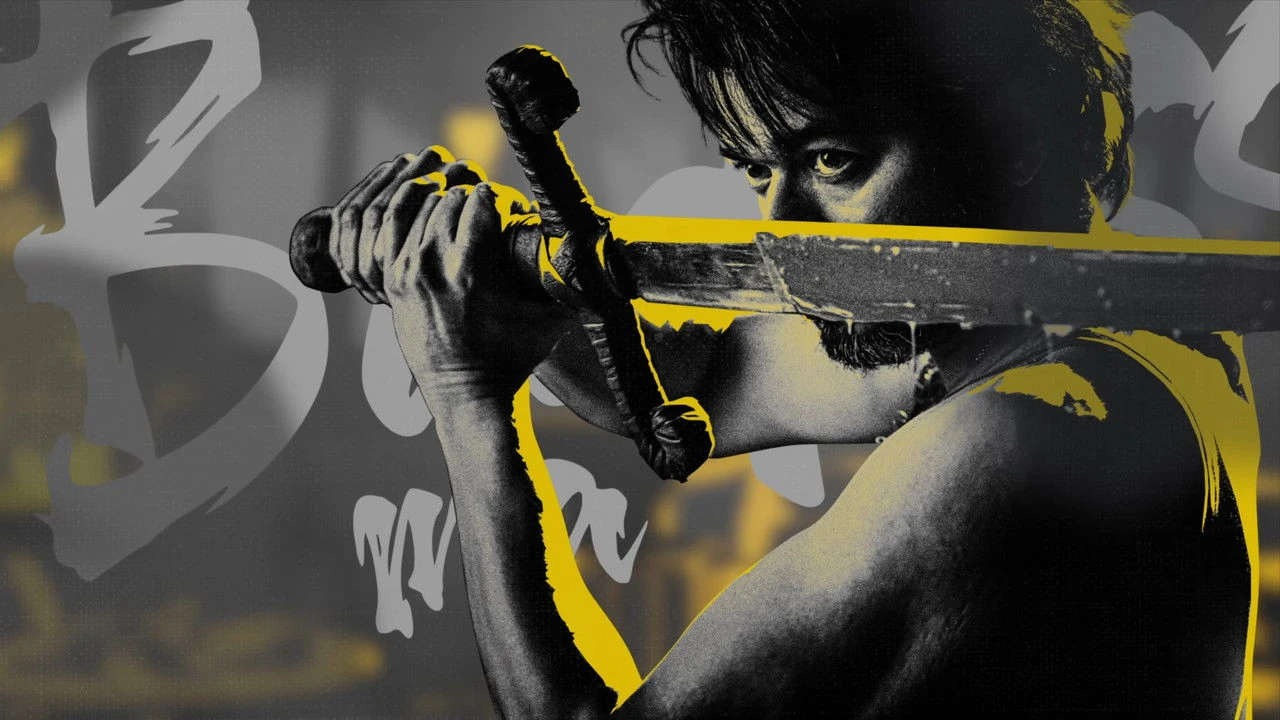 The quiet menace behind a seemingly calm facade, hinting at the dormant beast within.
The Unbearable Weight of Knowledge
Despite its structural and narrative imperfections, Leo dares to ask some profound questions about the human condition. It explores the unbearable weight of knowledge—the knowledge of one’s own dark capabilities, the knowledge of a past that refuses to stay buried, and the knowledge of the ever-present threat it poses to everything one holds dear. Parthiban’s yearning for normalcy isn’t just a desire for peace; it’s an existential plea for a different existence, a rejection of the violence that once defined him. But the film suggests that some truths, once known, cannot be unlearned, and some pasts, once lived, cannot be fully shed.
The movie delves into the cyclical nature of violence and how it contaminates innocence. Parthiban’s efforts to protect his family inadvertently drag them into the very world he tried to escape, forcing them to confront the brutal reality of who he might truly be. This raises ethical dilemmas: Is it more moral to live a lie for the sake of peace, or to confront a brutal truth, even if it shatters the illusion of safety? Leo doesn’t offer easy answers, presenting a world where redemption is a continuous, bloody struggle, and the line between monster and protector is constantly blurred. It’s a reminder that even when we attempt to forge a new identity, the echoes of our former selves resonate, often demanding a confrontation we’d rather avoid.
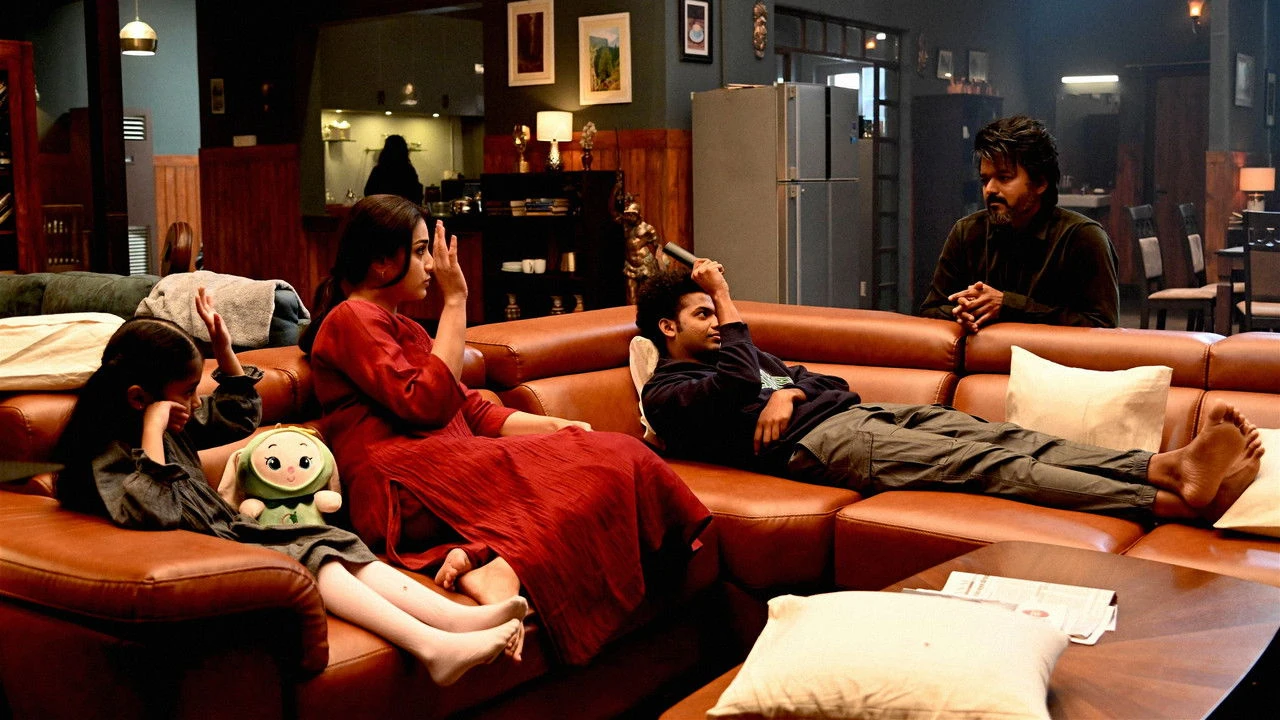 A character caught between the shadows of their past and the uncertain future.
“The past is never dead. It’s not even past.” — William Faulkner. In Leo, the past is a relentless predator, always on the hunt, reminding us that some battles are fought not to win, but simply to survive another day.
Leo might not be a flawless masterpiece, and its influences are clear for anyone familiar with the genre. Critics pointed out its narrative shortcomings and comparisons to other films. Yet, it resonates because it taps into a universal anxiety: the fear that our past mistakes or our fundamental nature might someday catch up to us, shattering the fragile peace we’ve built. It asks us to confront the uncomfortable truth that identity might not be a choice, but a destiny, or perhaps, a constant negotiation with the shadows we cast. What kind of person are we when stripped of our carefully constructed façades? And can we ever truly be free, or are we forever bound by the person we once were?
Where to Watch
- Netflix
- Netflix Standard with Ads
What’s Up? explores the philosophical depths of cinema.