Locke & Key: Unlocking Grief, Memory, and the Weight of What We Hold
Exploring the philosophical depths of Locke & Key, from grief and memory to the allure and burden of magical legacy, despite its narrative flaws.
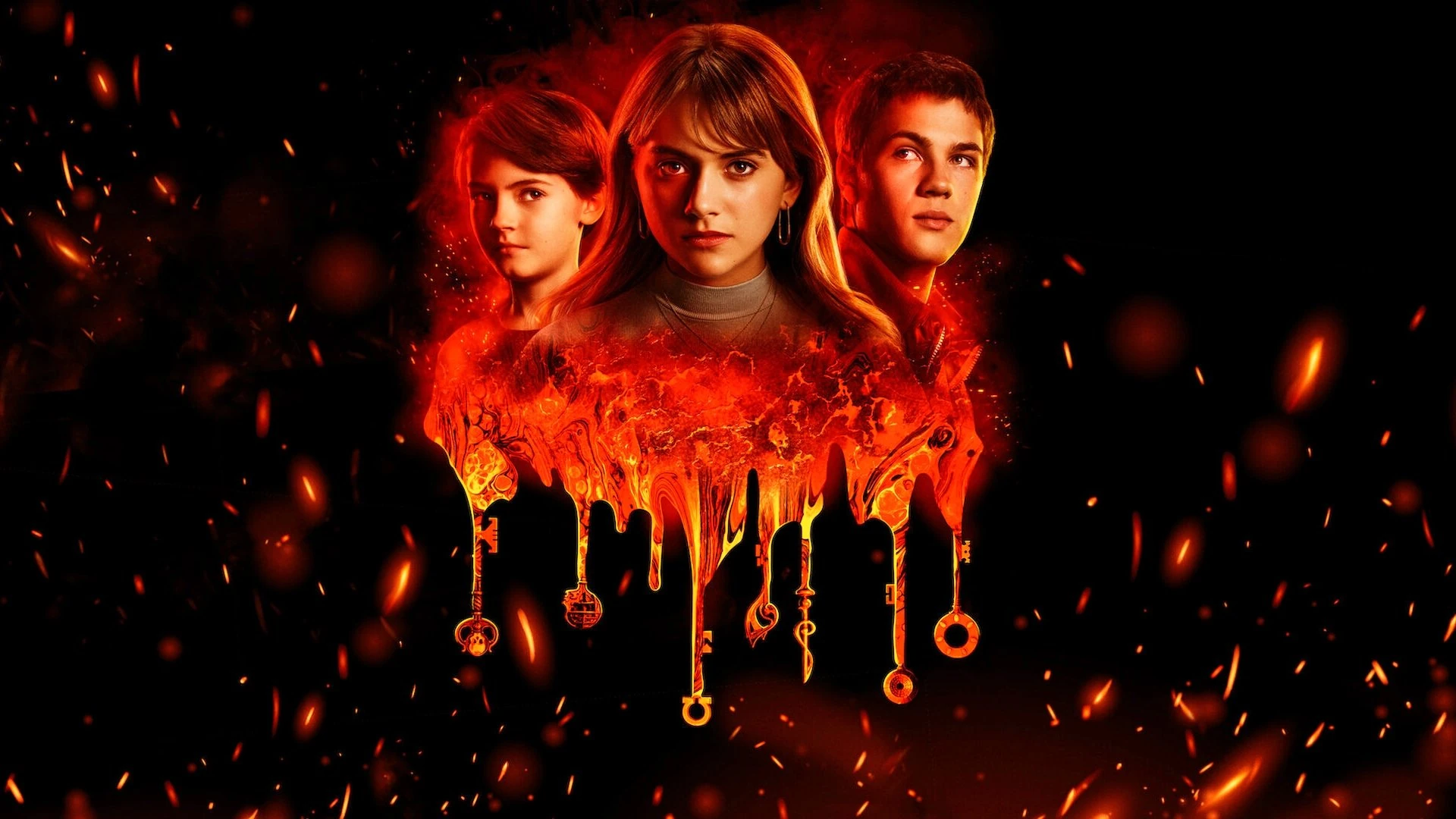
“Memory, like a house, has many rooms. Some are bright and open, others locked away, shrouded in dust.”
When Locke & Key premiered in 2020, it arrived with the weighty expectation of adapting Joe Hill and Gabriel Rodríguez’s beloved comic series—a narrative rich with dark fantasy, profound grief, and the intricate architecture of memory. The Netflix series, co-created by Carlton Cuse, Meredith Averill, and Aron Eli Coleite, invited us into Matheson, Massachusetts, a town where keys don’t just open doors but unlock entire dimensions of experience. Yet, for all its visual charm and imaginative premise, the show quickly found itself in a rather uncomfortable middle ground, lauded by some for its escapist fantasy, while others, particularly fans of the darker source material, felt it missed its philosophical mark, often stumbling over its own narrative ambitions.
The Architecture of Grief and Unlocked Trauma
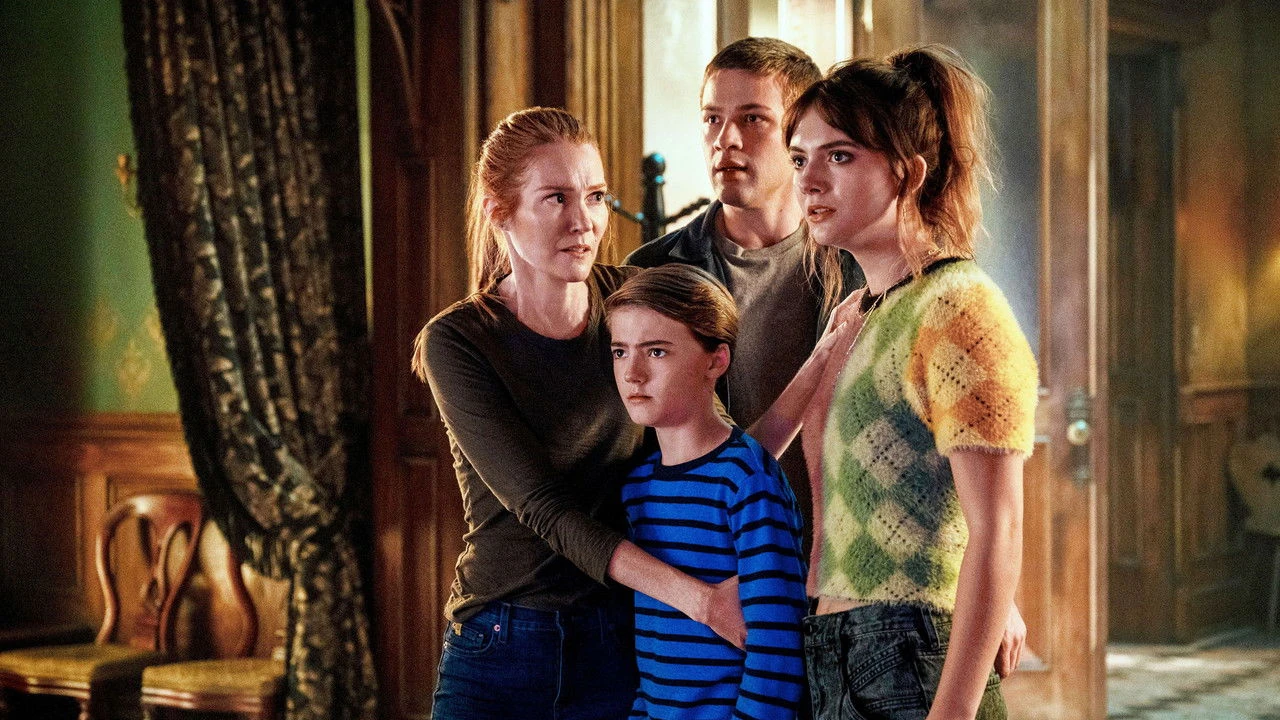
At its core, Locke & Key is a story steeped in grief. The Locke family—mother Nina (Darby Stanchfield) and her three children, Tyler (Connor Jessup), Kinsey (Emilia Jones), and Bode (Jackson Robert Scott)—are reeling from the brutal murder of their patriarch, Rendell. Their move to Keyhouse, the ancestral estate, isn’t just a change of scenery; it’s an attempt to outrun an unimaginable trauma. Here, the magical keys they discover become more than mere plot devices; they are tangible metaphors for the family’s attempts to cope, to escape, and sometimes, to revisit the very pain they fled.
Critics, however, often pointed to the series’ somewhat uneven tone and pacing, particularly in its inaugural season. While the premise promised a blend of horror and mystery, many reviews, echoed on platforms like Rotten Tomatoes and Metacritic, noted a tendency to lean heavily into a more Young Adult-friendly fantasy, often diluting the darker, more visceral aspects of the comics. This shift sometimes left the family’s profound grief feeling less like a raw wound and more like a narrative catalyst that occasionally got lost amidst the whimsy. The difficulty in consistently portraying the adult characters’ struggles, especially Nina’s alcoholism and coping mechanisms, alongside the children’s fantastical adventures, created a tonal dissonance that was hard to ignore.
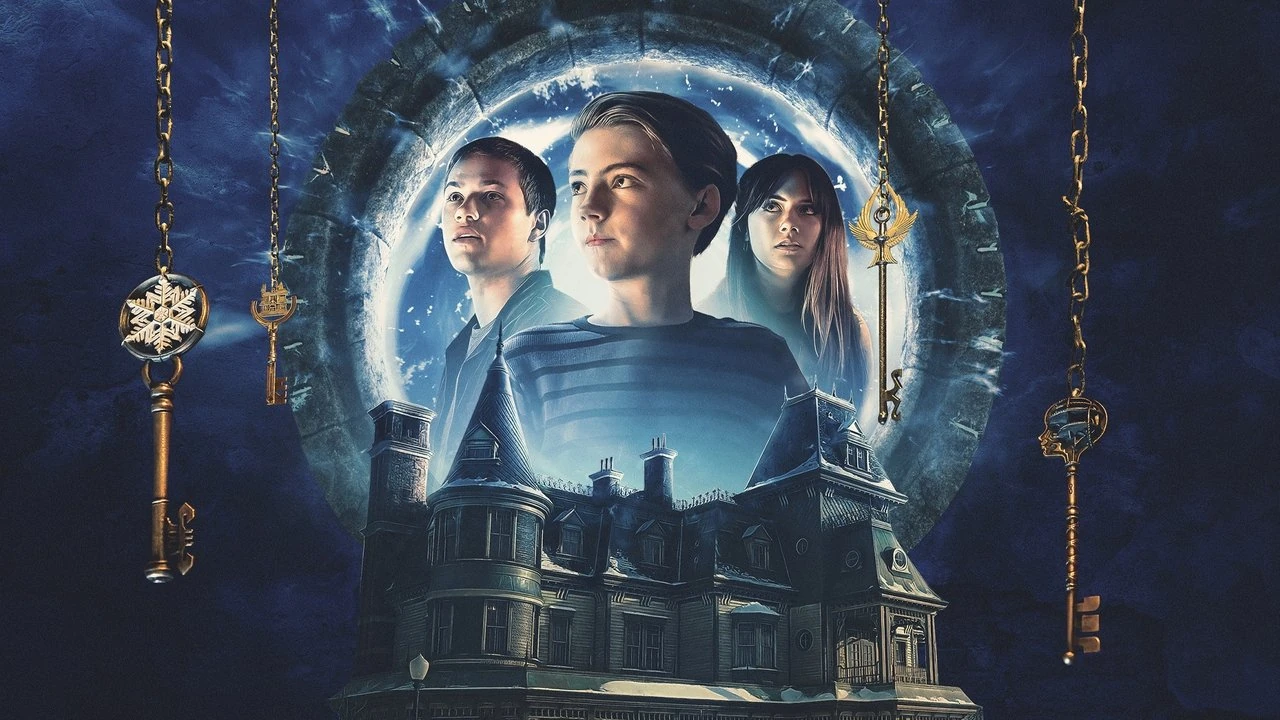
 The imposing facade of Keyhouse, a silent witness to generations of Locke family secrets and sorrows.
The Double-Edged Keys: Escapism vs. Responsibility
The keys themselves are fascinating philosophical tools. There’s the Head Key, which allows access to one’s own mind, externalizing thoughts and memories; the Ghost Key, for traversing the veil between life and death; and the Identity Key, capable of changing one’s appearance. Each key offers a form of power—the power to remember, to forget, to transform, to escape. But with this power comes profound responsibility, a theme the series grapples with, though not always with consistent success.
The show’s strength lies in its visual imagination; the magical effects and the intricate designs of the keys are often breathtaking. Performances from the younger cast, especially Emilia Jones as Kinsey, garnered praise for capturing the emotional turmoil of adolescence complicated by supernatural forces. Yet, many viewers and critics found themselves frustrated by character decisions, particularly the children’s repeated failures to grasp the serious implications of the keys or to communicate effectively with their mother. The frequent “will they/won’t they tell the adults” trope became a recurring plot hole, undermining the stakes and making some characters appear frustratingly naive or careless.
This is where we discover the true weight of choice — not in the outcome, but in the becoming, in the character forged by the decisions made with power in hand.
Despite these narrative stumbles, the series does compel us to consider the allure of escapism. When faced with unbearable reality—the loss of a father, the lingering presence of a murderer—how tempting it is to literally unlock a different existence. The Head Key, in particular, offers a powerful metaphor for self-knowledge and the burden of memory. To literally step inside one’s mind, to confront or excise fears, to replay cherished moments—it’s a profound exploration of our internal landscapes. But it also raises questions about authenticity: if you can remove your fears, are you truly yourself? If you can erase a memory, have you truly healed?
 Kinsey’s internal struggle mirrored in her cautious interaction with a key, symbolizing the potential for both liberation and danger.
Beyond the Surface: Identity, Legacy, and the Unseen Forces
Ultimately, Locke & Key asks us to ponder the nature of identity and legacy. The Locke children are not just inheriting a house; they are inheriting a history, a destiny intertwined with the magical forces that permeate their family line. Their journey isn’t just about finding keys; it’s about finding themselves within the context of their family’s past and charting a future that acknowledges both the mundane and the miraculous. It’s an exploration of how the past, both personal and ancestral, shapes who we are and who we are becoming.
The series, despite its inconsistencies, dares to ask metaphysical questions: What if our world is not all there is? What if the barriers between what’s real and what’s imagined are thinner than we perceive? The demonic entity lurking within the well house serves as an externalization of internal evils—the lingering shadows of trauma, the destructive power of secrets, the temptation of forbidden knowledge. It’s a constant reminder that even in a world of wonder, there are forces that seek to exploit our vulnerabilities and twist our desires.
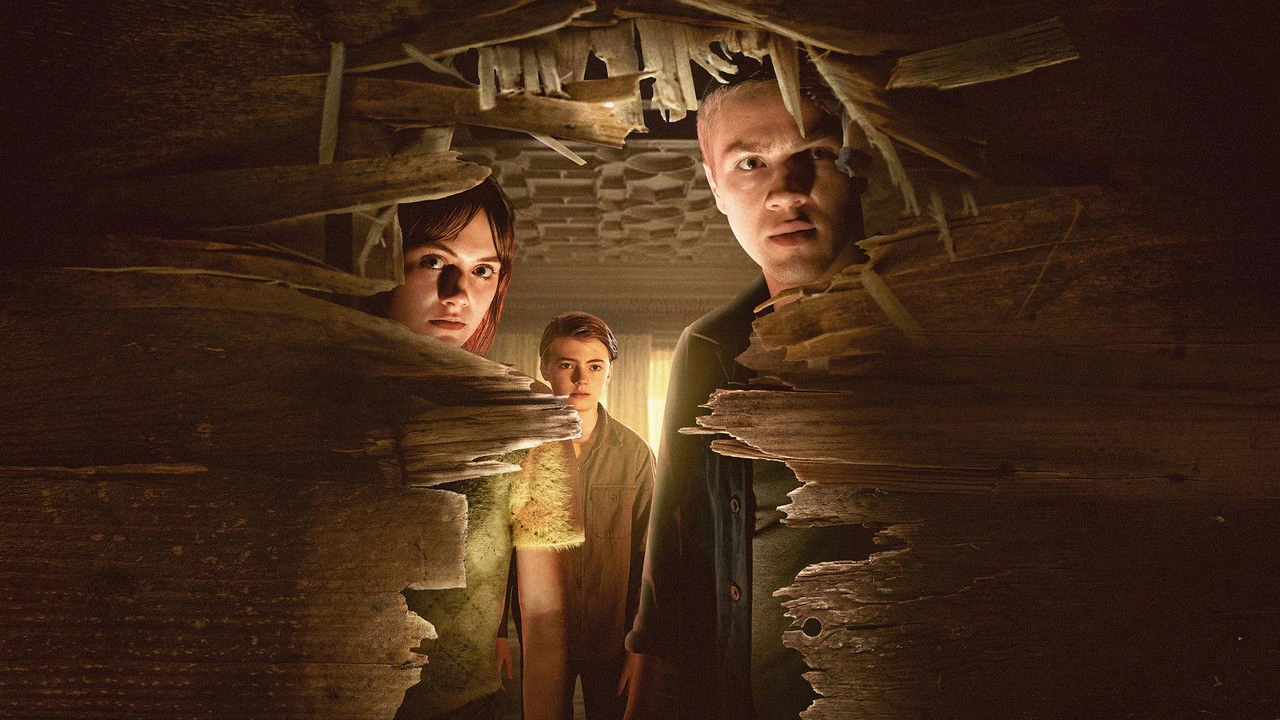 Bode’s innocent awe in the face of magic, contrasting with the heavier burdens carried by his older siblings.
The greatest danger often lies not in the demons we battle, but in the secrets we keep locked away, slowly corroding the foundations of who we are.
While Locke & Key might not have achieved universal critical acclaim, and its narrative choices sometimes felt like a diluted version of its source material, it nonetheless offers a rich ground for philosophical reflection. It’s a series that, for all its flaws—the uneven pacing, the sometimes-frustrating character logic, the tonal shifts—still manages to illuminate the profound human experience of navigating grief, confronting family legacies, and understanding the true cost of both memory and forgetfulness. It serves as a reminder that even when the narrative falters, the underlying questions about what we choose to unlock within ourselves remain compelling.
What secrets do we keep hidden, and what powers might we unleash if we dared to find the right key?
Where to Watch
- Netflix
- Netflix Standard with Ads
What’s Up? explores the philosophical depths of cinema.