Lokah Chapter One: Chandra – Unveiling the Enigma of Otherness
A pre-release philosophical contemplation of Lokah Chapter One: Chandra, exploring themes of observation, identity, and the allure of the unknown based on its intriguing premise.
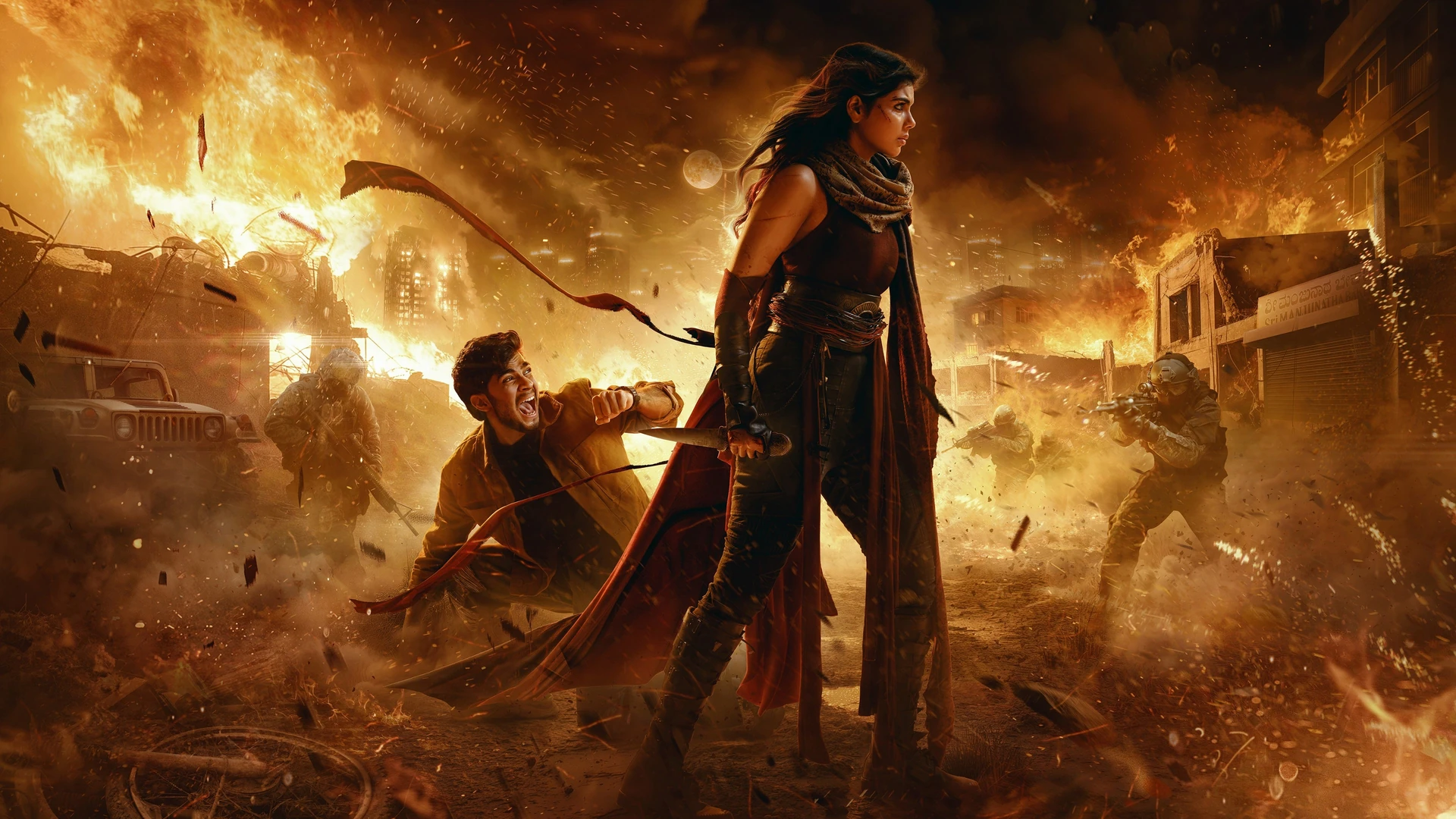
“We are all strangers in a strange land, longing for home in a world that is not our home.” — R.C. Sproul
The upcoming Lokah Chapter One: Chandra, slated for an August 2025 release, drops us into a world of nocturnal mystery and simmering intrigue. Given its future release date, concrete critical reviews or audience reactions are, naturally, nonexistent. However, the tantalizing plot overview alone — a reclusive, goth-influenced woman, aimless bachelors, and an inevitable glimpse into a hidden life — offers a rich tapestry for philosophical speculation. Dominic Arun’s 151-minute action-fantasy promises a journey that, if executed well, could delve deep into themes of identity, observation, and the profound allure of the unknown. Yet, with such a potent setup, the pitfalls are as numerous as the possibilities; the tightrope walk between profound mystery and narrative convolution will be crucial.
The Gaze, The Other, and Existential Projection
At its heart, Lokah Chapter One: Chandra seems poised to explore the very nature of perception and the human tendency to project meaning onto the enigmatic. Sunny, our “aimless bachelor,” becomes infatuated with Chandra, not through direct interaction, but through observation – her “odd routines, strange visitors, and reclusive nature.” This setup immediately brings to mind philosophical concepts like Jean-Paul Sartre’s The Gaze, where the observer’s consciousness transforms the observed into an object, defining them through their own perception. Sunny isn’t seeing Chandra as she is, but as he interprets her.
Chandra herself, with her “mysterious, goth-influenced” persona and nocturnal café work, embodies the archetype of the Other. She stands apart, an outsider in the bustling cityscape of Bangalore, prompting fascination and perhaps fear. What does it mean for society when someone actively chooses to exist on the fringes? Is her reclusiveness a shield, a choice, or a consequence of a deeper truth? This initial premise holds immense potential to examine:
- The ethics of observation: When does fascination cross into obsession?
- The construction of identity: How much of Chandra’s identity is self-fashioned, and how much is imposed by Sunny’s gaze?
- The fear and allure of the unfamiliar: What deep-seated human needs does the mysterious ‘other’ fulfill or challenge?
If the film leans too heavily on conventional tropes of the “dark, mysterious woman” without substantiating her depth, it risks falling flat. The challenge will be to portray Chandra not merely as an object of Sunny’s desire or a plot device, but as a fully realized being whose “act” has genuine, complex motivations.
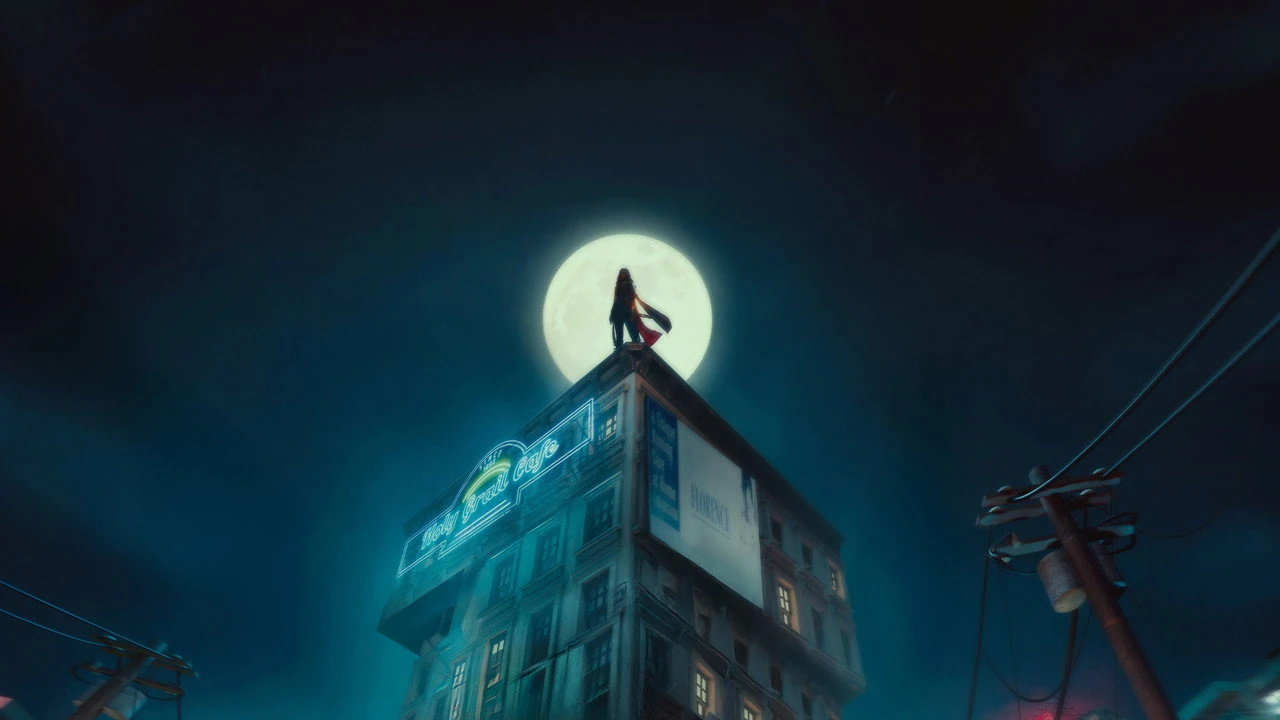 Chandra, a silhouette against the urban night, embodies the compelling mystery that draws Sunny’s gaze.
The Unveiling: Expectations vs. Reality
The plot synopsis culminates with the pivotal moment when “Sunny gets a glimpse of Chandra in her act.” This is where the narrative shifts from mere observation to direct confrontation with a hidden reality, and it’s also where the film’s potential triumphs or stumbles will likely emerge. In an action-fantasy framework, “her act” could range from the mundane (a secret job, a performance art piece) to the supernatural (magic, a hidden identity, a non-human existence). The success of this revelation will hinge on its ability to both surprise and logically integrate into the established character dynamics.
The true weight of any revelation isn’t just in what is shown, but in how it reshapes the entire landscape of what was previously believed.
Based on similar genre films, audiences often react strongly to pacing in fantasy narratives. A 151-minute runtime suggests a significant story, but could also lead to criticisms of uneven pacing if the build-up to Chandra’s “act” is too slow or the aftermath too rushed. Similarly, the dynamic between the “aimless bachelors” and the enigmatic Chandra could either provide much-needed grounding and humor or be perceived as a distracting, underdeveloped subplot. The cast, featuring Kalyani Priyadarshan as Chandra and Naslen K. Gafoor as Sunny, will bear the weight of making these character interactions feel authentic and impactful, regardless of the fantastical elements. A powerful performance from Priyadarshan could sell the mystery and eventual revelation, while Gafoor’s portrayal of Sunny’s infatuation will need to balance relatability with creeping obsession. If the chemistry or the central mystery fails to land, the film could find itself in the “divisive” camp, with some praising its ambition and others critiquing its execution.
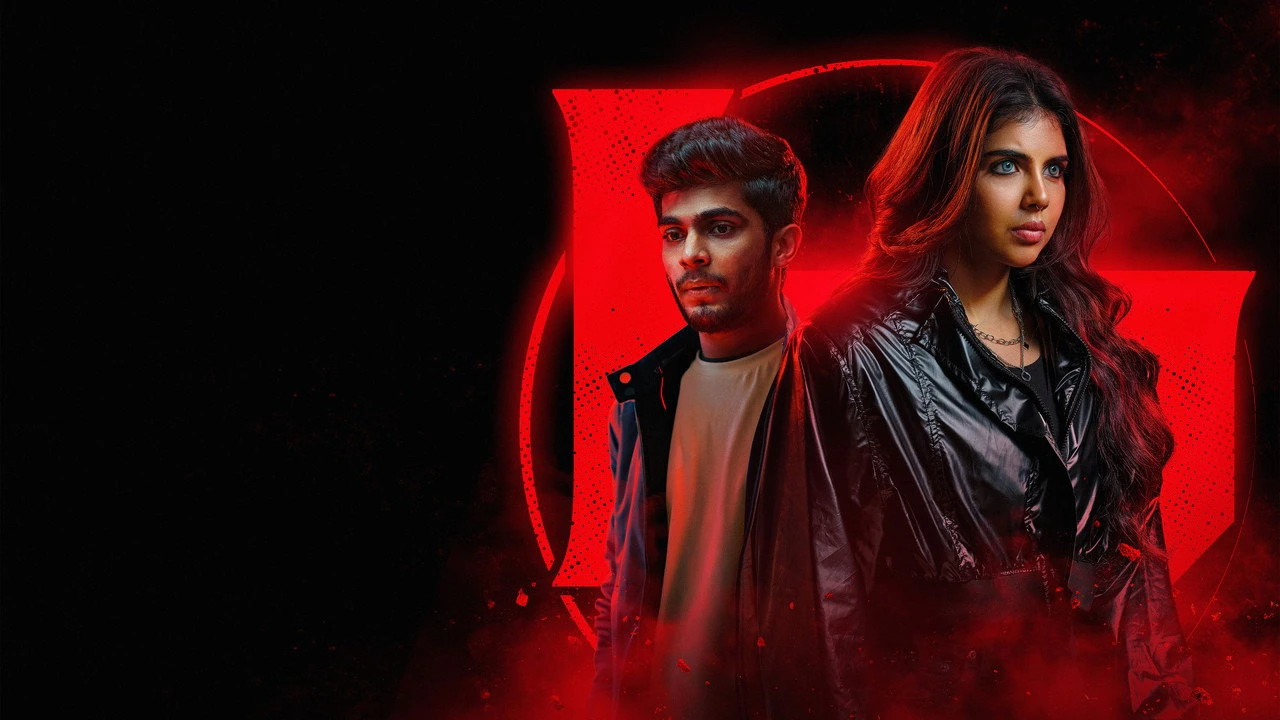 The subtle shift in Sunny’s expression as he glimpses Chandra’s hidden world, marking a turning point.
Beyond the Surface: What Does It Mean To Be?
Regardless of how Lokah Chapter One: Chandra is ultimately received, its premise alone forces us to confront deeper existential questions. The journey from aimless observation to the revelation of a hidden “act” can be seen as a metaphor for our own search for meaning in a seemingly ordinary world. What if the people around us, those we casually observe, harbor secret lives, powers, or purposes far beyond our comprehension? This film, in its fantastical guise, could be urging us to look closer, to question our assumptions, and to consider the infinite possibilities that lie beneath the surface of everyday existence.
The genre blend of Action and Fantasy suggests that Chandra’s “act” is not merely personal but has significant consequences, likely involving physical conflict and perhaps even a cosmic struggle. This elevates her story beyond individual identity to one of purpose and destiny. Sunny, initially defined by his aimlessness, is inadvertently drawn into this larger narrative. What does it mean for an ordinary person to stumble into an extraordinary world? Does it grant him purpose, or merely thrust him into danger? The film, even if flawed in its execution, could provoke contemplation on:
- The nature of reality: Are there layers of existence we are oblivious to?
- Individual purpose vs. collective destiny: How do our personal stories intersect with grander narratives?
- The cost of knowledge: What happens when our comfortable illusions are shattered by an undeniable truth?
 A dynamic scene hinting at the action and fantasy elements unleashed by Chandra’s true nature.
“The true mystery of the world is the visible, not the invisible.” — Oscar Wilde
Lokah Chapter One: Chandra holds the potential to be more than just an action-fantasy flick. It could be a philosophical exploration of how we perceive the ‘other,’ how we construct reality through our gaze, and what happens when the mundane veil is lifted to reveal something extraordinary, and perhaps terrifying. While we await its release and the inevitable critical discourse, the questions it raises about observation, identity, and the hidden depths of existence already resonate. Will it deliver a coherent, thought-provoking narrative, or will its ambition outstrip its execution? Only time will tell, but the stage is set for a truly intense and potentially divisive cinematic experience that grapples with deeply existential themes.
Where to Watch
- Hulu
What’s Up? explores the philosophical depths of cinema.